

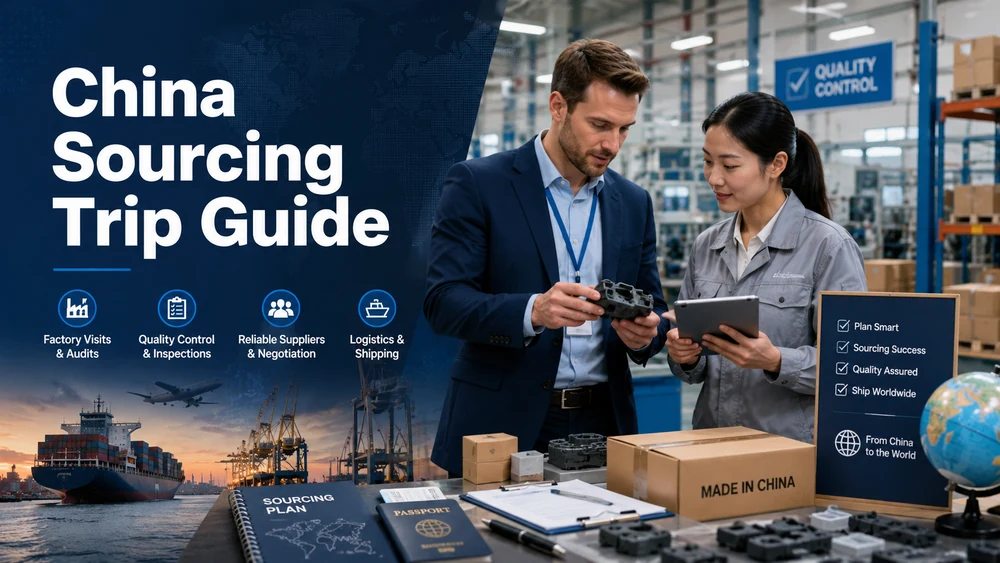
China Sourcing Trip Guide
- Verified & Reviewed · Last updated June 2026
China Sourcing Trip Guide for importers: A sourcing trip to China can be one of the most valuable steps for importers, Amazon FBA sellers, e-commerce brands, wholesalers, and companies that buy products from China.Instead of relying only on online supplier profiles, catalogs, samples, and emails, visiting China allows you to meet suppliers face-to-face, inspect factories, understand product quality, check production capacity, and plan shipping before placing larger orders.
However, a sourcing trip is not just a business trip. It involves supplier research, factory visits, quality control, price negotiation, product sampling, Chinese business culture, logistics planning, customs clearance, local transportation, hotel arrangements, and sometimes travel support between cities. Without a clear plan, buyers may waste time visiting the wrong suppliers, miss important quality issues, choose the wrong shipping method, or face customs problems after production.
This China sourcing trip guide explains how to prepare your trip, visit factories, verify reliable Chinese suppliers, manage quality control processes, arrange shipping from China, and plan business travel more efficiently.
- Experienced China-based logistics specialists
Table of Contents
What Is a China Sourcing Trip?
A China sourcing trip is a business visit to China for the purpose of finding suppliers, visiting factories, checking product quality, attending trade shows, negotiating terms, and arranging production or shipping. It is commonly planned by overseas buyers who want to import products from China but need more confidence before placing larger orders.
A sourcing trip may include visiting wholesale markets in Guangzhou or Yiwu, meeting manufacturers in Shenzhen or Dongguan, attending the Canton Fair, checking packaging samples, reviewing raw materials, inspecting production lines, or meeting a freight forwarder to discuss shipping from China.
For many buyers, the main goal is not only to find the lowest price. A successful sourcing trip should help you make informed decisions, reduce quality issues, avoid costly mistakes, and build long-term relationships with reliable suppliers.
Sourcing Trip vs. Normal Business Travel
A normal business trip may focus on meetings, conferences, or general market visits. A sourcing trip is more practical and product-focused. You need to prepare product details, target prices, sample requirements, packaging standards, shipping destinations, customs documents, and quality control expectations before you arrive.
The more prepared you are before the trip, the more useful each factory visit becomes.
Who Should Visit China for Sourcing?
Not every buyer needs to visit China before importing. For small trial orders or simple products, online supplier communication, sample testing, and third-party inspection may be enough. But for larger orders, customized products, private-label products, or long-term supply chain planning, visiting China can be highly valuable.
A China sourcing trip is especially useful for:
Amazon FBA sellers launching new products
E-commerce brands sourcing private-label goods
Importers buying containers or regular shipments
Wholesalers looking for long-term suppliers
Retailers developing new product lines
Startups comparing manufacturers and trading companies
Companies with strict quality control requirements
Buyers sourcing products with batteries, electronics, machinery, furniture, packaging, textiles, or customized materials
If your order value is high, your product has specific quality requirements, or you need to compare several potential suppliers, a factory visit can help you avoid major risks before production begins.
Best Places in China for Sourcing Products
China has many manufacturing hubs, wholesale markets, and export-oriented cities. The best place for your sourcing trip depends on your product category, supplier location, trade show schedule, and shipping route.
Guangzhou
Guangzhou is one of the most important sourcing cities in China. It is well known for the Canton Fair, apparel markets, beauty products, leather goods, lighting, furniture, electronics, household products, and general consumer goods. Many overseas buyers use Guangzhou as a starting point because it connects easily with Foshan, Shenzhen, Dongguan, Zhongshan, and other manufacturing cities in Guangdong.
Shenzhen
Shenzhen is a major hub for electronics, consumer technology, mobile accessories, smart devices, LED products, batteries, and hardware development. It is suitable for buyers who need to visit factories, check product functions, review packaging, and coordinate fast sample development.
Yiwu
Yiwu is famous for small commodities, gifts, accessories, toys, home products, stationery, party supplies, and low-MOQ wholesale items. Yiwu Market is useful for buyers who want to compare many products in one location. However, buyers should still verify suppliers carefully, because some sellers may be trading companies rather than direct manufacturers.
Foshan
Foshan is strong in furniture, building materials, tiles, sanitary ware, lighting, home decoration, and related products. Buyers sourcing large-volume or bulky goods from Foshan should plan logistics early because packaging, loading, container space, and customs documents are important for smooth export.
Ningbo and Shanghai
Ningbo and Shanghai are important for general manufacturing, machinery, tools, auto parts, household goods, industrial products, and export shipments. They also have strong port access, which can be helpful when planning sea freight from China.
Dongguan, Qingdao, Xiamen, and Other Cities
Dongguan is strong in electronics, packaging, furniture, and manufacturing support. Qingdao is useful for machinery, tires, textiles, and industrial products. Xiamen is known for stone products, outdoor goods, bags, and export manufacturing. The right city depends on the product line and supplier base.
How to Find and Verify Reliable Chinese Suppliers
Finding suppliers is not difficult. Finding reliable suppliers is the real challenge. Many buyers use Alibaba, Global Sources, Made-in-China, 1688, trade shows, referrals, sourcing agents, and factory recommendations to build an initial supplier list. But every supplier should go through due diligence before you place a large order.
Check Business Information
Before visiting a supplier, ask for the company’s business license, registration number, company name in Chinese, factory address, export experience, and main product categories. A serious supplier should be willing to provide basic company information.
You can also compare whether the company name on the invoice, business license, website, email signature, and payment account is consistent. If the information does not match, ask questions before making any payment.
Manufacturer or Trading Company?
A manufacturer usually controls production directly, while a trading company may source from different factories. Both can be useful, depending on your needs. A direct manufacturer may offer better control over production and product details. A trading company may help with communication, product selection, small MOQs, and mixed orders.
The key is transparency. You should know whether you are dealing with a factory, trading company, sourcing agent, or distributor. Hidden relationships can create pricing issues, quality issues, or communication problems later.
Look for Red Flags
Be careful if a supplier refuses factory visits, cannot provide a business license, avoids written quality standards, offers a price that is far below the market, changes payment terms suddenly, or pushes you to pay before sample approval.
Other red flags include poor communication, unclear product details, inconsistent company names, no track record, no export experience, and unwillingness to discuss quality control processes.
Factory Visit Checklist for Importers
Factory visits are one of the most important parts of a China sourcing trip. A good factory visit helps you understand how the supplier works, how products are made, how quality is controlled, and whether the factory can support your long-term business.
Production Line
Check whether the production line matches the product you are buying. Look at the equipment, workflow, workers, production capacity, and organization. A professional factory should be able to explain each stage of production clearly.
Ask how many units they can produce per day, how they handle peak seasons, and whether they outsource any process to other workshops.
Raw Materials
Raw materials affect product quality, safety, durability, and compliance. Ask where the factory buys materials, whether they can provide material certificates, and whether different grades are available. For products such as electronics, textiles, packaging, furniture, machinery, and children’s products, material quality is especially important.
Product Line and Sample Room
A sample room can show the factory’s product range, design ability, and previous production experience. Compare the sample products with your target product requirements. If your product needs customization, discuss the mold, logo, packaging, color, size, and materials during the visit.
Packaging and Warehouse
Packaging is often ignored until shipping problems happen. Check the packaging area, carton strength, labeling method, palletizing options, and warehouse conditions. Poor packaging can cause damage during sea freight, air freight, or final delivery.
For Amazon FBA sellers, packaging and labels must also meet platform and warehouse requirements.
Communication and Export Experience
A factory may produce good products but still create problems if communication is unclear. Check whether the supplier has staff who can communicate in English, provide written confirmations, understand export documents, and respond quickly.
Ask which countries they export to, what shipping terms they usually use, and whether they have experience with your destination market.
Quality Control Before Shipping
Quality control should not start after production is finished. It should begin before you place the order. Clear quality standards, approved samples, inspection plans, and written agreements can prevent many disputes.
Request Product Samples
Requesting samples is essential before mass production. Samples help you verify product quality, materials, dimensions, colors, packaging, functions, and user experience. If you approve a sample, keep one sealed reference sample with the factory and one with your own team if possible.
Do not rely only on photos or videos. For important products, physical samples are much more reliable.
Define Quality Standards in Writing
Before paying a deposit, confirm your product details in writing. This may include product size, color, material, logo, packaging, labeling, carton size, accessories, testing requirements, defect tolerance, and delivery timeline.
Written standards reduce misunderstandings and help inspectors check the goods properly.
Factory Audits
A factory audit checks whether the factory has the ability, systems, equipment, and processes to produce your order. It may include business license review, production capacity, quality control process, warehouse conditions, worker safety, management systems, and export experience.
Factory audits are especially useful for large orders, new suppliers, sensitive products, or long-term cooperation.
Pre-Shipment Inspection
A pre-shipment inspection is usually performed when production is complete and goods are packed or nearly packed. Inspectors check product quantity, appearance, function, packaging, labels, carton marks, and major defects before shipment.
This step helps prevent quality issues before goods leave China. Once the cargo is shipped overseas, fixing product problems becomes much more expensive.
Defect Rates and Quality Issues
Every product category has different quality expectations. You should discuss acceptable defect rates, replacement rules, repair options, and compensation terms before production. Avoid vague phrases like “good quality” or “standard quality.” Instead, define clear product quality requirements.
Chinese Business Culture and Negotiation Tips
Understanding Chinese business culture can make your sourcing trip more effective. Many supplier relationships in China depend on trust, respect, communication, and long-term cooperation.
Build Trust Before Negotiating Hard
Price matters, but pushing suppliers too aggressively at the beginning can create problems. A supplier who accepts an unrealistic price may later reduce material quality, delay production, or increase hidden costs. It is better to understand market pricing, compare several suppliers, and negotiate based on real product details.
Clear Communication Is Essential
Many quality issues come from unclear communication, not bad intentions. Use simple written instructions, confirm details by email or message, and avoid relying only on verbal agreements.
When possible, provide drawings, photos, videos, packaging files, product specifications, and inspection criteria. If both English and Chinese versions are available, communication can be smoother.
Payment Terms and Negotiation
Common payment terms may include deposit before production and balance before shipment. The exact terms depend on supplier relationship, order value, product type, and negotiation. Be careful with full payment before production, especially with new suppliers.
Discuss payment terms, delivery schedule, quality standards, packaging requirements, and shipping responsibilities before placing an order.
Translation Tools and Local Support
Translation tools can help with basic communication, but for serious factory visits or negotiations, a professional translator, local assistant, sourcing agent, or experienced freight forwarder can reduce misunderstandings.
If your trip includes several cities, factories, and meetings, local support can save time and improve efficiency.
Shipping Products from China After Your Sourcing Trip
After supplier meetings, sample approvals, or factory visits, the next step is shipping. Many buyers only start thinking about freight after production is complete, but that can cause delays, higher costs, and customs problems.
Logistics planning should begin before you place the order.
Shipping Samples from China
If you need samples after your visit, express courier is usually the fastest option. DHL, UPS, FedEx, and other express services are often used for small shipments, product samples, documents, and urgent goods.
For heavier sample shipments, air freight may be more cost-effective than express courier. If your samples include batteries, liquids, magnets, electronics, cosmetics, or other sensitive products, confirm shipping requirements in advance.
Shipping Bulk Orders from China
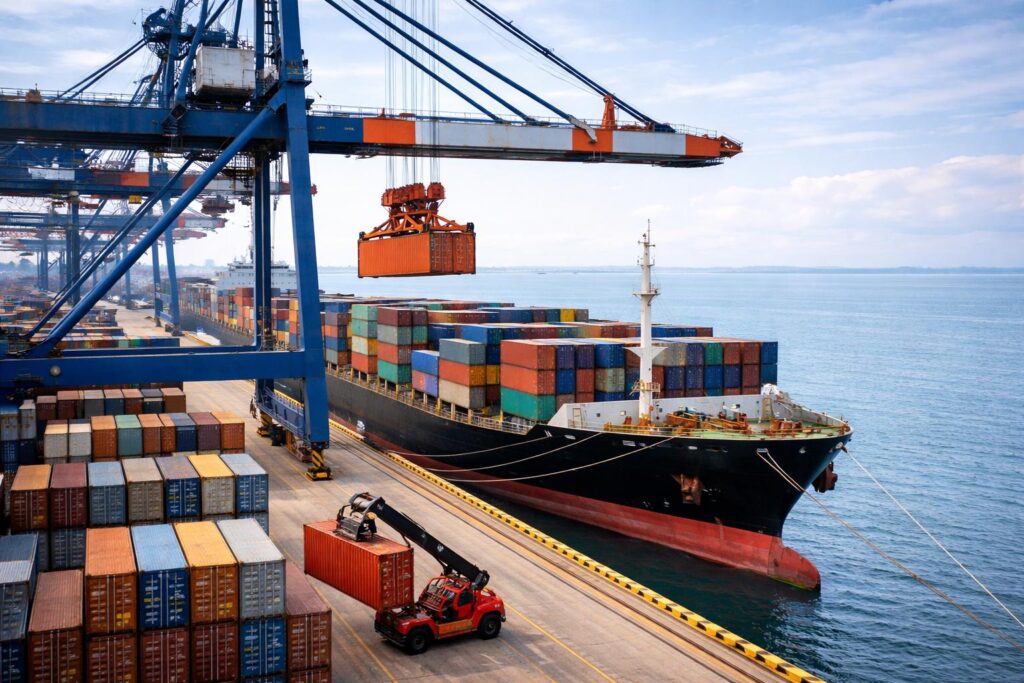
For larger orders, sea freight is usually the most economical option. It is suitable for cartons, pallets, furniture, machinery, household goods, textiles, building materials, and full container shipments.
Air freight is faster but more expensive. It is suitable for urgent cargo, high-value products, seasonal goods, or shipments between approximately 100 kg and 500 kg, depending on the cargo and destination.
DDP shipping from China can be useful for buyers who want door-to-door delivery with customs clearance and import duties handled as part of the service. Amazon FBA sellers often use DDP or door-to-door shipping to deliver goods directly to warehouses.
Customs Clearance Documents
Customs clearance usually requires accurate documents. Common documents include:
Commercial invoice
Packing list
HS code
Product description
Export documents
Certificate of origin if required
MSDS or battery documents for certain goods
Importer information
Destination address
Tax or import registration information when required
Incorrect product descriptions, undervalued invoices, missing documents, or unclear HS codes can cause delays, inspections, penalties, or extra costs.
Choose the Shipping Method Before Production Ends
Do not wait until the goods are ready before discussing freight. Carton size, gross weight, volume, packaging method, pallet requirements, shipping marks, and delivery address all affect shipping costs.
If you plan shipping early, your factory can prepare correct cartons, labels, documents, and loading arrangements.
Need help shipping products after your China sourcing trip? Tonlexing can arrange sample shipping, air freight, sea freight, DDP delivery, customs clearance, Amazon FBA shipping, and door-to-door shipping from China.
Travel Planning for Business Visitors in China
A sourcing trip also requires practical travel planning. Many buyers need to visit several factories in different cities, attend trade shows, meet suppliers, inspect samples, and arrange local transportation within a limited number of days.
Airport Transfer and Hotel Arrangements
Choose hotels based on your factory visit route, not only city center attractions. If your suppliers are in industrial areas, it may take one to two hours to travel from downtown hotels. Airport transfer, train station pickup, and local transportation should be arranged in advance, especially when visiting multiple factories in one day.
Factory Visit Route Planning
A good route can save a lot of time. For example, buyers visiting Guangzhou may also need to visit Foshan, Dongguan, Shenzhen, or Zhongshan. Buyers visiting Yiwu may combine it with Hangzhou, Ningbo, or Shanghai. A poorly planned route can waste entire days on the road.
Before arriving in China, confirm each factory address, meeting time, contact person, and expected visit duration.
Business Travel and Private City Visits
Some buyers combine factory visits with private city visits, family travel, or short cultural experiences after business meetings. This is common when buyers travel a long distance to China and want to make better use of the trip.
If your China sourcing trip also includes private city visits, family travel, airport transfers, or a customized itinerary after factory meetings, you can contact GoChinaQuest for China travel planning support.
Visa, Entry, and Communication Preparation
Entry policies may change, so business visitors should always check the latest visa or visa-free entry rules before departure. Prepare your passport, hotel information, supplier invitations if needed, meeting schedule, and local contact details.
Some overseas apps and websites may not work the same way in China, so prepare alternative communication tools in advance. WeChat, Alipay, translation tools, local SIM cards, and mobile data can make business travel smoother.
Business travelers can also review this China visa-free travel guide before planning their route.
China Sourcing Trip Checklist
Before your trip, prepare a clear checklist. This helps you stay organized and makes supplier meetings more productive.
Before Traveling to China
Prepare your target product list
Confirm product details and specifications
Research potential suppliers
Compare manufacturers and trading companies
Request initial quotations
Ask for business licenses and company information
Plan factory visit dates
Check trade show schedules
Prepare visa or entry documents
Book hotels near your supplier route
Arrange airport transfer or local transportation
During Factory Visits
Verify company name and factory address
Check business license and registration information
Inspect production line and equipment
Review raw materials
Check product samples
Review packaging standards
Ask about quality control processes
Confirm delivery capacity
Discuss payment terms
Confirm export experience
Take notes and photos when allowed
Before Placing an Order
Confirm product specifications in writing
Approve samples
Define quality standards
Confirm packaging and labeling
Discuss defect handling
Confirm payment terms
Plan inspection schedule
Choose shipping method
Estimate freight cost
Prepare customs documents
Before Shipping
Confirm carton size, weight, and volume
Check commercial invoice and packing list
Confirm HS code and product description
Arrange pre-shipment inspection
Confirm shipping marks and labels
Book air freight, sea freight, DDP, or express shipping
Prepare destination customs information
Track shipment after departure
Common Mistakes During a China Sourcing Trip
Many sourcing problems are avoidable. Here are the most common mistakes buyers should avoid.
Choosing Suppliers Only by Price
The lowest price is not always the best option. Extremely low prices may mean lower-grade materials, weaker packaging, poor quality control, or hidden costs. Compare price together with product quality, communication, factory capability, and export experience.
Not Visiting the Actual Factory
Some buyers visit only showrooms or offices and never see the production site. If factory capability is important, confirm that you are visiting the actual manufacturing location.
No Written Quality Standard
Without written standards, it is difficult to prove whether the supplier met your requirements. Always confirm product details, packaging, labels, materials, and inspection criteria in writing.
Ignoring Shipping Until the Last Minute
Shipping should not be an afterthought. If carton size, documents, labels, or customs requirements are wrong, your cargo may be delayed or become more expensive to ship.
Poor Communication After Returning Home
A sourcing trip is only the beginning. After you leave China, continue written communication with suppliers, confirm next steps, and keep your freight forwarder updated on production progress.
FAQ: China Sourcing Trip Guide
Yes, especially if your order value is high, your product requires customization, or you are working with a new supplier. A factory visit helps you verify supplier capability, check product quality, and reduce sourcing risks before production begins.
A simple sourcing trip may take 3 to 5 days if suppliers are located in one city. A more complete trip involving trade shows, multiple factories, quality checks, and several cities may take 7 to 14 days.
Check the business license, registration number, factory address, export experience, product track record, sample quality, communication ability, and willingness to accept factory visits or inspections. Do not rely only on online profiles.
Check the production line, raw materials, warehouse, packaging area, quality control process, sample room, export documents, management team, and communication process. Also confirm delivery capacity and product-specific requirements.
Start with approved samples, written product specifications, clear packaging standards, and a pre-shipment inspection. Quality control should be planned before production begins, not only after the goods are finished.
Yes. Samples can usually be shipped by express courier or air freight, depending on weight, size, value, and product type. Sensitive products such as batteries, liquids, magnets, or electronics may require additional documents.
For small urgent shipments, express courier or air freight may be suitable. For larger orders, sea freight is usually more economical. For door-to-door delivery with customs support, DDP shipping may be a practical option.
It is strongly recommended. A freight forwarder can help estimate shipping costs, review documents, explain customs clearance requirements, and choose the right shipping method before production is completed.
Final Thoughts
A successful China sourcing trip requires more than booking flights and visiting suppliers. You need to prepare product details, verify reliable Chinese suppliers, understand factory capabilities, manage quality control, respect Chinese business culture, plan negotiations carefully, and arrange shipping from China before the goods are ready.
For importers, Amazon sellers, e-commerce brands, and wholesalers, a well-planned sourcing trip can reduce quality issues, improve supplier relationships, and create a smoother supply chain.
Tonlexing helps overseas buyers arrange shipping from China after factory visits, trade shows, sample approvals, and bulk production. Whether you need express sample shipping, air freight, sea freight, customs clearance, DDP delivery, Amazon FBA shipping, or door-to-door logistics, planning early can save time, reduce costs, and avoid shipment delays.
Related China Shipping Guides
Get a Shipping Quote After Your Sourcing Trip
Sample shipping, air freight, sea freight, DDP, and FBA
Customs documents and shipping plan support
China-based logistics team
Ship samples or bulk orders after visiting suppliers in China. Tonlexing helps arrange reliable shipping from China to your destination.