3–10 days
Air Freight
Typical planning range$3.50–$10 / kg
- Best for
- Urgent, valuable or time-sensitive cargo
- Charge basis
- Greater of actual or volumetric weight


Compare shipping costs from China by destination and freight method. Explore air, sea, rail, express and DDP options, understand transit times and cost factors, or request an accurate quote for your cargo.
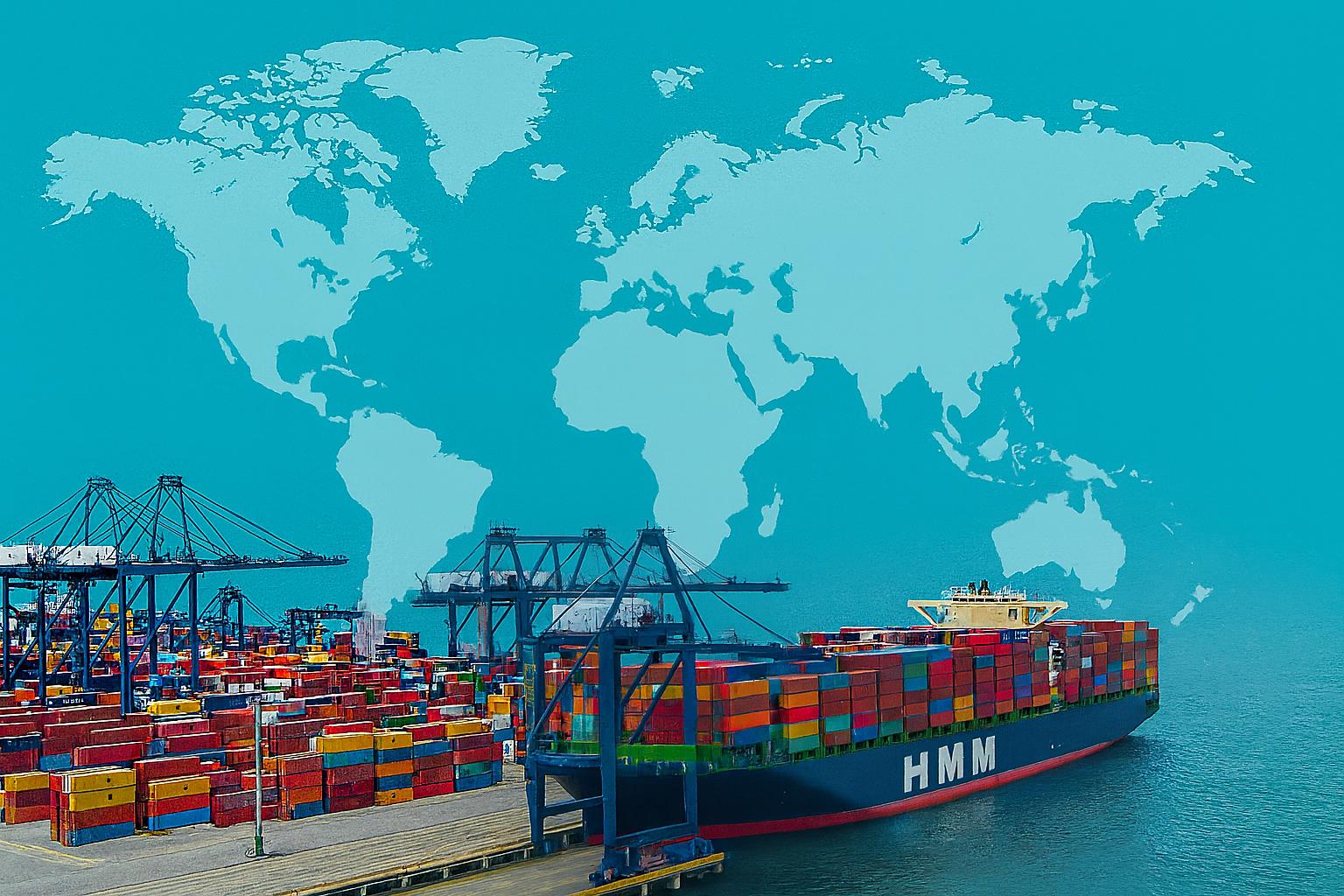
Use these broad 2026 shipping rates and cost benchmarks to compare freight methods before requesting a route-specific quote. Final rates depend on destination, chargeable weight, cargo type, season and delivery terms.
Planning reference only. All dollar figures are in USD. Except for a confirmed DDP quote, these ranges normally exclude customs duties, taxes, destination charges, insurance and final delivery. Freight markets change with route capacity and season.
Select a destination to compare route-specific air freight, sea freight, rail, express and DDP cost benchmarks. Each guide also explains transit times, local gateways and the charges that may affect your landed cost.
Country guides provide planning benchmarks—not one fixed global rate. Compare the same cargo size, shipping method, Incoterm and delivery scope before choosing an option.
Start with the routes most frequently requested by importers shipping from China.
West Coast, East Coast, air cargo and nationwide door-to-door options.
Vancouver, Toronto and Montreal route benchmarks with customs guidance.
Sea, air, rail and door delivery rates for major UK freight gateways.
Hamburg, Frankfurt and China–Europe rail cost comparisons.
Rotterdam and Schiphol rates for Dutch and wider EU distribution.
Jebel Ali, Dubai and Abu Dhabi freight and door-delivery options.
Jeddah, Dammam and Riyadh freight rates with import-cost guidance.
Sydney, Melbourne and Brisbane air, sea and express benchmarks.
Manzanillo, Mexico City and door-to-door route cost comparisons.
Le Havre, Marseille and Paris air, sea and door-delivery benchmarks.
Cross-border trucking, declaration handling, cargo weight or CBM and the final delivery address determine the 2026 total. This corridor is quoted separately from the international country routes below.
Choose a region, then open the country page for route-specific rates, transit times and shipping options.
Need an exact route price? Send the pickup city, destination, product name, carton dimensions, total weight and preferred Incoterm. We will confirm the available method and current market rate.
There is no single worldwide freight rate. Your final shipping cost is determined by the route, transport method, chargeable size, cargo requirements, market conditions and the services included in the quote.
Important: The exact inclusions depend on the Incoterm and service scope. A port-to-port, airport-to-airport or door-to-door quote will not contain the same cost items.
Pickup city, export gateway, destination port or airport, route frequency and the final delivery postcode all affect the rate.
Express and air prioritize speed, while sea and rail trade longer transit times for lower unit costs on suitable cargo.
Actual weight, carton dimensions, total CBM and container utilization determine the chargeable quantity used for pricing.
Batteries, liquids, fragile, oversized, high-value or temperature-sensitive goods may require approval, special packing or extra handling.
Peak seasons, holidays, carrier capacity, fuel adjustments and market demand can change rates and quote validity.
HS classification, customs clearance, duty, tax, insurance, terminal handling and door delivery depend on the destination and Incoterm.
Next step: Calculate your shipment's CBM and chargeable weight before comparing freight quotes. The calculator below estimates shipment size, not the final market rate.
Use one packed carton size to estimate total CBM and the billing quantity commonly used for air freight, express or sea LCL shipping from China.
Use the packed dimensions and gross weight of one carton or piece.
This is a planning estimate, not a freight quotation. Carriers may apply different divisors, dimension rounding, chargeable-weight rounding, minimum charges or route-specific weight/measurement rules.
The cheapest method depends on cargo size, urgency, destination and the service included. Compare how each option is charged before choosing a route or requesting a freight quote.
Ocean freight normally gives the lowest transportation cost per unit for commercial cargo. The key decision is whether to share container space with LCL or book a complete container with FCL.
Usually suited to about 1–15 CBM. Pricing is commonly based on CBM or the carrier's weight/measurement rule, plus consolidation and local charges.
Understand LCL costsCharged by container size, port pair, carrier and season. It often becomes more economical as volume approaches a practical full-container load.
Understand FCL costsAir cargo is priced on chargeable weight—the greater of the shipment's total actual weight and total volumetric weight. It is usually the practical choice for urgent commercial shipments from about 45 kg upward.
DHL, FedEx and UPS combine transport, customs processing and door delivery. Express is easy to arrange, but the cost per kilogram is normally higher than standard air freight. China Post or EMS may suit some low-value, non-urgent parcels, but transit time, tracking and service scope differ.
Rail sits between air and sea for many China–Europe and Central Asia routes. It can reduce transit time without paying the premium of air cargo.
DDP combines an available air, sea or rail route with customs clearance, duties and delivery under an agreed scope. It requires a route-specific quote rather than one global price.
Send the pickup city, destination, product, total weight, carton dimensions and preferred delivery terms.
Lowering freight cost is not simply choosing the lowest advertised rate. The most reliable savings come from controlling chargeable volume, combining orders, selecting the right service scope and preventing avoidable charges.
A low base freight rate can become expensive after pickup, handling, customs, tax, destination and final-delivery charges are added. Compare quotations with the same route, cargo data, Incoterm and delivery scope.
Airlines and couriers charge the greater of actual and volumetric weight, while LCL cost is strongly affected by CBM. Oversized cartons and unused space can raise the chargeable amount.
Sending several small shipments separately can repeat pickup, documentation, handling and minimum-charge costs. Combining cargo may improve the rate per unit and simplify coordination.
Paying for faster transport only makes sense when the inventory, production or delivery deadline justifies it. When cargo can wait, sea or rail may reduce the transportation cost.
Capacity can tighten before Chinese New Year, Golden Week and year-end demand peaks. Late bookings reduce routing choices and can expose cargo to higher rates or rollover risk.
Two quotations are not comparable when one is port-to-port and another is door-to-door, or when customs, destination fees, duty and tax are treated differently.
Incorrect cargo data, incomplete documents, product restrictions or delayed clearance can create inspection, amendment, storage, demurrage or redelivery costs.
Confirm these items in writing so the comparison reflects the same shipment and the same delivery responsibility.
Send the same cargo data once and receive a route recommendation based on cost, timing and delivery scope.
These answers explain the main cost, timing and quotation rules importers should understand before booking. Final rates still depend on the route, cargo and agreed delivery scope.
As a broad 2026 planning range, standard air freight from China may cost about $3.50–$10 per kg, express courier about $5–$15 per kg, sea LCL about $45–$200 per CBM, and sea FCL about $1,800–$8,000 per container. These are not fixed worldwide rates. The final cost depends on the origin, destination, cargo type, packed weight and dimensions, season, Incoterm and delivery scope. Use the country shipping cost hub for route-specific planning, then obtain a confirmed quotation for the actual shipment.
Sea freight normally provides the lowest transport cost per unit for bulk commercial cargo. LCL is commonly used for shipments of about 1–15 CBM, while FCL can become more economical as volume increases. For a very small urgent parcel, express may be more practical after minimum handling and pickup charges are considered. Compare the full landed total, not only the base freight rate.
Express courier is usually fastest at about 3–7 days, followed by air freight at roughly 3–10 days. Rail commonly takes 12–25 days and sea freight about 20–45 days. These are planning ranges; pickup, export handling, customs clearance, transfers and final delivery can extend the total door-to-door time. See the shipping method comparison before selecting a service.
Total cost can include the main freight, origin handling, fuel or carrier surcharges, destination charges, customs clearance, duty and tax, insurance and final delivery. Air and express use chargeable weight; LCL is generally based on CBM or weight/measurement rules; FCL is quoted by container and route. Every quote should state what is included and excluded.
Chargeable weight is normally the greater of actual gross weight and volumetric weight, also called dimensional weight. A common air-freight formula is length × width × height in centimeters ÷ 6,000, while express carriers often use ÷ 5,000; the booked carrier's rule controls. Use the CBM and chargeable weight calculator for planning, not as a final freight quote.
Yes. For Tonlexing commercial quotations, standard air freight and many fast-line DDP services generally start from 45 kg, while sea and rail LCL generally start from 1 CBM. Courier and selected DDP products may accept smaller shipments, but carrier minimum billing and route restrictions can still apply.
LCL shipping is usually practical when the cargo does not justify a full container, often around 1–15 CBM. FCL shipping provides exclusive container use and may become better value as volume rises. Compare ocean freight, consolidation, destination handling, delivery, timing and cargo risk—not CBM alone.
They are normally excluded from port-to-port or airport-to-airport freight unless the quotation clearly says otherwise. DDP shipping is designed to include the agreed customs, duty and delivery scope, but the written quote must still identify whether VAT or GST, remote delivery, inspections and special handling are included or excluded.
Common additions include pickup, export documentation, terminal or airport handling, fuel, security, peak-season, destination handling, customs clearance, duty and tax, residential or remote delivery, insurance, inspection, storage, demurrage and redelivery. Product restrictions or incorrect cargo data can also create amendment and handling costs.
The quotation should show its own validity date. Air and express rates can change quickly with capacity and fuel adjustments, while ocean rates may be tied to a sailing or carrier rate window. Reconfirm the price before pickup or booking whenever the shipment date, cargo details, dimensions, destination or delivery scope changes.
Planning note: Published prices and transit times are reference ranges. A confirmed quotation requires the pickup city, destination, product name, carton count, total weight, packed dimensions, preferred method, Incoterm and customs or DDP requirement.
WhatsApp us