Related Guide
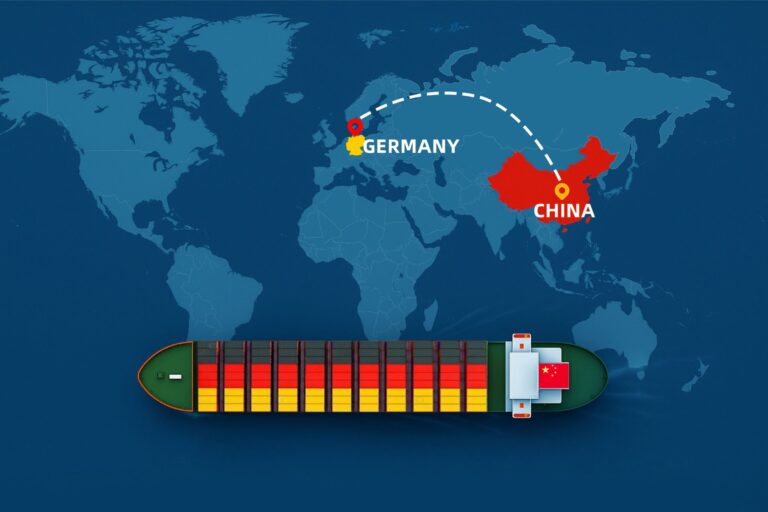
Shipping from China to Germany
Shipping from China to Germany includes efficient logistics via air and ocean freight. Compare transit times, shipping costs, and import requirem...
Read guide →

Shipping cost from China to Germany in 2026 typically starts from $45 per CBM for LCL sea freight, $2,520–$3,080 for a 20GP container, $4,635–$5,665 for a 40GP container, and $7–8 per kg for air freight, depending on shipment size, shipping method, and destination.
For large shipments, sea freight is usually the most cost-effective option. For faster delivery, importers can choose rail freight, air freight, or express shipping based on cargo urgency, budget, and final delivery requirements.
Choosing the right shipping method helps reduce total shipping cost, avoid customs delays, and ensure smoother delivery from China to Germany.
Shipping method / Mode
Transit time range
DDP / Door to Door
For large shipments, sea freight is usually the most cost-effective option, especially for full container loads to Hamburg, Bremen, or Bremerhaven. Rail freight is a good alternative when importers need faster delivery than ocean freight but want lower costs than air freight. Air freight and express shipping are better suited for urgent goods, samples, documents, and high-value cargo.
| Shipping Mode | Cost from China to Germany | Best For |
|---|---|---|
| Sea Freight 20GP Container | $2,520–$3,080 | Bulk cargo, full container load |
| Sea Freight 40GP Container | $4,635–$5,665 | Large shipments, lower unit cost |
| LCL Sea Freight | From $45/CBM | Small and medium cargo |
| Rail Freight 20GP | $4,770–$5,830 | Faster delivery than sea freight |
| Rail Freight 40GP | $7,000–$9,000 | Large shipments to inland Germany |
| Rail LCL Freight | Around $210/CBM | Medium-volume shipments |
| Air Freight | $7–8/kg | Urgent and high-value goods |
| Express Shipping | $11–12/kg | Samples, documents, small parcels |
These rates are market references only. Final shipping prices may change depending on cargo type, chargeable weight, container space, fuel cost, peak season, customs requirements, and final delivery service.
Choosing the right shipping method is essential to balancing cost, speed, and efficiency. Depending on your cargo volume, delivery time, and budget, there are three primary options to consider when shipping goods from China to Germany: air freight, sea freight, and rail freight.
Air freight is the fastest option for urgent shipments or high-value goods. It’s particularly useful for electronics, luxury items, or small-volume cargo requiring express delivery. Air freight typically takes 3 to 7 days for shipment from China to Germany. Rates can start from $3.00 per kg for shipments over 1000 kg as of April 2025.
Popular origin airports in China:
Main destination: Frankfurt International Airport (FRA), the hub for Germany air freight.
If you prefer door to door delivery, some freight forwarders offer DDP air shipping with customs clearance and delivery included.
Sea freight is ideal for businesses shipping bulk goods or full containers. It offers the lowest shipping cost per unit, especially for heavy or voluminous cargo.
Common Chinese ports: Shanghai, Shenzhen, Ningbo, Qingdao
Main destination ports in Germany: Hamburg, Bremerhaven
Sea transit time typically ranges from 28 to 40 days, depending on routing and customs delays. Despite longer delivery times, ocean shipping remains a cost effective option for many importers.
Rail freight is an increasingly popular method of freight from China to Europe, offering a good balance between cost and speed. It’s faster than sea but more affordable than air, making it ideal for time-sensitive B2B deliveries.
Typical rail routes:
Rail shipments use the Eurasian Land Bridge, providing more stable supply chains compared to sea routes affected by port congestion.
Understanding the full picture of shipping costs is essential for budgeting, pricing, and supply chain planning. Depending on your shipping method—air, sea, or rail—the costs will vary based on cargo weight, container load, delivery urgency, and whether you need door to door services. Import taxes and duties significantly affect the total cost of importing goods from China to Germany, with VAT in Germany being 19% of the item value plus shipping costs.
Below is a breakdown of estimated shipping rates for 2026 from China to Germany:
Sea freight is usually the most cost-effective shipping method for large and heavy cargo from China to Germany. It is suitable for full container loads, bulk goods, machinery, furniture, building materials, auto parts, and other commercial shipments that do not require urgent delivery.
| Sea Freight Mode | Destination | Estimated Cost |
|---|---|---|
| 20GP Container | Hamburg/Bremen | $2,520–$3,080 |
| 40GP Container | Hamburg/Bremen | $4,635–$5,665 |
| LCL Sea Freight | Hamburg/Bremen | From $45/CBM |
Sea freight rates may change depending on the loading port in China, destination port in Germany, container availability, vessel space, fuel surcharge, port congestion, and peak season demand. For an accurate quote, importers should provide cargo details, pickup address, destination address, total weight, volume, and preferred shipping schedule.
The following baseline pricing applies to shipments departing major Chinese rail terminals (such as Xi’an, Zhengzhou, or Suzhou) bound for Germany:
| Shipping Option | Average Market Rate | Average Transit Time |
|---|---|---|
| 20GP FCL Container | $4,770–$5,830 | 12–14 days |
| 40GP/HQ FCL Container | $7,000–$9,000 | 12–14 days |
| Rail LCL (per CBM) | $210 / cubic meter | 12–14 days |
| Rail DDP | $2.50 / kg | 15–22 days |
Rail freight is a reliable option for importers who want a balance of cost, transit time, and inland delivery. It delivers cargo to major logistics hubs in Germany such as Duisburg, Hamburg, Munich, Berlin, and Cologne.
Air freight is the fastest shipping option for urgent cargo, high-value goods, electronics, spare parts, fashion products, and samples. It is generally more expensive than sea or rail freight but significantly reduces transit time.
Air freight charges are based on chargeable weight, which is the higher of actual weight or volumetric weight. The typical volumetric weight formula is:
Length × Width × Height / 6000 = Volumetric Weight (kg)
For example, a carton measuring 60 × 50 × 40 cm would have a volumetric weight of 20 kg. If the actual weight is 15 kg, the airline charges based on 20 kg.
| Weight Tier / Service | Average Cost per KG (USD) |
|---|---|
| 100 kg Cargo | $6.50–$10.00 |
| 300 kg Cargo | $5.00–$5.50 |
| 500+ kg Cargo | $4.30–$4.80 |
| 1,000+ kg Bulk | $4.69–$7.30 |
| Air DDP (Duty Paid) | $4.70–$5.60 |
Express shipping is best for small parcels, samples, documents, and urgent lightweight goods. It is usually faster and more convenient than standard air freight because pickup, customs handling, and final delivery are often included in one service.
| Shipment Weight | Average Cost per KG |
|---|---|
| 1 kg Box | $40.00+/kg |
| 5 kg Box | $22.00–$26.00/kg |
| 21–49 kg | $8.50–$11.50/kg |
| 100 kg+ Bulk | $7.50–$9.00/kg |
Beyond base shipping rates, consider these additional costs:
Working with a professional freight forwarder ensures you’re aware of the full landed cost—not just the freight quote.

When shipping goods from China to Germany, navigating the customs clearance process correctly is essential to avoid delays and penalties. As Germany is part of the European Union, importers must comply with EU-wide customs regulations and local requirements. The importer is responsible for ensuring that all applicable customs clearance documents are provided.
To complete customs clearance in Germany, the following documents are typically required:
The mandatory customs clearance documents when importing into Germany include these items.
Your freight forwarder or logistics provider will usually manage this paperwork on your behalf, especially if you opt for door to door shipping or customs clearance services.
Germany applies customs duties based on the product’s HS code and the CIF value (Cost + Insurance + Freight). In addition to duties, all goods are subject to:
You can calculate your import duties via the TARIC system, or work with a professional freight forwarder who handles it as part of an all-inclusive service.
Tip: DDP (Delivered Duty Paid) shipping is the easiest option for small businesses—your forwarder handles all customs clearance, duties, and delivery to your door.
A reliable freight forwarder helps you:
This makes them an essential partner for smooth delivery, especially for first-time importers or complex B2B shipments.
For businesses and individuals seeking a comprehensive service that removes the complexities of international trade, door to door shipping is the most convenient solution. It includes everything from pick-up at the Chinese supplier to final delivery at your address in Germany. Delivered Duty Paid (DDP) services streamline the shipping process by including all taxes and duties in one upfront cost.
This door to door service is ideal for:
A standard door shipping service from China to Germany typically includes:
Sea freight includes full container load (FCL) and less than container load (LCL) options. It is the most cost-effective solution for shipping goods from China to Germany, especially for bulk cargo.
Selecting the right freight forwarder is one of the most important decisions when managing international shipping. A qualified forwarder not only handles the logistics but also helps reduce logistics costs, avoid customs delays, and improve overall delivery performance.
A professional freight forwarder acts as your logistics partner, responsible for:
They work with carriers, customs agents, and ground transport providers to ensure smooth shipping of goods across borders.
When evaluating a freight forwarding service to Germany, here’s what to check:
At Tonlexing, we provide:
Whether you need LCL, FCL, or express air cargo, we’re here to ensure smooth delivery and cost-efficient results.
The most cost effective option depends on your cargo volume and urgency:
If you’re unsure, consult with a freight forwarder to evaluate your best-fit shipping options.
As of June 2026, LCL sea freight from China to Germany starts from around $45/CBM. A 20GP container to Hamburg or Bremen costs about $2,520–$3,080, while a 40GP container costs about $4,635–$5,665. Air freight is usually around $7–8/kg, and express shipping is around $11–12/kg.
Sea freight usually takes around 30–40 days, rail freight usually takes around 15–25 days, air freight usually takes around 3–7 days, and express shipping usually takes around 3–5 days. The actual transit time depends on the route, customs clearance, and final delivery address.
Yes, while not mandatory, insurance costs are recommended, especially for shipping cargo that is high-value, fragile, or time-sensitive. Insurance typically costs 0.3% to 0.6% of the declared cargo value and protects you against loss or damage during transport.
Express shipping (DHL, UPS, FedEx) offers fast door to door delivery (3–5 days) with customs clearance included. It’s ideal for urgent or lightweight shipments.
Standard courier service may take longer (5–10 days) and is better for less time-sensitive packages.
Useful freight, customs and importing resources related to this shipping guide.
Shipping from China to Germany includes efficient logistics via air and ocean freight. Compare transit times, shipping costs, and import requirem...
Read guide →
Sea Freight From China to Germany Verified & Reviewed · Last updated April 2026 Sea freight from China to Germany remains one of the most cost ef...
Read guide →
Shipping from China to Germany involves multiple logistics steps, including choosing the right transport method, calculating import duties, and e...
Read guide →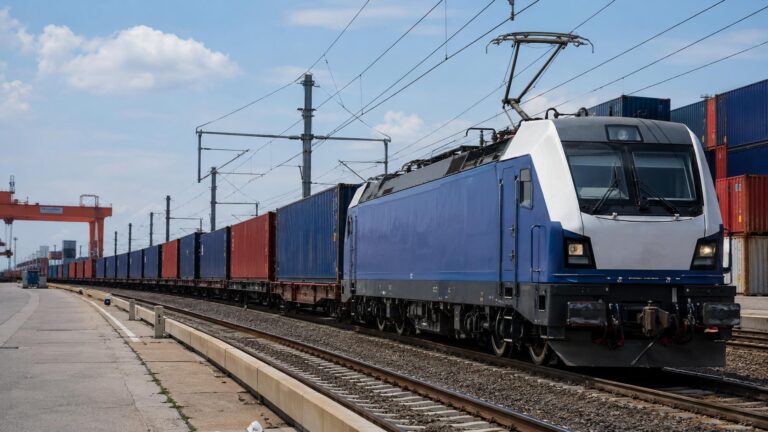
Rail Freight from China to Germany Verified & Reviewed · Last updated June 2026 Rail freight from China to Germany offers a balanced shipping sol...
Read guide →DDP Shipping from China to Germany Verified & Reviewed · Last updated June 2026 DDP shipping from China to Germany helps importers manage the ful...
Learn more → Useful Resource 20ft & 40ft Container Shipping Costs from China to Germany20ft & 40ft Container Shipping Costs from China to Germany Verified & Reviewed · Last updated June 2026 20ft 40ft Container Shipping Costs from C...
Learn more →WhatsApp us