

Door to Door Shipping From China to Germany
- Verified & Reviewed · Last updated April 2026
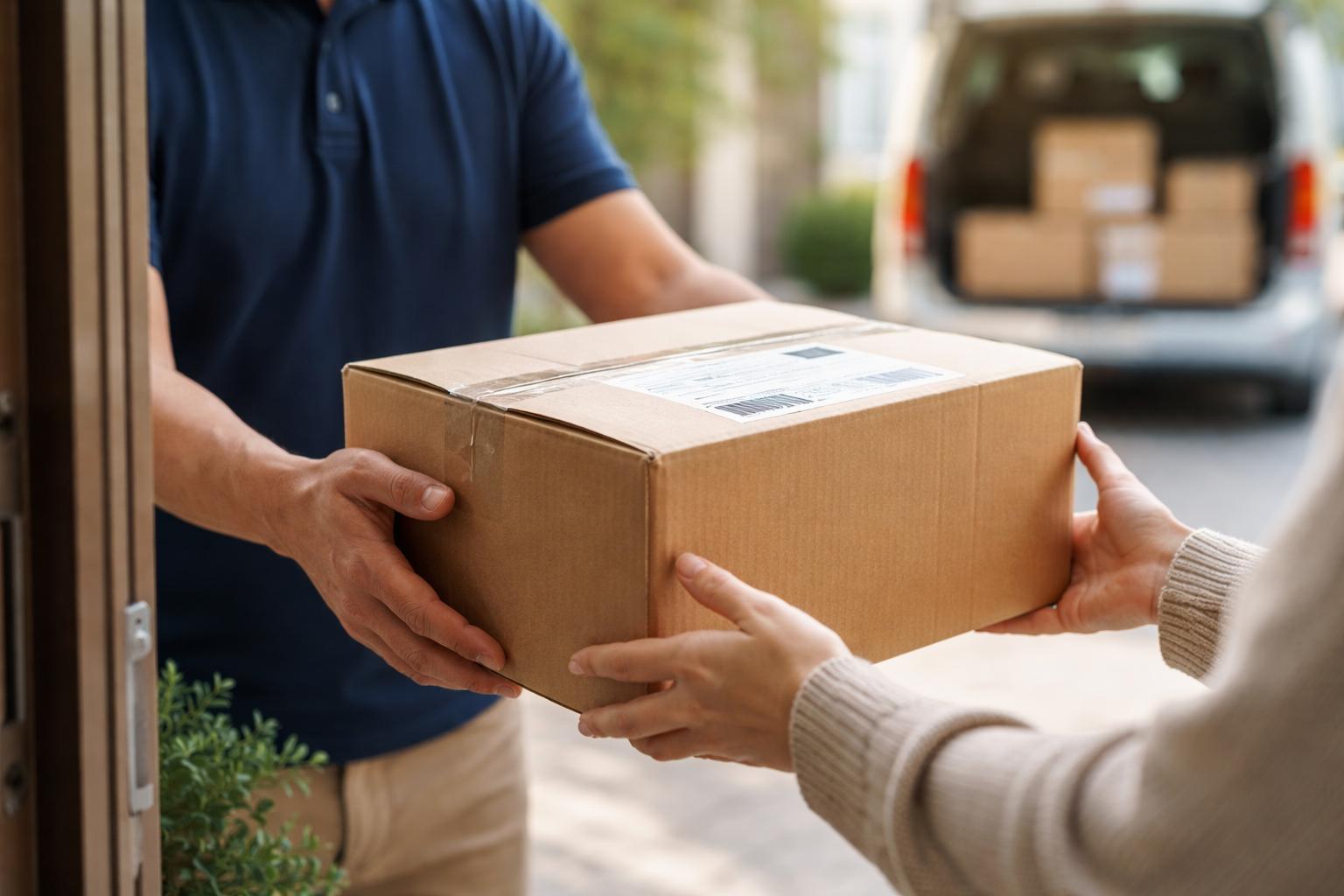
Door to door shipping from China to Germany covers pickup in China, international transport, customs clearance, and final delivery to the consignee address.
This guide explains door to door shipping from China to Germany, including air freight, sea freight, rail freight, shipping costs, customs clearance, transit times, and delivered duty paid options for different cargo types.
Shipping Costs
Transit Times
Customs Clearance
- Experienced China-based logistics specialists
Table of Contents
What Is Door to Door Shipping From China to Germany
Door to door shipping means the freight forwarding company arranges the entire movement of cargo from the shipper’s address in China to the consignee’s address in Germany. This comprehensive service usually covers factory pickup, export handling, customs documentation, international transport, import clearance, and final delivery.
For importers, this approach reduces coordination work and makes supply chain management easier. Instead of booking separate transportation services, customs broker support, and last-mile delivery, the customer works with one professional freight forwarder that manages the full process.
Door to door shipping from China to Germany is widely used for:
commercial cargo
eCommerce replenishment
Amazon FBA related deliveries
samples and urgent delivery
industrial products
consumer goods
pallet cargo
bulk commodities
A strong door to door service can also include tracking services, customs support, cargo inspection coordination, and additional services based on the shipment type.
To avoid surprises, always request a clear cost breakdown covering:
Ocean freight
Origin handling in China
Destination port charges in Libya
Free time, storage, demurrage, and detention rules
Faster cargo release and prompt container pickup often save more money than negotiating a small discount on ocean freight.
Why Door to Door Shipping Is Popular for Germany Shipping
Many buyers prefer door to door shipping because Germany shipping often involves more than just booking freight space. The shipment may pass through export review in China, air transport or ocean freight handling, customs duties assessment, tax payment, and local door delivery after import clearance.
By choosing door to door delivery, importers can reduce operational pressure and improve visibility over the full shipping process. This is especially useful for companies that do not want to manage multiple providers or do not have an internal logistics team.
The main advantages include:
easier shipping process
more predictable transit times
clearer responsibility for final delivery
reduced coordination across multiple parties
better customs clearance process support
improved control over shipping goods internationally
For many businesses, the biggest value is not only convenience but also fewer mistakes during international logistics.
Main Shipping Modes From China to Germany
The best shipping method depends on cargo volume, urgency, budget, and product type. For door to door shipping from China to Germany, the most common shipping modes are express courier, air freight, rail freight, and sea freight.
Express Courier for Small and Urgent Shipments
Express courier is usually the fastest option for small parcels, documents, samples, and urgent shipments. It is commonly used when the cargo is lightweight and the delivery deadline is tight.
This option is suitable for:
urgent delivery
small cartons
samples
high value goods
products that need very fast door delivery
Express courier usually offers full tracking services and direct handling, which helps ensure timely delivery. However, it is normally the most expensive shipping method on a per kilogram basis.
Air Freight Door to Door Service
Air freight is a preferred solution when the shipment is too large for courier service but still needs relatively fast transit. Germany air freight is often chosen for medium-weight commercial cargo, urgent stock replenishment, electronics, and time-sensitive orders.
Air freight works well when:
delivery speed is important
cargo value is relatively high
the business wants shorter shipping time than rail or sea
the shipment is commercial but not large enough for full container load planning
Standard air freight and express air freight can both be arranged depending on urgency, budget, and destination requirements. For many importers, air freight offers a strong balance between speed and shipment security.
Rail Freight for Balanced Cost and Speed
Rail freight has become an important middle option for shipping from China to Germany. It is generally faster than sea freight and cheaper than air transport, making it attractive for medium and large B2B shipments.
Rail freight is often a good choice for:
regular commercial cargo
pallet cargo
products with moderate urgency
businesses looking for cost savings
importers who want more stable transit times than ocean freight
For many European routes, rail freight supports a practical balance between shipping costs and delivery speed.
Sea Freight for Large and Cost-Focused Cargo
Sea freight remains one of the most widely used options for china to germany shipping, especially for larger shipments. It is suitable for businesses that prioritize lower freight cost over speed.
Sea freight is ideal for:
heavy cargo
bulk cargo
bulk commodities
large purchase orders
shipments that are not urgent
There are two main sea freight models.
Less Than Container Load
Less than container load is suitable when your shipment does not fill an entire container. In this model, the cargo shares container space with other shipments.
It is commonly used for:
smaller commercial shipments
low to medium volume cargo
buyers who want sea freight without booking an entire container
Full Container Load
Full container load is used when the shipper has enough cargo to use an entire container or wants more control over cargo handling. FCL sea freight is usually better for larger orders, factory shipments, and regular business imports.
This option helps when:
the cargo volume is high
the buyer wants to use an entire container
product protection is important
the business wants better unit freight cost on larger volume
Germany sea freight and germany ocean freight services are especially suitable for companies importing stable cargo volumes over time.
Door to Door Shipping Time From China to Germany
Shipping time depends on the shipping method, cargo type, route, customs procedures, season, and final destination in Germany. Transit times can also change because of flight schedules, rail capacity, vessel space, destination handling, and import clearance.
Here is a practical overview of common transit times for door to door shipping from China to Germany:
| Shipping Method | Typical Transit Time | Suitable For |
|---|---|---|
| Express courier | 3 to 7 days | Documents, samples, urgent shipments |
| Air freight | 7 to 15 days | Commercial cargo, urgent stock |
| Rail freight | 16 to 28 days | Medium and large B2B cargo |
| Sea freight LCL | 35 to 50 days | Small but non-urgent sea shipments |
| Sea freight FCL | 30 to 45 days | Large volume cargo |
Actual transit times vary depending on pickup city, destination city, customs clearance process, and local final delivery arrangements. During busy seasons, shipments arrive later than planned if there is congestion at ports, terminals, or customs checkpoints.
Shipping Costs From China to Germany
For door to door shipping from China to Germany, the total cost is not based on freight alone. The final quote usually depends on the shipping method, cargo weight or volume, pickup location, delivery address in Germany, customs clearance arrangements, and whether duties and taxes are included, so importers should compare the full service scope rather than looking only at the base transport price.
Estimated Cost by Shipping Method
The table below shows practical cost references for shipping from China to Germany under different transport methods. These figures are suitable for budgeting, but the final quote may still vary depending on cargo details, service level, and destination requirements.
| Shipping Method | Charging Unit | Estimated Cost | Suitable For |
|---|---|---|---|
| Sea Freight FCL 20GP | Per container | USD 1,600–2,100 | Large commercial cargo and regular bulk shipments |
| Sea Freight FCL 40GP | Per container | USD 2,700–3,500 | High-volume cargo and factory orders |
| Sea Freight LCL | Per CBM | USD 45/CBM | Smaller shipments that do not require a full container |
| Rail Freight FCL 20GP | Per container | USD 4,500–5,30 | Importers looking for a balance between cost and speed |
| Rail Freight LCL | Per CBM | USD 160–200/CBM | Medium-volume cargo with better speed than sea freight |
| Air Freight | Per kg | USD 4–7/kg | Urgent shipments and high value goods |
| International Express | Per kg | USD 9+/kg | Samples, documents, and very urgent door to door delivery |
What Is Usually Included in Door to Door Shipping Costs
Besides freight charges, the total landed cost may also include:
Import duty: usually 0% to 16%
German import VAT: usually 19%
Fuel surcharge: often 20% to 30% of air freight cost
Peak season surcharge: may rise by 15% to 30%
DDP service: may include duty, VAT, customs clearance, and final delivery
Delivered Duty Paid Shipping From China to Germany
Delivered duty paid is one of the most requested service terms in door to door shipping from China to Germany. Under delivered duty paid terms, the logistics provider or seller arranges transportation and usually handles the import side charges as agreed, including customs duties and import taxes.
This shipping model is popular because it gives buyers a simpler import experience. Instead of arranging duty payment and tax payment separately, they receive a more complete quote with fewer unknowns.
Delivered duty paid is often suitable for:
small and medium businesses
first-time importers
eCommerce sellers
customers without import clearance experience
businesses that want predictable shipping costs
Even with delivered duty paid service, it is still important to confirm the customs clearance process, importer responsibility, and document accuracy before shipment.
Customs Clearance and Shipping Documents
For imports from China to Germany, customs clearance and document accuracy directly affect whether cargo can be released on time and moved to final delivery without unnecessary delay. Even when international transport is arranged well, missing or inaccurate paperwork can still create problems at the import stage.
Customs Clearance Process
After the cargo arrives, customs will review the declaration details before approving release. The process usually includes product classification, document review, customs duties assessment, import tax review, and import clearance coordination. For smooth clearance, the declared product information should match the actual goods. Clear descriptions, correct values, and consistent paperwork help reduce the risk of inspection, delay, or extra charges.
Common Causes of Clearance Delays
Most customs delays are caused by document issues rather than transport problems. Common reasons include:
incomplete paperwork
incorrect product descriptions
wrong declared values
missing compliance documents
mismatch between invoice and packing list details
Because of this, many importers choose an experienced freight forwarder or customs broker who understands German import requirements and can help reduce clearance risks.
Required Shipping Documents
For most shipments, the core documents include:
commercial invoice
packing list
bill of lading or air waybill
customs declaration information
importer details
product compliance documents when required
The commercial invoice should clearly show the product name, quantity, and declared value. The packing list should include packaging details, weight, dimensions, and carton count. For regulated goods, additional compliance documents may also be required before import release in Germany.

Major Chinese Ports and Shipping Routes
For door to door shipping from China to Germany, the choice of departure hub and international route can directly affect freight cost, schedule stability, customs coordination, and final delivery efficiency. A clear route plan helps importers choose the right shipping method and improve the overall shipping process.
Major Chinese Ports and Export Hubs
The main export hubs for shipping from China to Germany include:
Shanghai
One of the busiest export gateways in China, suitable for large-volume sea freight shipments.Shenzhen
A major South China port and logistics center, widely used for commercial cargo and regular export shipments.Ningbo
Commonly used for container shipping, with strong support for both full container load and less than container load cargo.Qingdao
An important northern export port, often used for industrial products and commercial goods.Guangzhou
A key shipping hub in South China, suitable for both sea freight and air freight arrangements.Xiamen
Frequently used for export cargo from southeastern China, especially for regional factory shipments.Chengdu, Chongqing, Xi’an, Zhengzhou, and Wuhan
Important inland hubs for rail freight from China to Germany, suitable for cargo that needs a balance between cost and transit time.Shanghai Pudong, Shenzhen, Guangzhou, Beijing, and Hong Kong
Major airport gateways for air freight, often used for urgent shipments, high value goods, and time-sensitive cargo.
Main Shipping Routes From China to Germany
The main shipping routes used in door to door delivery include:
Sea freight route
Cargo usually departs from major Chinese coastal ports, passes through Southeast Asia, crosses the Indian Ocean, moves through the Suez Canal, and then enters Northern Europe.Main destination seaports
Hamburg and Bremerhaven are two of the most important ports for Germany sea freight, with strong inland connections for trucking, warehousing, and final delivery.Rail freight route
Rail cargo usually moves from inland Chinese logistics hubs through Central Asia and Eastern Europe before entering Germany.Air freight route
Air cargo is usually flown from major Chinese airport hubs to key European cargo gateways, then cleared through customs and transferred for final delivery in Germany.Why routes matter
The right route can improve shipping time, reduce disruption risk, support better customs clearance efficiency, and make shipping from China to Germany more predictable.
How to Choose the Best Shipping Method
The best shipping method depends on your business priorities. There is no single solution that fits every shipment.
Choose express courier when:
the shipment is very urgent
the cargo is small
you need strong tracking services
speed matters more than cost
Choose air freight when:
you need faster delivery for commercial cargo
the shipment is too large for courier
the cargo value supports faster transport
Choose rail freight when:
you want balanced transit times and pricing
the goods are commercial and moderately urgent
cost savings matter but sea is too slow
Choose sea freight when:
the goods are heavy or bulky
the shipment is not urgent
you want lower unit shipping costs
you are moving full container load cargo or larger LCL volume
A good freight forwarder should help compare shipping modes based on cargo value, delivery target, cost control, and customs complexity.
Why a Reliable Freight Forwarder Matters
A reliable freight forwarder plays a major role in the success of door to door shipping from China to Germany. The right partner is not just arranging freight space. A professional freight forwarder helps manage pickup, booking, customs documentation, international transport, import clearance, final delivery, and exception handling.
A good freight forwarding company can offer:
clear shipping process management
competitive rates
customs support
stable carrier resources
full tracking services
better communication
support for urgent shipments
stronger coordination for final delivery
For many importers, the difference between a smooth shipment and a delayed shipment comes down to whether the logistics partner has real international shipping experience and strong execution.
How Door to Door Shipping Supports Better Supply Chain Management
Door to door service does more than move cargo. It can also improve supply chain management by reducing uncertainty across the import cycle.
When the shipping process is managed by one experienced team, businesses can:
reduce communication gaps
improve delivery planning
avoid repeated handling errors
manage shipping costs more effectively
improve customs clearance efficiency
increase the chance that goods arrive safely
This is particularly important for companies with repeat shipments from China to Germany, where timing, documentation, and delivery consistency affect inventory planning and customer satisfaction.
Common Mistakes to Avoid When Shipping From China to Germany
Even a strong shipping plan can fail if key details are missed. Some of the most common mistakes include:
choosing the wrong shipping method
focusing only on base freight cost
ignoring customs duties and import taxes
submitting an incomplete commercial invoice
using an inaccurate packing list
underestimating transit times
not confirming who will pay duties
selecting a provider without Germany customs experience
Avoiding these problems can save time, reduce extra charges, and help shipments arrive on schedule.
Frequently Asked Questions
The shipping time depends on the shipping method, cargo type, and customs clearance process. In most cases, air freight is faster, rail freight offers a balance between speed and cost, and sea freight is more suitable for larger shipments with lower urgency. Final delivery in Germany can also affect the total transit time.
A typical door to door service may include supplier pickup in China, export customs clearance, international transport, import customs clearance in Germany, and final delivery to the consignee’s address. Under delivered duty paid service, the quote may also include customs duties and import VAT.
For larger cargo, sea freight is usually the most cost-effective option. For medium-volume commercial shipments, rail freight can provide a better balance between shipping costs and delivery speed. The best option depends on cargo volume, urgency, and whether the shipment needs full door to door delivery.
Yes, in most cases importers need to pay customs duties and German import VAT when shipping goods from China to Germany. The exact amount depends on the product category, HS code, declared value, and shipping terms. If you use DDP shipping, these charges are often included in the total quote.
A good freight forwarder should offer clear communication, competitive rates, customs clearance support, stable shipping options, and reliable final delivery service. It is also important to choose a provider with real experience in shipping from China to Germany, especially for commercial cargo and door to door shipments.
Related China to Germany Shipping Guides
Get a Door to Door Shipping Quote From China to Germany
Air, sea, rail, and express options
Customs clearance and final delivery support
DDP and door to door solutions for Germany
Get tailored shipping options, transparent pricing, and professional support for shipping from China to Germany.