Tonlexing Shipping Help Center

Shipping from China FAQ

Clear answers to common questions about freight costs, transit times, sea and air freight, DDP shipping, customs clearance, shipping documents and cargo consolidation from China.

Shipping Costs & Freight Quotes

Understand what affects freight rates from China, how different shipping methods compare and what information is needed for an accurate quotation.

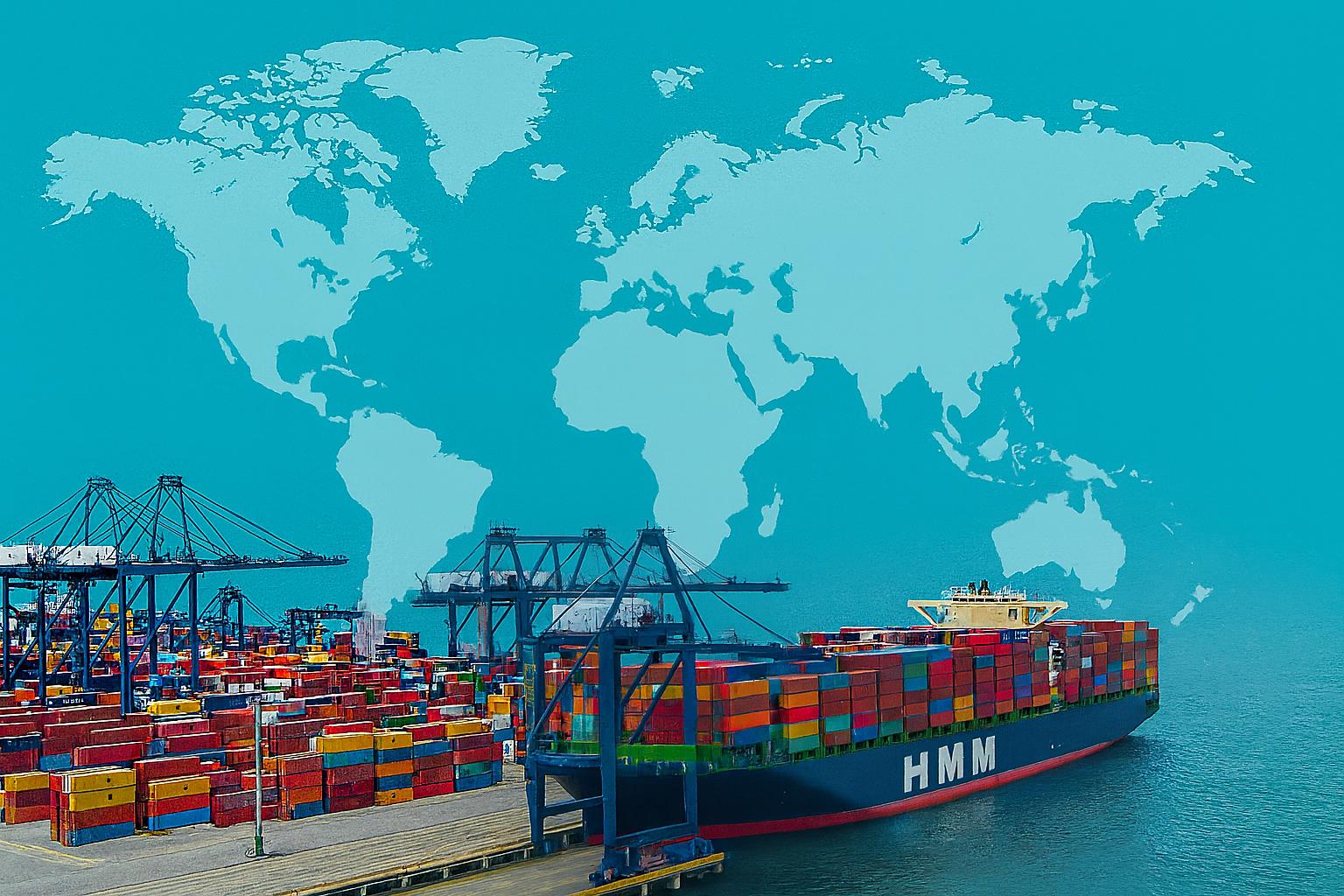
Container ship and international freight network representing shipping costs from China

Shipping costs from China are not fixed. The final freight cost depends on the origin, destination, transport mode, cargo weight and volume, commodity type, service level and current carrier rates. Sea freight is generally more cost-efficient for larger or heavier shipments, while air freight is usually selected when shorter transit time is the priority.

For a broader comparison of routes, transport modes and pricing factors, see our shipping cost from China guide .
International freight rates are affected by the shipment origin and destination, cargo dimensions and weight, transport mode, commodity, routing and required delivery service. Carrier capacity, fuel surcharges, seasonal demand and port or airport conditions can also influence the final freight rate.

For air freight, chargeable weight may be based on actual weight or volumetric weight. For ocean freight, pricing can depend on container size for FCL shipments or cargo volume and other shipment details for LCL freight.

Sea freight is usually more economical for large, heavy or high-volume cargo, especially when the delivery schedule is flexible. Air freight normally costs more per kilogram but provides much faster transportation, which can make it suitable for urgent, higher-value or time-sensitive goods.

The right shipping method depends on the cargo and business priority rather than price alone. Compare our air freight from China and sea freight from China services for more detail.

An accurate freight quote requires enough information to identify the shipment size, route, cargo requirements and required service level. Providing complete shipment details at the beginning also helps reduce unnecessary revisions later in the freight process.

  • Pickup location or port of loading
  • Final destination or destination port
  • Commodity description
  • Number of cartons or packages
  • Gross weight
  • Carton or cargo dimensions
  • Preferred shipping method
  • Incoterm or delivery requirement

If the cargo is dangerous, oversized, temperature sensitive or requires other special handling, include those details as well. When the shipment information is ready, you can request a freight quote .

CBM means cubic meter and is used to measure cargo volume. When dimensions are provided in meters, multiply the length, width and height of each package, then multiply the result by the number of identical packages.

CBM formula:
Length (m) × Width (m) × Height (m) × Quantity

Cargo volume is particularly important for LCL sea freight and can also affect volumetric weight for air freight. You can calculate shipment volume using our CBM Calculator .

Transit Times & Delivery

Learn what affects shipping time from China, how sea and air freight timelines differ, and why total door-to-door delivery can take longer than the carrier's quoted transit time.

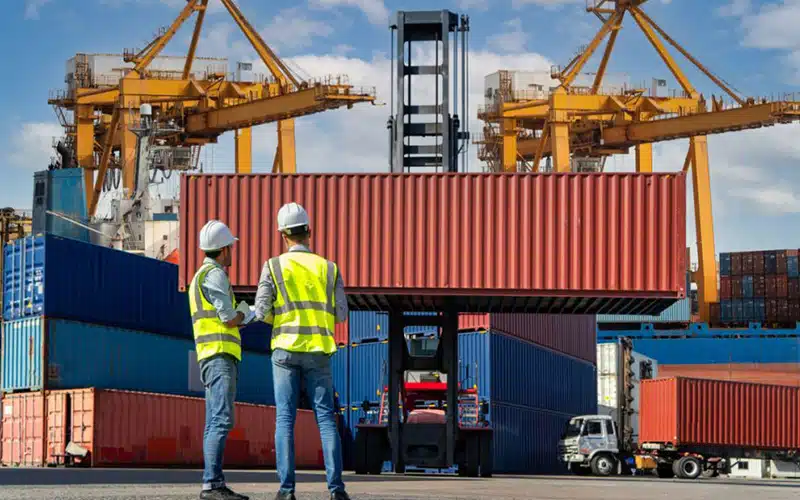
Container handling at a Chinese port for international freight shipping

Shipping time from China depends mainly on the transport mode, origin, destination, carrier routing and required delivery service. Express and air freight generally provide the shortest transit times, rail can be an option on supported routes, while sea freight usually requires more time and is commonly used for larger-volume cargo.

Total delivery time can also include supplier pickup, export handling, consolidation, customs clearance and final delivery. For route and transport-mode comparisons, see our shipping time from China guide .

Sea freight transit time depends on the port of loading in China, destination port, carrier schedule, routing and whether the shipment moves on a direct service or through a transshipment hub. Origin handling and destination procedures should also be considered when planning the full delivery schedule.

FCL and LCL shipments can follow different timelines. LCL cargo may require additional time for consolidation before departure and deconsolidation after arrival. Learn more in our sea freight from China guide .

Air freight generally offers much shorter transit times than ocean shipping, but the complete delivery schedule includes more than the flight itself. Supplier pickup, airport handling, export procedures, flight availability, customs clearance and final delivery can all affect the total lead time.

Direct flights generally involve fewer handling stages than services requiring transfers or multiple connections. For service options and planning considerations, see our air freight from China service page.

Transit time usually refers to the transportation period between defined origin and destination points, such as port-to-port or airport-to-airport. Total delivery time covers the wider shipping process and can include supplier pickup, warehouse handling, consolidation, export procedures, main transport, customs clearance and final-mile delivery.

Important: a carrier's quoted transit time should not automatically be treated as the complete door-to-door lead time. Always confirm which stages are included in the shipping schedule.

This distinction is particularly important when planning inventory, production schedules or time-sensitive international deliveries.

International shipments can be delayed at several stages of the freight forwarding process. Some causes are operational, while others relate to documentation, customs regulations or conditions outside the control of the shipper, carrier or freight forwarder.

  • Port or airport congestion
  • Carrier schedule changes
  • Peak-season capacity constraints
  • Weather disruptions
  • Customs inspections
  • Incomplete or inaccurate documents
  • Transshipment or connection delays
  • Special cargo handling requirements

Providing accurate shipment information and shipping documents early can help identify avoidable problems before cargo reaches the carrier or customs-clearance stage.

Shipment tracking depends on the transport mode, carrier and service used. Sea freight may be tracked with shipment or Bill of Lading references, while air freight commonly uses an Air Waybill number. Your freight forwarder can also provide shipment updates and help interpret carrier milestones during transit.

Sea Freight Carrier, booking or Bill of Lading references may be used.
Air Freight Air Waybill details are commonly used to follow shipment progress.
Forwarder Updates Pickup, departure, arrival and customs milestones can be communicated as available.

Tracking events do not always update in real time, especially during transfers, customs processing or local delivery. If a milestone is unclear, confirm the latest status with the freight forwarder handling the shipment.

Sea, Air & Rail Freight Options

Compare the main ways to ship cargo from China, understand FCL and LCL container shipping, and choose a transport mode based on cargo size, urgency, destination and handling requirements.

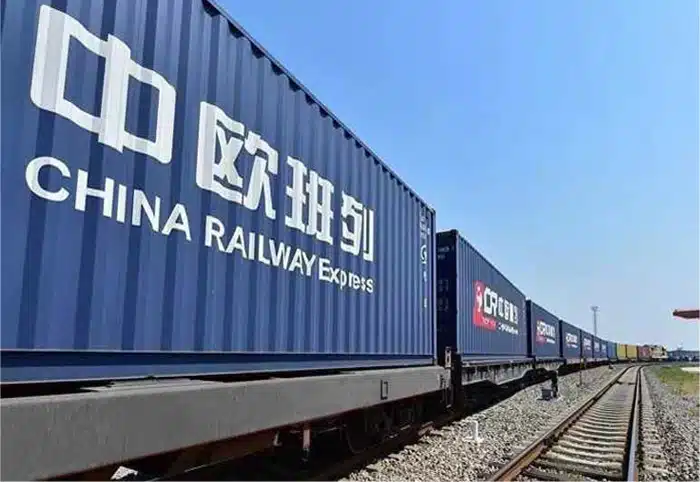
China Railway Express container train for international rail freight

There is no single shipping method that is best for every shipment. The right option depends on cargo size and weight, value, required delivery time, destination, budget and any special handling requirements.

Sea Freight Common for larger, heavier or high-volume commercial shipments.
Air Freight Suitable when shorter transit time is an important priority.
Rail Freight Available on supported inland and Eurasian freight routes.

A freight forwarder can compare available transport services and routing against the shipment requirements. For a broader overview of shipping methods and planning, see our Shipping from China Guide .

A freight forwarder coordinates the movement of goods between suppliers, carriers and the final destination. Freight forwarding services can include route planning, carrier booking, supplier pickup, shipping documents, export handling, customs coordination, warehousing and final delivery depending on the shipment.

The forwarder does not normally operate every vessel, aircraft, train or truck used in the supply chain. Instead, the forwarder coordinates the required carriers and logistics providers so the different stages of the shipment work together. Cargo insurance and special handling can also be arranged when required.

FCL means Full Container Load. In FCL shipping, the container is allocated to one shipper's cargo rather than being shared with unrelated shipments. The container does not have to be filled to maximum capacity for the shipment to move as FCL.

FCL is commonly considered for larger cargo volumes or shipments where dedicated container use is preferred. Container size, route, cargo type and loading requirements all affect the final arrangement. Read our guide to FCL shipping for more detail.

LCL means Less than Container Load. With LCL sea freight, cargo from multiple shippers is consolidated into the same container, allowing an importer to ship goods without booking an entire container.

LCL can be suitable when shipment volume does not justify dedicated container space. Because cargo must normally be consolidated before departure and separated after arrival, LCL includes additional handling compared with FCL. Learn more about LCL shipping from China .

The main difference is how container space is used. FCL provides dedicated container space for one shipper, while LCL combines cargo from several shippers in a shared container. This also affects handling and the way freight costs are calculated.

FCL — Full Container Load

Container use
Dedicated to one shipper
Typical fit
Larger cargo volumes
Handling
No LCL consolidation stage

LCL — Less than Container Load

Container use
Shared with other cargo
Typical fit
Smaller cargo volumes
Handling
Consolidation and deconsolidation

Neither option is automatically cheaper for every shipment. The most cost-effective choice depends on cargo volume, route, local charges and available freight rates. See our FCL vs LCL shipping comparison .

Air freight is generally considered when delivery speed is more important than achieving the lowest transport cost. It can be appropriate for urgent, time-sensitive, higher-value or relatively lower-volume cargo. Sea freight is commonly used when cargo is larger or heavier and the shipment schedule allows more transit time.

The comparison should include more than the main freight rate. Cargo dimensions, chargeable weight, pickup, customs clearance and final delivery can all affect total logistics cost. Explore air freight from China or sea freight from China .

Yes. Rail freight is available for supported international routes from China. Whether rail is suitable depends on the origin, destination, cargo, available terminals, routing and required delivery schedule.

Rail services can form part of a wider freight forwarding solution that also includes supplier pickup, terminal handling, customs procedures and onward delivery. See our railway freight from China page for service information.

Cargo that cannot move efficiently in a standard container may require a project logistics solution. Depending on cargo type, dimensions, weight, route and port capabilities, the transport plan may involve break-bulk shipping, RoRo or another specialized handling arrangement.

Project cargo requires shipment-specific planning. Dimensions, weight, lifting points, packing, loading method and destination requirements should be reviewed before the transport method is confirmed.

For related service information, see our Break Bulk & RoRo shipping page.

DDP, Customs Clearance & Import Requirements

Understand how DDP and door-to-door shipping work, who is responsible for customs clearance, and why duties, taxes and import requirements should be confirmed before cargo leaves China.

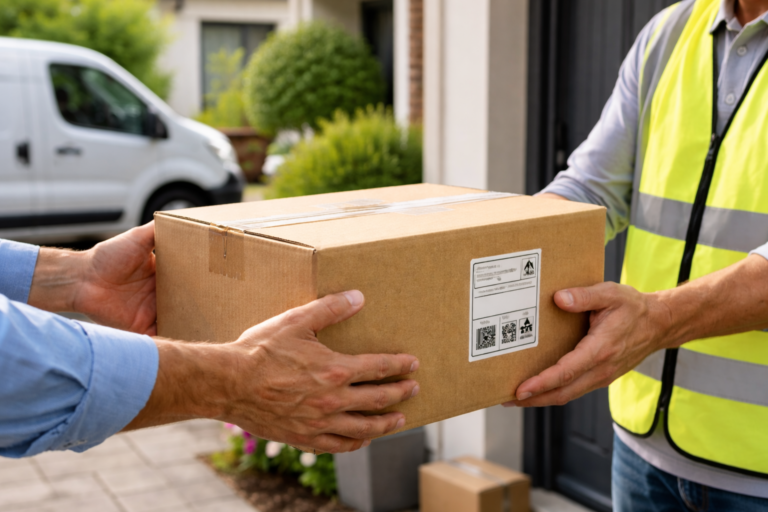
Door-to-door DDP shipment being delivered to the final destination

DDP means Delivered Duty Paid. Under DDP terms, the seller takes responsibility for delivering the goods to the agreed destination, including export formalities, international transportation, import customs clearance and the applicable duties and taxes required under the agreed arrangement.

In freight forwarding from China, a DDP logistics solution can combine several transport and customs stages rather than one freight service alone.

01 Origin Handling Supplier pickup and export preparation
02 Main Freight Air, sea, rail or other routing
03 Import Clearance Customs procedures, duties and taxes
04 Final Delivery Delivery to the named destination

The exact service scope should always be confirmed in the freight quotation because destination-country rules, cargo type and local import requirements can affect how DDP shipping is arranged.

Door-to-door shipping coordinates transportation from the agreed origin in China through to the consignee's destination address. Depending on the service terms, this can include supplier pickup, origin handling, international freight, customs procedures and final-mile delivery.

Door-to-door does not automatically mean DDP. The responsibility for import clearance, duties and taxes depends on the agreed Incoterm and the confirmed quotation scope.

For a broader overview of transport modes and delivery arrangements, see our door-to-door shipping from China service page.

DDP and DAP can both involve delivery to a named destination. The main difference is responsibility for import customs clearance and import duties and taxes. Under DDP, these obligations rest with the seller. Under DAP, the buyer normally handles them.

DDP — Delivered Duty Paid

Delivery
Named destination
Import clearance
Seller responsibility
Import duties & taxes
Seller responsibility

DAP — Delivered at Place

Delivery
Named destination
Import clearance
Buyer responsibility
Import duties & taxes
Buyer responsibility

Because Incoterms allocate costs, risks and responsibilities between buyer and seller, the agreed term should be clear before booking. See our DAP vs DDP Incoterms guide .

Tonlexing can coordinate customs-related services as part of international freight arrangements. The exact customs clearance process depends on the origin, destination country, commodity, declared value, shipping method and applicable import regulations.

Typical customs preparation may involve:

  • Commercial invoice
  • Packing list
  • Bill of Lading or Air Waybill
  • Commodity and HS code information
  • Importer or consignee details
  • Required certificates or permits

Some commodities and destination countries require additional documents, approvals or compliance procedures. See our customs clearance and freight insurance services for related information.

Under DDP terms, the seller is responsible for arranging import clearance and bearing the agreed import duties and taxes. However, the party that can legally act as the importer of record depends on the destination country's customs rules and the specific import arrangement.

Some countries require a locally established importer, specific registrations or other customs procedures. This should be confirmed before the shipment departs. Read our guide on the importer of record on a DDP shipment .

Under DDP Incoterms, the seller is responsible for the import duties and taxes required under the agreed delivery terms. In practice, the commercial quotation should still state clearly which destination charges, customs fees and delivery services are included.

Always confirm the quotation scope. Destination-country taxes, inspections, storage, permits or non-standard customs charges can depend on the cargo and local regulations. The quotation should identify what is included before shipment.

This helps prevent different expectations about what “DDP” includes and gives the importer a clearer view of the expected landed cost.

Shipping Documents, Insurance & Compliance

Understand the main documents used in international freight, when additional certificates may be required, how cargo insurance works and why regulated cargo needs shipment-specific preparation.

International freight documentation being reviewed for a shipment from China

The exact documents required for an international shipment depend on the cargo, transport mode, origin, destination country and applicable customs regulations. Most commercial shipments begin with a small set of core shipping documents.

Commercial Invoice Describes the goods, declared value, parties and commercial transaction.
Packing List Shows packages, quantities, weight, dimensions and packing details.
B/L or Air Waybill Provides shipment and transport information for sea or air freight.

Depending on the commodity and destination, additional documentation can include a Certificate of Origin, permits, licenses, declarations, inspection records or other compliance documents. See our international shipping documents checklist for a broader overview.

A Bill of Lading, often abbreviated as B/L, is a key transport document used in ocean freight. It records important shipment information including the shipper, consignee, cargo description, origin, destination and transport details.

Shipment Record Identifies the cargo and the main parties involved in transportation.
Transport Evidence Records receipt or loading of cargo for the agreed carriage.
Cargo Release The B/L type and release method can affect delivery at destination.

Different types of Bills of Lading can perform different legal and commercial functions, so party details, shipment instructions and cargo-release requirements should be checked before the document is finalized.

A Certificate of Origin may be required depending on the destination country, commodity, customs rules and the trade arrangement being used. The document certifies the country in which goods are considered to originate for customs or trade purposes.

Not every shipment requires the same certificate. The required form and issuing procedure can vary according to the importing country, product classification and whether preferential tariff treatment applies.

If your buyer or customs broker requests a COO, confirm the required certificate type before the shipment is finalized. Learn more in our guide to Certificates of Origin in shipping .

Cargo insurance is used to reduce financial exposure to physical loss or damage during international transportation. Whether insurance is contractually required depends on the commercial agreement, Incoterm and shipment conditions, but carrier liability should not be treated as equivalent to full cargo-value protection.

Cargo Value at Risk Insurance can provide protection based on the insured value and policy terms.
Carrier Liability Is Different Carrier responsibility may be limited by transport terms, rules or conventions.

The appropriate cargo insurance depends on the commodity, shipment value, transport mode, route and policy conditions. For more information, see how cargo insurance works .

Some dangerous or regulated goods can be transported internationally from China, but they require additional review before booking. Acceptance depends on the commodity, hazard classification, packaging, transport mode, carrier requirements and regulations at both origin and destination.

  • Accurate commodity identification
  • Hazard classification where applicable
  • Compliant packaging and marking
  • Required declarations or supporting documents
  • Carrier acceptance
  • Destination import requirements
Confirm special cargo before booking. Dangerous goods, batteries, chemicals and other regulated cargo should not be treated as ordinary general freight. Cargo details need to be reviewed before confirming the transport method and carrier.

For a broader overview of shipping and compliance requirements, see our guide to shipping dangerous goods from China .

Warehousing, Consolidation & Supplier Coordination

Learn how cargo from multiple suppliers can be collected, received and consolidated in China before international shipping, and what information helps keep supplier coordination and freight booking on schedule.

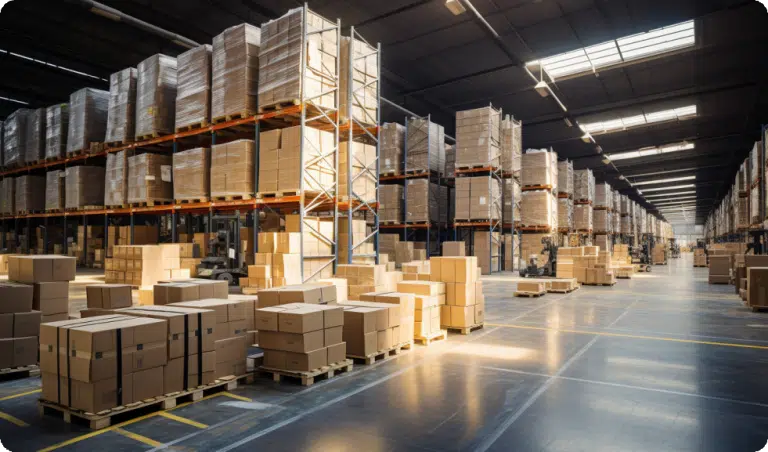
Warehouse in China with palletized cargo prepared for consolidation and international shipping

Yes. Tonlexing can coordinate cargo from multiple suppliers in China and consolidate compatible goods before international shipping. This allows importers working with several factories or purchase orders to manage the cargo through one coordinated freight plan instead of arranging each shipment separately.

01 Supplier Coordination Confirm cargo details and readiness with each supplier.
02 Cargo Collection Arrange pickup or warehouse delivery for each batch.
03 Consolidation Match and combine compatible cargo into the planned shipment.
04 International Freight Book the selected sea, air, rail or delivery service.
Central Coordination Multiple suppliers can be managed through one shipment plan.
Cargo Visibility Separate batches can be matched before the main freight movement.
Freight Planning Total cargo volume can be reviewed before the transport mode is finalized.
Consolidation timing matters. If one supplier is significantly late, the planned warehouse schedule or carrier booking may also need to change. Cargo-ready dates should therefore be coordinated before the final shipment is booked.

The appropriate consolidation plan depends on supplier locations, cargo-ready dates, shipment volume, commodity and final destination. Learn more about our warehousing and consolidation services in China .

Supplier cargo can be coordinated for delivery or collection to the designated warehouse as part of a consolidation arrangement. Before goods are moved, each supplier and cargo batch should be identified so warehouse receiving and the final freight booking can be coordinated correctly.

Useful supplier and shipment information normally includes:

  • Supplier name and contact details
  • Pickup or factory address
  • Commodity description
  • Carton or package quantity
  • Gross weight and dimensions
  • Expected cargo-ready date

Providing this information early helps coordinate supplier pickup, warehouse receiving, cargo matching and the international shipping schedule.

Tonlexing provides international shipping services from China for Amazon FBA cargo. The appropriate logistics arrangement depends on the shipment origin, cargo size, destination marketplace, transport mode and the delivery requirements for the receiving location.

Supplier Collection Cargo can be coordinated from one or multiple suppliers in China.
Consolidation Compatible supplier batches can be combined before international shipping.
International Delivery Freight planning depends on the destination and receiving requirements.

If goods are purchased from multiple suppliers, consolidation in China can be considered before the main international shipment is booked. For service-specific information, see our Amazon FBA shipping from China page.