Related Guide
Importer of Record IOR in the USA
Importer of Record IOR in the USA Verified & Reviewed · Last updated March 2026 Importer of Record (IOR) in the USA determines who is legally res...
Read guide →

On a DDP shipment, the seller is responsible for arranging import clearance and paying the applicable import duties and taxes in the destination country. In practice, this means the seller must ensure that a valid Importer of Record (IOR) is in place for the customs entry.
If the seller is legally eligible to act as the importer under local customs regulations, the seller may be named as the Importer of Record. However, DDP terms do not automatically give a foreign seller the legal right to act as the importer in every country.
Where local rules require a registered importer, local entity, or approved representation, the seller must arrange a compliant IOR structure while still meeting its DDP obligations. The exact setup therefore depends on the destination country, product type, and applicable import requirements.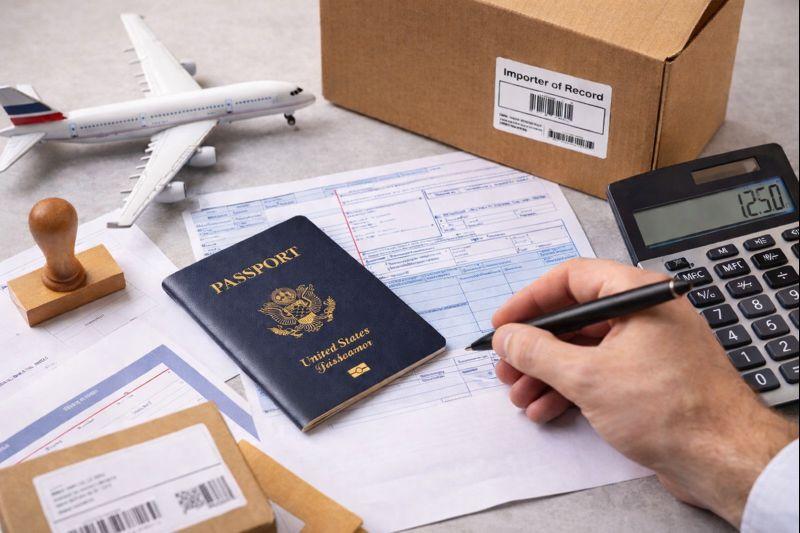
An Importer of Record, commonly shortened to IOR, is the person or entity legally responsible for an import entry in the destination country. Customs authorities rely on the IOR to provide accurate shipment information, meet applicable import requirements, and ensure that duties, taxes, and other customs obligations are properly handled.
The IOR is not automatically the buyer or consignee receiving the goods. It is the party that accepts legal responsibility for the customs entry and import compliance. If the declaration, classification, valuation, or supporting documents are incorrect, the Importer of Record may be responsible for additional duties, penalties, inspections, or clearance delays.
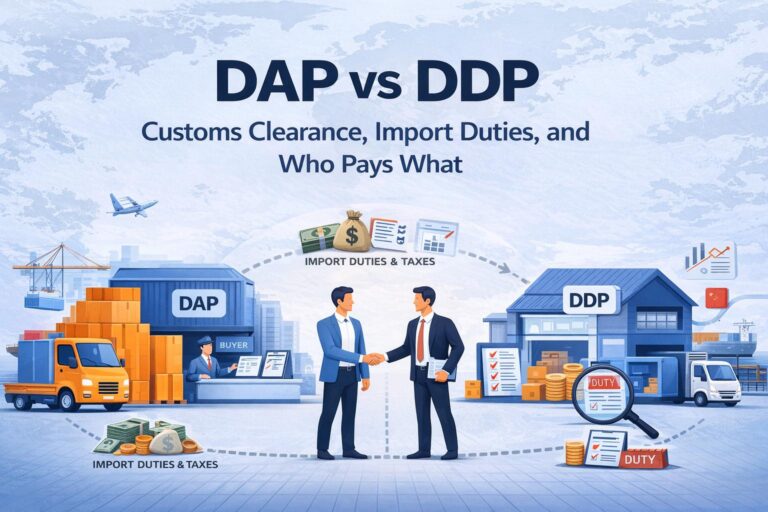
Delivered Duty Paid (DDP) places the main transportation, import clearance, duty, tax, and delivery obligations on the seller. The buyer generally receives the goods at the agreed destination without having to arrange the import process separately.
Under a DDP shipment, the seller typically coordinates the import side of the transaction and must make sure that the customs entry can be completed through a legally valid importer structure in the destination country.
DDP therefore gives the seller responsibility for arranging the import process, but the party named as the Importer of Record must still meet the legal requirements of the destination country.
In many DDP shipments, the seller is responsible for arranging import clearance and paying import duties and taxes. If local customs regulations allow, the seller may also act as the Importer of Record.
Incoterms define the responsibilities between the buyer and seller, while customs authorities determine who can legally act as the importer. If a foreign seller cannot meet local importer requirements, a compliant importer arrangement must be made.
In practical terms, DDP may involve:
The seller acting as the Importer of Record where permitted
The seller arranging a compliant Importer of Record solution where required
Many importers also ask who is responsible for the Importer of Record role under DAP.
| Item | DDP | DAP |
|---|---|---|
| Import clearance | Seller arranges | Buyer arranges |
| Duties and taxes | Seller pays | Buyer pays |
| Importer of Record | Seller may act as IOR where legally permitted, or arrange a compliant importer setup | Buyer is usually the Importer of Record |
| Buyer involvement | Lower | Higher |
If the buyer must act as the legal importer because of local licensing, registration, or tax requirements, DAP may provide a clearer responsibility structure. Where the seller can legally manage the import process, DDP can offer the buyer a simpler delivery arrangement.
In some DDP shipments, the buyer may still be named as the Importer of Record.
This can happen when local customs, licensing, tax, or product registration requirements make it necessary for the buyer to act as the legal importer.
If the buyer is the Importer of Record, the contract should clearly state who pays duties and taxes, who files or authorizes the customs entry, and who is responsible for delays, penalties, or additional charges related to the import process.
The parties should also confirm the role of the ultimate consignee and who is authorized to provide customs or broker documentation.
A customs broker helps prepare and submit customs entries and coordinates the clearance process with customs authorities.
A licensed customs broker may be required for certain shipments or entry types. However, using a customs broker does not automatically make the broker the Importer of Record. The designated Importer of Record remains legally responsible for the customs entry.
In some markets, especially the United States, a customs bond may be required to support duty payment and customs compliance obligations.
If you are selling DDP into the United States, confirm the importer, customs broker, and bond arrangement before shipment. An incorrect importer setup can delay customs clearance even when the shipping documents are complete.
A well-prepared customs clearance process can help reduce documentation errors, customs holds, and delivery delays.
Accurate documentation, consistent product descriptions, and correct customs valuation can help reduce avoidable clearance issues.

Under DDP terms, the seller generally covers the transportation and import-related costs required to deliver the goods to the agreed destination.
In practice, the quoted cost may include:
Freight and local handling costs
Broker fees and customs clearance charges
Import duties and taxes
Disbursement charges and other fees related to duty payment
The quotation should clearly state what is included and excluded. Some sellers call the quote DDP but exclude storage, demurrage, or special inspection fees. That creates arguments when customs holds happen.
DDP can create significant compliance and cost exposure for the seller.
Under DDP, the seller is responsible for arranging import clearance and paying applicable duties and taxes. If local customs rules allow, the seller may also act as the Importer of Record. Otherwise, a compliant importer arrangement is required.
The Importer of Record is the person or entity legally responsible for the customs entry and applicable import compliance requirements.
Under DAP, the buyer usually arranges import clearance and pays duties and taxes, so the buyer is typically the Importer of Record.
An Importer of Record is the party legally responsible for the import entry, customs documentation, duties, taxes, and applicable compliance requirements.
Not always. Broker requirements depend on the destination country and type of customs entry. Where a broker is used, the Importer of Record still remains responsible for the import entry.
Delays can result from inaccurate documentation, missing permits, valuation or classification issues, customs inspections, or an importer setup that does not meet local requirements.
On a DDP shipment, the seller is responsible for arranging import clearance and paying the applicable duties and taxes. However, the Importer of Record must still meet the legal requirements of the destination country.
Before shipping, confirm who will act as the Importer of Record, whether that party is legally eligible, and whether the customs documentation and importer setup meet local requirements. This helps reduce clearance delays, unexpected costs, and responsibility disputes.
Useful freight, customs and importing resources related to this shipping guide.