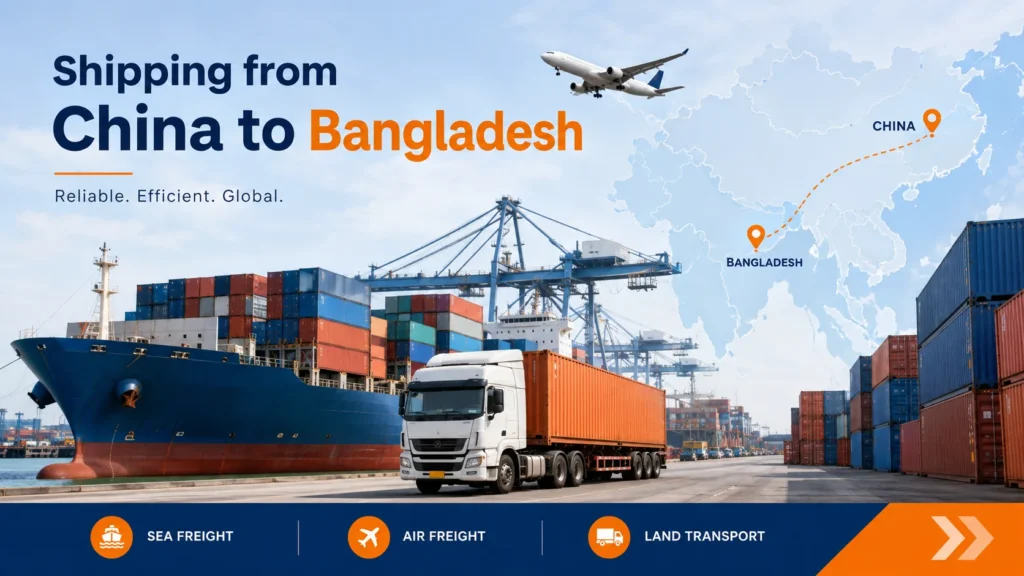
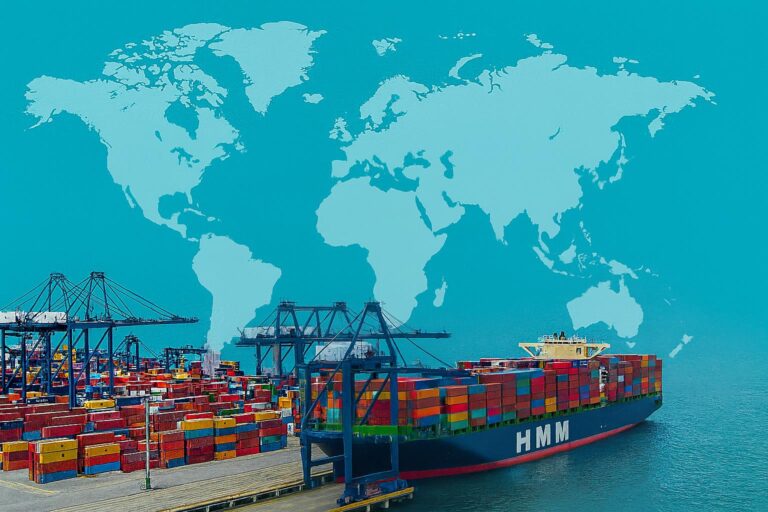
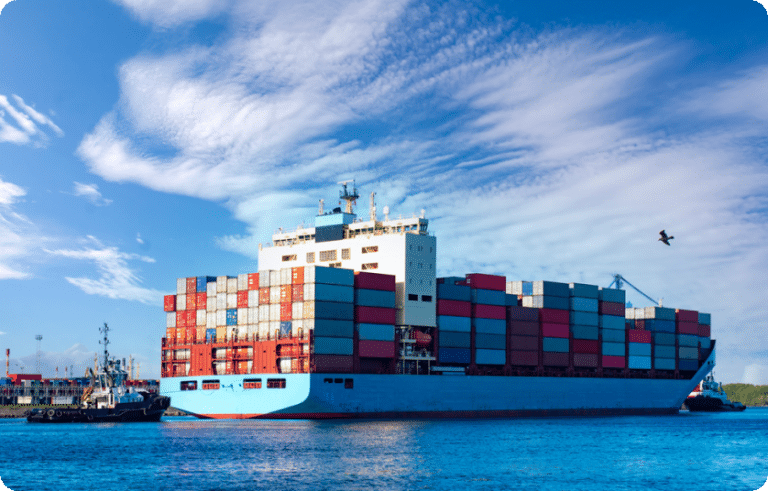
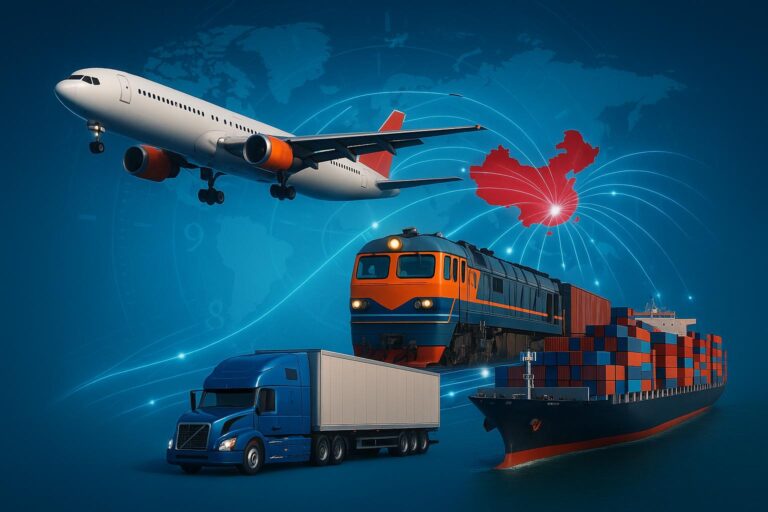
Shipping from China to Bangladesh can be arranged by sea freight, air freight, express courier, or a door-to-door service, depending on the cargo size, delivery deadline, destination, and customs requirements. Sea freight is generally suitable for machinery, building materials, textile inputs, electronics, and other commercial cargo shipped in larger volumes, while air freight is used for urgent, lightweight, or higher-value goods.
The total shipping cost depends on the chargeable weight or cargo volume, the departure city in China, the destination in Bangladesh, the selected service terms, and any customs clearance or final delivery requirements. Tonlexing can coordinate supplier pickup in China, export handling, international freight, shipment consolidation, and destination delivery according to the confirmed quotation.
Quick Shipping Comparison
| Shipping Method | Estimated Transit Time | Best For |
|---|
| Sea Freight FCL | About 10–18 days | Full containers, heavy or high-volume cargo |
| Sea Freight LCL | About 14–22 days | Smaller commercial shipments that do not fill a container |
| Air Freight | About 2–7 days | Urgent, lightweight, or high-value cargo |
| Express Courier | About 1–5 days | Samples, documents, and small parcels |
| Door-to-Door Shipping | Depends on the selected air or sea service | Importers needing pickup, customs coordination, and final delivery |
Transit times are estimates and may change due to the departure location, carrier schedule, customs clearance, port congestion, and final delivery address.

Shipping Methods from China to Bangladesh
The main transport options from China to Bangladesh are sea freight, air freight, and express courier. Importers can also choose port-to-port, airport-to-airport, or door-to-door service depending on who will handle customs clearance and final delivery in Bangladesh.
Sea Freight
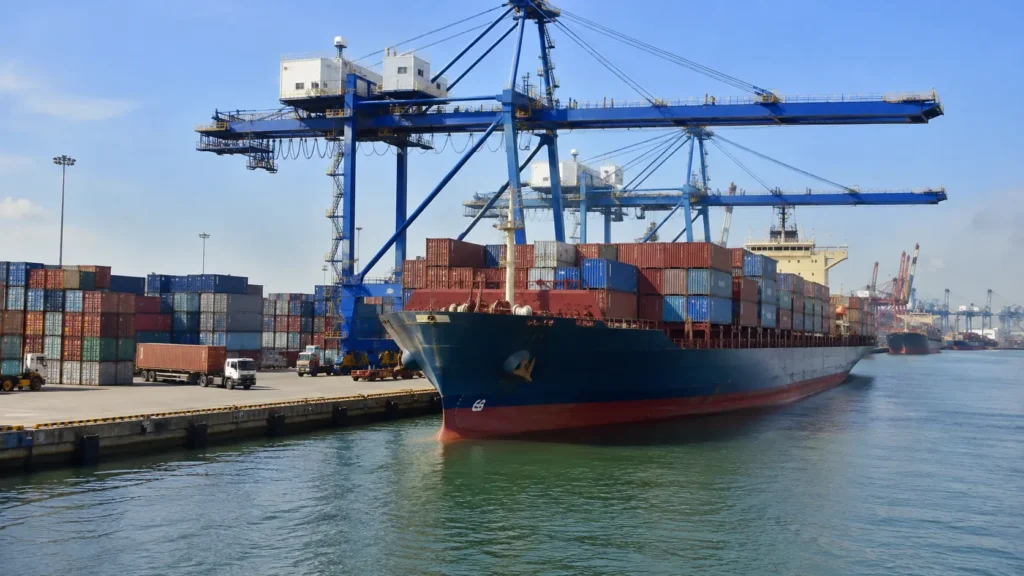
Sea freight is generally used for heavy, bulky, or high-volume commercial cargo. Importers can choose FCL for a full container or LCL when the shipment does not require an entire container. Most ocean shipments arrive through Chattogram Port.
Air Freight
Air freight is suitable for urgent, higher-value, or relatively lightweight shipments. Cargo normally departs from major Chinese airports and arrives at Hazrat Shahjalal International Airport in Dhaka. Pricing is calculated according to chargeable weight.
Express Courier
Express courier is mainly used for samples, documents, replacement parts, and small parcels. It is faster and easier to arrange than standard freight, but the cost per kilogram is usually higher, especially for larger shipments.
Door-to-Door Service
Door-to-door shipping is a service arrangement rather than a separate transport mode. The main shipment may move by sea, air, or courier, while the service can also include supplier pickup, export handling, customs clearance coordination, and delivery to the consignee’s address.
The most suitable option depends on the shipment volume, gross and volumetric weight, cargo value, required delivery time, destination, and the service scope confirmed in the quotation.
Sea Freight from China to Bangladesh
Sea freight from China to Bangladesh is commonly used for machinery, construction materials, textile inputs, electronics, plastic products, and other heavy or high-volume commercial cargo. Importers can ship a full container through FCL service or combine smaller cargo with other shipments through LCL service.
Most ocean cargo is routed to the Port of Chattogram, also known as Chittagong Port. The suitable departure port in China normally depends on the supplier location, cargo readiness, available sailing schedule, and inland transport cost.
Main Chinese Ports for Shipping to Bangladesh
| Origin Port | Suitable Supplier Region |
|---|
| Shenzhen | Shenzhen, Dongguan, Huizhou, and nearby South China suppliers |
| Guangzhou | Guangzhou, Foshan, Zhongshan, and surrounding Guangdong areas |
| Ningbo-Zhoushan | Ningbo, Yiwu, Shaoxing, and nearby Zhejiang suppliers |
| Shanghai | Shanghai, Suzhou, Kunshan, and the wider Yangtze River Delta |
| Qingdao | Shandong and other suppliers in northern China |
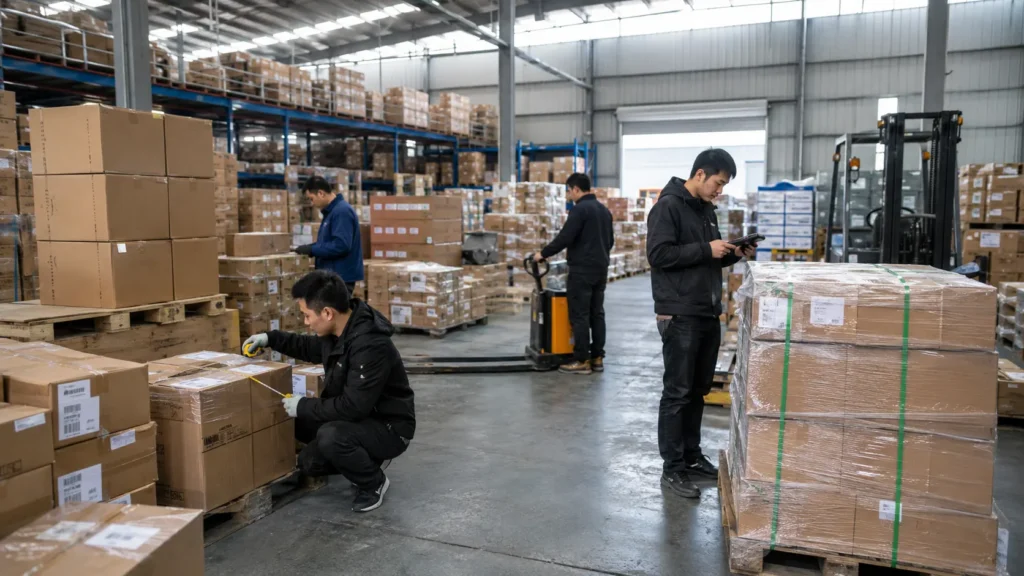
Cargo from several suppliers can also be collected and consolidated at a warehouse in China before export. This can reduce repeated pickup, documentation, and shipment coordination, although the final saving depends on the supplier locations and cargo volume.
FCL Shipping to Bangladesh
FCL shipping gives one shipper the use of an entire container. It is generally suitable for larger shipments, heavy cargo, sensitive packaging, or orders that need to remain separated from other importers’ goods.
Common options include:
- 20GP containers for dense or heavy cargo
- 40GP or 40HQ containers for larger-volume shipments
- Factory loading or warehouse loading, depending on the supplier arrangement
- Port-to-port or extended delivery service according to the quotation
FCL does not automatically become cheaper at one fixed CBM level. The correct choice should be based on the complete cost comparison, cargo dimensions, loading conditions, destination charges, and the risk of sharing container space.
LCL Shipping to Bangladesh
LCL shipping from China is suitable when the cargo does not fill a complete container. The shipment shares container space with cargo from other importers, and freight is normally calculated according to the chargeable volume.
LCL can reduce the initial ocean freight cost for smaller commercial shipments, but importers should also compare:
- Origin warehouse and consolidation charges
- Minimum chargeable volume
- Handling and deconsolidation fees
- Destination charges in Bangladesh
- Additional handling time
- Packaging strength for shared-container transport
What to Confirm Before Booking Sea Freight
Before requesting a sea freight quotation, provide the cargo name, number of packages, dimensions, gross weight, total volume, supplier address, destination port or delivery address, cargo value, and HS code if available.
The quotation should clearly state whether it covers supplier pickup, export customs declaration, origin charges, ocean freight, destination handling, customs clearance, duties and taxes, and final delivery. Any service not listed in the quotation should not be assumed to be included.
Air Freight from China to Bangladesh
Air freight from China to Bangladesh is suitable for urgent, higher-value, or relatively lightweight commercial cargo. It is commonly used for electronics, garment samples, machinery parts, production materials, replacement components, and other shipments that cannot wait for sea freight.
Main Airports in China for Air Cargo
| Airport Name | IATA Code | Location |
|---|
| Shanghai Pudong Airport | PVG | East China |
| Guangzhou Baiyun Airport | CAN | South China |
| Beijing Capital Airport | PEK | North China |
| Shenzhen Bao’an Airport | SZX | Pearl River Delta |
These major airports have strong international connectivity and handle thousands of air cargo shipments every day.
Arrival Airport in Bangladesh
- Hazrat Shahjalal International Airport (DAC) – Located in Dhaka, this is the main hub for receiving international cargo flights in Bangladesh. It handles everything from general goods to perishables and pharmaceuticals.
Transit Time for Air Freight
Air freight from China to Bangladesh generally takes about 2–7 days, depending on the departure airport, flight schedule, direct or connecting service, cargo type, and available capacity.
This estimate normally refers to the air transport stage. Additional time may be required for supplier pickup, export handling, customs clearance, and final delivery.
Understanding Air Freight Rates
Air freight charges are based on chargeable weight. The airline compares the shipment’s actual gross weight with its volumetric weight and normally charges whichever is greater.
The standard volumetric weight formula is:
Length × Width × Height ÷ 6000
Dimensions are measured in centimetres, and the result is calculated in kilograms. Accurate carton dimensions and weight should be provided before booking.
Door-to-Door Shipping and Express Courier Services from China to Bangladesh
For importers who need more than port-to-port or airport-to-airport transport, door-to-door shipping can connect supplier pickup in China with delivery to the confirmed destination in Bangladesh.
The main shipment may move by sea freight, air freight, or express courier. Depending on the quotation, the service may also include cargo consolidation, export customs declaration, destination customs clearance coordination, and final delivery.
What Is Door-to-Door Shipping?
Door-to-door shipping is a coordinated freight service that may cover several stages of the shipment:
- Pickup from the supplier or factory in China
- Warehouse receiving, measurement, labelling, or consolidation
- Export customs declaration and carrier booking
- International transport by sea or air
- Customs clearance coordination in Bangladesh
- Delivery to the consignee’s warehouse or business address
The exact service scope should be confirmed before booking. Customs duties, taxes, inspections, storage, remote-area delivery, and cargo insurance are not automatically included unless they are clearly stated in the quotation.
Who Should Use Door-to-Door Shipping?
Door-to-door shipping can be useful for importers who prefer one logistics provider to coordinate several stages instead of arranging pickup, international freight, customs support, and local delivery separately.
It is particularly suitable for:
- Wholesalers without an in-house logistics team in China
- Buyers purchasing goods from several Chinese suppliers
- Importers requiring cargo consolidation before export
- Businesses needing delivery beyond Chattogram Port or Dhaka Airport
- Companies requiring customs clearance and final delivery coordination
The consignee must still provide accurate cargo information and hold any import qualifications required for customs clearance in Bangladesh.
Benefits of Door-to-Door Services
A properly defined door-to-door service can provide:
- One contact for supplier pickup, freight, and delivery coordination
- Easier consolidation of cargo from multiple suppliers
- Clearer responsibility for each stage of the shipment
- Fewer separate arrangements with warehouses, carriers, and delivery providers
- A service plan matched to the cargo size, urgency, and destination
Tonlexing can collect cargo from suppliers in China, receive and measure the goods at the warehouse, combine shipments when practical, coordinate export procedures, and arrange the selected international freight service.
Express Courier Options
Express courier services are mainly used for samples, documents, replacement parts, accessories, and other small urgent shipments.
| Courier Option | Common Use | Main Consideration |
|---|
| DHL | Samples, documents, and small commercial parcels | Suitable for urgent international delivery |
| FedEx | Parts, accessories, and time-sensitive parcels | Service availability depends on the route and cargo |
| UPS | Documents, samples, and general parcels | Volumetric weight may affect the final charge |
| Aramex | Small parcels and selected commercial goods | Coverage and delivery terms should be confirmed |
Courier service normally requires fewer booking steps than standard freight. However, costs can rise quickly when cartons are heavy or bulky because express shipments may be charged according to volumetric weight.
Shipping Cost from China to Bangladesh
The shipping cost from China to Bangladesh depends on the transport method, cargo weight or volume, departure location, destination, booking date, and required service scope. Sea freight is normally calculated by container or cubic metre, while air freight and express courier charges are based on chargeable weight.
2026 Shipping Cost Reference
| Shipping Method | Reference Cost Range | Pricing Basis |
|---|
| Sea Freight FCL 20GP to Chattogram Port | $1,550–$1,950 | Per container |
| Sea Freight FCL 40GP or 40HQ to Chattogram Port | $1,700–$2,100 | Per container |
| Sea Freight LCL to Chattogram Port | $70–$140 per CBM | Chargeable volume |
| Air Freight to Dhaka Airport | $4–$9 per kg | Chargeable weight |
| Express Courier | Quoted by billable weight and parcel dimensions | Weight, volume, and courier service |
These rates are reference freight charges rather than guaranteed all-inclusive prices. Supplier pickup, export handling, destination fees, customs clearance, duties, taxes, storage, inspection, and final delivery are not included unless they are listed in the quotation.
What Affects the Shipping Cost?
The final shipping charge can change significantly even when two shipments use the same route. Important pricing factors include:
- Cargo weight and dimensions
- Total CBM or container type
- Actual weight and volumetric weight
- Supplier pickup location in China
- Departure port or airport
- Cargo type and handling requirements
- General or sensitive cargo classification
- Port-to-port, airport-to-airport, or door-to-door service
- Carrier capacity and seasonal demand
- Destination address in Bangladesh
Air freight and courier prices are calculated using chargeable weight. If the volumetric weight is higher than the actual weight, the higher figure will normally be used for billing.
For LCL sea freight, the quotation should also show any minimum chargeable volume and whether origin warehouse, consolidation, destination handling, and deconsolidation charges are included.
Freight Cost vs. Total Landed Cost
The lowest basic freight rate is not always the lowest total shipping cost.
For example, a low LCL ocean freight quotation may still result in higher destination charges, handling fees, storage, customs expenses, or final delivery costs. A full container may have a higher initial freight charge but lower handling costs per unit for larger shipments.
Importers should compare the complete quotation rather than only the price per kilogram, CBM, or container.
Customs Clearance in Bangladesh
Whether you choose air freight or sea freight, every shipment from China to Bangladesh must go through customs clearance. Understanding the process, necessary documentation, and applicable customs duties is essential to avoid delays, fines, or cargo seizures.
Bangladesh Customs Regulations
Customs regulations in Bangladesh are enforced by the National Board of Revenue (NBR). Importers must comply with product classification, valuation, documentation, and tax requirements.
The main compliance points include:
- Proper product classification and HS code
- Correct declared value and country of origin
- Payment of applicable duties and taxes
- Required permits for regulated goods
Commercial importers should ensure that the consignee has a valid Import Registration Certificate (IRC), business TIN, and any product-specific approvals required for the shipment.
Required Documents for Import
To ensure a smooth customs clearance process, prepare the following essential documents:
- Commercial Invoice – Shows product description, value, and supplier details
- Packing List – Indicates quantity, dimensions, and packaging format
- Bill of Lading (B/L) or Air Waybill (AWB) – Proof of shipment
- Certificate of Origin – Confirms the origin of the goods when required
- Import Registration Certificate (IRC)
- LC or payment terms (if applicable)
Tip: Ensure the declared invoice value reflects actual market price. Undervaluation can trigger inspections or penalties.
Customs Duties & Taxes
Import duties in Bangladesh are calculated based on CIF value (Cost + Insurance + Freight). The total charge may include:
- Customs Duty: Standard rates generally range from 0% to 25%, depending on the product category and HS code
- Value Added Tax: A standard VAT rate of 15% applies to most imported goods
- Infrastructure Development Surcharge: A 2.5% surcharge applies to nearly all imports
- Supplementary Duty: Additional duty may apply to luxury, non-essential, or selected products
- Regulatory Duty: Certain products may be subject to an additional regulatory tariff
- Advance Income Tax: AIT or other advance taxes may apply according to the importer and product category
The exact tax rates vary by HS code, so consult with your freight forwarder or customs agent for a product-specific breakdown.
Tips for a Smooth Customs Clearance Process
Most customs delays are caused by incomplete documents, incorrect HS codes, unclear product descriptions, or inconsistent declared information. Reviewing the shipment details before export can help reduce unnecessary problems.
Importers should:
- Confirm the HS code before shipping
- Use accurate product descriptions and declared values
- Prepare required permits before cargo arrival
- Ensure invoice and packing list information is consistent
- Provide clearance documents to the customs broker in advance when possible
Sensitive or regulated goods, including batteries, chemicals, medical products, food items, and branded products, may require additional documents or approval before shipment.
How to Choose a Freight Forwarder from China to Bangladesh
Selecting the right freight forwarder is one of the most critical decisions in your logistics journey. An experienced partner can help you avoid costly mistakes, ensure smooth customs clearance, and deliver your goods on time and within budget.
Why Use a Freight Forwarder?
A freight forwarder coordinates the parties involved in international shipping, including suppliers, warehouses, carriers, customs representatives, and local delivery providers.
Depending on the confirmed service scope, the forwarder may arrange cargo pickup, freight booking, export handling, shipping documents, customs clearance support, and final delivery. This reduces the need for the importer to manage each stage separately.
Key Qualities of an Experienced Freight Forwarder
A qualified forwarder should provide a quotation based on the actual shipment details and explain which charges and services are included.
Important qualities include:
- Experience handling shipments from China to Bangladesh
- Knowledge of customs regulations and cargo restrictions
- Clear explanation of origin and destination charges
- Regular communication and shipment status updates
- Ability to compare sea freight, air freight, courier, and door-to-door options
The forwarder should also confirm the cargo type, package details, HS code, value, and any batteries, liquids, powders, magnets, chemicals, or branded products before booking.
Services a Freight Forwarder Should Provide
| Service Type | Description |
|---|
| Freight Booking | Reserve cargo space with carriers (air or sea) |
| Documentation | Prepare B/L, invoice, packing list, certificate of origin |
| Customs Clearance | Handle clearance at both origin and destination |
| Door-to-Door Delivery | Offer pickup and final delivery to your location |
| Cargo Insurance | Provide coverage for loss or damage during transit |
| Shipment Tracking | Real-time visibility and status updates |
A full-service forwarder can offer complete freight forwarding services, giving you peace of mind and saving time.
Benefits of Working with Tonlexing
Tonlexing can coordinate supplier pickup, warehouse receiving, cargo measurement, consolidation, export handling, and international freight from China. Sea freight, air freight, express courier, and door-to-door options can be compared according to the cargo volume, delivery priority, destination, and required service scope.
For a shipping proposal, provide the cargo name, number of packages, dimensions, gross weight, total volume, supplier location, destination address, cargo value, HS code if available, cargo-ready date, and any sensitive cargo information.
Transit Time: How Long Does Shipping Take from China to Bangladesh?
When planning a shipment, understanding the transit time is just as important as knowing the cost. The total shipping time from China to Bangladesh depends on the shipping method, origin city, customs clearance, and final delivery address.
Transit Time by Shipping Method
| Shipping Method | Average Transit Time | Best For |
|---|
| Sea Freight | 10–18 days | Bulk cargo, FCL and LCL shipments |
| Air Freight | 2–7 days | Urgent, lightweight, or valuable goods |
| Express Courier | 1–5 days | Samples, small parcels, and business documents |
| Door-to-Door Shipping | 12–20 days by sea or 5–9 days by air | Shipments requiring pickup, customs coordination, and final delivery |
These are estimated transit times. Customs clearance, carrier schedules, and final delivery may affect the total shipping time.
Factors That Affect Shipping Time
Several factors can shorten or delay the expected delivery schedule:
- Origin port or airport
- Customs procedures at both ends
- Weather conditions or port congestion
- Airline or vessel schedules
- Transshipment arrangements
- Final delivery location
Tips for Meeting Delivery Deadlines
Planning before the cargo is ready can reduce avoidable delays. Importers should:
- Choose air freight for urgent shipments
- Prepare the required documents before departure
- Confirm production and pickup schedules with the supplier
- Book earlier before Eid, Chinese New Year, and other busy periods
- Allow additional time for customs clearance and handling
Delivery to Final Destination in Bangladesh
The final delivery time depends on the distance between Dhaka or Chattogram and the consignee’s warehouse or business address.
- Dhaka metropolitan area: about 1–2 days after customs release
- Other major cities: about 2–4 days
- Remote areas: about 4–6 days depending on road access
Tips for Cost-Effective Shipping from China to Bangladesh
Reducing shipping costs starts with choosing a service that matches the cargo size, weight, value, and delivery deadline. The lowest freight rate is not always the lowest total cost, especially when destination handling, customs clearance, and final delivery are considered.
Choose the Right Shipping Mode for Your Cargo
Sea freight, air freight, and express courier suit different shipment sizes and delivery priorities.
- Use sea freight for heavy or larger-volume cargo
- Use air freight for urgent or higher-value shipments
- Use express courier for samples, documents, and small urgent parcels
The final choice should be based on the complete quotation rather than transport speed or freight price alone.
Consolidate Shipments When Possible
Consolidating goods from multiple suppliers into one larger shipment helps lower:
- Per-unit freight charges
- LCL surcharges and warehouse fees
- Risk of multiple customs inspections
Ask your freight forwarder about warehouse consolidation services.
Optimize Cargo Volume and Weight
Air freight and courier charges are affected by volumetric weight, while LCL sea freight is normally calculated by chargeable volume. Compact and suitable packaging can help control unnecessary transport costs.
- Avoid oversized cartons and excessive filler material
- Confirm package dimensions and gross weight before requesting a quote
- Use packaging strong enough for the selected transport method
Packaging should not be reduced if doing so increases the risk of damage during handling or transit.
Book in Advance and Avoid Peak Seasons
Shipping during high-demand periods increases freight charges and delays. Try to:
- Book sea containers at least 2–3 weeks in advance
- Avoid shipping before major holidays (e.g., Chinese New Year, Ramadan)
- Lock in rates early to avoid price fluctuations
Work with the Right Freight Partner
A professional freight forwarder can guide you toward the most cost-effective solution, help with customs clearance, and recommend tailored solutions based on your cargo type.
Pro Tip: Ask for multiple quotes comparing sea vs air vs express for your cargo volume. A few minutes of research can save hundreds of dollars per shipment.
Common Challenges & How to Avoid Shipping Delays
Shipping from China to Bangladesh may be delayed by documentation problems, customs checks, carrier schedule changes, or poor coordination between the supplier and freight forwarder. Identifying these risks before booking can reduce avoidable disruption.
Common Causes of Shipping Delays
The most common delays occur when cargo information or shipping arrangements are not confirmed before departure.
- Incomplete or inconsistent shipping documents
- Incorrect HS codes or declared values
- Poor packing or unclear cargo labels
- Port congestion or limited airline capacity
- Vessel or flight schedule changes
- Delayed communication between the supplier and freight provider
Customs inspection may also extend the clearance time, especially when the cargo description, value, or supporting documents require further review.
How to Avoid Delays in the Shipping Process
Most avoidable delays can be reduced by checking the cargo and documents before booking.
Importers should:
- Confirm the product description and HS code
- Keep the invoice, packing list, and transport documents consistent
- Check document requirements for sensitive or regulated goods
- Confirm the supplier’s cargo-ready and pickup dates
- Review the planned route and estimated schedule
- Maintain regular communication with the supplier and freight forwarder
Direct services may reduce transit time, but availability depends on the route, carrier capacity, and cargo type.
Build a Reliable Logistics Plan
A practical shipping plan should include enough time for supplier pickup, export handling, customs clearance, and final delivery rather than relying only on the vessel or flight time.
Importers should allow a reasonable time buffer, prepare documents in advance, and confirm how shipment updates will be provided. Cargo insurance can also be arranged separately when required.
When to Use Hassle-Free Shipping Options
Door-to-door shipping can be useful when the importer needs one provider to coordinate pickup, international freight, customs support, and final delivery. Express courier may be more suitable for documents, samples, replacement parts, and other small urgent shipments.
The correct option depends on the cargo size, delivery deadline, destination, and services included in the quotation.
FAQs – Shipping from China to Bangladesh
The following answers cover the main questions importers ask about shipping methods, costs, transit times, customs documents, and smaller shipments from China to Bangladesh.
What is the best shipping method from China to Bangladesh?
The best method depends on the cargo size, delivery deadline, and budget. Sea freight is generally suitable for heavy or larger-volume cargo, while air freight is used for urgent or higher-value shipments. Express courier is more practical for samples, documents, and small parcels.
How long does shipping from China to Bangladesh take?
Sea freight generally takes about 10–18 days, while air freight takes around 2–7 days. Express courier may take approximately 1–5 days. Customs clearance and final delivery may require additional time.
How much does shipping from China to Bangladesh cost?
The cost depends on the shipping method, cargo weight or volume, departure location, and service scope. In 2026, reference rates include approximately $70–$140 per CBM for LCL sea freight and $4–$9 per kg for standard air freight. Final quotations should be based on the actual shipment details.
What documents are required for customs clearance?
A standard commercial shipment normally requires a Commercial Invoice, Packing List, Bill of Lading or Air Waybill, Certificate of Origin when required, and importer registration documents. Additional permits may be needed for regulated products.
Do I need an import license in Bangladesh?
Commercial importers may need an Import Registration Certificate, business TIN, and other supporting approvals depending on the product category and import activity. The consignee should confirm the exact requirements before shipment.
Can I ship samples or small parcels from China to Bangladesh?
Yes. Samples, documents, accessories, and small urgent parcels can be shipped by express courier or air freight. The most suitable option depends on the actual weight, volumetric weight, cargo type, and delivery deadline.