International Rail Freight Services · China to Europe & Eurasia

Rail Freight from China

Move cargo from China to Europe, Russia and Central Asia with rail freight that balances transit speed and shipping cost. Tonlexing coordinates FCL and LCL rail services, routing, export customs, cross-border transport and destination delivery.

  • China–Europe Rail
  • FCL & LCL Rail
  • Cross-Border Rail
  • Customs & Delivery

Rail freight is particularly useful when a shipment needs faster movement than ocean freight while avoiding the cost profile of air freight.

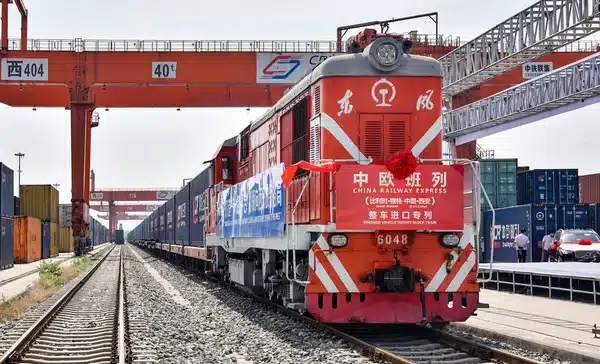
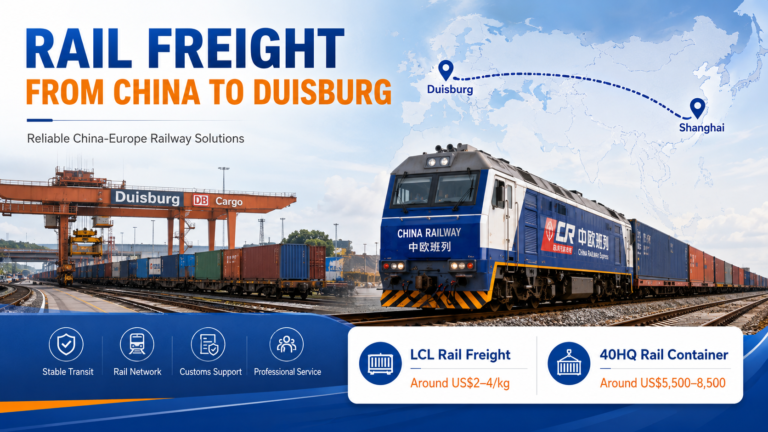
Rail freight from China to Europe by China-Europe freight train
CHINA → EUROPE / EURASIA
Rail shipment planning Origin · Route · Customs · Destination Delivery
FCL & LCL rail freight options
Europe · Russia · Central Asia routing coverage
Route · Customs · Delivery coordinated from China

Rail Freight Overview

Is Rail Freight from China Right for Your Shipment?

For many international shipments, rail transport from China sits between air and ocean freight, offering a practical balance of transit speed and shipping cost across Europe and Eurasia. The right choice depends on cargo volume, urgency, destination and available routing.

Transit Planning Approx. 10–25 days on selected routes
Shipment Types FCL & LCL rail freight
Main Coverage Europe · Russia · Central Asia
Delivery Scope Terminal or door-to-door delivery

Where Rail Freight Fits

Compare the shipment around speed, cost and route availability rather than choosing a transport mode by price alone.

Time Priority Air Freight

Best suited to urgent cargo where faster transport is more important than freight cost.

Balanced Option Rail Freight

A middle ground when ocean transport is too slow but air freight is not suitable for the shipment budget or volume.

Cost & Volume Priority Sea Freight

Well suited to larger cargo volumes when the shipment can accept a longer transport window.

Transit Time How quickly does the cargo need to arrive?
Shipment Size Is the cargo better suited to FCL or LCL?
Destination Is there a practical rail connection to the market?
Customs & Routing What border, documentation and delivery steps are required?

Rail Freight Service Options

Rail Freight Services from China

Choose the rail service according to cargo volume, shipment frequency, destination and delivery requirements. Tonlexing coordinates both full-container and consolidated rail freight together with customs and destination support.

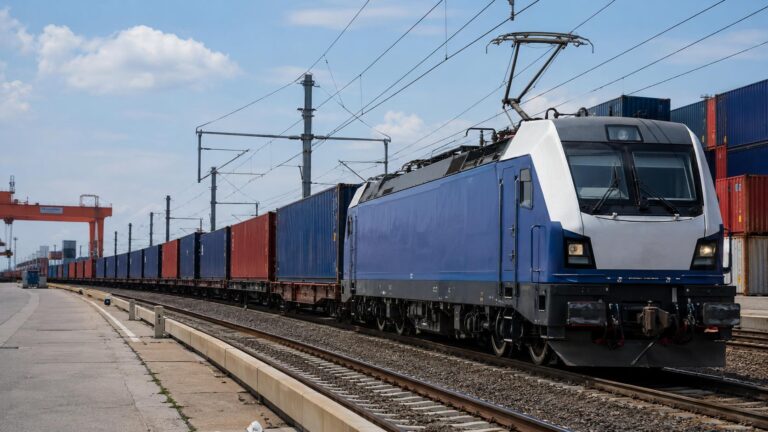
Rail freight containers and a freight train at a railway terminal in China
Full Container Rail Freight

FCL Rail Freight

Dedicated container space for larger or regular shipments moving from China through available rail corridors toward Europe, Russia and other Eurasian destinations.

Best suited for Larger cargo volumes and regular shipments
Before booking Confirm route, equipment and cargo acceptance

Container availability, payload and route acceptance should be checked for the actual shipment before booking.
Consolidated Rail Freight

LCL Rail Freight

Shared container space for smaller shipments that do not require a full container, with cargo consolidated onto available rail services from China.

Best suited for Smaller loads and regular replenishment cargo
Before booking Confirm volume, weight and consolidation route

LCL minimum charges, consolidation schedules and cargo acceptance vary by route and departure.

Supporting Services Beyond the Main Rail Leg
China Pickup

Supplier pickup and movement to the selected rail origin.

Customs Support

Export documentation and cross-border customs coordination.

Destination Delivery

Terminal handling and onward trucking where included.

Rail Freight Pricing

Rail Freight Costs from China

Rail freight costs from China depend on the route, shipment size, cargo type, origin and destination handling, customs requirements and available train capacity. FCL and LCL rail freight use different pricing structures, so shipping costs should be compared against the complete logistics scope rather than the main rail rate alone.

How Rail Freight Pricing Is Structured

The charging basis changes according to the rail freight service and the logistics scope required at origin and destination.

Service Pricing Basis Suitable For Check Before Booking
FCL Rail Freight Per container / route Larger shipments using dedicated container space Equipment, payload, origin terminal and destination
LCL Rail Freight CBM / chargeable basis Smaller shipments sharing container capacity Volume, weight, minimum charge and consolidation route
Door-to-Door Rail Rail freight + local services Shipments requiring pickup and final delivery Trucking, terminal, customs and destination charges
Special Cargo Case-by-case quotation Cargo requiring additional acceptance or handling Commodity, packing, dimensions, weight and restrictions

2026 Indicative Rail Freight Cost Examples

Planning references from selected Tonlexing rail destination guides. These are not live quotations and should be reconfirmed for the actual route, cargo and service scope.

Destination LCL Rail 20GP FCL 40ft / 40HQ FCL Destination Guide
Poland US$70–125 / CBM US$2,500–3,400 US$2,900–4,300 Poland rail guide
Germany US$160–360 / CBM US$2,000–5,600 US$4,950–5,850 Germany rail guide
France US$110–225 / CBM US$3,750–4,600 US$5,400–7,500 France rail guide
Rates are indicative 2026 planning ranges, not fixed tariffs. Final rail shipping costs depend on departure terminal, destination, equipment, cargo density, railway capacity, customs requirements and whether pickup, terminal handling or final delivery is included.

What Changes the Rail Freight Rate?

Origin handling, routing options, railway capacity, customs clearance and destination services can materially change the total shipping cost even when the main rail rate is similar.

Origin & Destination Distance to the rail terminal and onward delivery.
FCL or LCL Dedicated and consolidated rail services are priced differently.
Weight & Volume Cargo size and density affect equipment, loading and consolidation.
Route & Capacity Rail corridors, train departures and available capacity affect rates.
Customs Clearance Export, border and destination requirements vary by shipment.
Delivery Scope Terminal and door-to-door quotations include different services.

Rail Freight Transit Times from China

Rail freight transit times from China vary by destination, departure hub, railway corridor, train schedule, border handling and final delivery scope. The ranges below provide practical 2026 planning references for selected European, Russian and Central Asian markets.

2026 Rail Transit Planning Examples

These ranges are intended for shipment planning. Confirm whether a quotation covers the main rail journey, terminal-to-terminal transit or the complete door-to-door delivery time.

China to Europe Selected European Destinations
Destination Transit
Germany Typical rail planning range 12–20 days
Poland Typical China–Poland planning range 12–22 days
France Typical rail planning range 18–22 days
Eurasia & Central Asia Russia and Uzbekistan
Destination Transit
Russia Route and destination dependent 10–25 days
Uzbekistan Typical planning range 15–25 days

Rail Transit vs Door-to-Door Time

Published rail transit figures do not always use the same service basis. A quoted schedule may cover only the main freight train journey, while complete door-to-door transit can also include supplier pickup, export preparation, LCL consolidation, border handling, customs clearance, terminal operations and final delivery.

Rail Corridor Different routing options and border gateways follow different schedules.
Train Schedule Departure frequency and available train capacity affect the booking window.
Border & Customs Border transfer, transit formalities and customs clearance can affect timing.
Final Delivery Destination terminal handling and inland trucking extend the total timeline.

China–Europe Rail Network

China-Europe Rail Routes and Corridors

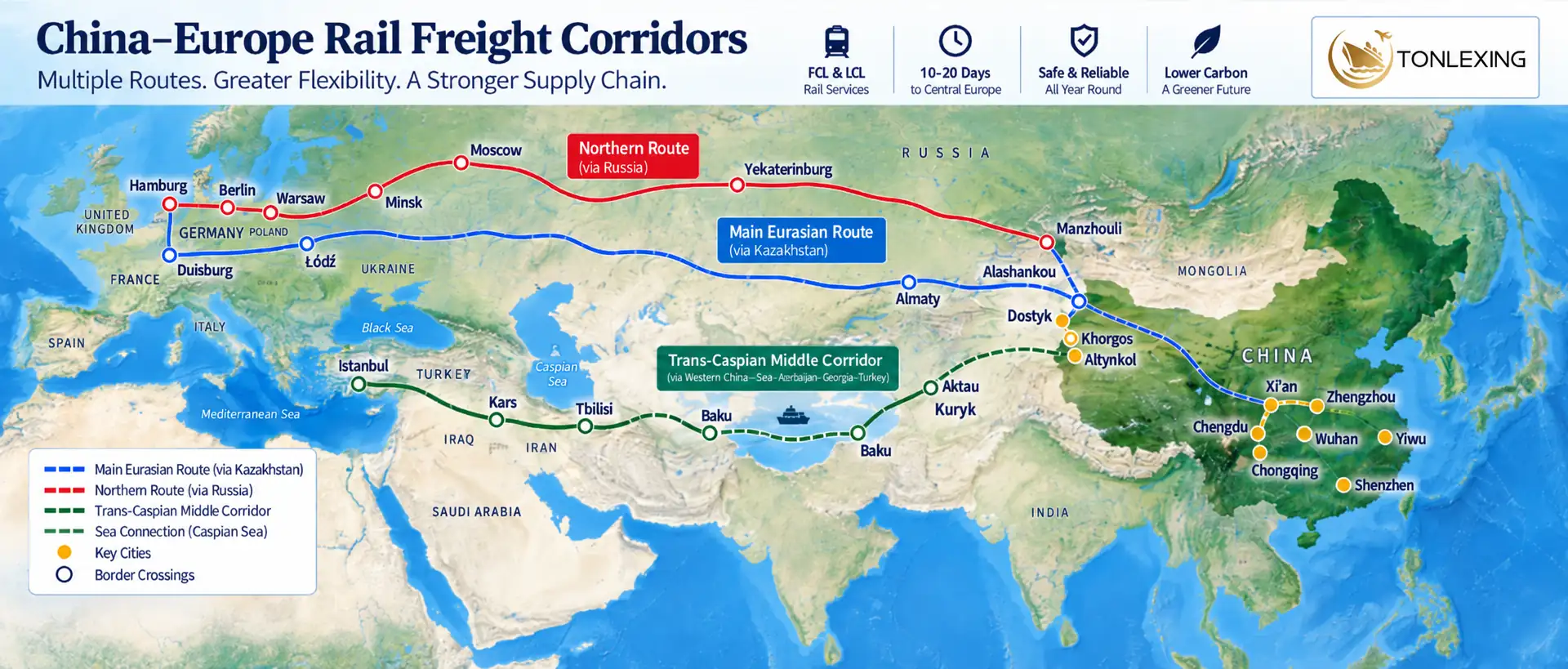
China-Europe rail freight can use different railway corridors, border gateways and routing options depending on the origin, destination, train schedule and current operating conditions. Rail services to Europe, Russia and Central Asia do not all use the same route.

China-Europe rail freight corridors via Russia, Kazakhstan and the Trans-Caspian route
Tap to view the full-size route map
China Origin Points

China Rail Origin Hubs

Cargo from manufacturing regions can be collected by truck or domestic rail and consolidated at an international freight train departure hub.

Xi'an Chengdu Chongqing Zhengzhou Yiwu Wuhan
Cross-Border Rail

Key Border Gateways

Western China rail services commonly connect through China–Kazakhstan gateways such as Alashankou–Dostyk and Khorgos–Altynkol. Other gateways may be used for Russia-bound railway services according to the route. At China–Kazakhstan crossings, cargo also passes through a rail gauge change because China uses 1,435 mm standard gauge while Kazakhstan uses 1,520 mm. For container traffic, this normally involves transferring containers between wagons of different gauges, so border handling can affect the final schedule.

Alashankou · Dostyk Khorgos · Altynkol Manzhouli Erenhot Suifenhe
Europe

Eurasian Rail Corridor

A major routing family for containerized China–Europe freight trains where the selected service is available.

China Rail Hub Kazakhstan Russia Belarus Poland Western Europe
Common Gateways Alashankou–Dostyk or Khorgos–Altynkol on selected services.
Key Markets Poland, Germany, France and onward European destinations.
Planning Point Train schedule and border routing should be confirmed before booking.
Alternative Europe Routing

Trans-Caspian Middle Corridor

A multimodal Asia–Europe routing option combining railway and Caspian Sea connections.

China Kazakhstan Caspian Sea Azerbaijan Georgia Europe
Caspian Connection Services may use Aktau or Kuryk and continue via Baku.
Western Connection Cargo can continue through Georgia toward Türkiye or Black Sea links.
Planning Point This corridor includes multimodal transfers and service-specific schedules.
Central Asia

China–Central Asia Rail Corridor

Established railway services connect China with Kazakhstan and onward inland markets including Uzbekistan.

China Rail Hub China–Kazakhstan Border Kazakhstan Uzbekistan Tashkent
Rail Gateways Alashankou–Dostyk and Khorgos–Altynkol are important gateways.
Main Market Tashkent and other inland destinations in Uzbekistan.
Current Planning Commercial China–Uzbekistan rail shipments currently route mainly via Kazakhstan.
Russia

China–Russia Rail Network

Russia-bound cargo can use different border crossings depending on the China origin and final Russian destination.

China Origin Selected Border Gateway Russian Rail Network Inland Terminal Final Delivery
Border Options Manzhouli, Erenhot, Suifenhe or other route-specific gateways.
Major Markets Moscow, Saint Petersburg, Yekaterinburg and Novosibirsk.
Planning Point Gateway selection depends on origin, destination and available train service.

Major Rail Hubs and Destinations

International rail freight from China is organized around inland departure hubs and destination rail markets. The best combination depends on supplier location, train capacity, border routing, customs requirements and final delivery.

China Origins

Major Rail Departure Hubs

Cargo can be collected from manufacturing regions across China and routed to a suitable international freight train hub.

  • Xi'an Major westbound China–Europe rail hub
  • Chengdu Key origin for western China cargo
  • Chongqing Established international rail departure hub
  • Zhengzhou Central China consolidation and departure point
  • Yiwu Eastern China origin for European rail cargo
  • Wuhan Central China international freight train hub
Rail Destination Markets

Europe, Russia and Central Asia

Continue into destination-specific rail freight guides for transit times, costs, customs and final delivery planning.

A nearby rail terminal is not automatically the best routing choice. Supplier pickup, freight train schedules, border gateway, customs clearance, destination terminal and final delivery should be planned as one complete shipment route.

Europe · Russia · Central Asia

Cargo Acceptance & Customs

Rail Freight Cargo, Documents and Customs

Before rail freight from China is booked, the commodity, HS code, packing, weight and dimensions should be reviewed against the selected route and operator requirements. Documentation and customs clearance must then be coordinated from China export through destination import.

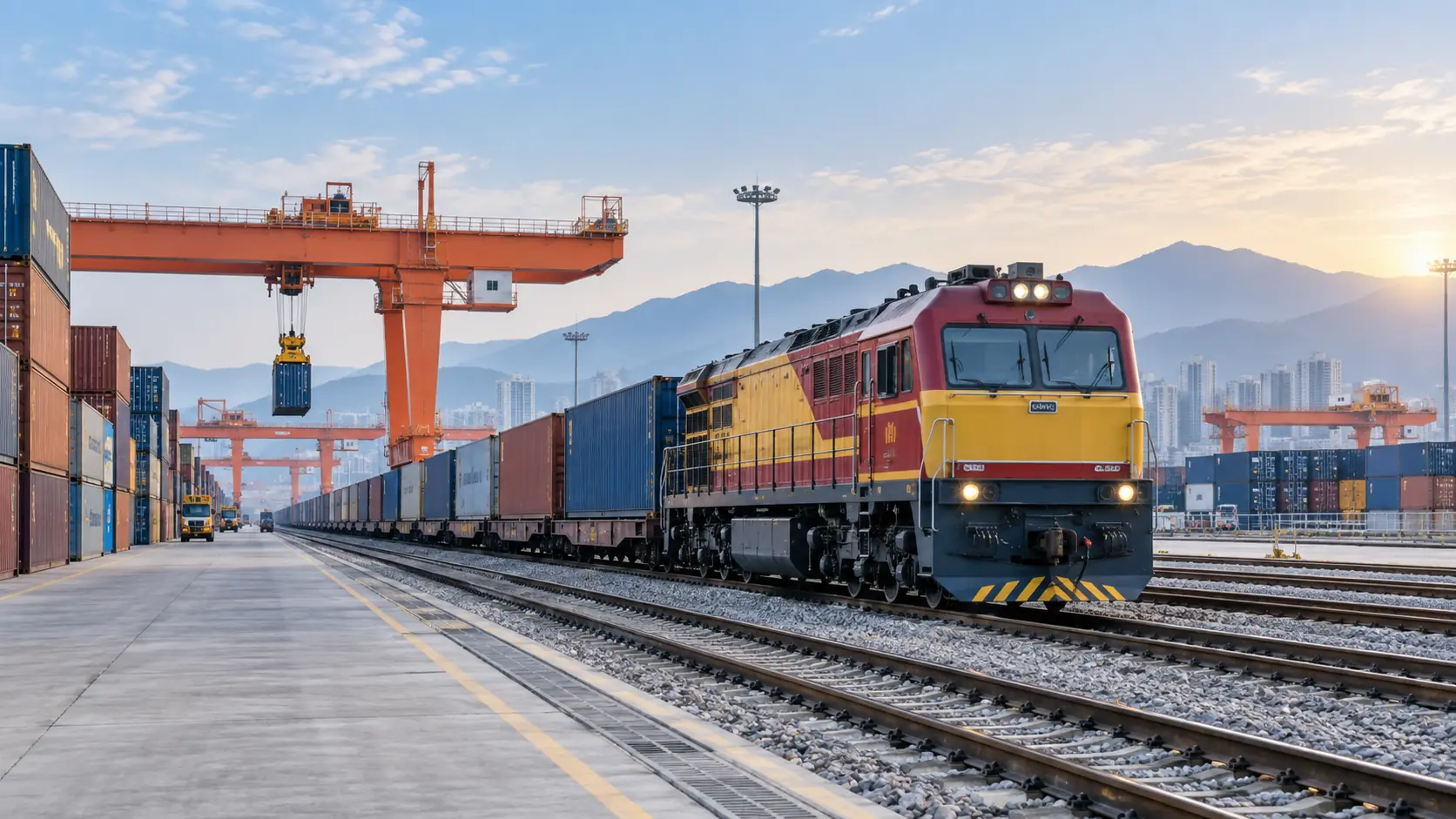
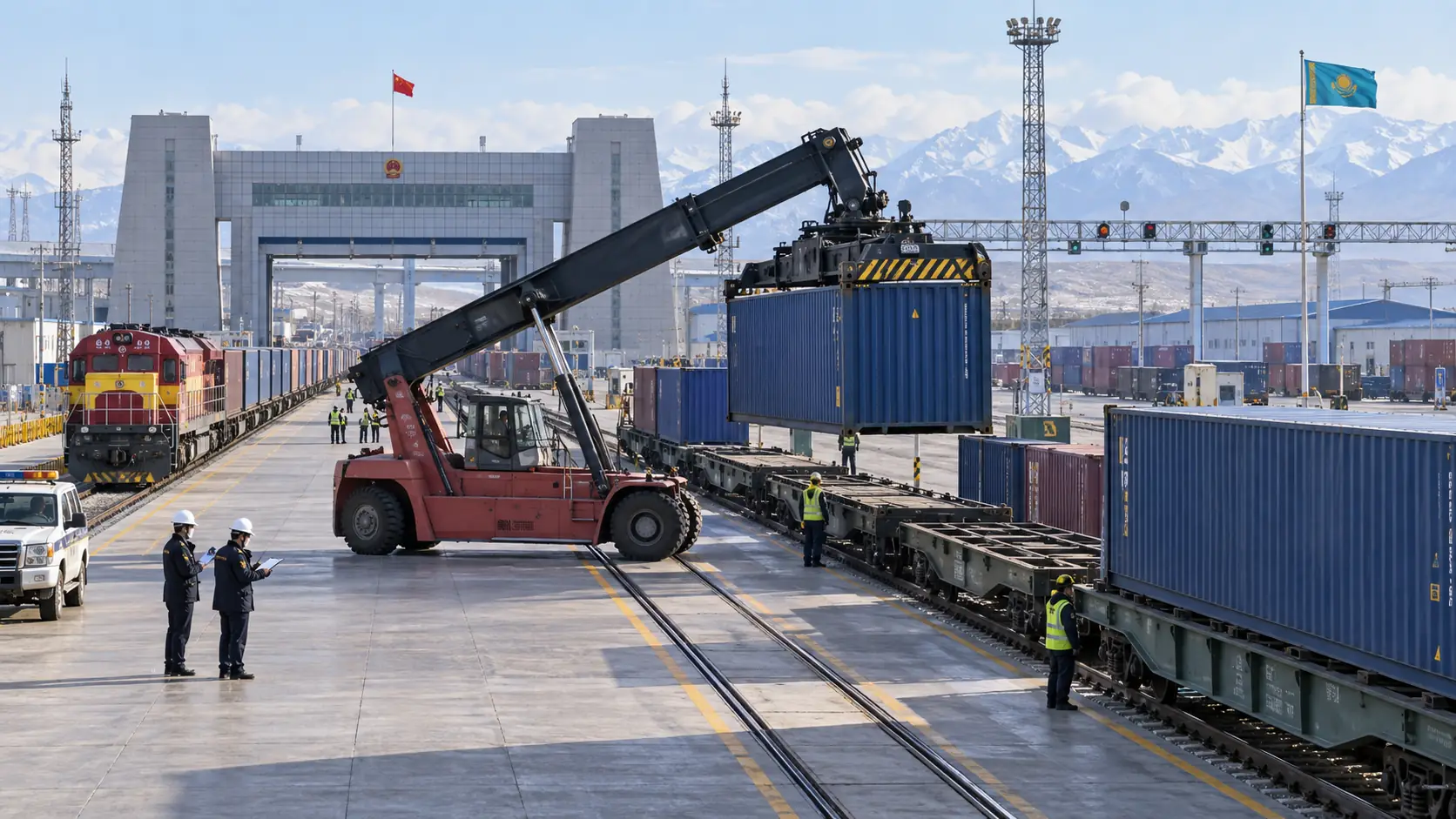
Container transfer during cross-border rail freight transportation from China
Cargo Acceptance

What Can Move by Rail?

Cargo acceptance depends on commodity classification, packing, weight, dimensions, rail corridor, terminal capability and operator rules. There is no universal cargo limit that applies to every railway service.

  • General Commercial Cargo

    Manufactured goods, industrial products and standard commercial cargo can generally be reviewed for FCL or LCL rail transport.

  • Heavy or Large Cargo

    Heavy pieces, dense cargo or larger packages require checks against container payload, loading method and terminal handling.

    Confirm piece weight and dimensions before booking.
  • Batteries & Dangerous Goods

    Batteries, chemicals and other regulated cargo may require dangerous-goods classification, compliant packing, labels, safety documents and advance operator approval.

    Acceptance is route, terminal and operator specific.
  • Temperature-Sensitive Cargo

    Temperature-controlled shipments require suitable equipment and confirmation that the selected railway service can support the required temperature conditions.

    Equipment and route availability must be confirmed.
Shipment Documents

Common Rail Freight Documents

Exact documentation varies by commodity, destination and customs requirements. The following documents are commonly used for international rail freight from China.

  • Commercial Invoice Commodity description, quantity, value and trade information
  • Packing List Package count, dimensions, net and gross weight
  • Railway Waybill International rail transport document; on applicable Eurasian services, a CIM/SMGS consignment note may be used across different railway legal systems
  • Customs Declaration Commodity and shipment data used for customs clearance
  • Certificate of Origin Provided where origin documentation is required
  • Permits / Safety Documents Required only for commodities subject to additional controls
Customs Clearance

Customs Along the Rail Journey

Cross-border rail shipments can involve export, transit and destination import procedures before cargo is released for onward delivery.

China Export HS code review, export declaration and customs release
Border & Transit Transit documentation and border procedures where required
Destination Import Import declaration, duties, permits and cargo release
Information to provide before booking

Send the commodity name, HS code if available, pickup and destination, number of packages, dimensions, total gross weight, packing type and any battery, liquid, chemical, temperature-control or dangerous-goods information. This allows the rail route, cargo acceptance, documentation and customs requirements to be checked before the booking is confirmed.

Shipment Process

How Rail Freight Shipping from China Works

A rail shipment from China moves through a series of coordinated origin, railway and destination stages. The exact workflow depends on whether the cargo moves as FCL or LCL, the selected rail route, Incoterm and final delivery requirement.

Shipment Review Confirm cargo details, origin, destination and required service scope.
Route & Booking Select the rail corridor, departure hub and available train service.
Origin Pickup Collect cargo from the supplier and move it to the origin terminal.
Export Clearance Complete China export documentation and customs procedures.
Rail Departure Cargo departs by freight train through the selected rail corridor.
Border & Import Coordinate border handling, transit formalities and import clearance.
Final Delivery Release the shipment and arrange final-mile delivery where required.

Freight Mode Comparison

Rail vs Sea vs Air Freight from China

Rail, sea and air freight from China serve different shipment priorities. Compare transit time, shipping cost, cargo volume, network access and delivery requirements before selecting the transport mode.

Shipping Method Comparison

Typical planning characteristics for international freight from China. Actual timing, pricing and cargo acceptance depend on the route and shipment.

Comparison Sea Freight Rail Freight Air Freight
Typical Planning Time About 15–45 days About 15–25 days About 7–12 days
Typical Cost Position Usually lowest for larger or heavier commercial cargo Generally between sea and air freight Usually highest because pricing is weight-sensitive
Shipment Format FCL containers or LCL consolidated cargo FCL containers or LCL rail consolidation Charged mainly by chargeable weight
Typical Cargo Fit Heavy, bulky and high-volume cargo with flexible lead time Commercial cargo needing shorter lead time than ocean freight Urgent, smaller, high-value or time-sensitive shipments
Network Access Global port network with inland trucking connections Best where international rail corridors and inland terminals are available Global airport network with frequent international services
Main Planning Factors Sailing schedule, container space, ports and destination handling Train capacity, rail corridor, border gateway and cargo acceptance Chargeable weight, dimensions, airline capacity and cargo restrictions
Door-to-Door Planning Include port handling, customs clearance and inland delivery Include terminal handling, border procedures and final delivery Include airport handling, customs clearance and final-mile delivery

Rail freight is often evaluated when ocean freight does not meet the required delivery window but air freight is difficult to justify for the shipment volume or budget. The final decision should also consider origin and destination access, cargo restrictions, customs clearance, available capacity and the complete door-to-door shipping cost.

Rail Freight Coordination

Why Choose Tonlexing for Rail Freight?

Tonlexing is a China-based international freight forwarder coordinating rail shipments from supplier pickup and rail booking through cross-border transportation, customs support and destination delivery. Each shipment is planned around the cargo, route, Incoterm and required service scope.

China-Based Origin Control

Coordinate directly with suppliers in China, arrange pickup and move cargo toward the selected rail terminal or consolidation point.

Rail & Multimodal Planning

Review FCL and LCL rail options together with route access, train capacity and alternative sea or air solutions when the shipment requires a different balance of time and cost.

Cross-Border Coordination

Coordinate shipment documents, export procedures, border handling and destination customs requirements across the international rail journey.

Destination Support

Coordinate terminal release and onward road delivery for shipments requiring service beyond the main railway movement.

Company Profile Established 2008 Shenzhen Headquarters FMC Compliant Licensed NVOCC 150+ Countries Served

Frequently Asked Questions

Rail Freight FAQ

Practical answers about rail freight costs, transit times, FCL and LCL shipping, destinations, customs clearance and cargo acceptance when shipping by rail from China.

How long does rail freight from China take?

Transit time depends on the China origin, destination, rail corridor, train schedule, border handling and whether the quoted time is terminal-to-terminal or door-to-door. For selected routes on this page, planning ranges generally fall around 10–25 days, although the exact transit time should be checked for the specific destination.

Door-to-door shipping normally takes longer because supplier pickup, consolidation where applicable, customs clearance, terminal handling and final delivery must also be included.

How much does rail freight from China cost?

Rail freight cost depends on the route, departure terminal, destination, cargo volume and weight, container type, available train capacity and required delivery scope. FCL rail freight is normally quoted by container and route, while LCL rail freight is calculated on a consolidated cargo basis such as CBM and chargeable weight.

The cost examples shown above are planning references rather than fixed tariffs. Pickup, terminal handling, customs clearance and final delivery should be included when comparing the complete shipping cost.

Can I ship LCL cargo by rail from China?

Yes. LCL rail freight allows smaller commercial shipments to share container space when a full container is not required. The cargo is consolidated before the freight train departure and normally deconsolidated after arrival at the destination handling point.

Minimum charges, consolidation schedules, available rail routes and destination coverage vary by service, so cargo dimensions, CBM and gross weight should be provided before quotation.

Where can rail freight from China be shipped?

International rail freight connects China with markets across Europe, Russia and Central Asia. Major destinations covered on this page include Germany, Poland, France, the Netherlands, the Czech Republic, Hungary, Russia and Uzbekistan.

The practical route depends on the China departure hub, cross-border rail gateway, destination terminal, current train service and final delivery location.

What documents are required for rail freight from China?

Common documents include a commercial invoice, packing list, railway waybill and customs declaration. A certificate of origin, import permit, safety document or other commodity-specific documentation may also be required depending on the cargo and destination.

The HS code and cargo description should be checked before customs clearance because documentation requirements can vary by commodity and importing country.

Can batteries, dangerous goods or temperature-sensitive cargo move by rail?

Some batteries, dangerous goods and temperature-sensitive cargo can move by rail, but acceptance is not universal. Dangerous goods may require cargo classification, compliant packing, labels, safety documents and advance approval.

Temperature-controlled shipments require suitable equipment and a rail service capable of supporting the required conditions. Acceptance must be confirmed for the specific route, terminal and operator before booking.

When should I choose rail instead of sea or air freight?

Rail freight is often considered when sea freight does not meet the required delivery window but the shipment volume or transport budget makes air freight difficult to justify. Rail can therefore provide a useful balance between transit time and shipping cost on routes with suitable railway connections.

For comparison, sea freight from China is generally better suited to heavier or higher-volume cargo with more flexible lead times, while air freight is normally used for urgent and time-sensitive shipments. Review our sea freight from China and air freight from China services when comparing transport modes.

Rail Freight Resources

Rail Freight Guides & Destination Resources

Explore rail freight guides for major European and Eurasian destinations, together with route-specific resources for planning shipments from China.

More Rail Routes

Explore More Destinations

Continue into country-specific rail freight guides across Europe and Central Asia.