
Related Guide
Rail Freight from China
Rail Freight from China — Fast, Cost-Effective Shipping Rail freight from China is a balanced option between ocean and air—faster than sea and mo...
Read guide →

Reliable & Cost-Effective Shipping from China
Tailored Logistics Solutions for Your Business
Railway freight has become an increasingly popular shipping solution for businesses looking to transport goods from China to Europe. The rise of the Belt and Road Initiative (BRI) has led to a significant expansion of rail connectivity between the two continents, providing a faster and more cost-effective alternative to traditional sea freight. Railway freight combines efficiency, reliability, and environmental benefits, making it a valuable option for international trade.
In this guide, we will explore the intricacies of railway freight from China to Europe, covering transit times, costs, routes, benefits, challenges, and practical tips to help you make the most of this shipping option.
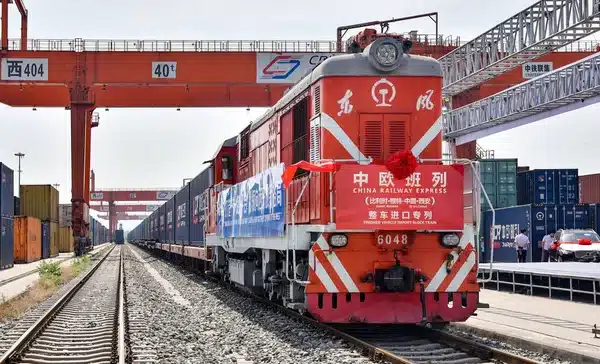
Railway freight services between China and Europe are part of the New Silk Road, also known as the Belt and Road Initiative. The New Silk Road includes a network of rail routes that connect major industrial cities in China to key hubs across Europe. With rail freight, goods are transported using container trains, providing a balance between speed and cost compared to sea and air freight.
Railway freight typically takes between 15-25 days, depending on the origin and destination points, as well as customs procedures along the way. It offers an ideal solution for businesses needing faster transit than sea freight but at a lower cost compared to air freight.
Germany: Germany, particularly the cities of Duisburg and Hamburg, is one of the main destinations for Chinese rail freight. These hubs provide efficient distribution to other parts of Europe.
Poland: Poland, with major hubs in Warsaw and Malaszewicze, acts as a central transit point for goods entering Europe by rail and distributing to neighboring countries.
Netherlands: Rotterdam, a significant logistics hub, serves as an entry point for rail shipments from China to the Netherlands and beyond.
Belgium: Antwerp and Liege are key destinations, offering connections to other European markets.
France: Paris and Lyon receive direct rail shipments from China, making France a prominent recipient of Chinese goods via rail.
Italy: Rail freight reaches cities like Milan, facilitating trade between China and Italy.
Spain: Madrid and Barcelona serve as endpoints for rail freight from China, offering access to southern Europe.
Czech Republic: Prague acts as a regional hub, with rail connections from China supporting distribution throughout Central Europe.
Austria: Vienna receives Chinese rail shipments, providing an important logistics point for goods entering Southeastern Europe.
Russia: Moscow and other major cities are significant destinations for rail freight from China due to Russia’s proximity and extensive rail network.
Hungary: Budapest is emerging as a key destination and transit point for Chinese goods heading into the Balkans and Eastern Europe.
Switzerland: Though landlocked, Switzerland receives rail freight through nearby European hubs, with distribution routes extending into the country.
United Kingdom: Rail freight also reaches the UK, with connections through continental Europe and transit hubs in Germany and France.
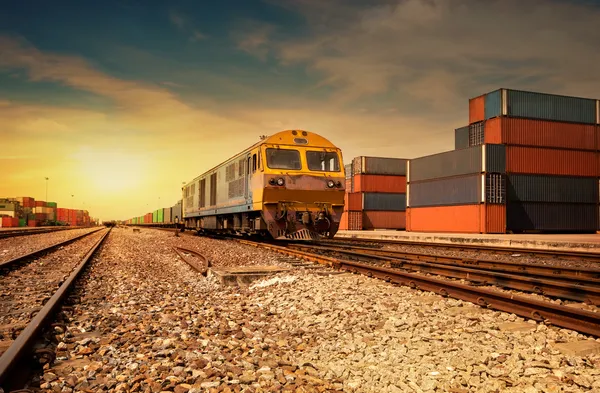
Here’s an overview of the key railway routes connecting China to Europe, which have become essential for facilitating trade across the Eurasian continent:
Learn more: Shipping from China to Germany
Learn more: Shipping from China to Poland
Learn more: Shipping from China to the Netherlands
Learn more: Shipping from China to Italy
Learn more: Shipping from China to the Czech Republic
Learn more: Shipping from China to France
Learn more: Shipping from China to Russia
Learn more: Shipping from China to the UK
| Departure City in China | Arrival City in Europe | Estimated Transit Time |
|---|---|---|
| Chongqing | Duisburg, Germany | 16-18 days |
| Chengdu | Lodz, Poland | 12-14 days |
| Zhengzhou | Rotterdam, Netherlands | 15-17 days |
| Yiwu | Madrid, Spain | 20-22 days |
| Wuhan | Milan, Italy | 18-20 days |
| Xi’an | Prague, Czech Republic | 14-16 days |
| Suzhou | Paris, France | 18-20 days |
| Various Chinese Cities | Moscow, Russia | 10-12 days |
| Changsha | Budapest, Hungary | 16-18 days |
| Yiwu | London, United Kingdom | 18-20 days |
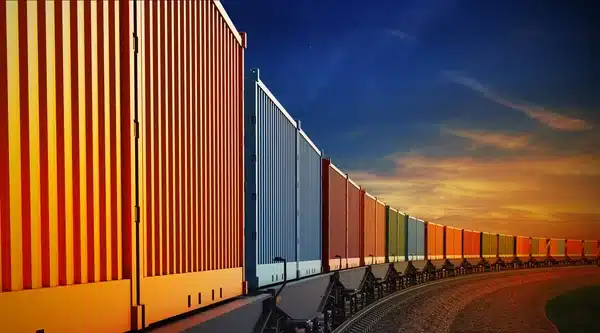
1. Faster Transit Times Compared to Sea Freight
Railway freight provides a faster shipping solution compared to sea freight. While sea freight can take 30-40 days to reach Europe, rail freight can reduce transit times to as little as 15-25 days, making it ideal for shipments that need to arrive more quickly without incurring the high costs of air freight.
2. Cost-Effective Alternative to Air Freight
Compared to air freight, which can be prohibitively expensive for large shipments, rail freight provides a more affordable solution. Businesses can benefit from faster delivery times than sea freight while keeping shipping costs significantly lower than air freight.
3. Environmentally Friendly
Rail transport is more environmentally friendly compared to air and road transport. It produces fewer greenhouse gas emissions per ton-kilometer, making it a greener choice for businesses seeking to reduce their carbon footprint and adopt more sustainable shipping practices.
4. Reliable and Secure Shipping
Railway freight is generally reliable, with fixed schedules and dedicated routes. Containers are securely loaded onto freight trains, minimizing the risk of theft or damage. Moreover, rail shipments are less affected by weather disruptions compared to sea freight, providing greater reliability.
5. Flexible Service Options
Rail freight offers a range of service options, including Full Container Load (FCL) and Less than Container Load (LCL). FCL is suitable for larger shipments that require a full container, while LCL allows multiple shipments to be consolidated, making it ideal for smaller loads.
1. Complex Customs Procedures
Since rail freight involves crossing multiple countries, customs procedures can be complex and time-consuming. Each country has its own regulations and requirements, which can lead to delays if documentation is not properly prepared. Working with experienced freight forwarders can help mitigate these challenges.
2. Limited Capacity
Railway freight services are subject to capacity constraints, especially during peak seasons. The increasing popularity of rail freight has led to high demand, and capacity may be limited, leading to potential delays or higher rates.
3. Geopolitical Risks
Railway routes from China to Europe pass through multiple countries, including Russia, Kazakhstan, and Belarus. Geopolitical tensions or changes in regulations can affect the smooth movement of goods along these routes, leading to delays or disruptions.
4. Higher Costs than Sea Freight
While rail freight is more cost-effective than air freight, it is generally more expensive than sea freight. Businesses must weigh the cost difference against the benefits of faster transit times to determine if rail freight is the best option for their needs.
The cost of railway freight depends on factors such as the route, container size, cargo weight, and volume. Below are general estimates for Full Container Load (FCL) and Less than Container Load (LCL) shipments:
| Departure City in China | Arrival City in Europe | 20ft Container (FCL) | 40ft Container (FCL) | LCL (USD per CBM) |
|---|---|---|---|---|
| Chongqing | Duisburg, Germany | $3,500 – $4,500 | $5,500 – $6,500 | $120 – $150 |
| Chengdu | Lodz, Poland | $3,000 – $4,000 | $5,000 – $6,000 | $110 – $150 |
| Zhengzhou | Rotterdam, Netherlands | $3,500 – $4,500 | $5,500 – $6,500 | $100 – $150 |
| Yiwu | Madrid, Spain | $4,000 – $5,000 | $6,000 – $7,000 | $120 – $150 |
| Wuhan | Milan, Italy | $3,500 – $4,500 | $5,500 – $6,500 | $100 – $150 |
| Xi’an | Prague, Czech Republic | $3,000 – $4,000 | $5,000 – $6,000 | $130 – $180 |
| Suzhou | Paris, France | $3,800 – $4,800 | $5,800 – $6,800 | $100 – $150 |
| Various Chinese Cities | Moscow, Russia | $2,000 – $3,000 | $4,000 – $5,000 | $100 – $150 |
| Changsha | Budapest, Hungary | $3,500 – $4,500 | $5,500 – $6,500 | $120 – $150 |
| Yiwu | London, United Kingdom | $4,500 – $5,500 | $6,500 – $7,500 | $120 – $150 |
Customs Clearance Fees:
Insurance:
Documentation Fees:
Last-Mile Delivery:
These rates offer a cost-effective alternative to air freight and a faster option compared to sea freight.
| Step | Description |
|---|---|
| 1. Choose a Freight Forwarder | Research and select a reliable freight forwarder with experience in China-Europe rail logistics. Request a quote for your cargo. |
| 2. Prepare Documentation | Collect necessary documents: Commercial Invoice, Packing List, Bill of Lading or Rail Waybill, Certificate of Origin, and any special permits. |
| 3. Select Freight Service Type | Choose FCL for a full container or LCL for shared space in a container. |
| 4. Plan Pickup and Consolidation | Arrange pickup from your supplier and consolidate goods if using LCL. |
| 5. Export Customs Clearance in China | Submit documents to Chinese customs through your forwarder. Forwarder handles customs clearance and inspection if required. |
| 6. Track Shipment During Transit | Use tracking provided by the forwarder to monitor the shipment’s route and estimated arrival time (12-25 days). |
| 7. Import Customs Clearance in Europe | Forwarder submits import documentation to European customs, pays duties, and handles any inspection. |
| 8. Arrange Final Delivery | Choose delivery to a warehouse, distribution center, or consignee’s address. Last-mile delivery can be arranged if needed. |
| 9. Receive and Confirm Delivery | Inspect goods upon arrival and confirm receipt with the forwarder or delivery agent. |
Here’s a list of essential documents required for rail shipping from China to Europe:
| Document | Description |
|---|---|
| Commercial Invoice | Lists the value, description, and quantity of goods. Used for customs valuation and duty calculation. |
| Packing List | Details the contents, weight, and dimensions of each package, helping customs identify cargo contents. |
| Bill of Lading or Rail Waybill | Acts as a contract and receipt of goods for the shipment, specifying the route and cargo details. |
| Certificate of Origin | Certifies the origin of the goods, required by customs to verify the country of manufacture. |
| Customs Declaration Form | Official document for declaring goods to customs, used by both China and the European destination country. |
| Insurance Certificate | Provides proof of insurance coverage, typically 0.2% – 0.5% of the cargo’s value, protecting against transit risks. |
| Import Licenses or Permits (if applicable) | Required for certain restricted or regulated goods, such as electronics or chemicals. |
| Inspection Certificate (if applicable) | Confirms quality or compliance for goods that need inspection or certification, such as machinery or electronics. |
These documents ensure smooth customs clearance and compliance with regulations. A reliable freight forwarder can assist with preparing and submitting these documents to both Chinese and European customs.
1. Plan Ahead
Rail freight services can experience capacity constraints, especially during peak seasons. It is important to plan shipments well in advance to secure space and avoid potential delays.
2. Work with a Reliable Freight Forwarder
Partnering with an experienced freight forwarder is essential for managing the complexities of rail freight, including documentation, customs clearance, and transshipment coordination. A good freight forwarder can also help you navigate any potential challenges along the route.
3. Properly Prepare Documentation
Since rail freight crosses multiple borders, it is crucial to ensure all documentation is properly prepared and complies with the regulations of each country along the route. Incomplete or incorrect documentation can lead to delays and increased costs.
4. Consider Insurance Coverage
Although rail freight is generally secure, it is important to have adequate insurance coverage to protect against potential risks such as theft, damage, or delays. Cargo insurance can provide peace of mind and protect your investment during transit.
5. Monitor Geopolitical Developments
Geopolitical events can affect rail freight routes. Stay informed about developments in countries along the route, such as Russia, Kazakhstan, and Belarus, to anticipate potential disruptions and plan accordingly.
Railway freight from China to Europe is an efficient and cost-effective shipping option that provides a balance between speed and cost compared to sea and air freight. It offers significant benefits, including faster transit times, lower costs than air freight, and environmental advantages. However, it also comes with challenges, such as complex customs procedures, capacity constraints, and geopolitical risks.
By understanding the key routes, costs, and benefits of railway freight, and by working with reliable logistics partners, businesses can take advantage of this growing transportation option to ensure their goods are shipped efficiently and securely from China to Europe.
If you are looking for a reliable partner to handle your railway freight from China to Europe, Tonlexing offers comprehensive logistics solutions tailored to your needs. Our experienced team can help you navigate the complexities of rail transport, ensuring your goods arrive safely and on time. Contact us today to learn more about our services and how we can support your international shipping needs.
Useful freight, customs and importing resources related to this shipping guide.
Rail Freight from China — Fast, Cost-Effective Shipping Rail freight from China is a balanced option between ocean and air—faster than sea and mo...
Read guide →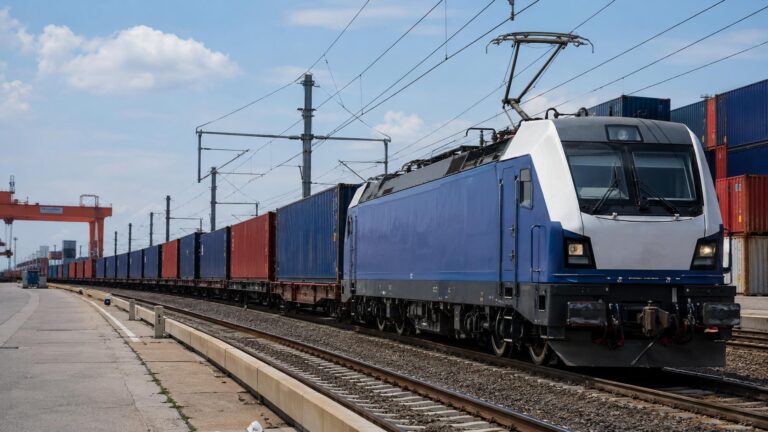
Rail Freight from China to Germany Verified & Reviewed · Last updated June 2026 Rail freight from China to Germany offers a balanced shipping sol...
Read guide →
With the rise of global trade and the expansion of transport networks, rail freight has become a popular and reliable method for shipping goods f...
Read guide →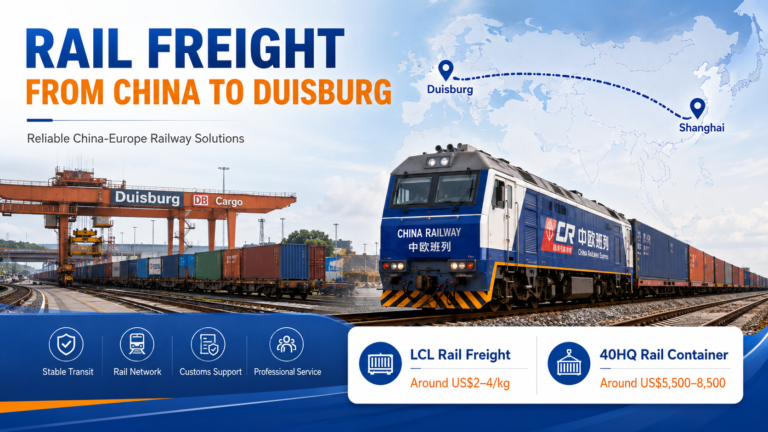
Rail Freight from China to Duisburg: Cost, Transit Time and Routes Verified & Reviewed · Last updated June 2026 Rail freight from China to Duisbu...
Read guide →International shipping from China to Europe remains one of the most vital trade routes in global logistics. With Europe being a massive consumer...
Learn more → Useful Resource Rail freight vs sea freight: China to RussiaChina and Russia share one of the most vital trade corridors in Eurasia, supporting a growing volume of exports across industries such as machine...
Learn more →WhatsApp us