

Ocean Freight — Sea Freight Rates, Transit Time & FCL/LCL Guide
Ocean freight from China is the most cost-effective way to move large volumes internationally. If you’re shipping regular replenishment stock, bulky cargo, or full container loads, sea freight offers stable capacity and the lowest cost per unit—ideal for long-distance supply chains.
In this guide, you’ll learn the key sea freight options (FCL vs LCL), major Chinese ports, what drives ocean freight rates from China, and typical transit times by lane. We’ll also walk through the step-by-step shipping process, the pros and cons of sea freight, and how to track your container online—so you can plan shipments with fewer surprises.
FCL vs LCL Options
Rates & Transit Time
Ports, Process & Tracking
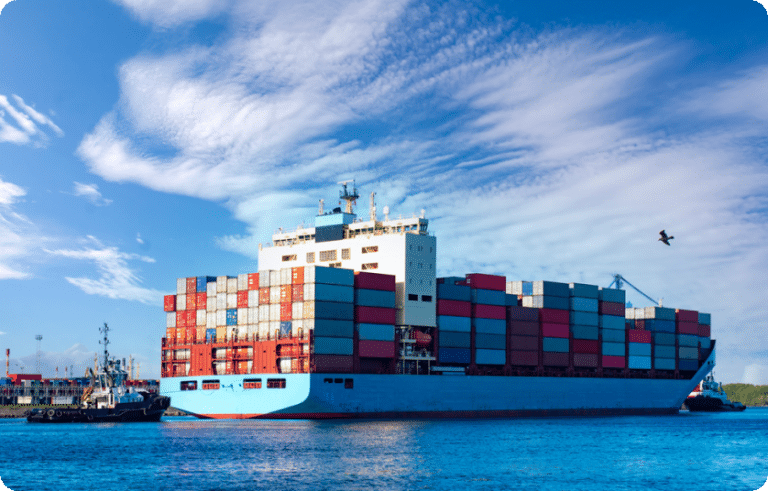
- Experienced China-based logistics specialists
Sea Freight Shipping from China
Looking to move bulk cargo across continents? Our sea freight services from China offer dependable, affordable, and scalable shipping options to destinations including the USA, UK, Europe, Southeast Asia, and Africa. With access to major Chinese ports and partnerships with leading ocean freight carriers, we help you streamline every step—from container loading to customs clearance and door-to-door delivery. Whether you’re importing full containers (FCL) or sharing space (LCL), Tonlexing ensures smooth, transparent, and on-time shipping from China.
Table of Contents
- 1. Why Choose Sea Freight from China?
- 2. Types of Sea Freight from China: FCL vs LCL
- 3. Major Chinese Ports for Ocean Freight
- 4. How Much Does Sea Freight from China Cost?
- 5. How Long Does Sea Freight from China Take?
- 6. Step-by-Step Sea Freight Process from China
- 7. Pros and Cons of Sea Freight from China
- 8. Online Ocean Freight Tracking Guide
- 9. Conclusion: Optimize Your Sea Freight from China in 2025
- 10.Frequently Asked Questions (FAQs)
Why Choose Sea Freight from China?
Sea freight shipping from China remains the most cost-effective and widely used method for international cargo transport in 2025. As one of the world’s largest exporters, China offers vast ocean shipping options through its major ports such as Shanghai, Shenzhen, Ningbo, and Qingdao. Whether you’re importing full containers or small shipments, sea freight from China allows for flexible, reliable, and scalable logistics solutions.
Thousands of global companies rely on china ocean shipping services to move goods across continents—especially to destinations like the USA, UK, Europe, Southeast Asia, and Africa. From shipping containers from China to managing customs and transit times, understanding how sea freight shipping from China works is essential for minimizing costs and optimizing delivery schedules.
In this comprehensive guide, we’ll explore:
Different types of sea freight from China
How to get an accurate ocean freight quote
Key players: Chinese shipping companies and freight forwarders
Port-to-port vs. door-to-door shipping
Customs clearance, container loading, and documentation
Typical shipping costs from China to popular destinations like the USA and UK
Tips to find the best rate freight and avoid delays
By the end of this guide, you’ll know exactly how to plan your shipment from China, calculate your logistics costs, and select the right china freight option for your business.
Types of Sea Freight from China: FCL vs LCL
When planning your shipping freight from China, one of the first decisions is choosing between FCL (Full Container Load) and LCL (Less than Container Load). Both options are part of standard sea freight from China, but they serve different shipping needs depending on cargo volume, urgency, and cost sensitivity.
FCL – Full Container Load
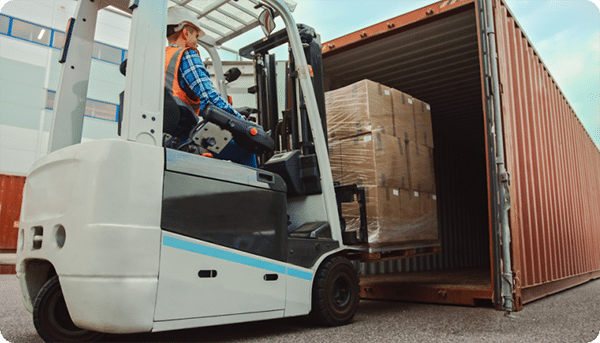
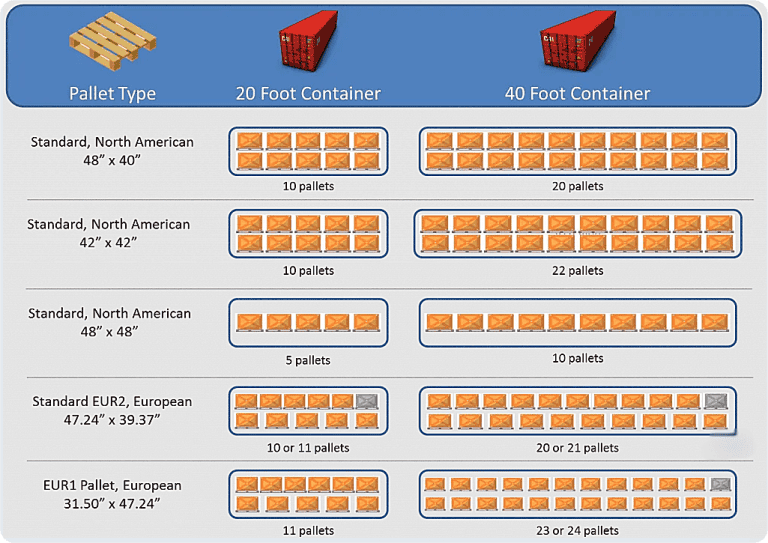
FCL is ideal when your cargo is enough to fill a 20ft or 40ft china shipping container. You pay for exclusive use of the container, regardless of whether it’s completely full. This option offers:
Lower cost per unit
Reduced risk of damage
Shorter handling time at origin and destination
FCL ocean freight from China is highly preferred for large-volume exports to the USA, UK, and EU, especially when dealing with standardized goods or repeat orders.
LCL – Less than Container Load
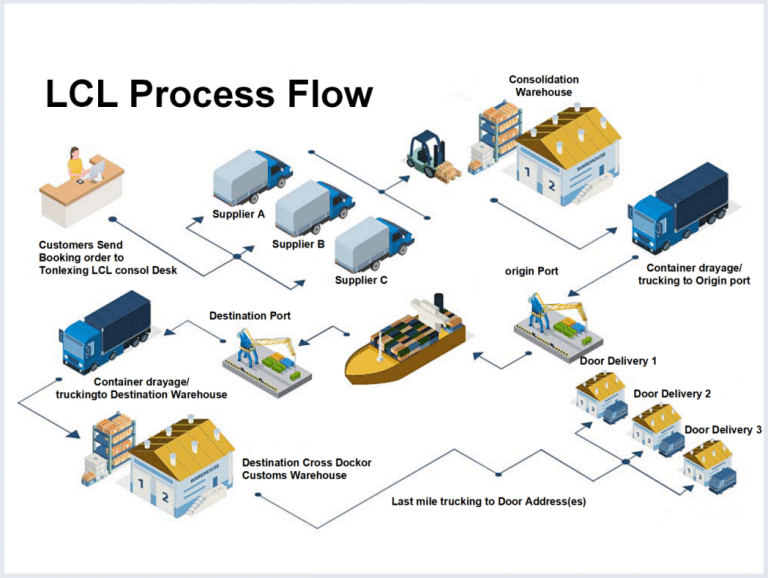
LCL is a cost-efficient option when your cargo doesn’t fill an entire container. In this mode, your goods share space with other shipments from China, and charges are typically calculated by volume (CBM). LCL sea shipping from China suits small businesses or infrequent importers and includes:
Lower upfront costs
More flexible booking
Ideal for testing new markets
However, since LCL cargo is consolidated and deconsolidated, it may involve longer transit times and slightly higher risk of delays.
Choosing the Right Option
Whether you’re shipping freight from China to USA or sending goods to Africa or Europe, choosing the right mode depends on:
Cargo volume and weight
Delivery deadlines
Packaging and cargo type
Your budget for china ocean freight
Consulting with experienced freight forwarders in China can help you make the best choice for your business.
Major Chinese Ports for Ocean Freight
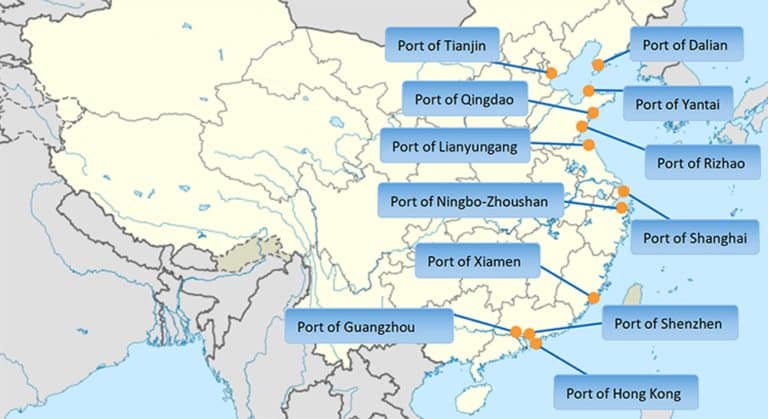
China’s vast network of ports makes it a global powerhouse in sea freight shipping. Whether you are looking to transport goods to the United States, Europe, Africa, or South America, choosing the right port of departure is crucial for optimizing shipping time and cost. The country’s top maritime hubs support millions of china sea freight movements annually, making them key players in international trade.
Port of Shanghai
As the busiest container port in the world, Shanghai handles the bulk of china ocean shipping. It connects exporters to over 500 global ports and is the top choice for large-scale shipping from China to USA and Europe.
Port of Shenzhen
Shenzhen, located in Guangdong province, is a leading gateway for chinese cargo and technology-related exports. Its efficiency and access to major shipping companies in China make it ideal for time-sensitive goods.
Port of Ningbo-Zhoushan
Ningbo-Zhoushan offers vast terminal capacity, supporting both FCL and LCL shipments from China. It’s frequently used by exporters in East China and is well-known for providing fast access to sea freight from China to UK and the Middle East.
Port of Guangzhou
This port supports a diverse range of industries and is favored by many freight forwarders for its flexibility. Shipping freight from China via Guangzhou is especially common for consumer goods, chemicals, and machinery.
Port of Qingdao
Qingdao is one of North China’s leading export hubs. It plays a major role in china sea delivery for industries like automotive parts, textiles, and heavy equipment.
Why Port Selection Matters
Choosing the right port impacts:
Total shipping costs from China
Transit times to final destinations
Access to reliable chinese shipping companies
Efficiency in handling customs and loading
Many exporters work closely with freight forwarding agents in China to select the most efficient route based on product type, destination, and seasonal schedules.
How Much Does Sea Freight from China Cost?
When planning your ocean freight from China, understanding the cost structure is essential. Sea freight shipping is typically more affordable than air freight, especially for bulk cargo, but the final shipping cost from China can vary significantly depending on multiple factors.
Key Factors Affecting Sea Freight Rates
Several variables impact your final sea freight quotation:
Origin and destination ports (e.g., Shanghai to Los Angeles vs. Qingdao to Hamburg)
Cargo type and weight
Shipping method: FCL or LCL
Peak seasons and fuel surcharges
Customs handling fees
The average china freight rates for sea shipping to major destinations in 2025 are:
Container Shipping Costs from China to Major Countries(April 2025)
FCL container shipping from China to global destinations | Container Type | Ocean Freight Rates (USD) |
|---|---|---|
How much does it cost to ship a container from China to USA? | 20FT / 40FT FCL | $1250 / $1950 |
What is the ocean freight from China to UK? | 20FT / 40FT FCL | $1500 / $2500 |
Container shipping rate from China to Germany – 20ft & 40ft | 20FT / 40FT FCL | $1550 / $2600 |
Sea freight cost from China to Canada – updated pricing | 20FT / 40FT FCL | $1600 / $2700 |
Ocean cargo rate from China to Australia – per container | 20FT / 40FT FCL | $1550 / $2550 |
Shipping full container from China to UAE – 20GP / 40HQ | 20FT / 40FT FCL | $1400 / $2400 |
Sea container price from China to Saudi Arabia – FCL | 20FT / 40FT FCL | $1550 / $2550 |
Cost to ship 20ft/40ft container from China to South Africa | 20FT / 40FT FCL | $1600 / $2650 |
Ocean freight rates from China to Singapore – FCL | 20FT / 40FT FCL | $1250 / $2250 |
How much to ship a container from China to Brazil? | 20FT / 40FT FCL | $1550 / $2550 |
Note: LCL shipments are usually charged by CBM (cubic meters) with average rates ranging from $30 to $80 per CBM, depending on route and cargo.
How to Get an Accurate Ocean Freight Quote
To receive a precise ocean freight quote, your freight forwarder will usually ask for:
Dimensions and weight of your cargo
Packing list or commercial invoice
Preferred departure and arrival ports
Shipping terms and service type (door-to-port, door-to-door, etc.)
You can also use a CBM calculator to estimate volume-based pricing and calculate the most cost-effective option. Requesting multiple shipping quotes from China to USA or EU will help you compare and find the best rate freight for your cargo.
How Long Does Sea Freight from China Take?
The transit time for sea freight from China depends on several factors including the origin and destination ports, the type of service (FCL or LCL), customs clearance speed, and carrier scheduling. On average, you can expect the following transit times:
Transit time for container shipping from China to global destinations | Estimated Transit Time (Days) |
|---|---|
Transit time from China to USA by sea | 20–30 days |
Transit time from China to UK – ocean freight | 25–35 days |
Sea freight delivery time from China to Germany | 22–32 days |
Shipping duration from China to Canada – 20ft/40ft FCL | 24–34 days |
Ocean freight transit time from China to Australia | 18–25 days |
How long does it take to ship container to UAE from China? | 16–22 days |
Transit days from China to Saudi Arabia – container shipping | 18–26 days |
Sea freight time from China to South Africa | 30–40 days |
Container shipping lead time from China to Singapore | 12–18 days |
How long is the ocean shipping time from China to Brazil? | 35–45 days |
Key Factors Influencing Transit Time
Port Distance & Route Selection
Transit time differs widely between west coast and east coast US ports or inland versus coastal European destinations.Shipping Mode: FCL vs LCL
LCL may take longer due to cargo consolidation and deconsolidation processes at both ends.Customs Clearance Efficiency
Delays often occur during export or import customs checks—working with a skilled freight forwarder helps reduce this risk.Carrier Scheduling & Space Availability
Booking during peak seasons or with low-tier shipping lines can increase waiting times for vessel departure.
How to Speed Up Your Shipment
Choose direct routes over transshipment paths
Work with experienced shipping companies in China who provide space guarantees
Prepare complete customs documentation in advance
Consider door-to-door services to reduce inland transport delays
Step-by-Step Sea Freight Process from China
Understanding the complete sea freight shipping process from China is critical for importers looking to save time and avoid costly mistakes. Whether you’re shipping FCL or LCL, working with a trusted freight forwarder in China ensures smooth coordination from factory to final destination.
Get a Shipping Quote
Start by requesting an ocean freight quote from multiple chinese shipping companies or international forwarders. You’ll need to provide:
Cargo details (dimensions, weight, product type)
Pickup and delivery addresses
Preferred shipping terms (e.g., FOB, CIF)
This step helps you compare shipping rates from China and select the best rate freight.
Book Space & Arrange Pickup
Once a quote is confirmed, the forwarder books space with a china ocean shipping line. If your Incoterm is EXW, they’ll also arrange pickup from your supplier.
Export Customs Clearance
Before cargo leaves China, export customs clearance is required. Your freight forwarder will prepare and submit key documents:
Packing List
Commercial Invoice
Export Declaration
Customs code for goods
This step ensures compliance and avoids delays at the port.
Container Loading at Port
For FCL, a full container is delivered to your supplier or loaded at a warehouse. For LCL, goods are consolidated with other china cargo shipping orders. The container is then sealed and transported to the port terminal for departure.
Sea Transport
Once loaded, the container sails from the departure port (e.g., Shanghai, Ningbo) to the destination country. This leg can take 15 to 35 days depending on route and schedule.
Import Customs & Delivery
Upon arrival, the container is unloaded and subject to import customs clearance. Once cleared, your forwarder arranges:
Port pickup
Inland trucking (if door-to-door service is chosen)
Final delivery to your warehouse or fulfillment center
Importing a Container from China: What to Know
If you’re planning to import a container from China, ensure you:
Use a CBM calculator to estimate volume and cost
Work with reliable freight forwarding companies in China
Understand Incoterms and your customs responsibilities
Plan ahead during peak shipping seasons
By following this process, businesses can achieve predictable timelines, transparent china sea freight pricing, and efficient cargo handling.
Pros and Cons of Sea Freight from China
Sea freight from China is a cornerstone of global trade, offering a reliable and scalable way to move goods across long distances. However, like any logistics method, it comes with both strengths and limitations. Here’s what you need to consider when evaluating china ocean freight for your shipping strategy.
Advantages of Sea Freight
Cost-Effective for Large Shipments
Compared to air transport, shipping by sea from China to USA or Europe is significantly more affordable per unit—especially for bulk or heavy goods.
High Volume Capacity
A standard 40-foot container can hold up to 67 CBM, making china sea freight ideal for manufacturers, distributors, and wholesalers dealing with high-volume shipments from China.
Wide Global Coverage
China’s ports are connected to nearly every continent through major shipping lines. Whether you need to ship to the USA, UK, Africa, or South America, sea freight from China offers reliable access to global markets.
Environmentally Friendly
Ocean shipping generally has a lower carbon footprint per ton of cargo compared to air freight, making it a better option for companies prioritizing sustainability.
Disadvantages of Sea Freight
Longer Transit Times
Sea freight from China to the USA can take 15–35 days depending on route, weather, and customs clearance—significantly longer than air shipping.
Complex Customs & Handling
Shipping freight from China to the US or EU involves various customs procedures, local taxes, and regulatory compliance. Delays may occur if documentation is incomplete or incorrect.
Seasonal Congestion
During peak seasons (e.g., pre-Chinese New Year, Q4 holidays), china shipping container availability can be limited, leading to space shortages and higher rates.
Risk of Delays
Port strikes, customs inspections, and vessel schedule changes can all impact china ocean shipping timelines. Partnering with experienced freight forwarders helps mitigate these risks.
By understanding the pros and cons, you can determine if sea freight in China is the best fit for your logistics goals. It’s often the most viable choice when balancing cost, volume, and flexibility in international shipping.
Online Ocean Freight Tracking Guide
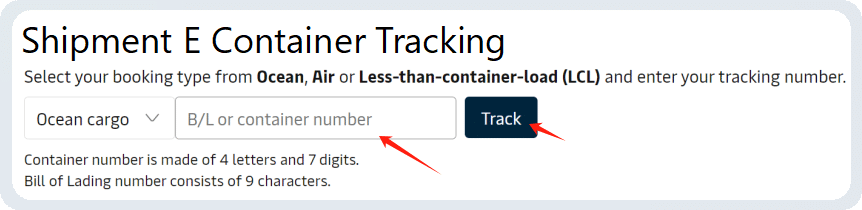
Navigate to the shipping line’s official website and select the carrier responsible for your shipment. Enter your container number, booking reference, or BL (Bill of Lading) number into the provided field, then click on the “Track Shipment” button. This process allows you to access up-to-date tracking details for your shipment.
Tonlexing is a prominent ocean freight forwarding company boasting a comprehensive global logistics network across all five oceans. Our ocean freight services from China to worldwide destinations cover every major port in China (Shenzhen, Shanghai, Tianjin, Ningbo, Qingdao, etc.).Our goal is to optimize your ocean freight transit time and costs, leveraging the expertise of our ocean shipping specialists to assist you in selecting the most suitable shipping solutions. Coverage for all major ocean trade lanes, ensuring equipment availability and vessel space through space guarantee commitments. We offer a diverse selection of carriers, ensuring standardized, seamless, and reliable customer service across international logistics, freight forwarding, supply chain management, and global shipping operations. Tonlexing has partnered with over 30 leading international ocean freight companies, including MAERSK, MSC, COSCO, APL, CMA, ONE, EMC, HMM, HPL, and more. This extensive network allows us to maintain direct and effective control over space allocation, ensuring competitive tariffs and optimal routing solutions are consistently delivered. Additionally, we offer comprehensive multimodal door-to-door services, transport insurance solutions, packing and unpacking capabilities, specialized handling for automobiles, refrigerated goods, and hazardous materials. Our commitment spans across logistics management, supply chain optimization, and global shipping operations to meet diverse industry needs effectively.
Conclusion: Optimize Your Sea Freight from China in 2025
In 2025, sea freight shipping from China remains one of the most reliable and cost-effective solutions for international trade. Whether you’re a first-time importer or a seasoned supply chain professional, understanding how to manage your china ocean shipping—from selecting the right container to handling customs—is key to business success.
By working with experienced freight forwarders, choosing optimal ports, and using tools like a CBM calculator, you can efficiently manage shipments from China while minimizing delays and unexpected costs.
If your business relies on high-volume trade, china sea cargo is not just an option—it’s a strategic advantage.
Frequently Asked Questions (FAQs)
How long does sea freight take from China to the USA?
Transit time ranges from 15 to 35 days, depending on the port of origin (e.g., Shanghai, Shenzhen) and destination port (e.g., Los Angeles, New York). For faster alternatives, some importers consider air cargo from China, though it’s more expensive.
How can I request a sea freight quote from China?
You can get a sea freight quote by contacting a freight forwarder or logistics provider. They’ll need cargo details, weight, volume (in CBM), and origin/destination ports. For the most accurate pricing, request a shipping quote from China to USA or your specific country using real shipment data.
Can I ship small cargo via sea freight?
Yes. If your cargo is less than a full container, you can ship via LCL (Less than Container Load). This allows your goods to share space in a container with other cargo shipping to China or from China to other destinations.
Is sea freight available to all countries?
Absolutely. China sea freight connects with global ports in North America, South America, Europe, Africa, the Middle East, and Southeast Asia. Major shipping lines provide wide coverage, including ocean freight to China for importers.
What’s the difference between sea freight and air cargo from China?
Sea freight is cheaper and suited for large, heavy, or non-urgent goods.
Air cargo from China is faster and better for high-value or time-sensitive items.
Cost per kg is significantly lower with sea freight, but transit time is longer.
Ready to Ship from China?
Looking for the best sea freight solution from China? Our expert team at Tonlexing offers:
FCL & LCL shipping
Competitive china freight rates
Door-to-door service
Real-time tracking and customs support
Contact us today to get a personalized ocean freight quote and start shipping smarter.