Related Guide
Shipping from China to UAE
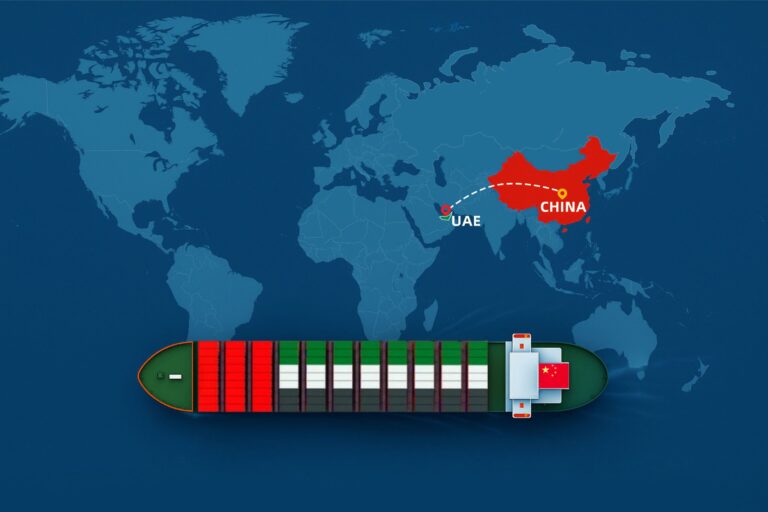
Shipping from China to UAE is fast and cost effective with air freight and sea freight options. Explore shipping time, costs, and door to door se...
Read guide →

Sea freight from China to UAE depends on shipping costs, transit times, container options, and customs-related charges.
This guide explains sea freight shipping from China to the UAE, including FCL and LCL shipping, major ports such as Jebel Ali and Khalifa Port, customs clearance, import costs, and door to door delivery solutions for commercial cargo.
FCL / LCL Shipping
Transit Time to UAE
Customs & Door to Door
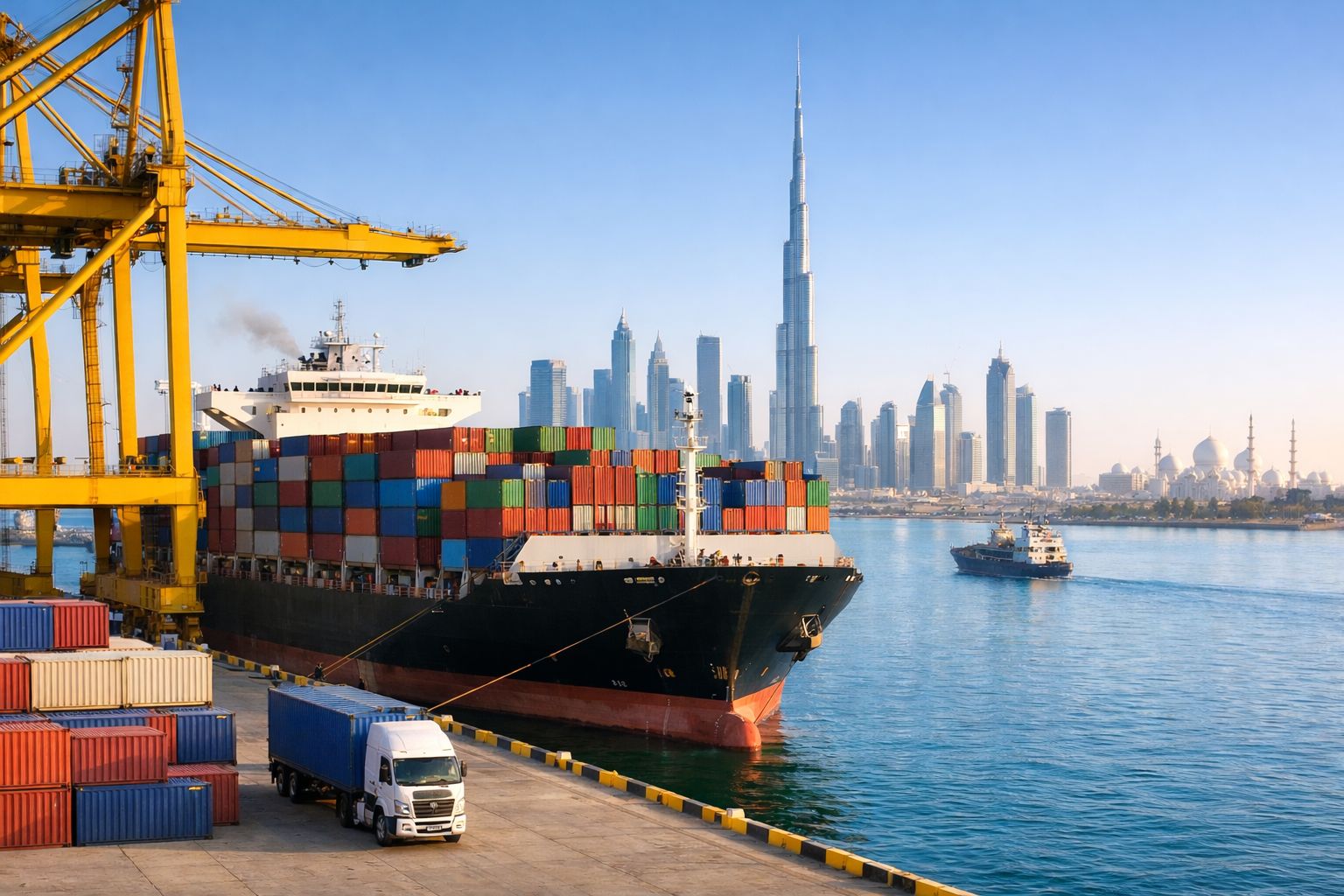
For many businesses, sea freight is the most efficient shipping method when cargo volume is too large for air cargo or when cost control is a priority. Compared with express air freight services, sea freight usually provides lower cost per unit and much better container space for regular commercial shipments.
Sea freight is a practical choice for businesses that:
ship goods internationally on a recurring basis
transport cargo in larger volumes
move general and bulk cargo
require shipping containers for wholesale, retail, or project cargo
want a cost effective shipping solution with predictable planning
The United Arab Emirates is also one of the most important logistics hubs in the Middle East. Cargo moving from China to the UAE can serve local demand in Dubai and Abu Dhabi, or support regional distribution into neighboring markets.
When planning sea freight from China to UAE, importers usually choose between full container load service and less than container load service. The right shipping option depends on cargo volume, budget, product type, and delivery timeline.
Full container load shipping, means one shipper uses the entire container. This option is usually the best fit for larger shipments or for businesses that want better cargo control throughout the shipping process.
FCL is commonly used for:
machinery
furniture
building materials
consumer goods
larger commercial inventory orders
Because the container moves as a single shipment, FCL usually involves fewer handling steps, lower risk of cargo mixing, and more stable transit planning. For businesses with recurring orders, it is often the most efficient long-term shipping method.
Less than container load shipping, is designed for smaller shipments that do not need a full container. In this model, cargo is consolidated with shipments from other exporters, and the freight cost is usually charged by volume.
LCL is often suitable for:
smaller shipments
trial orders
low-volume replenishment
importers that want more flexible shipping options
Although LCL can reduce the upfront shipping cost, it usually requires more consolidation and deconsolidation work, which means more handling steps and slightly longer transit times than FCL shipping.
Shipping costs from China to UAE depend on the shipping method, cargo volume, origin port, destination, and service scope. For most importers, sea freight remains the most cost-effective option for larger shipments, while air and express services are more suitable for urgent or high-value cargo.
Besides the base freight rate, businesses should also consider customs duty, VAT, destination handling, documentation fees, and final delivery charges when evaluating the total landed cost.
Sea freight is usually the best choice for full container load cargo and regular commercial shipments. LCL shipping works well for smaller shipments, while air cargo and express delivery are more suitable when speed is more important than cost.
The table below shows general reference rates for shipping from China to UAE.
| Shipping Method | Estimated Cost | Best For |
|---|---|---|
| FCL 20GP | USD 750 to USD 2,350 | Large commercial cargo |
| FCL 40GP or 40HQ | USD 1,350 to USD 4,100 | Higher volume shipments |
| LCL per CBM | USD 16 to USD 150 | Smaller shipments |
| Air Freight | USD 4 to USD 5.30 per kg | Urgent cargo over 300 kg |
| Express Shipping | AED 10 to AED 13 per kg | Small urgent shipments |
These rates are only market references. Actual pricing may change depending on season, shipping lines, cargo type, and whether the shipment includes door to door service.
Freight charges are only one part of the overall shipping budget. Importers should also pay attention to customs-related and destination-side costs, especially when planning commercial shipments into Dubai, Abu Dhabi, or other UAE destinations.
Additional costs may include:
customs duty, which is commonly around 5% of CIF value for many goods
5% VAT on most commercial imports
port handling and terminal charges
documentation fees
customs clearance service fees
inland transport and final delivery costs
For some shipments, DDP shipping may also be available. In that case, the logistics provider includes a broader range of shipping, customs, and delivery charges in one overall quote, which can make budgeting easier for the importer.
Ocean freight rates between China and the UAE can move up or down based on several market and operational factors. Understanding these factors helps businesses build a stronger shipping strategy.
Origin and Destination Port
Rates vary depending on the port locations selected. Major Chinese ports usually have more shipping lines and better sailing frequency, which can improve both pricing and route flexibility.
Cargo Type and Shipment Volume
General cargo is easier to handle than dangerous goods, oversized cargo, or regulated products. Larger volumes may improve cost efficiency, while low-density cargo can push LCL pricing higher.
Seasonal Demand and Carrier Space
Freight markets change throughout the year. During busy periods, container space can tighten, and shipping companies may increase rates quickly. Early booking is often important for maintaining competitive pricing.
Service Scope
A basic port to port booking costs less than a full door to door service. When the shipment includes pickup, warehousing, customs clearance services, tracking services, or inland trucking, the total freight shipping cost will increase.
Transit times for sea freight from China to UAE mainly depend on the origin port, destination, vessel schedule, and shipping method. Direct services are usually faster than transshipment routes, and FCL is often more stable than LCL because it involves fewer handling steps.
The following table shows common reference transit times for major shipping routes from China to the UAE.
| Origin Port in China | Destination Port in UAE | Estimated Transit Time |
|---|---|---|
| Shenzhen / Guangzhou | Jebel Ali / Khalifa Port | 13–22 days |
| Shanghai / Ningbo | Jebel Ali / Khalifa Port | 18–28 days |
| Qingdao / Tianjin | Jebel Ali / Khalifa Port | 22–32 days |
| Xiamen | Jebel Ali / Khalifa Port | 16–25 days |
Note: Direct vessel services are often around 5 to 7 days faster than transshipment services, although the actual difference depends on the carrier and the route arrangement.
The shipping method can significantly change the overall delivery timeline.
FCL shipping is usually the fastest and most reliable sea freight option because the container is loaded once and moved directly through the shipping process with fewer handling steps.
LCL shipping is usually slower than FCL by around 7 to 10 days. This is because the cargo must first be consolidated with other shipments at origin and then separated again after arrival, which adds extra handling time.
For businesses with tighter inventory planning or project deadlines, this difference can be important when choosing between FCL and LCL.
For door to door shipping or DDP service, the total transit time is usually around 30 to 40 days. This includes the full logistics chain, not just the ocean leg.
A typical timeline may look like this:
Pickup and export arrangement in China: about 3 to 5 days
Ocean transit: based on the port pair and vessel schedule
Customs clearance and local delivery in the UAE: about 5 to 10 days
Because door to door shipping covers the entire movement from supplier to final destination, it is often the best option for importers who want a simpler shipping process and better coordination.
Port selection plays a major role in both shipping costs and transit reliability. Choosing the right shipping routes can reduce inland transport expense and improve cargo scheduling.
The most commonly used major ports for shipping from China include Shanghai, Ningbo, Shenzhen, Guangzhou, Qingdao, Tianjin, and Xiamen. These gateways offer strong ocean freight services to the Middle East and support a wide range of commercial cargo.
The major UAE ports for international shipping include Jebel Ali, Khalifa Port, Port Rashid, and other port facilities linked to Dubai and Abu Dhabi logistics networks.
Jebel Ali is the best-known hub for containerized cargo entering the United Arab Emirates. It supports strong regional distribution and is widely used by importers shipping goods into Dubai and nearby areas.

Customs clearance is one of the most important steps in the entire shipping process. Even when sea freight moves on time, poor paperwork can delay release and increase total import costs.
A complete and accurate documentation set is essential for smooth customs clearance. Importers should confirm that product descriptions, consignee information, quantity, value, and HS code details are consistent across all documents.
The most common shipping documents include:
commercial invoice
packing list
bill of lading
certificate of origin
product-specific certificates if required
The commercial invoice is especially important because UAE customs uses it to review cargo value and product information. Errors in the commercial invoice can trigger customs delays, customs fees, and additional verification requests.
The customs clearance process usually includes document review, cargo declaration, customs inspection when required, duty assessment, and final release for delivery. Depending on the cargo type and local setup, the importer may work directly with UAE customs or use a customs broker and freight forwarder to manage the process.
An experienced logistics provider can help reduce paperwork errors and improve release efficiency.
When shipping from China to UAE, importers should look beyond ocean freight and consider the full landed cost. In addition to transportation, the final import budget usually includes customs duty, VAT, clearance-related charges, and local destination fees.
For many standard commercial goods, the UAE applies a 5% customs duty based on the CIF value of the shipment. This means the duty is usually calculated on the combined value of the goods, insurance, and freight.
Importers should also keep in mind:
the exact duty rate depends on the product category
some regulated or special goods may face different treatment
incorrect product classification can lead to delays or additional charges
In most cases, imported goods into the UAE are also subject to 5% VAT. The VAT is generally calculated on the customs value plus import duty, which means it becomes part of the total import cost.
Key points include:
standard VAT is usually 5%
VAT is commonly charged on the shipment value after duty is added
some goods may be treated differently depending on local tax rules and business registration status
Besides customs duty and VAT, importers should also budget for local clearance and port-related charges. These costs may vary depending on the port, cargo type, and service arrangement.
Common additional charges may include:
bill of entry fee
delivery order fee
terminal handling charges
inspection or scanning fees
customs broker service fees
inland transport and final delivery charges
Door to door service from China to UAE is a practical option for importers who want a simpler and more coordinated shipping process. Instead of arranging pickup, freight, customs clearance, and final delivery separately, businesses can use one service plan covering the full shipment from the supplier in China to the final destination in the UAE.
A typical door to door service may include:
pickup from the supplier in China
export customs clearance
cargo handling and freight arrangement
import customs clearance in the UAE
destination handling
inland transport and final delivery
This shipping method is often suitable for businesses without a dedicated logistics team, importers who want one provider to manage the shipment, and companies that prefer clearer coordination from origin to destination.
Shipping from China to the UAE is well established, but delays and extra costs can still happen if the process is not managed carefully. In many cases, the main problems do not come from the ocean transit itself, but from weak coordination, incomplete documents, or unexpected destination issues.
Common challenges may include:
inaccurate or incomplete shipping documents
delays in cargo consolidation for LCL shipments
customs clearance problems caused by incorrect product information or HS code issues
port congestion or vessel schedule changes
unexpected destination charges
poor communication between the supplier, freight forwarder, and consignee
delays in inland transport and final delivery after cargo arrival
To reduce these risks, importers should confirm cargo details early, prepare all shipping documents in advance, review the customs requirements before departure, and work with a reliable freight forwarder that understands both China export procedures and UAE import operations.
Freight forwarders play a critical role in international shipping because they manage more than just vessel booking. A strong forwarding partner supports route planning, shipment coordination, cargo consolidation, customs clearance services, and final delivery execution.
A reliable freight forwarder can help with:
route planning and shipping strategy
full container load and less than container load booking
shipping documents review
customs broker coordination
tracking services
final delivery planning
problem solving across the shipping journey
The right freight forwarder helps businesses choose between different shipping methods, balance shipping costs against service level needs, and improve the chance of timely delivery.
For companies shipping from China to the UAE regularly, working with experienced freight forwarders usually means fewer operational mistakes, stronger communication, and better control over the entire shipping process.
Tonlexing supports businesses with sea freight services from China to UAE, including FCL shipping, LCL shipments, customs clearance support, and door to door shipping solutions tailored to cargo type, timeline, and destination requirements.
Sea freight transit times usually range from around 13 to 30 days for port to port shipping, depending on the departure port, carrier schedule, and shipping routes. Door to door service often takes around 30 to 35 days.
Shipping costs vary by cargo type, shipping method, port pair, season, and service scope. As a broad reference, 20GP container rates may range from USD 750 to USD 2,350, while LCL may range from USD 16 to USD 125 per CBM.
FCL shipping is usually better for larger cargo volumes, stronger shipment control, and fewer handling steps. LCL is more suitable for smaller shipments that do not need an entire container.
The most common shipping documents include the commercial invoice, packing list, bill of lading, and certificate of origin when required. Some products may need additional compliance documents.
Yes. Sea freight is generally much more cost effective than air freight for larger shipments and regular commercial supply. Air freight is mainly suitable for urgent shipments and time sensitive cargo.
Useful freight, customs and importing resources related to this shipping guide.
Shipping from China to UAE is fast and cost effective with air freight and sea freight options. Explore shipping time, costs, and door to door se...
Read guide →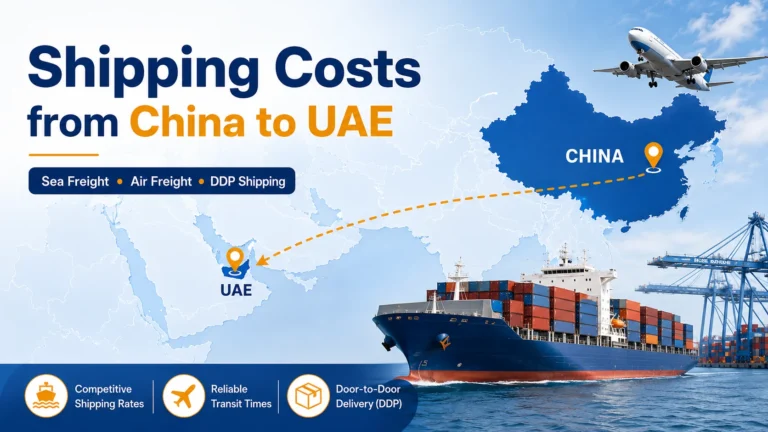
Shipping Costs from China to UAE (2026 Guide) Verified & Reviewed · Last updated June 2026 Shipping costs from China to UAE usually start from $3...
Read guide →
China and the UAE share a robust trade relationship, with goods ranging from electronics and machinery to textiles and consumer goods frequently...
Read guide →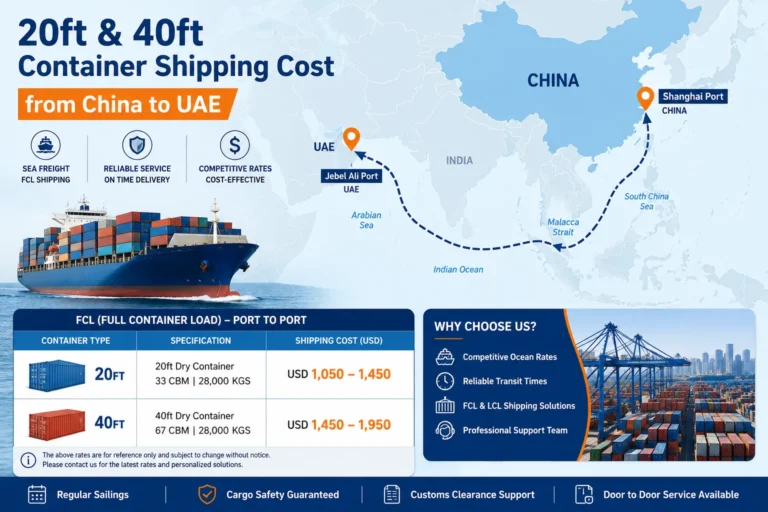
20ft & 40ft Container Shipping Cost from China to UAE Verified & Reviewed · Last updated June 2026 20ft & 40ft Container Shipping Cost from China...
Read guide →Air Freight from China to UAE: Cost, Transit Time & Door-to-Door Shipping Verified & Reviewed · Last updated June 2026 Air freight from China to...
Learn more → Useful Resource DDP Shipping from China to UAEDDP Shipping from China to UAE Verified & Reviewed · Last updated June 2026 DDP shipping from China to UAE is an all-inclusive door-to-door logis...
Learn more →WhatsApp us