Related Guide
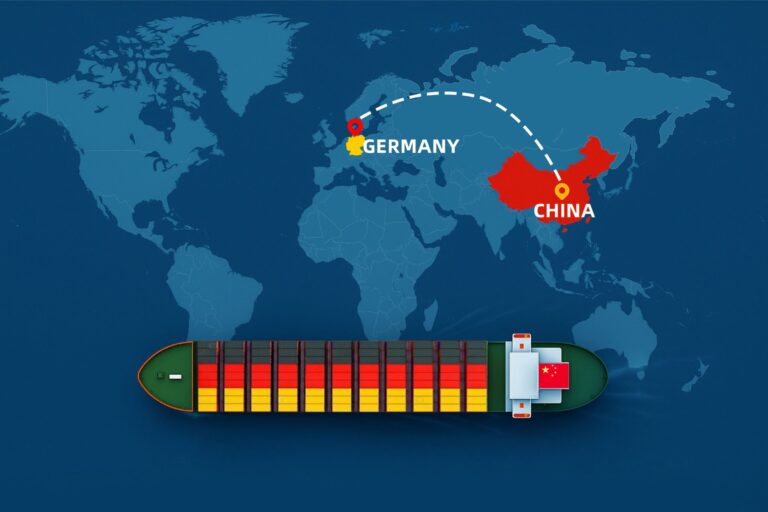
Shipping from China to Germany
Shipping from China to Germany includes efficient logistics via air and ocean freight. Compare transit times, shipping costs, and import requirem...
Read guide →

FCL vs LCL shipping to Germany affects shipping costs, transit time, cargo handling, and customs clearance.
This guide explains the difference between FCL and LCL shipping to Germany, covering cost structure, transit time, major German ports, final delivery, and how to choose the right shipping method based on cargo volume and shipment needs.
Cost comparison
Transit time
Germany ports
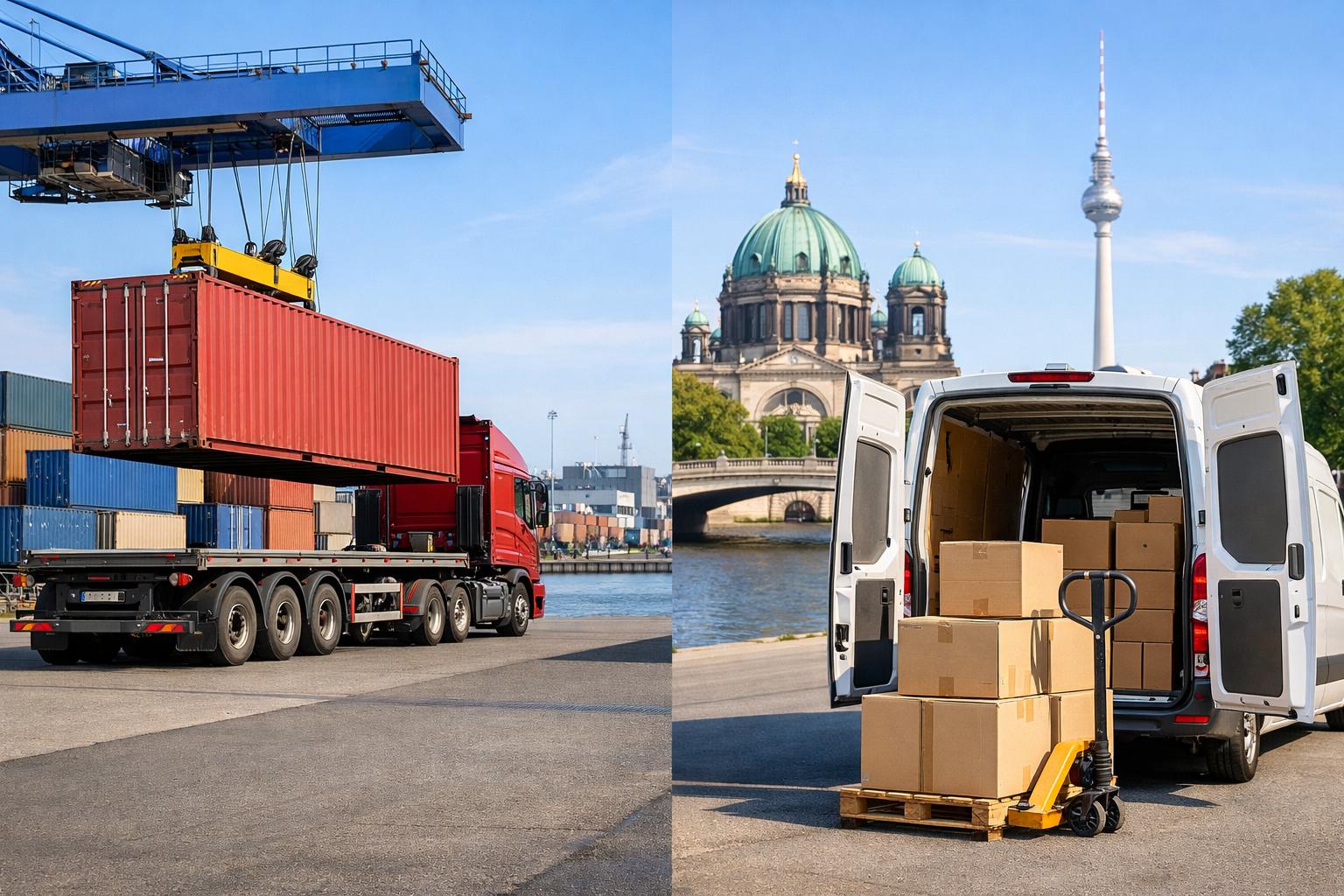
Before comparing these two shipping methods, it is important to understand what each one means in practical terms.
FCL stands for full container load. In this shipping model, one shipper books a single container for a single shipment. Even if the cargo does not use every part of the space, the entire shipping container is still reserved for one customer.
FCL shipments are commonly used for large shipments, frequent deliveries, and cargo that requires better protection. Because the goods move in a dedicated container, the shipping process is usually more direct and more controlled.
LCL stands for less than container load. In this model, importers share container space with other shippers instead of booking a whole container. It is commonly used for partial loads, smaller loads, and cargo that needs to move before there is enough volume to consolidate shipments into a full container.
This option is often chosen by businesses handling smaller shipment volumes and flexible order planning. It can be a practical way to manage low cargo volume without paying for a whole container.
The choice between FCL and LCL shipping to Germany mainly depends on shipment size, cargo volume, delivery urgency, and how much control you need during the shipping process. In general, FCL shipping is better for larger or more sensitive cargo, while LCL shipping is more suitable for smaller shipments that do not require an entire container.
The table below gives a quick comparison of the most important differences, including container use, pricing model, transit time, cargo security, and the best use case for each shipping method.
| Feature | FCL (Full Container Load) | LCL (Less than Container Load) |
|---|---|---|
| Container Use | Exclusive use of a 20' or 40' container | Shared container space with other shippers |
| Pricing Model | Flat rate per container | Charged per cubic meter or shipment volume |
| Transit Time | Faster, with more direct routing and no consolidation | Slower, because cargo needs consolidation and deconsolidation |
| Security | Higher, because the container remains sealed during transit | Moderate, because more handling points increase risk |
| Ideal For | Bulk cargo, fragile goods, high-value products, and frequent shipments | Smaller shipments, startups, test orders, and lower cargo volume |
When comparing FCL vs LCL shipping costs to Germany, the pricing structure is very different. FCL shipping is mainly charged by container, while LCL shipping is usually charged by shipment volume. In most cases, the final cost depends on cargo volume, origin port, destination port, season, and local charges after arrival.
As a general market reference, FCL shipping from China to Germany often falls within the following range:
20GP container: about USD 1,800 to USD 3,500
40ft container: about USD 3,500 to USD 5,800
For LCL shipping, a common reference range is:
LCL shipping: about USD 75 to USD 150 per CBM
These are reference ranges only. Actual shipping costs can move up or down depending on the carrier, route, surcharges, and whether the quote is port to port or includes inland delivery in Germany.
For FCL shipping, you usually pay a fixed rate for the entire container. This makes FCL costs easier to estimate, especially for larger shipments or frequent shipments.
For LCL shipping, the base freight may look lower at first, but the final total can rise because LCL shipments often include extra handling-related charges, such as:
consolidation fees
deconsolidation fees
warehouse handling
destination service charges
In most cases, FCL is faster than LCL shipping to Germany. The main reason is not always the sea voyage itself, but the extra handling steps required for LCL before departure and after arrival.
For FCL, the cargo is loaded into one container, sealed, and moved more directly through the shipping process. For LCL, the cargo usually needs to be consolidated with other shipments at origin and then deconsolidated again at destination. These extra steps often add time and increase the risk of delay.
As a general reference for shipments from major China ports to Germany:
FCL: about 30–35 days
LCL: about 35–45 days
The exact transit time still depends on the origin port, destination port, carrier schedule, customs clearance, and inland delivery arrangements. In general, FCL is the better choice when speed, schedule stability, direct routing, and less cargo handling are more important.
Cargo safety is another major factor when comparing FCL and LCL shipping to Germany.
With FCL, the goods move in a dedicated container, and in many cases the goods remain sealed from origin to the final destination. This means less cargo handling and lower exposure to damage, contamination, or cargo confusion.
With LCL, the goods share container space with other shipments. That means more loading, more unloading, more transfers, and more warehouse handling. While LCL is still widely used and effective for many cargo types, it naturally has more handling risk than FCL.
FCL is often better for:
high-value cargo
fragile goods
sensitive equipment
retail products with strict packaging standards
large shipments that benefit from less handling
LCL is often suitable for:
smaller shipments
lower-value cargo
trial orders
flexible restocking cargo
products that can tolerate more handling steps
For importers that want stronger cargo protection, FCL often offers the better balance of security and control.
Customs clearance is an essential part of shipping to Germany. Whether you use FCL or LCL, the documents must be accurate, the cargo details must be clear, and the declared values must match the shipment.
In general, FCL customs clearance is easier to manage because the cargo belongs to one importer and moves under one main shipping arrangement. LCL shipments can be more complex because multiple shipments are grouped in the same container. If one cargo line faces an issue, it can affect timing and release procedures.
Common customs clearance documents for Germany imports include:
commercial invoice
bill of lading
importer registration information
product compliance files when required
Germany has a structured customs environment, but that does not remove the need for careful preparation. Product descriptions, values, and classifications must be accurate. Good document preparation improves logistics efficiency and reduces avoidable delays.
For many importers, working with an experienced freight forwarder is one of the best ways to make the customs clearance process smoother.

Germany has one of the most efficient logistics networks in Europe. For ocean freight shipments, the main incoming ports are well connected to inland trucking and rail systems, which helps cargo move smoothly to its final destination. However, the delivery process after port arrival is still different for FCL and LCL shipping.
The main incoming ports for ocean freight to Germany include:
Hamburg: The largest port in Germany and one of the most important container hubs in Europe. It is widely used for general cargo, retail products, industrial goods, and regular container shipments.
Bremerhaven: A major destination port for container shipping, with strong capacity in automotive logistics, heavy cargo, and international freight distribution.
Wilhelmshaven: Germany’s leading deep-water port, able to handle very large container vessels and long-haul ocean freight services efficiently.
After port arrival, FCL and LCL follow different delivery processes in Germany.
For FCL shipping, the container can usually move more directly from the port to the consignee’s warehouse or unloading point. Because the cargo stays in the same container until final delivery, there is less cargo handling and better shipment security.
For LCL shipping, the cargo usually needs to go to a warehouse or container freight station first. It is then unpacked, sorted, and separated from other shipments before local delivery is arranged, which usually adds more handling and time.
The right shipping method depends on shipment size, cargo value, delivery urgency, and how much flexibility or control you need in the shipping process. For Germany-bound cargo, FCL and LCL each work better in different situations.
FCL shipping is usually the better choice when the shipment size, cargo value, or delivery requirements justify booking the full container.
FCL shipping often makes more sense when:
you have large shipments
you ship frequently
you need a dedicated container
your goods need less cargo handling
you want the container to remain sealed
you want stronger control over transit time
you want better long-term supply chain stability
FCL is especially attractive for importers with recurring orders, structured inventory planning, and high volume shipments. It can also be the better choice when cargo protection matters more than the lowest possible upfront rate.
LCL shipping is often the right option when the shipment is too small to justify the full cost of an entire container.
LCL shipping usually makes more sense when:
you have smaller shipments
you are shipping occasional orders
your cargo volume is still low
you want to avoid paying for a whole container
you are testing a new market
you are shipping sample or trial orders
your schedule is flexible
For smaller shipment volumes, LCL shipping options help businesses move cargo without waiting to fill a full container. This can be especially useful for new importers, small businesses, and companies managing cautious inventory strategies.
Many importers compare FCL and LCL too quickly and focus only on the most visible part of the quote. In practice, the wrong choice often leads to higher total cost, longer transit time, and more handling risk. A better comparison should look at the full shipping process from origin to final destination.
One of the most common mistakes is comparing only the ocean freight quote. LCL shipping may look cheaper at first, but the final cost can increase after adding consolidation, deconsolidation, warehouse handling, and destination charges. FCL shipping often has a higher upfront rate, but the total cost can become more competitive as cargo volume grows.
Another common mistake is using LCL when the cargo volume is already close to the point where FCL would offer better value. In that situation, importers may save a little at booking stage but lose money through extra handling and local charges. Shipment size should always be one of the first factors in the decision.
Some importers assume that FCL and LCL have the same transit time because they may move on a similar ocean route. In reality, LCL shipments usually need extra time for consolidation before departure and deconsolidation after arrival. If delivery timing matters, this difference should not be overlooked.
LCL shipping involves more handling because the cargo shares container space with other shipments. That means more loading, unloading, sorting, and warehouse processing. For fragile, high-value, or sensitive goods, choosing LCL only because of a lower initial price can create unnecessary risk.
The best comparison is not FCL rate versus LCL rate. It is total landed cost versus total landed cost. Importers should compare freight, local charges, customs-related costs, warehouse handling, inland delivery, and timing together. Without that full view, it is easy to choose the cheaper quote but the more expensive shipping solution.
The best shipping solution depends on the real needs of the shipment, not just the headline price.
To compare FCL and LCL properly, ask these questions:
What is the actual shipment volume?
Is this a one-time order or part of frequent shipments?
How important is transit time?
Do the goods need less cargo handling?
Is a dedicated container necessary?
What are the full shipping costs from origin to final destination?
How important is supply chain stability for the business?
If the cargo is small and flexibility matters most, LCL shipping may be the better fit. If the shipment is larger, more valuable, or more time-sensitive, FCL shipping often provides better results.
The decision should support your full shipping process, inventory planning, and operational goals.
FCL means one shipper uses the entire container for a single shipment. LCL means multiple shippers share container space in the same container.
LCL shipping is usually cheaper for smaller shipments. FCL shipping often becomes more cost effective for larger cargo volume.
Yes. FCL shipping is usually faster because it involves less cargo handling, fewer warehouse steps, and fewer consolidation delays.
Yes. LCL shipping is often a practical option for smaller shipments, sample orders, and businesses that are still testing demand.
Many importers choose FCL shipping because it offers a dedicated container, less handling, better protection, and stronger logistics efficiency.
Useful freight, customs and importing resources related to this shipping guide.
Shipping from China to Germany includes efficient logistics via air and ocean freight. Compare transit times, shipping costs, and import requirem...
Read guide →
Shipping Cost from China to Germany (2026 Guide) Verified & Reviewed · Last updated June 2026 Shipping cost from China to Germany in 2026 typical...
Read guide →
Sea Freight From China to Germany Verified & Reviewed · Last updated April 2026 Sea freight from China to Germany remains one of the most cost ef...
Read guide →
20ft & 40ft Container Shipping Costs from China to Germany Verified & Reviewed · Last updated June 2026 20ft 40ft Container Shipping Costs from C...
Read guide →Learn how LCL shipping and consolidated shipments help reduce shipping costs for smaller cargo from China.
Learn more → Useful Resource DDP Shipping from China to GermanyDDP Shipping from China to Germany Verified & Reviewed · Last updated June 2026 DDP shipping from China to Germany helps importers manage the ful...
Learn more →WhatsApp us