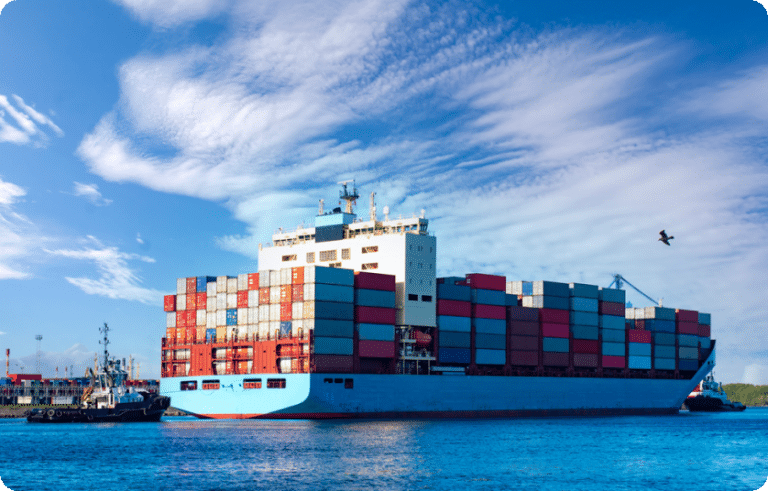
Related Guide
Sea Freight Shipping from China
Sea freight is the most cost effective shipping method for large volumes and container load cargo. It is ideal for businesses looking to reduce s...
Read guide →

FCL shipping from China is a reliable sea freight solution for importers who need to ship larger cargo volumes in a dedicated container.
This guide explains how full container load shipping works, including 20GP, 40GP and 40HQ container options, FCL shipping cost, transit time, customs clearance, FCL vs LCL comparison, and door-to-door delivery solutions from China.
FCL Sea Freight
20GP / 40GP / 40HQ
Door-to-Door Shipping
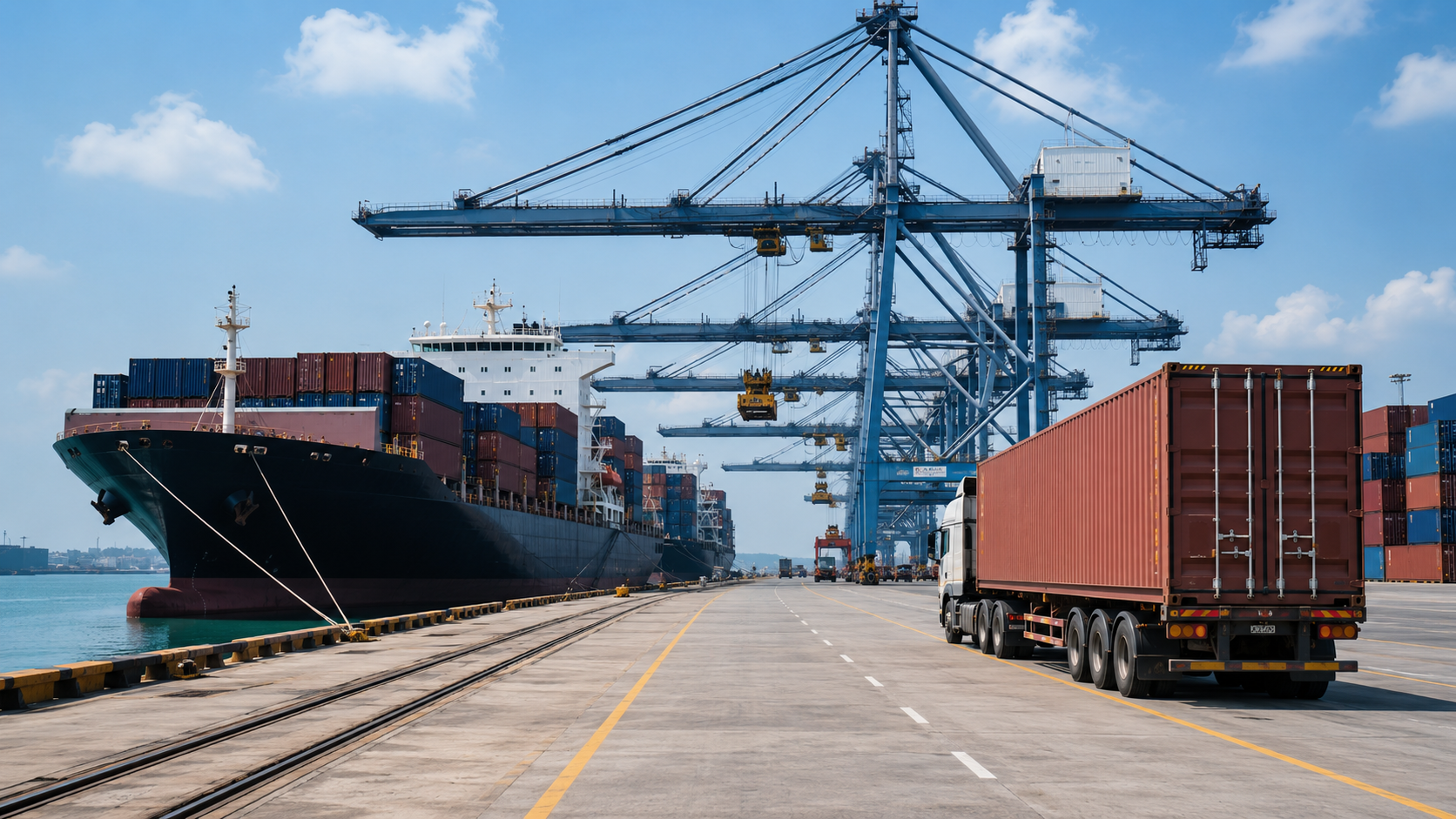
FCL shipping from China is usually a better choice when your shipment size is large enough to justify using a dedicated container. In many cases, when the cargo volume reaches around 15 cubic meters or more, FCL may become more cost effective than LCL shipping, depending on the route, destination port, and cargo type.
Importers often choose FCL shipping when they want better control over loading, sealing, transit time, cargo safety, and final delivery. Since the goods stay inside the same container for most of the journey, there is less warehouse handling compared with LCL shipments.
FCL shipping is especially suitable when:
The shipment size is large
The goods are heavy, bulky, fragile, or high-value
The cargo needs safer handling
The importer wants to avoid sharing a container with other shippers
The delivery schedule is important
The buyer imports regularly from China
Goods from several Chinese suppliers need to be combined into one container
For small cargo, LCL shipping may still be more practical. But for larger shipments, FCL often provides better space usage, lower unit shipping cost, and a more predictable logistics flow.
FCL also requires higher upfront cost because you are booking the entire container. For small, infrequent shipments, LCL shipping or air freight may be more suitable depending on your shipping needs.
The most common FCL container types used in shipping from China are 20GP, 40GP, and 40HQ. Choosing the right FCL container depends on cargo volume, cargo weight, product size, loading method, and destination delivery requirements.
| Container Type | Typical Internal Dimensions | Practical Loading Volume | Best For |
|---|---|---|---|
| 20GP | About 5.89m × 2.35m × 2.39m | About 25–28 CBM | Heavy cargo, machinery, stone, metal parts |
| 40GP | About 12.03m × 2.35m × 2.39m | About 55–58 CBM | General cargo, cartons, furniture, home goods |
| 40HQ | About 12.03m × 2.35m × 2.69m | About 65–68 CBM | Bulky cargo, textiles, toys, packaging products |
A 20GP is usually better for heavy cargo, while a 40GP or 40HQ is more suitable for larger shipments with more cartons or bulky goods. A 40HQ offers extra height, so it is often used for furniture, textiles, packaging products, and other goods that take up more space but are not extremely heavy.
The actual loading volume may be lower than the container’s theoretical capacity because pallets, carton size, stacking limits, and weight distribution all affect space usage. Before booking an FCL container, the freight forwarder should check the packing details and loading plan to avoid wasted space or overweight issues.
FCL shipping cost from China is mainly based on the container, not the cubic meter. The final price depends on the route, container type, loading port, destination port, shipping line, market demand, and delivery terms. When your cargo volume is large enough, FCL is often more cost effective because the freight cost is spread across the full container load.
The table below gives a general port-to-port reference for FCL shipping from China. Actual rates change frequently and should be confirmed based on the latest shipping line quotation, cargo details, and sailing schedule.
| Route | 20GP Reference Rate | 40HQ Reference Rate | Estimated Transit Time |
|---|---|---|---|
| China to US West Coast | USD 1,900–3,000 | USD 2,200–3,600 | 14–22 days |
| China to US East Coast | USD 2,000–3,400 | USD 3,000–4,200 | 30–40 days |
| China to Northern Europe | USD 1,300–1,900 | USD 2,500–3,100 | 35–45 days |
| China to Mediterranean | USD 1,900–2,600 | USD 2,200–3,500 | 30–38 days |
| China to Australia | USD 1,200–1,500 | USD 2,000–2,800 | 18–30 days |
These rates are for general reference only. The actual cost may be higher or lower depending on the origin port, destination port, container availability, fuel surcharge, peak season demand, and whether the shipment is arranged as port to port or door to door.
A complete FCL shipping cost may also include pickup in China, export handling, terminal handling charges, destination charges, customs broker fee, import duties, local delivery, and cargo insurance if required.
Besides the basic ocean freight, importers should also consider the full cost structure of an FCL shipment. These additional charges can affect the final landed cost, especially for door to door shipping.
Origin charges: These may include China port handling, terminal handling charges, booking fee, export customs declaration, document fee, and local pickup if the supplier does not deliver the goods to the port or warehouse.
Destination charges: These may include terminal handling, port release, destination handling, customs broker fee, import duties, local taxes, and container delivery after the container arrives.
Surcharges: Shipping lines may add fuel surcharge, peak season surcharge, emergency surcharge, congestion surcharge, or other route-related adjustments depending on market conditions.
Cargo insurance: Cargo insurance is recommended for high-value, fragile, or time-sensitive goods. It helps reduce financial risk if the cargo is damaged, lost, or affected by unexpected events during transportation.
FCL shipping cost from China changes with market conditions. Even for the same route, container rates may rise or fall from week to week.
Container supply and space availability: When vessel space is tight or empty containers are limited, FCL rates usually increase. This is common before peak seasons and major holidays.
Shipping route and port congestion: Busy routes, port delays, or schedule changes can increase the final cost. Some shipments may also take longer if the vessel uses a transshipment route.
Fuel surcharge and carrier adjustment: Shipping lines may adjust rates based on fuel prices, operating costs, and market demand. These changes can affect both 20GP and 40HQ container prices.
Destination charges and local delivery: Ocean freight is only part of the total cost. Importers should also check terminal handling, customs broker fees, import duties, trucking, and final delivery costs before booking.
FCL and LCL are both common sea freight shipping methods from China. The main difference is how the container is used: FCL uses an entire container for one shipper, while LCL shares container space with other cargo.
| Comparison Point | FCL Shipping | LCL Shipping |
|---|---|---|
| Container use | Entire container for one shipper | Shared container with other cargo |
| Best for | Larger shipments | Smaller shipments |
| Pricing basis | Per container | Cubic meter or chargeable weight |
| Handling | Less handling | More warehouse handling |
| Transit time | Usually more stable | May take longer |
| Cargo risk | Lower risk | Higher handling risk |
| Cost efficiency | Better for bigger orders | Better for small cargo |
FCL shipping is usually better when your cargo volume is large enough to use a meaningful part of the container. It is also a better option for fragile, high-value, heavy, or bulky goods.
Because the cargo is not mixed with other shipments, FCL gives importers better control over loading, sealing, tracking, and final delivery. It can also reduce the risk of damage, loss, or delays caused by warehouse handling.
FCL is often suitable for:
Larger shipments
Regular wholesale orders
Furniture, machinery, building materials, and large cartons
High-value or fragile cargo
Multi-supplier consolidation in China
Importers who want a more predictable shipping process
LCL shipping is usually better for small cargo that does not justify booking an entire container. If your shipment is only a few cubic meters, LCL can be more practical because you only pay for the space your goods use.
However, LCL shipments may involve more handling, more warehouse steps, and more destination charges. The transit time can also be less predictable because the cargo must go through consolidation and deconsolidation.
LCL is often suitable for:
Small cargo
Trial orders
Samples or low-volume commercial goods
Importers who do not need a full container
Shipments where cost control is more important than speed
When arranging FCL shipping from China, importers can choose port to port or door to door service. The right option depends on your local logistics ability, customs clearance resources, and budget.
In simple terms, port to port covers the main ocean freight, while door to door covers the full shipping process.
Port to port FCL shipping means the freight forwarder handles the container from the loading port in China to the destination port overseas.
Your responsibility: You need to arrange import customs clearance, destination charges, port release, trucking, unloading, and empty container return after arrival.
Advantages: Lower service cost and more control over the destination-side process if you already have a customs broker and trucker.
Disadvantages: More work for the importer. If customs clearance, pickup, or container return is delayed, extra fees such as demurrage, detention, or storage may occur.
Door to door FCL shipping means the freight forwarder manages more steps, from supplier pickup in China to final delivery at your warehouse, office, or project site.
Your responsibility: Provide cargo details, shipping documents, and delivery information. The freight forwarder coordinates the main logistics steps.
Advantages: Easier for new importers, fewer communication steps, and better control over the full landed cost.
Disadvantages: The price is usually higher than port to port because it includes more services, such as pickup, customs support, trucking, and final delivery coordination.

A successful FCL shipment requires clear planning from quotation to final delivery. Each step affects the shipping cost, transit time, customs process, and cargo release.
Confirm Cargo Details
The freight forwarder needs to confirm product name, total cubic meter data, weight, package size, loading address, destination address, cargo value, and preferred shipping method.
Accurate cargo volume and weight help calculate the shipping cost, choose the right container, and avoid unexpected charges.
Choose the Right Container
The freight forwarder checks whether a 20GP, 40GP, or 40HQ container is more suitable. Heavy goods may need a 20GP, while bulky but lighter goods may be better loaded into a 40HQ.
Book Space with the Carrier
After confirming the route and rate, the freight forwarder books space with the carrier or shipping line. Booking should be arranged early during peak season because capacity and shipping rates can change quickly.
Pick Up, Load and Seal the Container
The trucker picks up the empty container from the container yard and delivers it to the supplier’s factory or loading warehouse. After loading, the container is sealed.
Loading a container requires proper packing and weight distribution. Goods should be secured to prevent internal shifting during transport. If needed, loading supervision can be arranged to check carton condition, loading method, space usage, and seal number.
Complete Export Procedures in China
The commercial invoice, packing list, export declaration details, and other documents are used for export customs clearance. After release, the container can be loaded onto the vessel.
Ship by Ocean Freight and Arrange Final Delivery
The container is shipped by sea freight from China to the overseas port. After arrival, the importer or customs broker handles import procedures, pays applicable import duties, and arranges delivery to the warehouse, distribution center, Amazon FBA warehouse, project site, or other final destination.
Most FCL shipping from China requires a basic set of export and import documents. The exact documents depend on the destination country, product type, customs rules, and buyer requirements.
Common documents include:
Bill of lading
Export customs declaration
Arrival notice
Import documents
Certificate of origin if required
Product certificates if required
The commercial invoice shows product value, seller and buyer information, trade terms, currency, and cargo description. The packing list shows package quantity, weight, volume, and packing details. The bill of lading is the main transport document issued by the carrier or freight forwarder.
Document accuracy is very important. If the cargo description, HS code, quantity, weight, value, consignee information, or destination details are incorrect, cargo release may be delayed.
Choosing the right freight forwarder or shipping company is important when arranging FCL shipping from China, especially for importers who need stable schedules, accurate documents, and reliable destination support.
A good freight partner should not only compare container rates. It should also review the full transport plan, including supplier pickup, sea shipping, export customs clearance, import requirements, cargo release, and final delivery.
A reliable China freight forwarder can help you:
Compare FCL shipping rates
Choose the right container
Arrange pickup from Chinese suppliers
Book space with the carrier
Handle export customs clearance
Check commercial invoice and packing list
Coordinate loading supervision
Track the container
Support import process and final delivery
Reduce unexpected local charges
Tonlexing provides FCL shipping from China for global importers, including port to port, door to door, and customized container shipping solutions. Our team can arrange shipping from major China ports, including Shenzhen, Guangzhou, Ningbo, Shanghai, Qingdao, Tianjin, Xiamen, and other origin ports.
We support 20GP, 40GP, 40HQ, supplier pickup, warehouse consolidation, export customs clearance, cargo insurance, loading supervision, and destination delivery coordination.
FCL shipping means full container load shipping. Your goods use a dedicated container instead of sharing container space with other shippers. It is commonly used for larger shipments that can use one container more efficiently.
FCL shipping is usually cheaper per cubic meter when the shipment size is large enough. For smaller shipments, LCL shipping may be more cost effective because you only pay for the space used inside a shared container.
FCL shipping cost depends on container type, origin port, destination port, carrier, season, fuel surcharge, local charges, import duties, and final delivery address. The actual cost should be confirmed based on current container rates and cargo details.
FCL transit time depends on the route. China to the US West Coast may take about 15–25 days by sea freight, while China to the US East Coast or Europe may take about 30–45 days. Final delivery, import procedures, and port handling can add extra time.
Yes. A freight forwarder can collect goods from different suppliers, consolidate them at a warehouse, and load them into the same container for one FCL shipment. This can reduce freight costs, improve space usage, and simplify the shipping process.
Useful freight, customs and importing resources related to this shipping guide.
Sea freight is the most cost effective shipping method for large volumes and container load cargo. It is ideal for businesses looking to reduce s...
Read guide →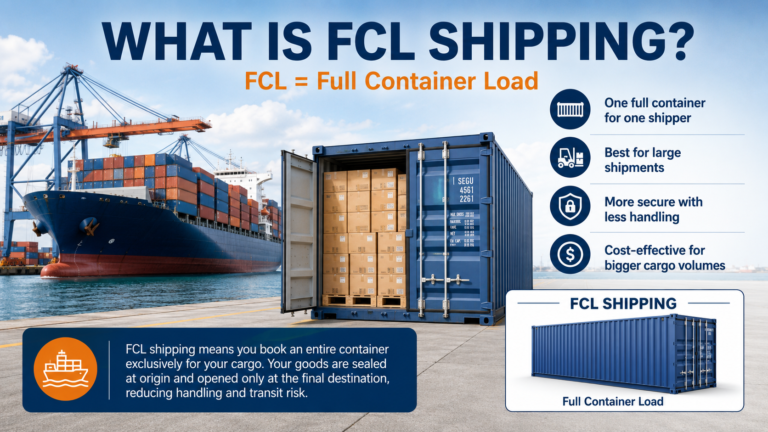
What is FCL Shipping? Verified & Reviewed · Last updated June 2026 FCL shipping, short for Full Container Load shipping, is an international frei...
Read guide →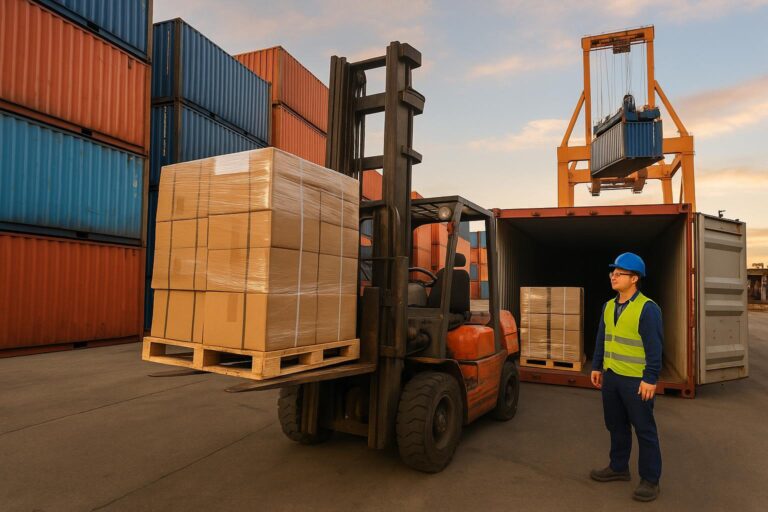
Learn how LCL shipping and consolidated shipments help reduce shipping costs for smaller cargo from China.
Read guide →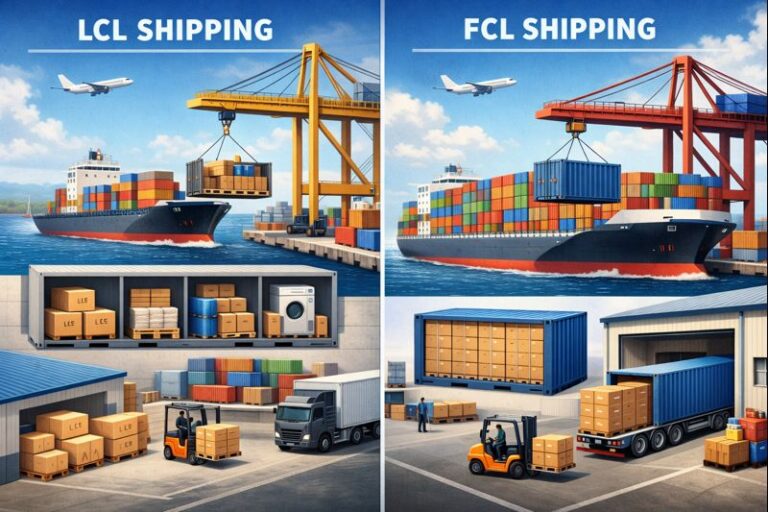
LCL vs FCL Shipping: What They Mean, Key Differences, and Which One to Choose Verified & Reviewed · Last updated January 2026 FCL vs LCL shipping...
Read guide →EXW Container Shipping from China: Complete Guide for Importers Verified & Reviewed · Last updated April 2026 EXW container shipping from China m...
Learn more → Useful Resource Top Tips for Container Shipping from China in 2025Planning container shipping from China? Learn about shipping options, costs, and practical tips for efficient logistics. This guide covers everyt...
Learn more →WhatsApp us