

What Is Container Yard CY in Shipping?
- Verified & Reviewed · Last updated April 2026
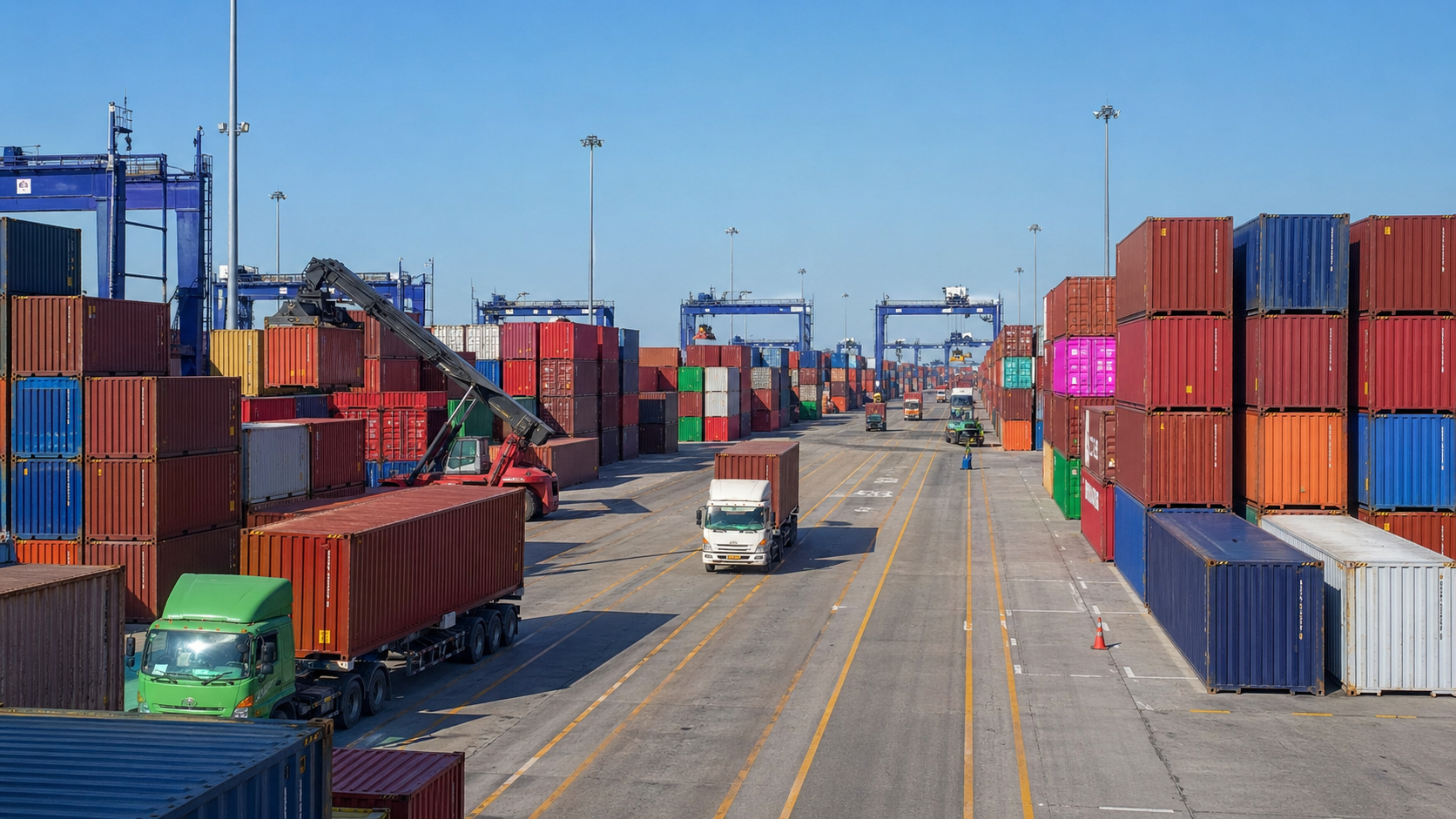
A container yard (CY) in shipping is a designated area at a port or container terminal where shipping containers are stored before loading onto a vessel or after being unloaded at the destination port. It is the main transfer point between shippers, ocean carriers, shipping companies, truckers, and consignees, especially for full container load shipments.
For importers and exporters, understanding how a container yard CY works helps reduce delays, control storage costs, manage carrier responsibility, and choose the right shipping method.
CY/CY Shipping Terms
Container Yard vs CFS
CY Cut Off Guide
- Experienced China-based logistics specialists
Table of Contents
What Is a Container Yard?
A container yard is a facility located inside or near a port, container terminal, or inland logistics hub. It is used to handle full containers before they are loaded onto a vessel or after they are unloaded at the destination port.
In simple terms, a container yard is the place where containers wait before the next step in the shipping process. Export containers wait at the origin port before vessel loading. Import containers wait at the destination port’s container yard before being collected by the consignee or trucker.
A container yard may handle full containers, empty containers, export shipments, import shipments, and containers waiting for inspection or customs clearance.
What Does CY Mean in Shipping?
CY stands for Container Yard. In shipping, CY usually refers to both the physical yard and the carrier’s responsibility point.
When a shipping line or ocean carrier quotes a shipment as CY, it generally means the carrier receives the container at the origin container yard and delivers it to the destination container yard.
This is why CY is closely related to terms such as CY/CY shipping, origin container yard, destination port’s container yard, and container terminal handling.
How Does a Container Yard Work?
A container yard works as a control point for container movement. Containers are not simply placed randomly. They are tracked, stacked, and organized according to vessel schedule, destination, container type, shipping line, and loading plan.
The basic process usually includes:
The shipper or trucker delivers the loaded container to the origin port.
The container enters the origin container yard before the CY cut off date.
The terminal stores and prepares the container for vessel loading.
Cranes and terminal equipment load the container onto the vessel.
After arrival, the container is offloaded at the destination port.
The container is stored at the destination port’s container yard.
The consignee or trucker collects the container after customs clearance.
This process helps shipping companies and port operators handle large volumes of containers with better efficiency and enhanced security.
What Is CY/CY Shipping?
CY/CY shipping means container yard to container yard shipping. The carrier is responsible for transporting the container from the origin container yard to the destination container yard.
In a CY/CY shipment, the shipper is usually responsible for delivering the container to the origin CY. The consignee is responsible for picking up the container from the destination CY.
CY/CY is commonly used for FCL shipping, especially when the cargo belongs to a single shipper and fills one full container load.
Is CY Used for FCL or LCL Shipments?
CY is mainly used for FCL, which means full container load. In FCL shipping, one container is usually used by a single shipper, and the container is sealed before entering the container yard.
For LCL shipments, which means less than container load, cargo from multiple shippers is consolidated with other cargo. These shipments usually move through a container freight station rather than directly through CY.
So the difference is clear:
| Shipping Type | Main Facility | Cargo Handling |
|---|---|---|
| FCL | Container Yard | Full container handled as one unit |
| LCL | Container Freight Station | Cargo is consolidated or divided |
| CY/CY | Container Yard to Container Yard | Carrier handles port-to-port container movement |

Container Yard vs Container Freight Station
The main difference between a container yard and a container freight station is how the cargo is handled.
A container yard handles containers as complete units. The container is stored, moved, loaded, or unloaded, but the cargo inside is usually not opened by the terminal.
A container freight station handles cargo inside containers. It is where LCL cargo is consolidated before export or divided after arrival at the destination port.
For example, if your shipment is a full container load, it will typically move through CY. If your cargo shares space with goods from multiple shippers, it will likely move through CFS.
Why Container Yards Are Important in Shipping
Container yards are essential to international shipping because they facilitate the movement of containers between vessels, trucks, ports, and inland transportation networks.
A well-managed container yard helps:
Reduce vessel waiting time
Improve container tracking
Support faster loading and unloading
Lower the risk of delays
Improve terminal space management
Provide enhanced security for stored containers
Without container yards, ports and shipping companies would not be able to handle large container volumes efficiently.
Common Charges Related to Container Yard CY
Container yard charges can increase quickly when a container is not picked up, cleared, or returned on time. Most CY-related costs happen at the destination port, especially when the consignee misses the free storage period or cannot arrange pickup after the container is released.
Common CY Charges
The most common container yard charges include:
Terminal handling charges: fees for moving and handling containers at the port or container terminal
Port storage fees: charges when containers stay in the yard beyond the allowed free time
Demurrage: charges when a container remains at the port or terminal too long
Detention: charges when the consignee keeps the container outside the terminal beyond the free return period
Truck waiting fees: extra costs when trucks wait because the container is not ready for pickup
Customs inspection fees: possible charges if the container is selected for inspection
Common CY Delays
Delays at a container yard usually come from customs issues, port congestion, missed documents, or late truck appointments. A container may also wait longer if the terminal has limited space, if cranes are congested, or if the shipping line has not released the container.
Common delay causes include:
Missing or incorrect shipping documents
Customs clearance not completed before arrival
Port congestion during peak season
Missed truck appointment
Container not released by the carrier
CY cut off date missed at the origin port
Empty container return delayed
How to Reduce CY Costs and Delays
To avoid unnecessary costs, importers should track the vessel arrival date and prepare customs documents before the container reaches the destination port’s container yard.
The best way to manage CY shipments is to:
Confirm free storage time in advance
Prepare the commercial invoice, packing list, bill of lading, and HS code early
Track container arrival and release status
Arrange customs clearance before vessel arrival
Book trucking as early as possible
Pick up the container within the free time
Return the empty container on time
Good planning helps reduce demurrage, detention, storage fees, and delivery delays.
Who Is Responsible for the Container at CY?
Responsibility depends on the shipping terms and service scope.
In CY/CY shipping, the carrier is generally responsible from the origin container yard to the destination container yard. The shipper handles delivery to the origin CY, while the consignee handles pickup from the destination CY.
In door-to-door shipping, the freight forwarder or logistics company may also handle trucking, customs clearance, and final delivery to the customer.
This is why importers should check the bill of lading, freight quote, and service terms carefully.
Frequently Asked Questions
CY means Container Yard. It is a port or terminal area where containers are stored before loading or after unloading.
CY/CY shipping means the carrier transports the container from the origin container yard to the destination container yard.
CY is mainly used for FCL shipments. LCL shipments usually go through a container freight station.
CY handles full containers as complete units. CFS handles cargo consolidation and deconsolidation for less than container load shipments.
The consignee may need to pay storage fees, demurrage, detention, or other port-related charges.
Related Container Shipping Guides
Need Help Managing Your CY Shipment?
- Confirm CY/CY terms and carrier responsibility
- Avoid demurrage, detention, and storage charges
- Coordinate pickup from the destination container yard
Get expert support for container yard pickup, customs clearance, and door delivery from China.