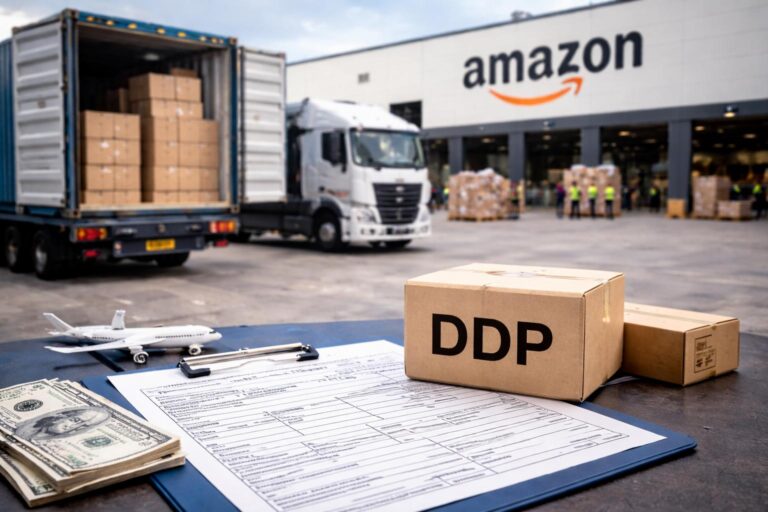
Following Amazon’s guidelines for box sizes, pallet standards, and packaging is essential to prevent potential issues that could delay your inventory’s acceptance or increase costs. Below are some best practices to ensure your shipment complies with Amazon FBA requirements.
1. Use Quality Packaging Materials
Using high-quality boxes, pallets, and packing materials is critical to prevent damage during transit and ensure that Amazon accepts your shipment without issues. Avoid using reused boxes, as they may not meet Amazon’s strength requirements.
2. Optimize Packaging for Cost Efficiency
Properly optimizing your packaging can help you reduce shipping costs. For example, reducing excess void space and using appropriately sized boxes can help you minimize dimensional weight, which is a key factor in air and sea shipping costs.
Tonlexing can help you optimize your packaging to meet Amazon’s requirements while keeping shipping costs low. Our experienced team can provide guidance on how to package your goods efficiently, helping you save money while ensuring compliance.
3. Accurate Labeling
Proper labeling is essential to ensure Amazon can easily process and store your inventory. Make sure that every box and pallet is labeled correctly, and that labels are scannable. Incorrect or missing labels can lead to delays, additional fees, or even rejection of your shipment.
4. Work with a Reliable Freight Forwarder
Shipping to Amazon’s fulfillment centers can be complex, especially if you are shipping in bulk or internationally. Working with an experienced freight forwarder like Tonlexing can simplify the process, ensure your shipment meets Amazon’s requirements, and help you avoid costly mistakes.
Tonlexing offers tailored logistics solutions for Amazon FBA sellers, including packaging support, pallet preparation, and compliance assistance. With our end-to-end services, you can focus on growing your business while we handle the logistics.
5. Inspecting Goods Before Shipment
Conducting a quality inspection before shipping your inventory to Amazon is a best practice that can save you time and money. Ensuring that all products meet quality standards, are properly labeled, and comply with Amazon’s requirements will prevent problems at the warehouse and reduce the risk of returns or negative reviews.
6. Inventory Management
Managing inventory effectively is crucial for FBA success. Keeping track of your stock levels, monitoring sales velocity, and planning your shipments can help you avoid stockouts or overstocking, both of which can negatively impact your Amazon seller rating and profitability.
7. Seasonal Shipping and Planning
During peak seasons, such as holidays and major shopping events like Black Friday, Cyber Monday, and Prime Day, Amazon warehouses experience higher volumes of inbound shipments. Planning ahead and preparing your shipments early can help you avoid delays, minimize storage costs, and ensure that your inventory is stocked in time to meet increased consumer demand.
Forecast Demand Accurately: Analyze past sales data to forecast demand accurately for peak seasons. This will help you determine how much inventory to send to Amazon FBA to avoid stockouts or overstocking.
Prepare Early: Ensure your shipments are prepared and sent well before peak times to avoid the rush. Carriers tend to be busier during the holiday season, which could lead to longer transit times.
Communicate with Suppliers: Collaborate with your suppliers to align production schedules with your inventory needs for peak seasons. Advanced planning can help reduce lead times and keep your supply chain smooth.
Book Freight Early: During peak seasons, carriers experience higher volumes and may charge higher rates. Booking your freight early can help you secure better rates and avoid unexpected costs.
Warehouse Preparation: Make sure your packaging, labeling, and palletizing are all compliant with Amazon’s requirements before the shipment leaves your warehouse. This will prevent any last-minute issues that could delay your shipment’s acceptance.
Proper seasonal planning helps to avoid costly delays, missed sales opportunities, and additional fees related to expedited shipping or storage.