Related Guide
Shipping from China to Saudi Arabia
Shipping from China to Saudi Arabia covers air freight, sea freight, and DDP shipping services. Learn about shipping costs, customs clearance, an...
Read guide →

Sea freight from China to Saudi Arabia is one of the most practical shipping solutions for importers who need stable capacity, competitive shipping costs, and reliable delivery for commercial cargo. It is widely used for container load shipments, wholesale goods, industrial equipment, building materials, and regular supply chain replenishment.
This guide explains sea freight from China to Saudi Arabia, including sea freight costs, transit times, major Chinese ports and Saudi ports, customs clearance requirements, FCL and LCL shipping options, and door to door shipping solutions. It also helps buyers understand the shipping process, compare service options, and plan shipments more efficiently.
Sea freight costs
Transit times
Customs clearance
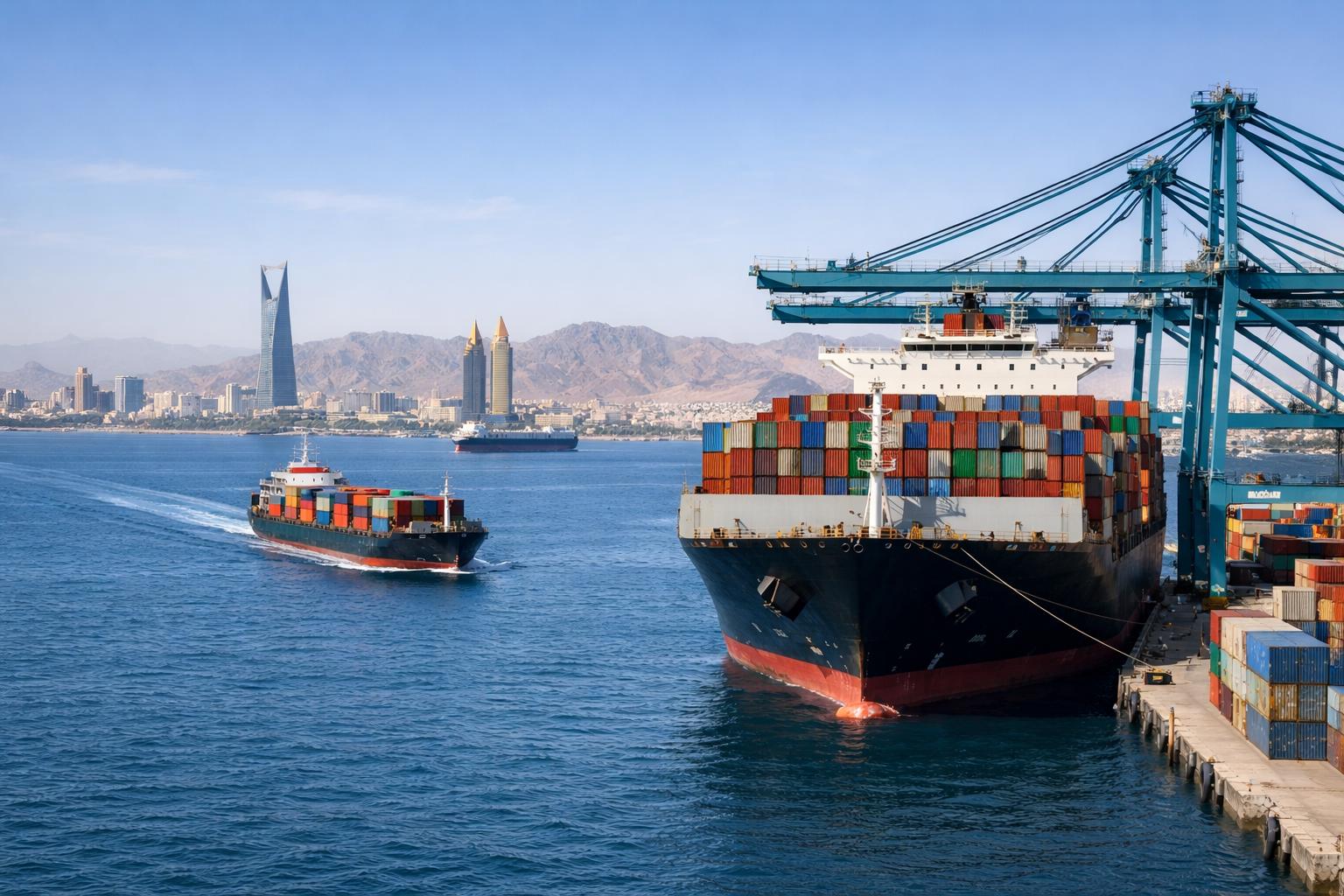
China to Saudi Arabia is one of the most active international shipping lanes for importers serving construction, retail, industrial supply, e-commerce distribution, and project cargo needs. Because Saudi Arabia continues to import a wide range of products from China, sea freight remains the backbone of this bilateral trade flow.
Sea freight is often preferred because it supports:
lower shipping costs for larger shipments
better economics for full container load cargo
more practical ocean shipping for industrial equipment and wholesale goods
flexible shipping services for both FCL and LCL shipments
efficient shipping for long-term supply chain planning
For many cargo owners, sea freight from China to Saudi Arabia is the right choice when cargo volume is high and timing is important but not urgent enough to justify high air freight costs.
When planning international shipping, importers often compare sea freight, air freight, express air freight, and express delivery. Each shipping method serves a different business need.
Sea freight is the better option for larger shipments, container load cargo, and buyers focused on total landed cost. It is usually the cheapest shipping method on a per unit basis, especially for full container load and heavy cargo.
Air freight is a faster shipping method and is more suitable for urgent shipments, smaller shipments with higher value, and goods that need faster replenishment. However, air freight rates are much higher than ocean freight rates, and air cargo pricing is more sensitive to fuel prices, peak season demand, and limited direct flights.
Express air freight and express shipping are usually used for samples, documents, small cartons, or very time sensitive shipments. They offer speed, but they are rarely economical for shipping cargo in bulk.
For most importers shipping from China to Saudi Arabia, the most suitable shipping method depends on cargo volume, urgency, customs requirements, and delivery expectations. Sea freight is usually the first choice for standard commercial shipments, while air freight becomes more practical when speed matters more than cost.
Sea freight shipping normally comes in two main forms: full container load and less than container load. Both options are widely used on the China to Saudi Arabia route.
Full container load, also called FCL, means one shipper uses the entire container. This option is usually more suitable for larger shipments, better cargo protection, and more direct logistics control.
FCL is often recommended when:
cargo volume is high
the goods are fragile or high value
the buyer wants less handling risk
the shipment schedule needs better stability
the cost difference with LCL is no longer significant
For many importers, full container load becomes the better option once the shipment reaches a moderate cubic meter level and repeated replenishment is involved.
LCL shipments allow several shippers to share space in one container. This is useful for smaller shipments that do not justify a full container load.
LCL is suitable when:
shipment volume is limited
importers are testing a new supplier
budgets are tighter
buyers want to avoid paying for unused container space
However, LCL shipments often involve more warehouse handling, longer consolidation time, and a higher chance of customs delays if one part of the shared cargo is held for inspection. That is why buyers should compare not only sea freight costs but also timing and risk.
Sea freight costs from China to Saudi Arabia change based on season, route, departure port, container availability, port congestion, destination handling, and local delivery requirements. Freight rates also move with supply chain pressure, vessel space, and fuel prices.
As a working market reference, recent rates for sea freight from China to Saudi Arabia have generally fallen within the following range:
| Shipping Type | Estimated Cost |
|---|---|
| 20ft full container load | USD 1,700 to USD 2,050 |
| 40ft full container load | USD 1,900 to USD 2,300 |
| LCL shipments | around USD 20 per cubic meter |
| DDP shipping costs by sea | around RMB 1,000 per cubic meter |
These freight rates are only reference levels. Final shipping rates depend on:
cargo type
packaging details
shipment volume
port pair
customs fees
customs duties
inland trucking
delivery location
whether the quote includes door to door service
Importers should always evaluate shipping costs as part of the full logistics and customs processes, not as a standalone number. A lower ocean freight quote does not always mean a lower final cost.
The average transit time for sea freight from China to Saudi Arabia is usually around 20 to 40 days, depending on the departure port in China, the destination port in Saudi Arabia, carrier schedules, and whether the shipment moves as FCL, LCL, or sea DDP service. In general, Dammam routes are often slightly faster than Jeddah routes, while northern China departures may take longer than shipments from South China or East China.
| Departure Port in China | Arrival Port in Saudi Arabia | Estimated Transit Time |
|---|---|---|
| Shenzhen / Guangzhou | Dammam | 18–24 days |
| Shenzhen / Guangzhou | Jeddah | 22–30 days |
| Shanghai / Ningbo | Dammam | 18–25 days |
| Shanghai / Ningbo | Jeddah | 25–32 days |
| Tianjin / Qingdao | Jeddah / Dammam | 32–40 days |
As a general reference, FCL shipping often takes around 20 to 35 days, while LCL shipments usually take around 25 to 40 days because of additional cargo consolidation and deconsolidation. Sea DDP shipping is commonly around 30 to 35 days since it also includes customs handling and destination delivery coordination. For importers, it is important to evaluate transit time as part of the full shipping process, because port congestion, customs clearance, and final delivery can all affect the actual arrival date.
The China to Saudi Arabia trade route is supported by several major Chinese ports and major ports on the Saudi side. Port selection matters because it affects freight rates, sailing frequency, and inland delivery planning.
Most sea freight from China to Saudi Arabia departs from:
These major Chinese ports connect to Saudi Arabia through regular ocean freight services and are widely used for container load shipping.
The most important arrival ports include:
Jeddah Islamic Port
King Abdulaziz Port in Dammam
King Abdullah Port
Jeddah is an important entry point for western Saudi Arabia. Dammam is widely used for cargo heading to the eastern region and Riyadh distribution. King Abdullah Port has also become more important for efficient shipping and modern container handling.
A smooth shipping process depends on planning the shipment before cargo leaves China. Buyers who understand the basic workflow are better prepared to avoid customs delays and hidden local charges.
Cargo Ready and Booking
The shipping company or freight forwarder first reviews cargo details such as weight, dimensions, packaging, product type, and shipping method. At this stage, the buyer should also confirm whether the cargo is standard freight shipping, sensitive goods, or regulated products.
Pickup and Export Handling
After booking, the goods are collected from the supplier and sent to the port or warehouse. Export documentation is then prepared. For LCL shipments, cargo is consolidated with other cargo before departure.
Ocean Freight Transport
Once loaded, the cargo moves by ocean freight from China to Saudi Arabia. During this stage, importers should already be preparing shipment documents and confirming customs regulations to avoid delay at destination.
Saudi Customs Clearance
When the vessel arrives, Saudi customs clearance begins. This stage is one of the most important parts of the shipping process because incomplete or inaccurate paperwork may lead to extra customs fees, inspection, or storage.
Final Delivery
After release, the shipment goes to the consignee, warehouse, store, project site, or distribution center. Depending on the service arrangement, final delivery may be handled by the buyer, a customs broker, or a freight forwarder offering door to door shipping.
Customs clearance in Saudi Arabia is stricter than in many other markets, so importers should prepare documents, product details, and compliance requirements before the cargo arrives. In recent years, Saudi customs authorities have strengthened digital review and control, which means inaccurate product descriptions, missing certificates, or incorrect HS codes can easily lead to customs delays, extra storage charges, or even clearance problems.
For most commercial imports, the first issue to review is duties and taxes. In many cases, Saudi Arabia applies 15% VAT on imported goods, while customs duty rates depend on the product category and customs classification.
As a general reference:
standard goods are often charged around 5% duty
some products may be duty-free
protected or regulated categories may face higher duty rates
customs fees and local handling charges may also apply during clearance
Because tax treatment varies by HS code, importers should always confirm the correct classification before shipment rather than relying on assumptions.
Saudi customs clearance depends heavily on complete and consistent shipment documents. In most cases, importers should prepare:
commercial invoice
packing list
bill of lading
certificate of origin when required
The commercial invoice should clearly show the product name, declared value, country of origin, and HS code. All shipment documents should match each other, because inconsistent descriptions, quantity differences, or incorrect values are among the most common causes of customs delays.
For many regulated goods, compliance approval is just as important as the shipping documents. Products such as electronics, toys, chemicals, and some consumer goods may require SABER registration and product conformity approval before they can pass Saudi customs clearance.
This is one of the most important compliance points for shipments to Saudi Arabia because:
missing approval can delay cargo release
some products need certification before shipment
customs may hold goods even if the vessel arrives on time
For this reason, importers should confirm product compliance requirements before booking sea freight, not after the cargo reaches Saudi Arabia.
Under normal conditions, customs clearance can often be completed within a few working days after arrival if the documents are complete and no inspection is triggered. However, the actual timeline may become longer when:
the shipment is selected for inspection
the cargo includes branded or regulated products
product compliance documents are incomplete
document details do not match the cargo information
That is why buyers should not look only at sea freight transit time. They also need to account for customs clearance time when planning delivery schedules.

For importers who want a simpler shipping process, door to door and DDP shipping are two practical options. Instead of managing pickup, ocean freight, customs handling, and final delivery separately, buyers can use one provider to coordinate most or all stages of the shipment.
Door to door shipping is a practical choice for buyers who want fewer operational steps and smoother coordination. Under this service model, the freight forwarder or logistics provider manages the shipment from the supplier in China to the final delivery address in Saudi Arabia.
A typical door to door service may include:
pickup from the supplier
export customs handling in China
ocean freight services
Saudi customs clearance support
duty and tax coordination depending on the shipping terms
destination trucking
final delivery to the warehouse or business address
For many first-time importers, door to door service is one of the most suitable shipping methods because it simplifies logistics and customs processes. However, buyers should always confirm what is included in the quotation, since some services do not cover customs duties, customs fees, storage, inspection charges, or other destination costs.
DDP shipping is suitable for buyers who want a more predictable landed cost and prefer one provider to manage customs and final delivery. It can be a practical option for standard cargo and routine shipments, especially when convenience matters more than managing each step separately.
However, DDP shipping costs are usually higher than basic port-to-port ocean freight because the quote covers more service scope and customs risk. For Saudi Arabia shipments, buyers should always confirm what is included, especially taxes, customs charges, and destination delivery costs.
Choosing the most suitable shipping method based on business needs requires more than comparing one quote against another. Buyers should look at the full picture, including cargo volume, urgency, customs complexity, and final delivery needs.
Sea freight is usually the most suitable shipping method when:
shipment volume is high
the delivery schedule is flexible
the buyer wants lower sea freight costs
Air freight is more suitable when:
the cargo is urgent
the shipment is smaller
stockout risk is high
the business can absorb higher air freight costs
Express air freight or express delivery is more suitable for:
samples
urgent replacement parts
documents
very small commercial shipments
The most suitable shipping method is the one that supports your supply chain, controls total cost, and reduces avoidable customs or delivery risk.
A reliable freight forwarder is more than a booking agent. For china to saudi arabia shipping, the right partner helps importers compare freight rates, manage shipping routes, prepare shipment documents, coordinate customs clearance, and reduce the risk of customs delays.
A reliable freight forwarder can help with:
evaluating sea freight and air freight options
comparing sea freight costs and air freight rates
planning full container load or lcl shipments
preparing the commercial invoice and related paperwork
arranging cargo insurance when needed
working with a customs broker
helping handle customs clearance
coordinating final delivery
This support is especially important when buyers are shipping industrial equipment, container load cargo, or repeated commercial orders into Saudi Arabia.
Sea freight from China to Saudi Arabia usually depends on cargo size, route, port pair, and service level. As a general reference, a 20ft full container load typically costs USD 1,700 to USD 2,050, while a 40ft full container load is usually around USD 1,900 to USD 2,300. For LCL shipments, the rate is often around USD 20 per cubic meter.
Average transit time is often around 20 to 40 days, depending on shipping routes, port congestion, and destination customs handling.
Yes. For most larger shipments, sea freight is significantly cheaper than air freight. Air freight is mainly for urgent shipments and smaller shipments where speed matters more than cost.
In most cases, the main shipment documents include the commercial invoice, packing list, bill of lading, and other compliance documents depending on the product type.
Yes. Many freight forwarders provide door to door shipping and ocean freight services, but buyers should confirm whether customs duties, customs fees, and final delivery are included.
Useful freight, customs and importing resources related to this shipping guide.
Shipping from China to Saudi Arabia covers air freight, sea freight, and DDP shipping services. Learn about shipping costs, customs clearance, an...
Read guide →
Shipping Cost from China to Saudi Arabia (2026 Guide) Verified & Reviewed · Last updated June 2026 Shipping costs from China to Saudi Arabia usua...
Read guide →
How long does it take to ship from China to Saudi Arabia? This is a common question asked by importers looking to optimize their shipping time, m...
Read guide →
Shipping a 20ft or 40ft container from China to Saudi Arabia is a crucial logistics decision for businesses importing goods such as electronics...
Read guide →Shipping by air remains one of the most efficient and reliable ways to move goods between China and Saudi Arabia. The major ports in both countri...
Learn more → Useful Resource DDP Shipping from China to Saudi ArabiaDDP Shipping from China to Saudi Arabia Verified & Reviewed · Last updated June 2026 DDP shipping from China to Saudi Arabia is a convenient door...
Learn more →WhatsApp us