Related Guide
Who Is the Importer of Record on a DDP Shipment?
On a DDP shipment, the seller is responsible for arranging import clearance and paying the applicable import duties and taxes in the destination...
Read guide →

Importer of Record (IOR) in the USA determines who is legally responsible for an import entry, which directly impacts customs clearance, customs compliance, total cost, and long-term liability.
This updated guide explains how the Importer of Record role works in the United States, including legal responsibility, key responsibilities across the entire import process, and the entry documents that help avoid delays. It also clarifies the difference between an IOR, a customs broker, a freight forwarder, and a consignee, and outlines practical options for foreign companies that need a compliant setup.
IOR responsibilities
Importer ID & Bond
IOR vs Broker
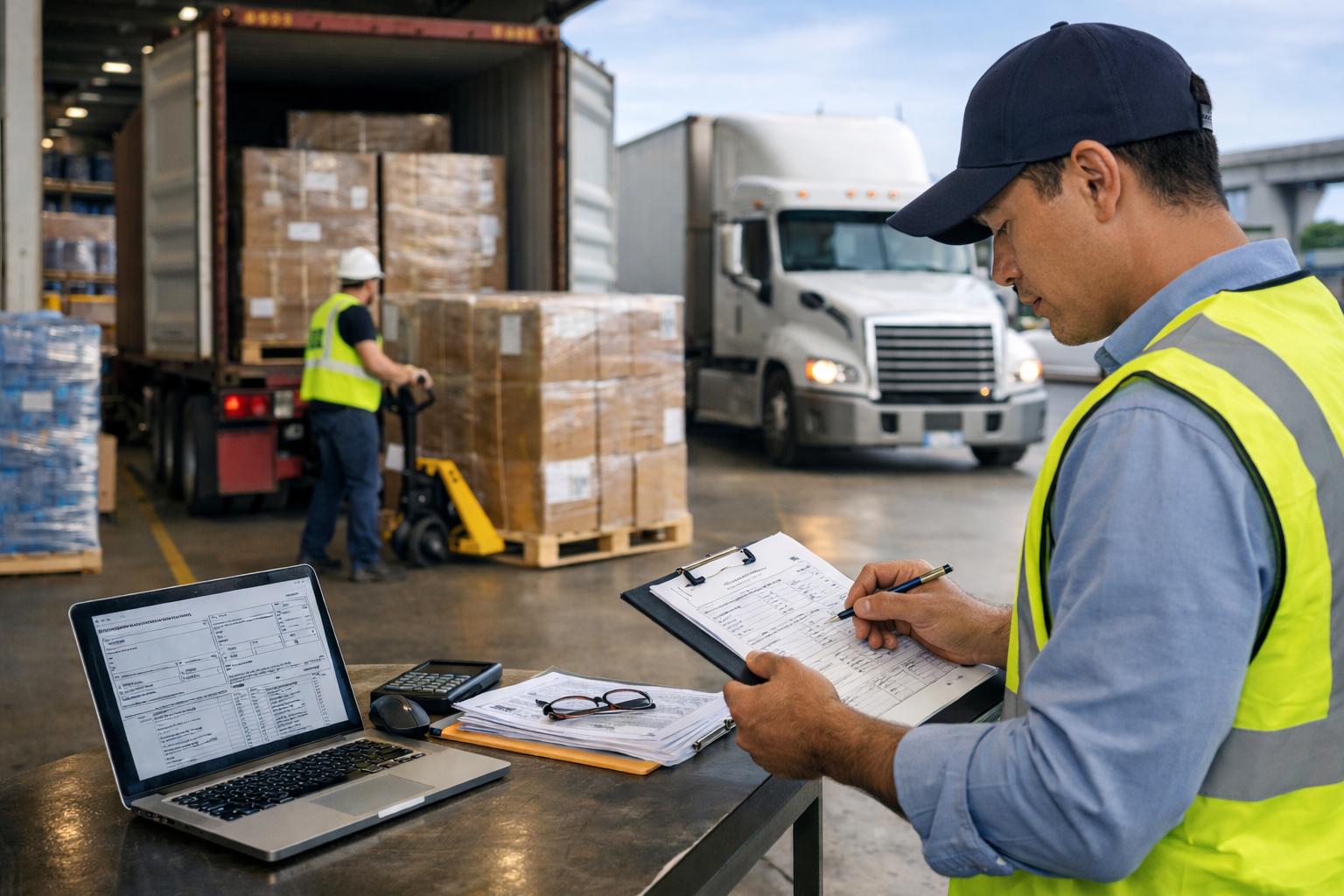
An Importer of Record (IOR) in the USA is the entity that is officially responsible for an import shipment. The IOR is the responsible party on the import entry and must meet U.S. customs requirements, follow customs regulations, and handle any needed regulatory compliance.
This matters because the IOR has legal responsibility for the accuracy of the entry. If the documents or information are wrong, or the goods do not meet U.S. rules, the IOR can face audits, fines, shipment holds, or seizure.
In simple terms: the IOR is the name tied to the entry, so the IOR must make sure the shipment is declared correctly and the records can support it.
The Importer of Record (IOR) is the responsible party for making sure an import shipment is declared correctly and meets U.S. rules. Across the entire import process, the main responsibilities are:
Customs compliance and customs clearance: Ensure the shipment meets customs requirements and can clear U.S. Customs without avoidable delays.
Proper classification and product classification: Use the correct HTS code so the entry is accurate and duties are calculated correctly.
Accurate documentation and entry documents: Provide complete entry documents and supporting documents that match the shipment.
Paying duties, taxes, and fees: Make sure duties, taxes, and fees are paid correctly and on time.
Regulatory compliance: Follow any extra rules for the product, including agency requirements when applicable.
Record services and recordkeeping: Keep import records and paperwork organized and available for review after release.
If these areas are controlled, the shipping process is smoother, the risk of audits is lower, and customs clearance is more predictable.
Common IOR candidates include:
The owner or purchaser of the goods
The consignee when they accept responsibility
A foreign importer using a compliant structure
A specialized third-party IOR provider offering record services and compliance management
The IOR and the consignee can be the same entity, but they do not have to be. The deciding factor is which entity is recognized as the responsible party for the entry and can meet obligations.
To act as the Importer of Record (IOR) in the USA, the importer must use a valid U.S. importer identifier on the entry. In most business shipments, this is an EIN for a company. For limited personal imports, an SSN may be used. In some cases, CBP may issue a CBP-assigned importer number.
In daily operations, teams often call this identifier an IOR number or record number. It simply means the number used to identify the importer on customs entry filings. The key requirement is consistency: the same importer identifier should match across entry documents, broker filings, and bond records. When the number or importer details do not match, customs clearance is more likely to be delayed or flagged.
A customs bond is often required for commercial imports into the United States. It is a financial guarantee to U.S. Customs that the Importer of Record (IOR) will meet key obligations, including paying duties, taxes, and fees, and following U.S. customs regulations.
For the IOR, the bond matters because it is tied to the importer’s entry profile. If the bond is missing, incorrect, or not linked to the correct importer identifier, the shipment can be delayed and the IOR may face extra costs and compliance risk.
Common bond options include:
Single-entry bond: Covers one shipment. Best for occasional imports or one-time projects.
Continuous bond: Covers multiple shipments over a period. Best for frequent importers who want smoother, repeat customs clearance.
Choosing the right bond type is part of building a low-risk IOR setup because it supports predictable clearance and reduces avoidable disruptions.
When importing goods into the United States, these three roles often appear in the same shipment. The key is to separate responsibility from filing and shipping.
The Importer of Record (IOR) is the party that takes responsibility. The IOR is listed on the import entry and is accountable for entry accuracy, customs compliance, and keeping records that support the shipment. If something is wrong, the IOR is usually the one that must respond and fix it.
A customs broker prepares and submits the entry and communicates with U.S. Customs and Border Protection during customs clearance. In most cases, the broker acts on behalf of the IOR, using the documents and data provided by the IOR. The broker helps the process run smoothly, but the IOR usually keeps the responsibility.
The IOR signs a Power of Attorney (POA) to authorize the customs broker to file entries and handle customs paperwork on the IOR’s behalf. POA gives the broker permission to act, but it does not move legal responsibility away from the IOR.
A freight forwarder manages logistics execution—booking, routing, consolidation, and delivery coordination in the shipping process. The forwarder supports international shipping, but is not automatically the IOR and does not take IOR responsibility by default.
| Role | Main job | Who is responsible if something is wrong |
|---|---|---|
| Importer of Record (IOR) | Owns entry accuracy and compliance | IOR |
| Customs broker | Files the entry and handles clearance communication | Usually IOR |
| Freight forwarder | Arranges transport and delivery | Not the IOR by default |
Simple separation
IOR = responsible
Broker = files
Forwarder = ships
U.S. customs clearance is not only about paying duties. Some products must also meet regulatory compliance rules from government agencies. If these requirements are missed, the shipment can be held or refused even if the entry is filed correctly.
Depending on what you import, you may need import permits, special filings, or product documents. Common agency controls include:
FDA for food, cosmetics, medical-related products, and many health items
EPA for certain chemicals, engines, and environmental-regulated goods
DOT for specific transportation-related products and hazmat requirements
What the IOR should do is simple:
Confirm whether the product is regulated before shipping
Prepare the required permits, certificates, or filings
Keep the supporting documents ready in case Customs requests proof during clearance
If you handle agency requirements early, customs clearance becomes faster and compliance risk stays low.
To reduce holds, the IOR should standardize documentation and insist on data consistency. Use this checklist for every shipment:
Commercial invoice: Must clearly describe the goods, show correct value, and match the sales terms.
Common issue: vague descriptions or inconsistent pricing.
Packing list: Must match the invoice and reflect accurate quantities, cartons, weights, and packaging details.
Common issue: mismatched item counts or weights.
Transport document: Bill of lading or air waybill information should match the shipment and the parties involved.
Common issue: different shipper or consignee details than the entry data.
Classification support: Keep internal notes or references showing why the HTS code is correct for the product.
Common issue: random HTS changes between suppliers or shipments.
Origin and marking evidence: Keep proof for country of origin claims and ensure marking rules are followed where required.
Common issue: inconsistent origin statements across documents.
Permits or agency documents: If the product is regulated, keep the required filings, permits, or certificates ready.
Common issue: missing documents for regulated goods.
If these items match each other, customs clearance becomes far more predictable.

A foreign importer often faces a simple problem: the U.S. buyer may not want to be the Importer of Record (IOR), but someone still must take responsibility for the entry and customs compliance.
This is the simplest structure when the customer is experienced and willing to hold liability. It often works well for B2B buyers who already import regularly and have their own importer identifier and bond.
Main risk: many customers refuse because it increases their compliance workload and liability.
If you have a U.S. entity or a stable importer structure, you can keep control of documentation, classification decisions, and long-term compliance. This option is best for brands building a long-term U.S. sales program.
Main challenge: it requires ongoing compliance management and clean recordkeeping.
A third-party IOR service is practical when you do not have a U.S. setup, when your customers will not act as IOR, or when you need a standardized process to avoid delays. The provider becomes the IOR for the entry, while your customs broker and freight forwarder continue to handle filing and shipping.
What a third-party IOR service typically covers:
A compliant importer structure for the entry
Customs bond support and coordination
Documentation and data checks before filing
Recordkeeping support for post-entry requests
Best use case: cross-border sellers who want predictable customs clearance without forcing customers to take IOR responsibility.
Avoid these patterns:
Assuming the customs broker is automatically the IOR
Naming the consignee as IOR without a clear agreement on obligations
Using inconsistent product classification and poor supporting documents
Paying duties based on inconsistent or unrealistic invoice values
Missing permits or agency controls for regulated goods
Allowing importer identifiers to mismatch across paperwork and entry documents
These mistakes increase delays, enforcement risk, and total cost of importing goods into the USA.
A customs broker typically files on behalf of the IOR. The IOR remains the responsible party for customs compliance and entry accuracy.
Yes. They can be the same entity, but they do not have to be. The key is which entity is designated as responsible for the entry and can meet obligations.
In practice, IOR number refers to the importer identifier used for entry purposes. Teams may also call it a record number. Consistency across documents helps avoid clearance issues.
Many foreign importer programs use IOR services to create a compliant structure, manage bonds, and maintain records. This is especially common when customers refuse to act as the IOR.
Useful freight, customs and importing resources related to this shipping guide.
On a DDP shipment, the seller is responsible for arranging import clearance and paying the applicable import duties and taxes in the destination...
Read guide →
Customs Bond for USA Imports: The Complete Guide Verified & Reviewed · Last updated March 2026 If you import into the United States, a customs bo...
Read guide →
Customs Broker vs Freight Forwarder Verified & Reviewed · Last updated April 2026 Customs broker vs freight forwarder is a common question for im...
Read guide →
When shipping goods from China to the USA, customs clearance plays a crucial role in ensuring a smooth and timely process. This guide will break...
Read guide →Commercial Invoice Template for Importing from China to the USA Verified & Reviewed · Last updated May 2026 A commercial invoice template for imp...
Learn more → Useful Resource DDP Shipping from China to USADDP Shipping from China to USA Verified & Reviewed · Last updated June 2026 DDP Shipping from China to USA is a duty-paid door-to-door shipping s...
Learn more →WhatsApp us