Related Guide
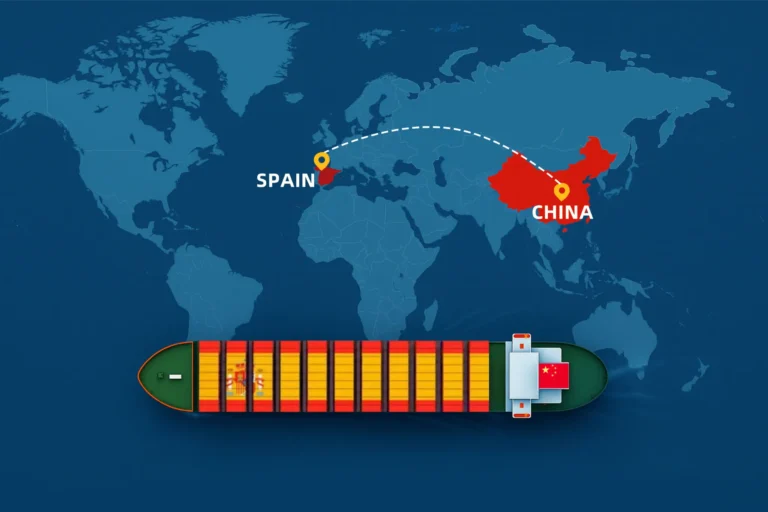
Shipping from China to Spain
Shipping from China to Spain – Sea, Air & DDP in 2026 Fast, reliable shipping from China to Spain for B2B importers, eCommerce sellers,and projec...
Read guide →

Shipping cost from China to Spain in 2026 typically ranges from $3,150–$5,675 per container for ocean freight, $45 per CBM for LCL shipping, $7.35 per kg for air freight, and $13.25 per kg for express shipping, depending on shipping mode, cargo size, transit time, and final destination in Spain.
For large commercial cargo, ocean shipping is usually the most cost-effective option. For faster freight shipping, air freight and rail service may be better choices. For small parcels, samples, urgent documents, and e-commerce orders, courier services offer faster delivery but at a higher price.
This Spain cost guide explains updated freight rates, transit time, customs documents, major ports, major Spanish airports, and practical ways to reduce hidden fees when shipping goods internationally.
Shipping method / Mode
Transit time range
DDP / Door to Door
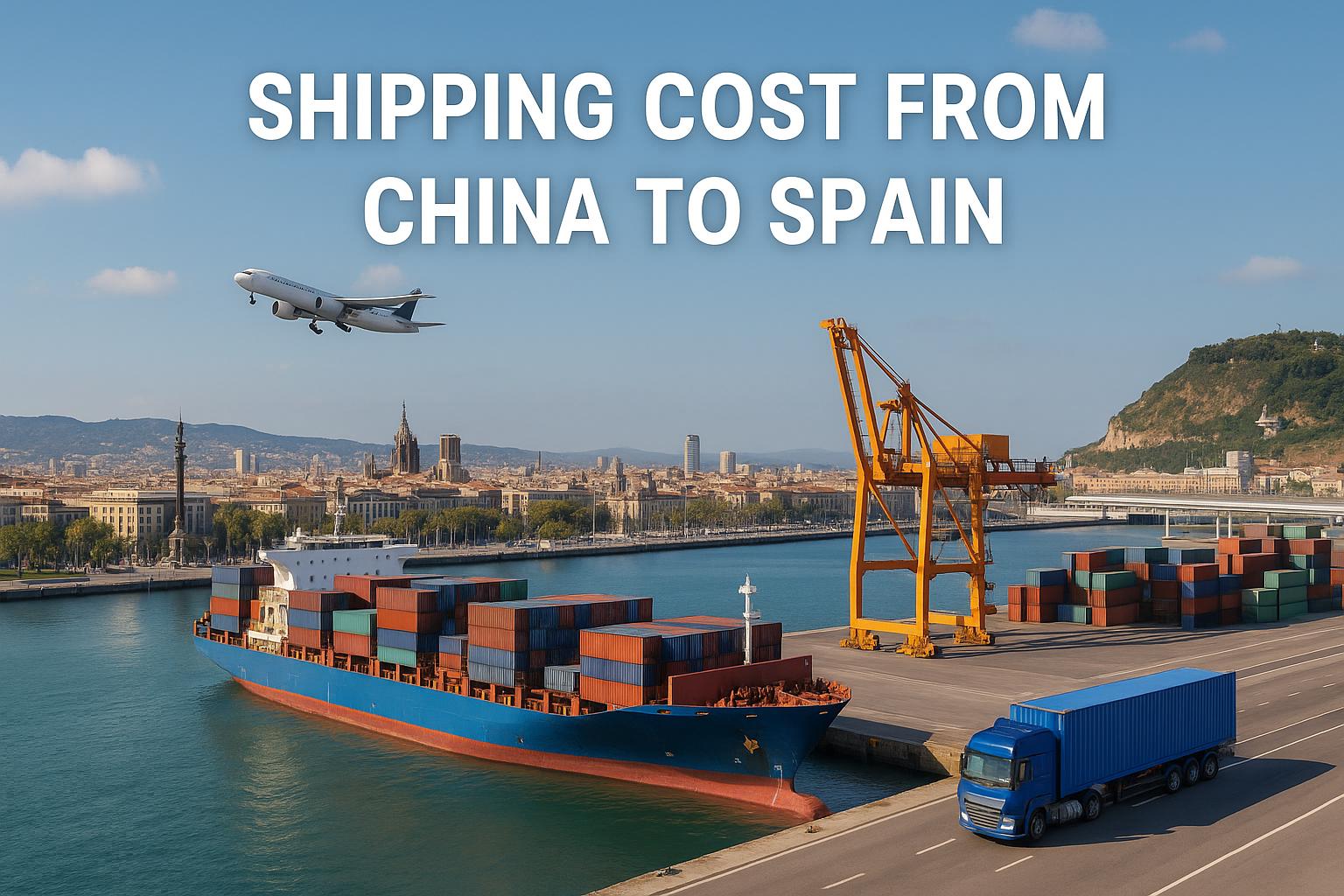
The table below shows updated estimated freight rates from China to Spain in June 2026. Actual shipping costs may vary depending on shipment size, container space, shipping line, cargo type, fuel prices, customs clearance, and final delivery address.
| Shipping Mode | Cost |
|---|---|
| Sea Freight 20GP container | $3,150–$3,850 |
| Sea Freight 40HQ container | $4,645–$5,675 |
| LCL | $45/CBM |
| Rail Freight 20GP | $4,355–$5,325 |
| Rail Freight 40HQ | $7,470–$9,130 |
| Rail LCL | $215/CBM |
| Air Freight | $7.35/kg |
| Express Shipping | $13.25/kg |
These prices are general market references for June 2026. The final shipping cost from China to Spain can change according to freight rates, cargo dimensions, cargo handling requirements, seasonal demand, destination charges, import duty, and local delivery fees.
Your final shipping quote will depend on several cost-related elements:
To avoid hidden costs, always request a detailed freight quote from your freight forwarder and clarify whether the cost includes origin/destination charges, documentation fees, or terminal handling.
When it comes to shipping goods from China to Spain, businesses have several transportation modes to choose from. The right method depends on your cargo volume, budget, urgency, and the nature of your shipment. Below, we explore the most common international shipping options and their benefits.
Ocean freight is the most popular and cost-effective method for transporting large volumes of cargo from China to Spain. It is ideal for businesses that can wait longer for delivery and want to minimize per-unit shipping costs.
Typical ocean freight transit time from China to Spain is around 25–35 days, depending on the route, carrier schedule, port congestion, container space, and seasonal demand.
If speed is a top priority, air freight from China to Spain offers a fast and reliable solution. This method is ideal for high-value or time-sensitive goods such as electronics, medical devices, and fashion products.
Transit time: 3 to 7 days
Main origin airports: Shanghai Pudong (PVG), Guangzhou Baiyun (CAN), Shenzhen Bao’an (SZX)
Main destination airports: Madrid Barajas (MAD), Barcelona El Prat (BCN)
Air shipping costs are calculated based on chargeable weight, which takes into account both actual and shipment’s dimensions (volumetric weight). Airlines and freight forwarders often provide real-time tracking and secure handling for valuable goods.
However, air freight rates are significantly higher than sea freight, and capacity can be limited during peak seasons.
Rail freight is a growing shipping solution for companies looking for a balance between cost and speed. The China-Europe Railway Express connects major Chinese cities to European hubs via Central Asia.
Route Example:
Xi’an → Madrid via Kazakhstan, Russia, Poland, and France
Rail transport is more eco-friendly and offers predictable schedules, but it may require transloading and customs clearance at multiple borders.
For small parcels, samples, or eCommerce orders, international courier services like DHL, UPS, and FedEx provide fast, door-to-door delivery from China to Spain.
While convenient, express courier services have the highest shipping costs per kilogram and are not suitable for bulk shipments.
Transit time is a key factor when selecting a suitable shipping method from China to Spain. Depending on the mode of transportation, the type of goods, the departure and destination points, and whether you’re using door to door services or port-to-port delivery, delivery times can range from just a few days to over a month.
Below is a breakdown of the estimated shipping time for various methods:
| Shipping Method | Estimated Transit Time |
|---|---|
| Express Shipping | 3–7 days |
| Air Freight | 5–10 days |
| Rail Freight | 18–28 days |
| Sea Freight | 28–45 days |
| Door-to-Door Sea Freight | 35–55 days |
Sea freight transit time may vary depending on the port of loading in China, destination port in Spain, vessel route, port congestion, and customs clearance. Air freight is faster, but customs inspection or delivery to remote areas may add extra time.
Several variables can impact how long it takes for your shipment to arrive in Spain:
Understanding these factors is vital for planning your supply chain and meeting delivery deadlines, especially during peak shipping seasons like Q4 or before Chinese New Year.
Selecting the right ports and international airports is crucial when planning your shipping route from China to Spain. The choice of departure and arrival locations can significantly impact transit time, freight costs, and overall efficiency in the shipping process.
Most shipments from China to Spain are handled through major Chinese ports and Spanish ports. The right route depends on supplier location, cargo type, shipping method, and final destination.
Common departure ports in China include:
Common destination ports in Spain include:
For air freight, common arrival airports include Madrid Airport and Barcelona Airport. These airports are suitable for urgent shipments and cargo requiring fast customs clearance and inland distribution.
For air freight, access to reliable international airports ensures faster shipment processing and better flight availability.
Main Air Cargo Airports in China:
Main Airports in Spain:
These airports support regular commercial flights and dedicated freighter services, which help reduce shipping time and improve delivery reliability.
Clearing customs in Spain is a critical part of the international shipping process. Whether you’re shipping via air, sea, or rail, understanding the documentation, taxes, and import duties involved will help avoid delays and unexpected fees.
Spain, as a member of the European Union, follows standardized EU customs regulations and procedures. All imports from China are subject to customs clearance, and your goods cannot be delivered until all duties and taxes have been paid and approved by Spanish customs authorities.
To ensure smooth customs clearance, your shipment must be accompanied by a complete set of required documents:
Tip: Double-check that the declared value on the invoice aligns with the market value. Undervaluation can trigger penalties or seizure.
Spain applies import duties and Value Added Tax (VAT) on goods imported from non-EU countries like China. These are calculated based on the CIF value (the combined total of product cost, insurance, and freight charges).
For example, if you’re importing $10,000 worth of electronics with a 5% duty rate and $1,000 shipping cost, the CIF value is $11,000. The import duty is $550, and VAT is applied on top of the total ($11,000 + $550).
Customs processing usually takes 1–3 business days, but may extend up to 5–7 days if additional inspections or documentation is required. Working with an experienced freight forwarder in Spain can speed up the process and reduce the risk of delays.
Shipments arriving to the Canary Islands are subject to different tax regulations (IGIC instead of VAT), so be sure to check with your logistics provider.

For businesses and individuals seeking convenience and simplicity, door to door shipping is an ideal solution. This shipping service handles everything—from picking up the goods at your supplier in China to delivering them directly to your warehouse, office, or home address in Spain.
This method is especially popular among Amazon sellers, eCommerce businesses, and importers who don’t want to manage customs clearance, inland transport, or document handling themselves.
A freight forwarder coordinating door to door shipping will typically manage the full shipping process:
Most providers offer real-time tracking so you can monitor your shipment every step of the way.
DDP shipping is a form of door to door service where the freight forwarder takes full responsibility for all costs and formalities. This includes:
With DDP, the receiver doesn’t need to pay anything upon arrival—the entire process is pre-paid and managed by the freight forwarder. It’s an excellent choice for small importers, startups, or those unfamiliar with international trade procedures.
Keep in mind: DDP services are not suitable for restricted or dangerous goods, as these require specific licenses and may not be accepted under DDP terms.
This method minimizes risk, saves time, and ensures a smooth delivery experience, especially if you’re not familiar with Spanish customs clearance or local logistics providers.
Shipping costs can be reduced with better planning, accurate cargo information, and the right freight method. Importers should compare different shipping options before confirming the order.
Useful ways to reduce cost include:
For air freight and express shipping, reducing package dimensions can help lower chargeable weight. For sea freight, better container loading can reduce the cost per unit.
A reliable freight forwarder can help importers manage the full shipping process from China to Spain. This includes cargo pickup, export documents, freight booking, customs clearance, tracking, and final delivery.
A freight forwarder can help with:
For businesses importing regularly from China, working with an experienced freight forwarder can save time, reduce hidden costs, and improve delivery reliability.
In June 2026, a 20GP container from China to Spain costs around $3,150–$3,850, while a 40HQ container costs around $4,650–$5,700. The final price depends on the origin port, destination port, carrier space, cargo type, and local charges.
Sea freight is usually the cheapest way to ship large cargo from China to Spain. For smaller shipments, LCL sea freight is often more cost-effective than air freight or express shipping.
Express shipping is usually the fastest option, taking around 3–7 days. Air freight is also fast and usually takes around 5–10 days, depending on flight schedule, customs clearance, and delivery address.
Yes. Goods imported from China to Spain are usually subject to customs duties and VAT. The exact amount depends on the HS code, declared value, product type, and Spanish customs rules.
Yes. DDP shipping is available for many products from China to Spain. It can include duties, taxes, customs clearance, and delivery, but the availability and price depend on the product type, HS code, cargo value, weight, and delivery address.
Useful freight, customs and importing resources related to this shipping guide.
Shipping from China to Spain – Sea, Air & DDP in 2026 Fast, reliable shipping from China to Spain for B2B importers, eCommerce sellers,and projec...
Read guide →
How long does it take to ship from China to Spain? This is one of the most common questions asked by importers looking to optimize delivery times...
Read guide →
Sea Freight from China to Spain: Cost, Transit Time, Ports and Customs Guide Verified & Reviewed · Last updated June 2026 Sea freight from China...
Read guide →
Air freight from China to Spain is one of the most efficient and reliable international shipping solutions for businesses that need fast delivery...
Read guide →Why DDP Shipping Is the Preferred Choice for Spain Shipping goods from China to Spain has never been easier, thanks to the increasing popularity...
Learn more → Useful Resource 20ft & 40ft Container Shipping Costs from China to Spain20ft & 40ft Container Shipping Costs from China to Spain Verified & Reviewed · Last updated June 2026 20ft 40ft Container Shipping Costs from Chi...
Learn more →WhatsApp us