Related Guide
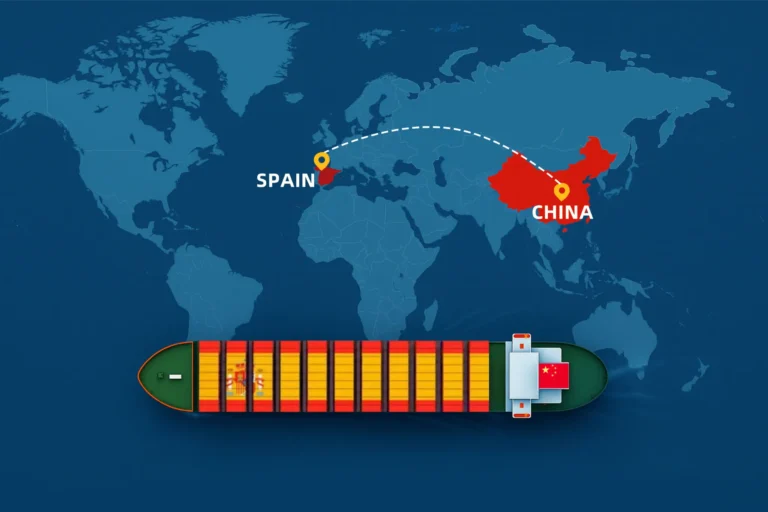
Shipping from China to Spain
Shipping from China to Spain – Sea, Air & DDP in 2026 Fast, reliable shipping from China to Spain for B2B importers, eCommerce sellers,and projec...
Read guide →

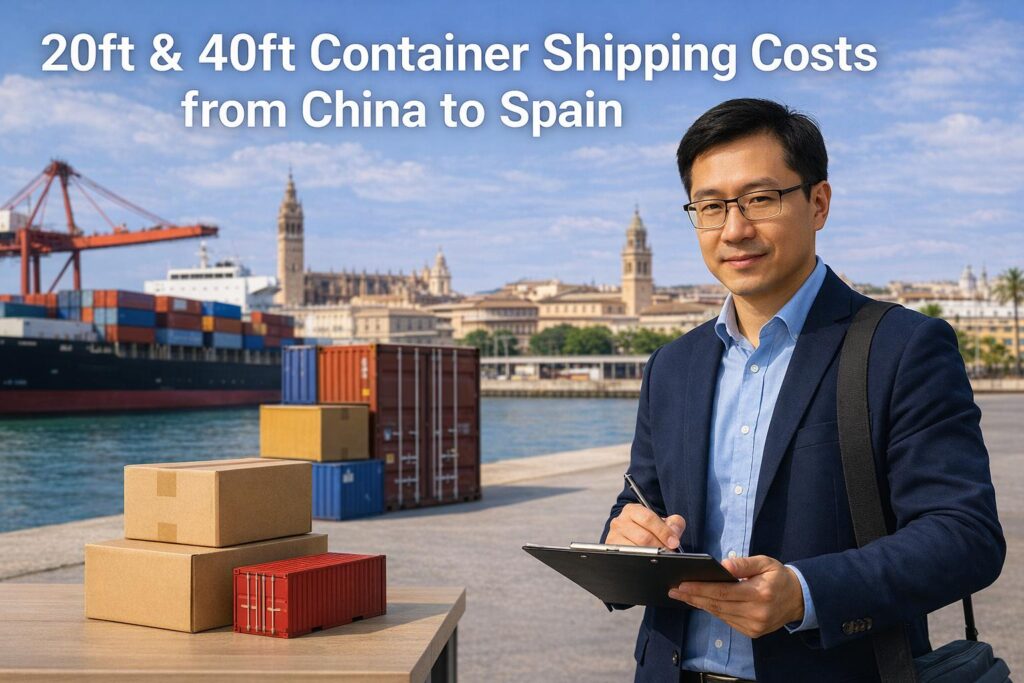
20ft 40ft Container Shipping Costs from China to Spain vary depending on container size, sea freight rates, transit times, shipping route, cargo volume, and total destination charges.
This guide explains container shipping costs from China to Spain, including 20ft and 40ft container rates, FCL and LCL shipping, major Spanish ports such as Barcelona, Valencia, Algeciras, and Bilbao, and what is included in container shipping quotes, such as ocean freight, port charges, customs clearance, and inland transport.
Container size / Cost
Transit time range
FCL / LCL shipping

The cost to ship a container from China to Spain changes regularly because ocean freight rates are affected by carrier capacity, fuel costs, seasonal demand, port congestion, route changes, and container space availability. For a standard shipment, importers should treat the following prices as market estimates rather than fixed rates.
| Container Type | Average Price from China to Spain | Best For | Estimated Transit Time |
|---|---|---|---|
| 20ft Container | USD 1,000 – 3,300 | Heavy cargo, compact goods, machinery, tiles, hardware | 28 – 40 days |
| 40ft Container | USD 2,000 – 6,500 | Furniture, textiles, retail products, larger cargo volume | 28 – 40 days |
| 40HQ Container | USD 2,200 – 6,800 | Light but bulky goods that need more container space | 28 – 40 days |
| LCL Shipping | Charged by CBM | Smaller shipments that do not need a full container | 35 – 45 days |
These shipping costs usually refer to sea freight or ocean freight from major ports in China to Spain port destinations such as Barcelona, Valencia, Algeciras, and Bilbao. Total shipping costs may also include origin handling fees, documentation fees, customs clearance, destination port charges, and inland delivery.
For accurate pricing, you need to confirm cargo specifications before booking. A freight forwarder will usually ask for:
Origin city or loading port in China
Destination city or destination port in Spain
Cargo details, product name, quantity, and packaging
Exact weight, volume, and number of cartons or pallets
Incoterms such as EXW, FOB, CIF, DAP, or DDP
Whether you need container pickup, customs clearance, or final delivery
A 20ft container from China to Spain typically costs USD 1,000–3,300 by sea freight. It offers about 33 cubic meters of usable space, but its main advantage is not volume. A 20ft container is better for heavy and dense cargo because it has strong weight capacity while keeping the total container shipping cost lower than a 40ft container.
This option is suitable when the goods are heavy but do not take up much container space, such as machinery parts, hardware, ceramic tiles, stone, tools, metal products, and industrial materials. For these products, a 40ft container may provide extra space, but the cargo may reach the weight limit before the space is fully used.
A 20ft container is usually the better choice when:
The cargo is heavy but compact
The shipment does not need the space of a 40ft container
You want a lower total shipping cost
The cargo weight is more important than cargo volume
You want full container load shipping instead of sharing space with other cargo
However, the cost per cubic meter is usually higher than a 40ft container. If your goods are light, bulky, or close to filling a larger container, a 20ft container may not be the most cost effective option.
A 40ft container from China to Spain typically costs USD 2,000–6,500 by ocean freight. It offers about 67 cubic meters of usable space, making it more suitable for large-volume and bulky cargo. Although the total shipping cost is higher than a 20ft container, the cost per cubic meter is often lower.
This option is commonly used for furniture, textiles, garments, lighting products, household goods, packaging materials, retail merchandise, and e-commerce inventory. These products usually occupy more container space but may not be extremely heavy.
A 40ft container is usually the better choice when:
The cargo volume is large
The goods are light or bulky
You need more container space for cartons or pallets
You want a lower shipping cost per cubic meter
You are shipping large commercial cargo or regular inventory
For many importers, a 40ft or 40HQ container provides better value because it can carry nearly twice the volume of a 20ft container, while the freight cost is usually not twice as high. This makes it more cost effective for large shipments from China to Spain.
When shipping containers from China to Spain, businesses usually choose between Full Container Load (FCL) and Less Than Container Load (LCL). The best option depends on cargo volume, budget, delivery requirements, and the overall shipping timeline.
FCL shipping means your cargo uses an entire container. Whether you choose a 20ft container, 40ft container, or 40HQ container, the container is reserved exclusively for your shipment.
FCL is often the preferred choice for large shipments because it offers greater control and efficiency throughout the container shipping process.
Benefits of FCL shipping include:
Exclusive use of the entire container
Faster loading and unloading procedures
Reduced handling and lower risk of cargo damage
More predictable transit times
Better shipping efficiency for large-volume cargo
FCL is commonly used for machinery, furniture, building materials, textiles, retail products, and other commercial cargo that can utilize most of the container space.
LCL shipping allows multiple importers to share container space within the same container. Instead of paying for a full container, you pay only for the space your cargo occupies.
This shipping method is suitable for smaller shipments that do not justify booking a full container.
Advantages of LCL shipping include:
Lower upfront shipping costs for smaller shipments
No need to fill an entire container
Flexible option for low-volume cargo
Cost-effective for occasional shipments
Because cargo from multiple shippers is consolidated and separated during transit, LCL shipments usually require additional handling and may have longer transit times than FCL shipments.
The shipping route has a direct impact on container shipping rates, transit times, and overall shipping efficiency. Most sea freight from China to Spain departs from major container ports in China and arrives at major ports in Spain.
China has many strong export ports for international shipping. The best port depends on the supplier location, container availability, carrier schedules, and inland transport cost.
Common departure ports include:
Xiamen Port
Guangzhou Nansha Port
Tianjin Port
Shanghai is a key port for Spain-bound container shipping because it has frequent sailings, strong carrier coverage, and good access to inland manufacturing areas. Ningbo-Zhoushan also offers competitive ocean freight rates for many Europe trade lanes. Shenzhen Port and Yantian are strong choices for cargo from South China.
Spain is an important logistics gateway in Europe. The destination port you choose affects final cost, customs clearance, inland delivery, and shipping timeline.
Main Spain port options include:
Port of Valencia
Port of Barcelona
Port of Algeciras
Port of Bilbao
Port of Tarragona
Port of Vigo
Valencia and Barcelona are popular for commercial cargo, retail goods, furniture, textiles, and general container shipping. Algeciras is also important for international trade because of its strong position near key Mediterranean and Atlantic routes.
Transit times from China to Spain vary depending on the shipping method, departure port, destination port, carrier schedule, customs clearance process, and inland delivery requirements. For most importers, sea freight remains the preferred option because it offers the best balance between shipping costs and transit times for large shipments and full container load cargo.
Typical transit times include:
| Shipping Method | Estimated Transit Time |
|---|---|
| Sea Freight FCL | 25–40 days |
| Sea Freight LCL | 30–45 days |
| Rail Freight | 15–20 days |
| Air Freight | 5–8 days |
| Express Shipping | 3–5 days |
Major shipping routes from Shanghai, Ningbo, and Shenzhen Port to Spain’s main container ports, including Barcelona, Valencia, and Algeciras, typically take between 25 and 40 days by sea. LCL shipments may require additional consolidation and deconsolidation time, resulting in slightly longer transit times.
Container shipping rates from China to Spain are influenced by many factors beyond the basic ocean freight charge. Two shipments on the same route can have different shipping costs because of cargo details, container types, shipping schedules, and destination requirements. Understanding these factors can help importers estimate the final cost more accurately and avoid unexpected charges.
The most important factors include:
Container size and container types – A 20ft container generally has a lower total shipping cost, while a 40ft container often provides a lower cost per cubic meter. Specialized equipment such as open top, flat rack, and refrigerated containers usually costs more.
Cargo weight and cargo volume – FCL pricing is based on the container load, while LCL shipping costs are typically calculated by cubic meter. Cargo weight, dimensions, and packaging can all affect freight rates.
Shipping route and port selection – Shipping from Shanghai, Ningbo, or Shenzhen Port may result in different container shipping rates. The destination port in Spain also affects pricing, handling fees, and transit times.
Shipping season and market demand – Freight rates often increase during peak shipping season, especially before Chinese New Year and major retail holidays. Booking early can improve container availability and secure more competitive pricing.
Origin and destination charges – Ocean freight is only part of the total shipping costs. Additional charges may include customs clearance, terminal handling charges, inland transport, port fees, and destination delivery.
Optional services – Cargo insurance, warehousing, palletizing, inspection services, and door-to-door delivery can increase the final price but may improve shipping efficiency and reduce risk.
Customs and import requirements – Spanish regulations, import duties, VAT, and customs documentation requirements can affect both the shipping timeline and total Spain cost.
Most cost overruns occur when importers focus only on the ocean freight rate and overlook local charges, customs fees, and inland delivery expenses. Working with an experienced freight forwarder can help identify all costs in advance and provide a more cost-effective shipping solution.
Door-to-door container shipping services are useful when you want one freight forwarder to manage the whole container shipping process from supplier pickup in China to final delivery in Spain. This can include cargo pickup, export customs, sea freight, import customs clearance, tax handling, and inland transport.
A complete door-to-door shipping solution may include:
Confirm cargo specifications with your supplier
Arrange container pickup or factory loading in China
Prepare commercial invoice and packing list
Handle China export customs declaration
Book sea freight and secure container space
Ship a container to the Spain port
Complete Spanish import procedures
Pay duties, VAT, and handling fees
Arrange inland delivery to warehouse or business address
Door-to-door service can improve shipping efficiency because communication is centralized. It is especially useful for importers who do not have their own customs broker, local trucking agent, or warehouse partner in Spain.
Customs clearance is a critical step when shipping containers from China to Spain. Whether you use full container load, less than container load, or door-to-door shipping services, your cargo must comply with both European Union and Spanish import regulations before it can be released from the destination port.
Incomplete paperwork, incorrect product classifications, or inaccurate cargo declarations can result in customs delays, additional inspections, storage charges, and unexpected shipping costs. Preparing documents correctly before departure is one of the best ways to maintain shipping efficiency and avoid unnecessary expenses.
Most commercial cargo imported into Spain requires the following documents:
Bill of lading or sea waybill
EORI number of the importer
Import declaration
Certificate of origin when applicable
Product certificates for regulated goods
The commercial invoice should clearly state the product description, declared value, quantity, and trade terms. The packing list should match the cargo details and show packaging information, cargo weight, and dimensions.
Import duties are calculated based on the product classification and customs value of the goods. Different products may have different duty rates under EU customs regulations.
In addition to customs duties, Spain applies Value Added Tax (VAT) on imported goods. VAT is generally calculated based on the customs value of the cargo plus applicable duties and certain import-related costs.
Your final import cost may include:
Customs duties
Import VAT
Customs clearance fees
Port handling fees
Inland transport costs
Understanding these charges before shipping helps prevent unexpected expenses when the cargo arrives at the Spain port.
Spanish Customs may select shipments for documentary review or physical inspection. Customs inspections can be triggered by:
High-risk product categories
Incomplete shipping documents
Inconsistent cargo details
Valuation concerns
Random customs checks
If the shipment passes customs review, the container will be released for pickup or inland transport to the final delivery location.
Proper preparation can significantly reduce clearance issues and help keep your shipping timeline on schedule.
Before shipping from China to Spain, make sure to:
Confirm cargo specifications before booking
Use accurate HS codes
Ensure the commercial invoice matches the packing list
Verify product compliance with Spanish regulations
Prepare all import documents before vessel arrival
Work with an experienced freight forwarder familiar with Spain import procedures
A reliable freight forwarder can coordinate customs clearance, review shipping documents, communicate with customs authorities, and help ensure a smoother import process from China to Spain.
A freight forwarder helps manage the container shipping process, compare freight rates, book container space, coordinate suppliers, prepare documents, and arrange customs clearance. This is especially helpful when you are shipping from multiple suppliers or delivering to inland cities in Spain.
A professional freight forwarder can help you:
Compare container shipping rates from different carriers
Choose the right shipping route and destination port
Decide between FCL and less than container load shipping
Arrange container pickup from factories in China
Check cargo readiness before vessel departure
Prepare commercial invoice and packing list correctly
Estimate total shipping costs before booking
Avoid common cost overruns and customs delays
Provide a more cost effective shipping solution for your supply chain
Choosing the right shipping company or freight forwarder is not only about the lowest rate. It is about stable transit times, clear pricing, customs knowledge, communication, and the ability to handle problems when schedules change.
Shipping costs from China to Spain depend on the shipping method, cargo volume, container type, route, and final delivery address. For container shipping, a 20ft container usually costs USD 1,000 to USD 3,300, while a 40ft container usually costs USD 2,000 to USD 6,500. Air freight and express shipping cost more but offer faster delivery.
The cost to ship a 20ft container from China to Spain is usually USD 1,000 to USD 3,300 for sea freight. The average price depends on the departure port, destination port, shipping season, carrier, and whether you need port-to-port or door-to-door service.
Sea freight from China to Spain usually takes 28 to 40 days port to port. Total transit times can reach 35 to 45 days if you include supplier pickup, export handling, customs clearance, destination port processing, and inland transport.
FCL is better for large shipments that need an entire container, faster handling, and lower risk of damage. LCL is better for smaller shipments because you share container space with other cargo and pay based on cubic meter volume.
Major ports in China include Shanghai, Ningbo-Zhoushan, Shenzhen, Yantian, Qingdao, Xiamen, and Guangzhou Nansha. Major container ports in Spain include Valencia, Barcelona, Algeciras, Bilbao, Tarragona, and Vigo.
Useful freight, customs and importing resources related to this shipping guide.
Shipping from China to Spain – Sea, Air & DDP in 2026 Fast, reliable shipping from China to Spain for B2B importers, eCommerce sellers,and projec...
Read guide →
Shipping Cost from China to Spain (2026 Guide) Verified & Reviewed · Last updated June 2026 Shipping cost from China to Spain in 2026 typically r...
Read guide →
How long does it take to ship from China to Spain? This is one of the most common questions asked by importers looking to optimize delivery times...
Read guide →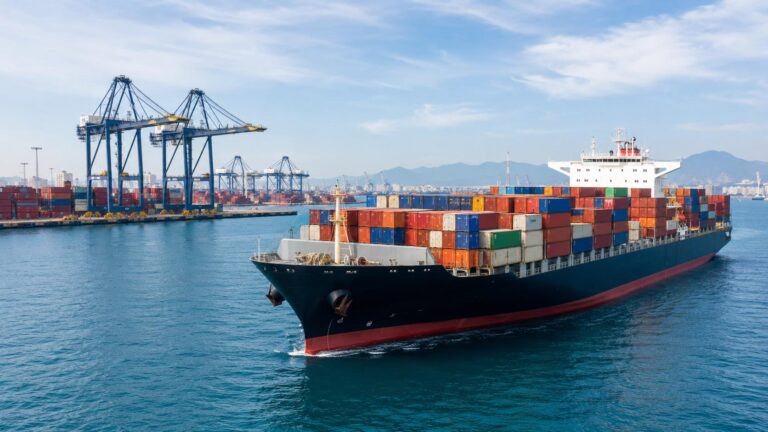
Sea Freight from China to Spain: Cost, Transit Time, Ports and Customs Guide Verified & Reviewed · Last updated June 2026 Sea freight from China...
Read guide →Air freight from China to Spain is one of the most efficient and reliable international shipping solutions for businesses that need fast delivery...
Learn more → Useful Resource DDP Shipping from China to SpainWhy DDP Shipping Is the Preferred Choice for Spain Shipping goods from China to Spain has never been easier, thanks to the increasing popularity...
Learn more →WhatsApp us