Related Guide
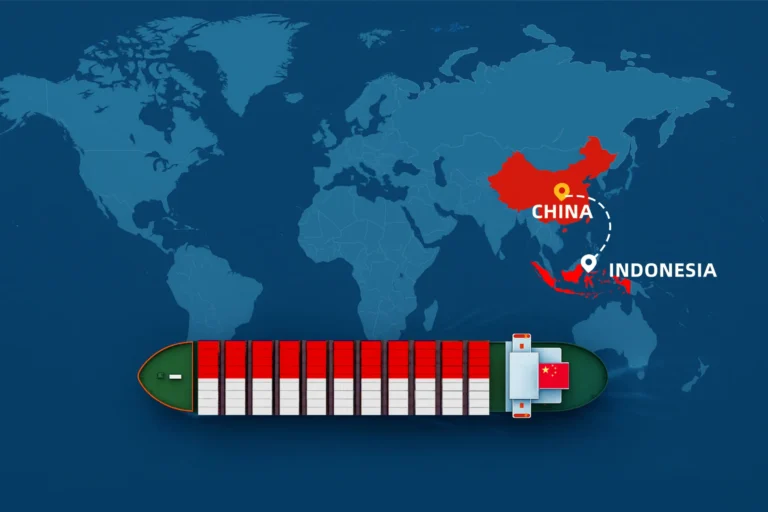
Shipping from China to Indonesia
Shipping from China / Shipping from China to Indonesia China–Indonesia Freight Guide · Updated August 2026 Shipping from China to Indonesia Shipp...
Read guide →

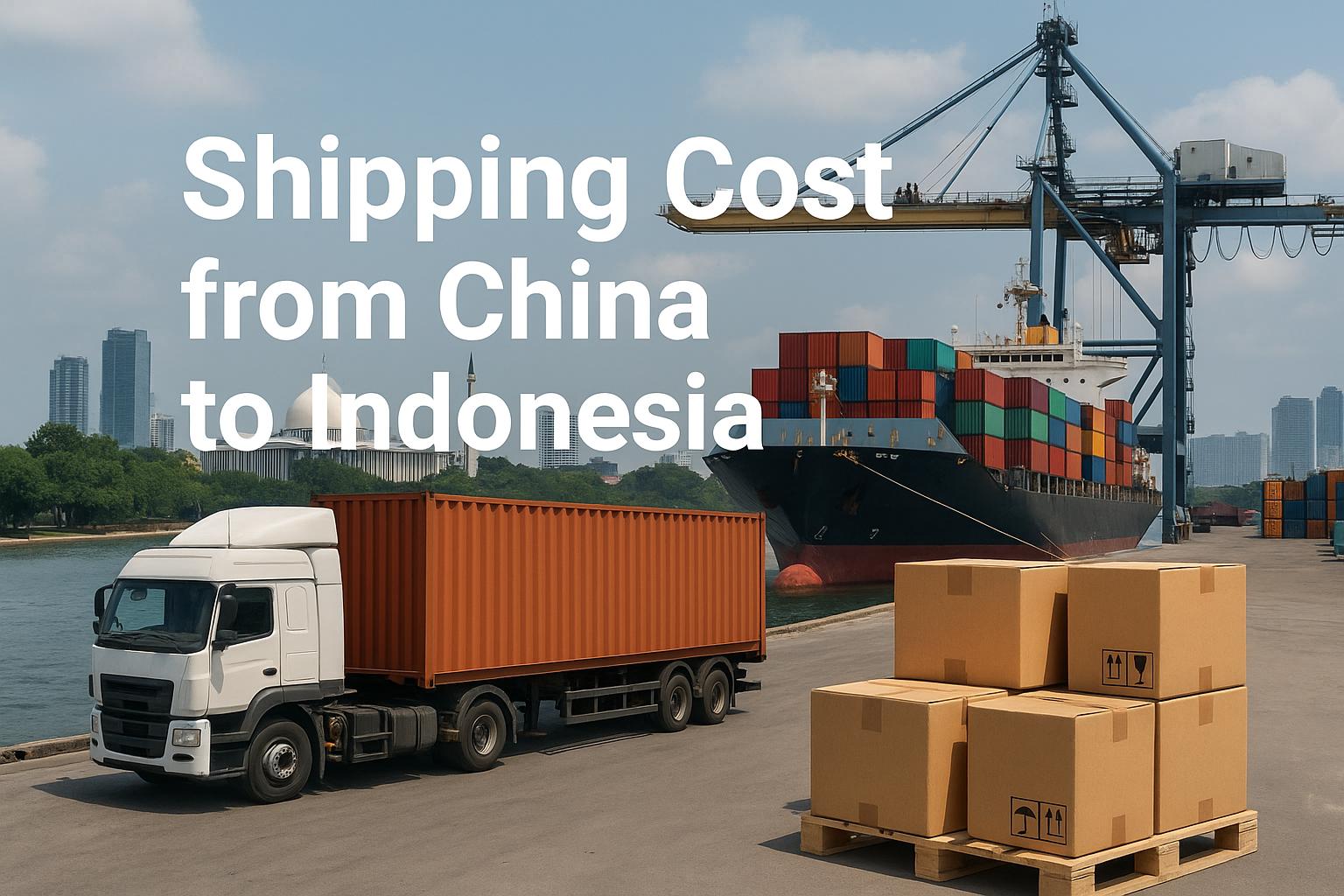
Shipping cost from China to Indonesia in 2026 typically ranges from US$30–US$60 per CBM for LCL sea freight, US$518–US$633 for a 20GP container, US$990–US$1,210 for a 40GP container, US$2.10–US$4.20 per kg for air freight, and US$15–US$28 per kg for express courier, depending on cargo size, shipping method, customs requirements, and destination.
For larger shipments, sea freight is usually the most cost-effective option, while air freight and express courier are better for urgent, high-value, or small parcel shipments.
Importers can also choose DDP door-to-door shipping if they want one logistics provider to handle pickup, customs clearance, customs duties, and final delivery in Indonesia. Understanding freight rates, transit times, and required documents helps reduce hidden costs and avoid customs delays.
Freight Rates
Customs Clearance
DDP / Door to Door
The table below gives a practical reference for shipping from China to Indonesia. Actual freight rates may vary depending on the shipment’s weight, cargo volume, route, carrier space, seasonal demand, and whether customs clearance or delivery is included.
| Shipping Method | Estimated Cost | Transit Time |
|---|---|---|
| LCL Ocean Freight | US$30–US$60 per CBM | 12–22 days |
| 20GP Full Container Load | US$518–US$633 per container | 7–12 days |
| 40GP Full Container Load | US$990–US$1,210 per container | 7–12 days |
| Air Freight | US$2.10–US$4.20 per kg | 1–3 days airport-to-airport |
| Express Shipping | US$15–US$28 per kg | 1–3 days |
| Door to Door Shipping | Quote by kg, CBM, or shipment type | 7–30 days |
These rates are estimated market ranges. Prices vary depending on cargo type, product value, container space, port congestion, fuel prices, destination city, customs regulations, and carrier availability.
Sea freight, also called ocean freight, is one of the most cost-effective solutions for shipping from China to Indonesia. It is suitable for commercial cargo, bulk goods, low-volume consolidated cargo, and full container load shipments.
LCL shipping is suitable for less than container load cargo when your goods do not fill a full container. It allows importers to share container space with other shipments, making it practical for trial orders, mixed supplier cargo, or low-volume freight shipping.
LCL shipping helps reduce upfront costs because you only pay for the space your cargo uses. It also allows consolidation from multiple suppliers in China before the goods are shipped to Indonesia.
FCL shipping provides a dedicated container for your cargo, usually a 20GP, 40GP, or 40HQ container. It is ideal for larger volumes, heavy cargo, or goods that require better control during transport.
FCL is usually more efficient when the cargo volume is large enough because it avoids consolidation with other shipments and can reduce handling risks.
For regular importers shipping from China to Indonesia, FCL sea freight can provide better control over cargo handling, vessel schedules, and total landed cost, especially when moving cargo in larger volumes.
Ocean freight is recommended when:
Ocean freight from China to Indonesia can be arranged through major departure ports like Shanghai, Shenzhen, Ningbo, Guangzhou, or Qingdao, and arrives at ports such as Jakarta, Surabaya, or Semarang. Depending on the shipping line, shipments may go via direct routes or transshipment routes.
Air freight is the fastest shipping option from China to Indonesia for urgent, high-value, or time-sensitive shipments. Common cargo includes electronics, fashion items, spare parts, medical supplies, product samples, and urgent production materials.
Air cargo rates fluctuate based on weight brackets, fuel surcharges, and destination airports:
Shanghai (PVG) → Jakarta (CGK) / Surabaya (SUB): 4–6 days
Guangzhou (CAN) / Shenzhen (SZX) → Jakarta (CGK): 3–5 days (direct routes fastest)
Beijing (PEK) → Surabaya (SUB) / Bali (DPS): 5–8 days
Total transit time accounts for cargo handling, export processing, and customs clearance.
Airlines charge based on chargeable weight, which is the greater of the actual weight or volumetric weight.
Volumetric Weight Formula: Length (cm) × Width (cm) × Height (cm) ÷ 6000 = Volumetric Weight (kg)
Actual Weight: The real weight of the cargo measured on a scale
Volumetric Weight: Calculated based on cargo dimensions
Billing Rule: Airlines charge whichever is higher
Tip: Low-density items such as garments, foam-packed products, or lightweight accessories are often billed by volumetric weight
Express shipping is the quickest solution for small parcels, samples, documents, and urgent e-commerce orders. It is usually arranged through courier networks such as DHL, FedEx, UPS, or other international express providers.
Express shipping from China to Indonesia usually costs around US$15 to US$28 per kg, depending on parcel weight, product type, service level, and destination address.
Express shipping is recommended for:
The main advantage of express shipping is speed and convenience. Pickup, export handling, international transport, customs handling, and delivery are often included in one service.
However, express shipping is not ideal for heavy cargo because the cost per kg is usually higher than standard air freight or sea freight. For larger cargo, a reliable freight forwarder can compare express, air freight, and sea freight options to find a better balance between cost and delivery time.
Door-to-door shipping from China to Indonesia (often under DDP shipping terms) is a full-service logistics solution designed for convenience. It covers everything from supplier pickup to final delivery in Indonesia—so you don’t need to deal with any part of the shipping process yourself.
When using door-to-door services, you can choose between Delivered Duty Paid (DDP) and Delivered Duty Unpaid (DDU):
Most importers prefer DDP shipping because it provides hassle-free service and predictable shipping costs, ensuring smooth clearance at Indonesian customs.
The door to door shipping process usually follows these steps:
Professional freight forwarders can provide tracking tools so clients can monitor the shipment’s progress and ensure timely delivery.
| Mode | Average Cost (USD) | Notes |
|---|---|---|
| Air Freight DDP | $3.50 – $6.00 per kg | Fastest for small, urgent cargo |
| Sea Freight DDP (20ft) | $518 – $633 per container | Best for large container loads |
| Sea Freight DDP (40ft) | $990 – $1,210 per container | Ideal for high-volume shipments |
| LCL DDP Shipping | $35 – $60 per CBM | Flexible for smaller shipments or multiple suppliers |
For startups and new importers, consolidated LCL shipments under DDP terms can help simplify documentation while keeping overall shipping costs more predictable. Prices vary depending on trade volume, container load, product category, customs duties, and distance from the port to the delivery address.

China’s extensive coastline is home to numerous world-class ports, but for shipments to Indonesia, Shanghai, Shenzhen, and Guangzhou are the most strategic. These ports combine advanced infrastructure with efficient services, making them critical hubs for shipping from China to Indonesia.
Shanghai Port: The world’s busiest container port, equipped with state-of-the-art logistics and container handling facilities. It is ideal for exporters seeking reliable and high-capacity shipment options.
Shenzhen Port: Known for rapid customs clearance and extensive shipping routes, it is a key gateway for electronics, technology, and high-value goods.
Guangzhou Port: Offers specialized cargo handling for diverse product types and cost effective solutions for bulk shipments. It is suitable for both LCL and FCL cargo.
After leaving China, shipments typically arrive at Indonesia’s main import ports. Each port has unique advantages for distribution and trade:
Port of Jakarta (Tanjung Priok): Indonesia’s largest and busiest port, handling the majority of containerized imports and serving as the main gateway for trade with China.
Port of Surabaya: A deepwater port with efficient handling for bulk and container cargo, supporting trade and distribution across eastern Indonesia.
Port of Semarang: Centrally located on Java island, it functions as a key hub for distributing goods to central Indonesian markets.
Selecting the right departure and arrival ports can affect transit times, shipping costs, and reliability. Partnering with a reliable freight forwarder ensures your cargo uses optimal shipping routes and reaches Indonesian destinations efficiently.
Customs clearance is a critical part of shipping from China to Indonesia. Proper handling ensures timely release of goods, compliance with regulations, and helps avoid unexpected costs or delays.
All goods imported into Indonesia are subject to customs duties and local taxes.
These include:
Under DDP shipping, your freight forwarder handles customs brokerage, pays customs duties, and completes all customs procedures for you—allowing goods to reach the consignee pre-cleared.
To complete customs clearance efficiently, importers need to prepare several mandatory documents:
Your freight forwarder or logistics provider ensures all documentation meets customs requirements and complies with international shipping regulations.
Declarations are submitted electronically via Indonesia’s National Single Window (INSW) system. Customs may inspect shipments and assess duties or taxes before release.
Tips for smooth clearance:
By following these practices and partnering with a reliable logistics provider, importers can ensure a faster, more predictable, and cost-effective customs process.
Freight forwarders act as intermediaries between shippers and transportation services, managing the logistics of moving goods across international borders.
A reliable freight forwarder should have a strong network of carriers, experience with China to Indonesia shipping routes, and expertise in customs regulations. The right freight forwarder can help importers compare shipping modes, reduce shipping costs, avoid hidden fees, and ensure timely delivery.
An experienced freight forwarder can assist with:
Choosing the right freight forwarder is important for importers who need reliable shipping, clear pricing, and smooth communication throughout the supply chain.
Shipping from China to Indonesia usually costs US$30–US$60 per CBM for LCL, US$518–US$633 for a 20GP container, US$990–US$1,210 for a 40GP container, US$2.10–US$4.20 per kg for air freight, and US$15–US$28 per kg for express shipping. Final prices depend on cargo weight, volume, route, and customs requirements.
Ocean freight is usually the cheapest method for large shipments. LCL is suitable for small-volume cargo, while FCL is better for larger container shipments.
Express shipping is usually the fastest shipping method for small packages, often taking 1–3 days. Air freight is also fast and is better for larger urgent cargo.
Express shipping usually takes 1–3 days, air freight takes 1–3 days airport-to-airport, FCL ocean freight takes around 7–12 days, and LCL ocean freight usually takes 12–22 days.
Common documents include a commercial invoice, packing list, bill of lading or air waybill, HS code, certificate of origin if applicable, import license if required, and PIB import declaration.
Useful freight, customs and importing resources related to this shipping guide.
Shipping from China / Shipping from China to Indonesia China–Indonesia Freight Guide · Updated August 2026 Shipping from China to Indonesia Shipp...
Read guide →
Compare shipping time from China by air, sea, and express shipping. Check transit times and delivery speed for different countries.
Read guide →
Sea freight is the most cost effective shipping method for large volumes and container load cargo. It is ideal for businesses looking to reduce s...
Read guide →
Air freight from China is the best option for time sensitive and high value shipments. It offers fast delivery, reliable transit times, and effic...
Read guide →Shipping goods from China to Indonesia can seem overwhelming, but choosing the right shipping method can make a big difference. One of the best s...
Learn more → Useful Resource LCL vs FCL Shipping: What They Mean, Key Differences, and Which One to ChooseLCL vs FCL Shipping: What They Mean, Key Differences, and Which One to Choose Verified & Reviewed · Last updated January 2026 FCL vs LCL shipping...
Learn more →WhatsApp us