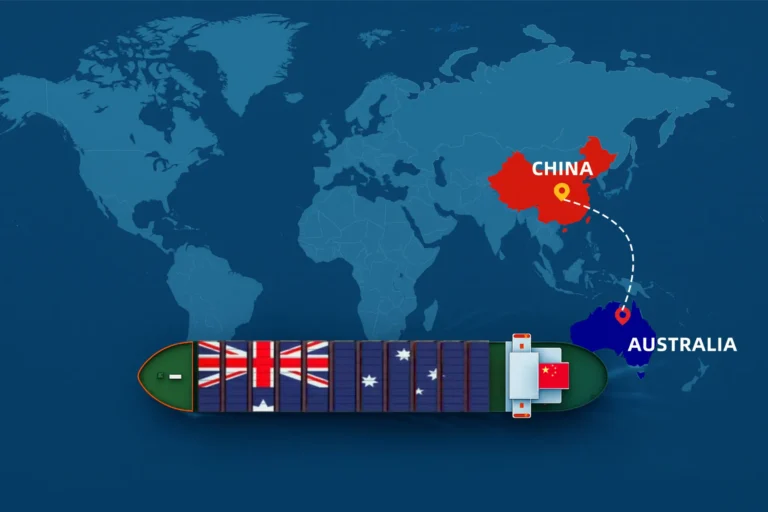
Related Guide
Shipping from China to Australia
Shipping from China to Australia includes reliable sea freight and fast air shipping. Compare delivery time, shipping costs, and logistics option...
Read guide →

Shipping cost from China to Australia in 2026 starts from US$35 per CBM for LCL ocean freight, around US$1,215–1,485 for a 20GP container, US$2,340–2,860 for a 40GP container, US$5.30 per kg for air freight, and US$8.45 per kg for express shipping, depending on shipment size, destination, and delivery requirements.
Compare updated 2026 shipping costs from China to Australia by ocean freight, air freight, express shipping, LCL, FCL, and door-to-door delivery. This guide helps importers estimate shipping costs, compare transit times, and choose the most cost-effective shipping mode for goods shipped to Sydney, Melbourne, Brisbane, Perth, and other Australian destinations.
Shipping rates can vary depending on cargo weight, dimensional weight, shipment size, destination, customs requirements, market conditions, and delivery method.
Shipping method / Mode
Transit time range
GST & Biosecurity
Shipping costs can vary significantly depending on cargo size, shipping mode, destination, market conditions, and additional services. The table below shows current reference rates for general cargo shipped from China to Sydney.
| Shipping Mode | Destination | Cost Reference May 2026 | Best For |
|---|---|---|---|
| Sea Freight 20GP Container | Sydney Port | US$1,215–1,485 | Medium container shipments |
| Sea Freight 40GP Container | Sydney Port | US$2,340–2,860 | Large-volume cargo |
| LCL Ocean Freight | Sydney Port | US$35/CBM | Small and medium shipments |
| Air Freight | Sydney Airport | US$5.30/kg | Urgent commercial goods |
| Express Shipping | Australia Delivery | US$8.45/kg | Samples, parcels, and small goods |
These prices are reference rates for general cargo. Final shipping rates may change due to cargo type, shipment size, airline or carrier space, fuel prices, seasonal demand, customs inspection, biosecurity requirements, and delivery conditions.
Shipping costs from China to Australia are usually based on cargo weight, volume, shipping mode, destination, and delivery requirements. Different shipping methods use different pricing calculations, so the final cost can vary depending on the shipment details.
For ocean freight, LCL shipments are usually charged by CBM, while FCL shipping is charged by container type such as 20GP or 40GP. For air freight and express shipping, carriers compare actual weight and dimensional weight, then charge based on the higher number.
A simple way to estimate shipping cost is:
Shipping Cost = International Freight + Customs Charges + GST/Duties + Local Delivery Fees
To receive an accurate quote, importers usually need to provide:
Shipping rates may also vary depending on market conditions, carrier space, seasonal demand, customs inspection, and additional services such as insurance, consolidation, or door-to-door delivery.
Sea and ocean freight is usually the most economical option for shipping large or heavy goods from China to Australia. It is widely used for furniture, machinery, building materials, retail products, pallets, boxes, and wholesale cargo that does not require urgent delivery.
Importers can choose between LCL shipping and FCL container shipping depending on cargo volume and shipment size.
LCL (Less than Container Load) is suitable for smaller shipments that do not fill an entire container. Goods are consolidated with other cargo and shipped together to Australia. This option is often used for small businesses, e-commerce shipments, and medium-size commercial goods.
FCL (Full Container Load) is suitable for larger shipments that can use a dedicated container. A 20GP container is commonly used for medium-volume cargo, while a 40GP container is more cost-effective for high-volume shipments.
| China Port | Australia Port | Estimated Transit Time | Suitable For |
|---|---|---|---|
| Shanghai | Sydney | 18–28 days | General cargo and retail goods |
| Ningbo | Melbourne | 20–30 days | Furniture, machinery, and consumer goods |
| Shenzhen | Brisbane | 18–30 days | South China suppliers |
| Guangzhou | Sydney / Melbourne | 20–32 days | Consolidated shipments |
| Qingdao | Fremantle / Perth | 25–35 days | Northern China cargo |
Transit times may vary depending on sailing schedules, port congestion, customs clearance, weather conditions, and final delivery arrangements.
Air freight and express shipping are the fastest ways to ship goods from China to Australia. They are commonly used for urgent cargo, e-commerce orders, samples, electronics, spare parts, medical products, and time-sensitive commercial shipments.
Compared with ocean freight, air shipping offers much shorter transit times, but the shipping cost is higher. The right option depends on cargo size, package weight, delivery deadline, and budget.
Air freight is more suitable for medium and large commercial shipments that need faster delivery. Cargo is shipped through major airports such as Sydney, Melbourne, Brisbane, and Perth.
The current reference air freight rate is around US$5.30/kg to Sydney Airport. Final pricing may vary depending on:
Air freight transit time is usually around 3–8 days, including airport handling and customs processing.
Express shipping is better for small parcels, documents, samples, and lightweight international packages. Courier companies usually handle pickup, customs processing, and final delivery, making the shipping process simpler for smaller shipments.
The current express shipping reference rate is around US$8.45/kg for parcels and samples. Delivery normally takes around 2–6 days depending on destination and service level.
Door-to-door shipping is a simple and convenient option for importing goods from China to Australia. The freight forwarder handles the shipping process from supplier pickup in China to final delivery in Australia.
This service can include:
Door-to-door shipping is commonly used for e-commerce orders, commercial cargo, furniture, machinery, pallets, and shipments from multiple suppliers.
Transit time depends on the shipping mode:
The final shipping cost depends on cargo weight, volume, destination, shipping method, and delivery requirements.
Australia has strict import regulations for international shipments from China. Customs processing is mainly managed by the Australian Border Force (ABF), while biosecurity inspections are handled by the Department of Agriculture, Fisheries and Forestry (DAFF).
All goods imported into Australia must be declared. The customs process depends on the shipment value and cargo type.
For low-value shipments under AUD 1,000, simplified clearance may apply. For higher-value commercial shipments, importers usually need a formal customs declaration, commercial invoice, packing list, and transport documents.
Depending on the product category, the shipment may also involve customs duty, import processing charges, inspection fees, or additional handling costs.
Australia generally applies 10% GST to taxable imported goods.
GST is usually calculated based on:
For businesses importing goods regularly, GST should be included when estimating the total landed cost from China to Australia.
Australia has strict biosecurity regulations to prevent pests, contamination, and restricted products from entering the country.
Goods that may require inspection, treatment, or additional documents include:
Importers should also check Australian import restrictions and BICON requirements before shipping to avoid delays, storage charges, or customs problems.
Shipping rates from China to Australia can vary depending on cargo details, shipping method, destination, and market conditions.
Cargo Weight and Volume:
Heavier or larger shipments usually cost more. Air freight and express shipping are charged by actual weight or dimensional weight, while ocean freight is often charged by CBM or container size.
Shipping Method:
Ocean freight is usually the cheapest option for large cargo, while air freight and express shipping offer faster delivery but higher shipping costs.
Destination in Australia:
Shipping to major cities such as Sydney and Melbourne is usually more economical than delivery to remote or regional areas.
Cargo Type:
Some products such as batteries, liquids, food-related goods, or oversized cargo may require special handling, inspection, or additional documents.
Market Conditions:
Shipping rates may change during peak seasons, holidays, port congestion, or periods with limited carrier space.
Shipping times from China to Australia depend on the shipping method, departure city, destination, customs processing, and final delivery arrangement.
Ocean Freight:
Ocean freight usually takes around 18–35 days depending on the shipping route, port congestion, and whether the shipment is LCL or FCL.
Air Freight:
Air freight normally takes around 3–8 days including airport handling and customs processing.
Express Shipping:
Express shipping usually takes around 2–6 days for small parcels, samples, and urgent international packages.
Door-to-Door Shipping:
Door-to-door delivery time depends on the shipping mode and destination in Australia. Ocean freight door-to-door usually takes longer than air or express delivery because it includes pickup, customs clearance, and final delivery.
Tonlexing helps importers manage shipping goods from China to Australia by ocean freight, air service, express delivery, consolidation, and door-to-door solutions. Whether you are shipping commercial goods, e-commerce products, pallets, boxes, machinery, furniture, or regular wholesale orders, our team can help you choose a suitable and cost-effective option.
Our shipping experts can review your shipment details, compare shipping rates, explain possible additional fees, and recommend the right shipping mode based on your budget, timeline, and cargo requirements.
Tonlexing can support:
To get an accurate quote, send us your packing list, product name, cargo photos if available, package weight, total volume, supplier address, and destination address in Australia.
Shipping from China to Australia can start from US$35/CBM for LCL, around US$1,215–1,485 for a 20GP container, and around US$2,340–2,860 for a 40GP container to Sydney Port. Air freight to Sydney Airport is around US$5.30/kg, while express shipping is around US$8.45/kg.
For large or heavy shipments, ocean freight is usually the cheapest option. LCL is suitable for smaller loads, while FCL is better when the goods can fill a container.
You can calculate shipping cost by adding China pickup, export charges, international transport, destination fees, customs clearance, duty, GST, and final delivery. For air and express shipments, actual weight and dimensional weight should both be checked.
Ocean shipping usually takes 18–35 days, air service usually takes 3–8 days, and express shipping usually takes 2–6 days, depending on route, service level, clearance, and delivery location.
Air service is better for urgent, high-value, or time-sensitive goods. Ocean service is better for large, heavy, or non-urgent shipments that need lower unit cost.
Useful freight, customs and importing resources related to this shipping guide.
Shipping from China to Australia includes reliable sea freight and fast air shipping. Compare delivery time, shipping costs, and logistics option...
Read guide →
How long does it take to ship from China to Australia? This is a crucial question for businesses involved in global trade. Shipping from China to...
Read guide →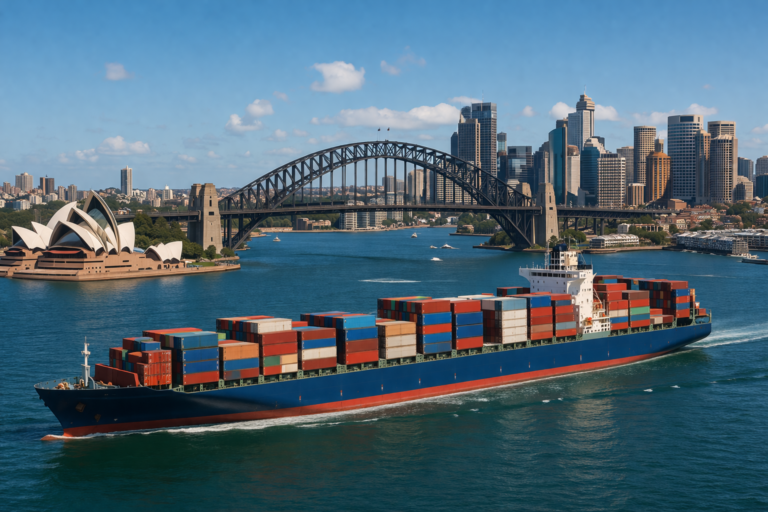
Learn everything about sea freight from China to Australia, including shipping costs, transit times, FCL vs LCL, customs clearance, ocean freight...
Read guide →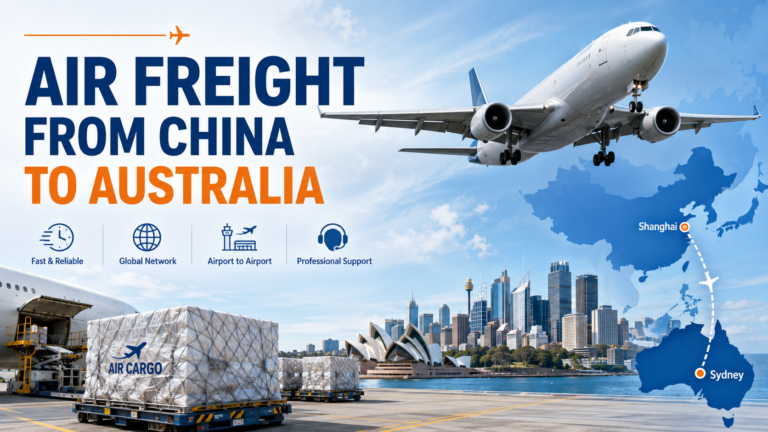
Air Freight from China to Australia Verified & Reviewed · Last updated June 2026 Air freight from China to Australia is a fast and reliable shipp...
Read guide →DDP Shipping from China to Australia Verified & Reviewed · Last updated June 2026 DDP shipping from China to Australia offers a simple door-to-do...
Learn more → Useful Resource 20ft & 40ft Container Shipping Costs from China to Australia20ft & 40ft Container Shipping Costs from China to Australia are one of the most important topics for importers planning their logistics in 2025...
Learn more →WhatsApp us