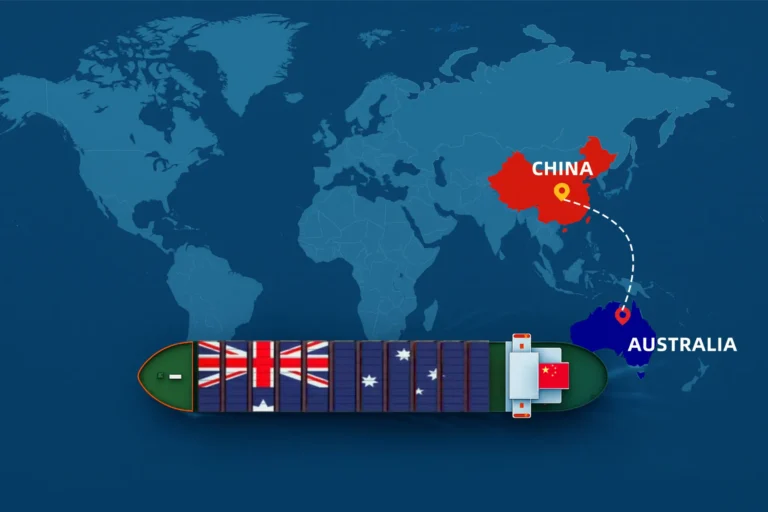
Related Guide
Shipping from China to Australia
Shipping from China to Australia includes reliable sea freight and fast air shipping. Compare delivery time, shipping costs, and logistics option...
Read guide →

Sea freight from China to Australia is one of the most practical solutions for importers who want stable capacity, lower shipping costs, and better control over large or recurring orders. For many businesses moving wholesale cargo, machinery, building materials, consumer goods, and retail stock, sea freight offers a strong balance between price and cargo volume.
This guide explains how sea freight from China to Australia works, typical transit times, current sea freight rates, when to use FCL or LCL shipping, how customs clearance works, and how to reduce logistics costs while keeping total landed cost under control.
Sea freight rates
Transit time range
FCL / LCL shipping
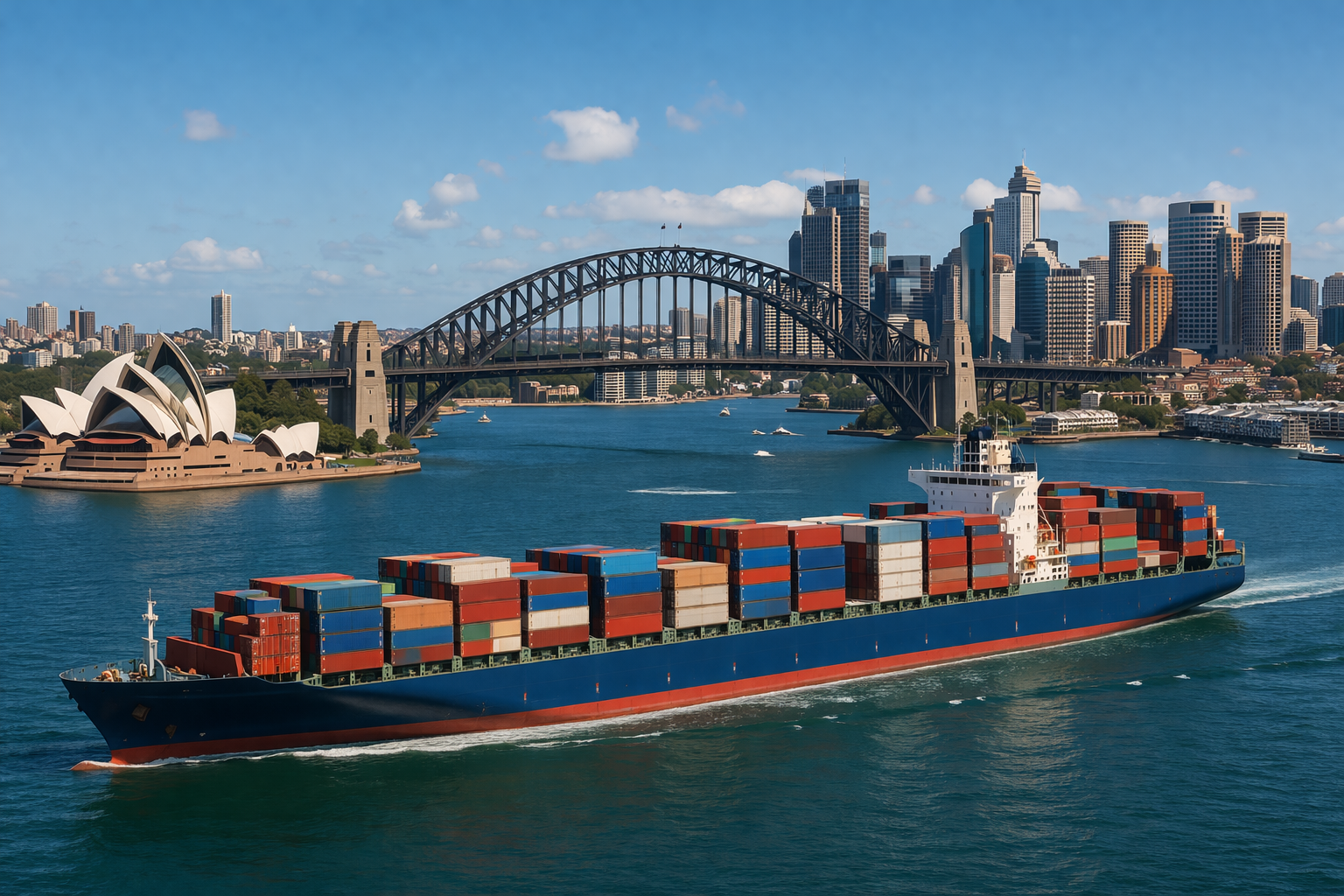
Sea freight from China to Australia remains the preferred choice for many importers because it offers a stronger balance between shipping cost, cargo capacity, and long-term supply chain planning. Although it is slower than air freight, it is far more economical for larger shipments, regular stock replenishment, and goods that do not require urgent delivery. For businesses importing furniture, building materials, machinery, consumer goods, and other bulk cargo, sea freight is often the most practical way to keep logistics costs under control.
Another key advantage is flexibility. Smaller shipments can move by LCL, while larger orders can be shipped by FCL for better container use and more predictable handling. This makes sea freight suitable for both growing businesses and established importers with regular purchasing cycles. For many Australia-bound shipments, sea freight is not only the cheaper option, but also the more scalable and commercially sustainable one.
Many importers compare sea freight and air freight before booking. Both have value, but they serve different business goals.
Sea freight is better for:
large shipping container volumes
bulky cargo
lower freight rates per unit
long-term inventory planning
door to door services for bulk shipments
companies that want to save money on recurring orders
Air freight is better for:
urgent shipments
small packages
time-sensitive samples
product launches with short deadlines
shipments that cannot wait a few weeks
If speed matters more than price, air freight is usually the right choice. If cost and volume matter more, sea freight from China to Australia is usually the stronger option. Many importers actually use both shipping modes together: air freight for urgent stock and sea freight for regular replenishment.
When planning freight from China, the first decision is usually whether to ship by FCL shipping or LCL shipping.
FCL shipping means your cargo uses an entire container. This is often the best choice when your shipment is large enough to justify a full container load, or when you want fewer handling points and better cargo security.
Benefits of FCL shipping include:
lower risk of damage from mixed cargo
fewer consolidation steps
more stable shipping process
easier planning for large orders
better value when cargo volume is high
If your goods can fill most of a shipping container, full container load shipping is often more efficient than LCL.
LCL shipping means your goods share container space with cargo from other importers. This option is suitable when you do not have enough cargo for an entire container.
Benefits of LCL shipping include:
lower upfront cost for smaller shipments
flexible option for trial orders
useful for low-volume international shipping
good for new suppliers or product testing
However, LCL shipping may involve more port handling, more warehouse handling, and extra destination fees. Once cargo volume grows, importers should compare LCL with full container load carefully.
Sea freight rates change every week based on vessel space, fuel costs, peak season demand, port congestion, route availability, and local handling charges. That is why any shipping costs shown online should be treated as reference pricing rather than a final quote.
As a general market guide, common sea freight from China to Australia pricing may look like this:
| Shipping Option | Typical Volume | Estimated Cost |
|---|---|---|
| 20GP | about 28 CBM | USD 900–1,100 |
| 40GP | about 58 CBM | USD 1,600–2,100 |
| LCL shipping | 1–15 CBM | USD 5–35 per CBM |
These are usually base sea freight rates or ocean freight rates only. They often do not include the full cost breakdown of pickup, export handling, customs documentation, destination port charges, australian customs clearance, cargo inspection, quarantine treatment, inland transport, cargo insurance, or final delivery.
That is why smart importers focus on the total landed cost, not only the ocean freight line.
Shipping costs depend on far more than the vessel booking itself. The main key factors include the following.
Freight from China can start inland or near the coast. If cargo is picked up from a factory far from the export port, inland transport charges will be added.
Major Chinese ports commonly used for australia shipping include:
Rates can vary depending on the port, vessel schedules, trucking distance, and warehouse arrangements.
The destination port also affects pricing. Common major ports in Australia include:
Sydney
Melbourne
Brisbane
Fremantle
Adelaide
Each destination port has its own local fee structure, handling efficiency, and final delivery cost. Cargo moving beyond the port area into inland Australia may incur additional inland transport charges.
General cargo is easier to handle than regulated cargo. Goods with batteries, liquids, powders, timber packaging, branded items, or animal products may need extra review, declarations, or inspection.
A larger container load usually lowers the average shipping cost per unit. That is why importers with stable demand often move from LCL to full container load once volume increases.
Sea freight rates and shipping rates may rise sharply during the holiday shopping season, before major export peaks, or when capacity becomes tight. Seasonal events in China, such as the Dragon Boat Festival and major public holidays, can also affect factory production, trucking schedules, and vessel bookings.
Port-to-port service is cheaper, but door to door services include more value. If your quote includes pickup, export handling, customs clearance, and final delivery, it will cost more than a basic ocean freight booking.
Transit times are a major ranking topic and also one of the first questions importers ask. The real answer depends on origin port, destination port, shipping routes, vessel schedule, customs handling, and whether you choose port-to-port or door to door.
For sea freight from China to Australia, port-to-port transit times are usually around 12 to 27 days.
Typical examples include:
Shenzhen to Brisbane: about 12 to 15 days
Shanghai to Melbourne: about 14 to 18 days
Ningbo to Sydney: about 13 to 18 days
Guangzhou to Fremantle: about 15 to 22 days
These transit times reflect the sea leg only.
For door shipping or full door to door sea freight from China to Australia, the total shipping times are usually around 30 to 45 days.
This longer timeline includes:
supplier preparation
export booking
pickup and inland transport
warehouse receiving
customs filing in China
vessel loading
sea transit
unloading at the destination port
australian customs clearance
quarantine checks if needed
final delivery to the consignee
For inventory planning, businesses should always use the full logistics chain instead of looking only at vessel transit times.

A clear shipping process helps avoid mistakes, hidden costs, and clearance delays. The entire process usually follows these steps:
The importer or freight forwarder confirms:
cargo name
packaging type
carton count or pallet count
dimensions and weight
cargo value
pickup location
shipping mode
required delivery date
Accurate documentation starts here. Wrong dimensions or missing cargo details often create delays later.
The freight forwarder books the ocean freight service based on cargo volume, shipping routes, and destination port.
Cargo is collected from the supplier and moved to the warehouse or port. This may involve inland transport and export warehouse handling.
China customs clearance is completed before export. The shipper usually needs proper documentation and export declaration support.
The goods are loaded onto the vessel and depart from one of the major Chinese ports.
Once the cargo arrives, australian customs and related authorities review the shipment. If documents are incomplete or the cargo is flagged for inspection, this may lead to clearance delays.
After customs release and port handling, the cargo is delivered to the final address. For door to door services, this stage is included in the logistics service.
Customs clearance is one of the most important parts of international shipping. Even when sea freight rates look competitive, poor documentation or compliance mistakes can quickly increase the final cost.
For most commercial shipments, the essential documents include:
commercial invoice
packing list
bill of lading
import declaration information
certificate of origin when required
product compliance files where applicable
treatment certificates for timber packaging if needed
Proper documentation is critical. Accurate documentation helps reduce customs issues, speeds up release, and lowers the risk of added inspection fees.
The customs clearance process in Australia depends on the cargo type, customs classification, value, origin, and import controls. Some products may require more review, especially regulated products, food-related items, wood packaging, or goods linked to animal products.
Australia imports may be subject to customs duties and GST. The actual charge depends on the HS code, product value, and import conditions. This is another reason why importers should calculate the total landed cost rather than only focusing on the freight rates.
When navigating customs, importers should work with an experienced logistics partner or freight forwarder who understands australian customs practice, inspection risks, and document accuracy.
Ocean freight is reliable for most cargo, but importers should still plan for several common risks that may affect shipping time, cost, and cargo safety.
Port congestion: Port congestion may delay vessel berthing, unloading, and cargo release, especially during peak seasons.
Clearance delays: Clearance delays are often caused by missing documents, incorrect declarations, undeclared packaging materials, or customs inspections.
Cargo damage: Cargo damage can happen during mixed loading, multiple handling stages, or long-distance LCL shipping. Strong packing and secure loading help reduce the risk.
Cargo insurance: Cargo insurance is recommended for high value shipments, fragile goods, machinery, and bulk cargo. It helps reduce business risk if problems happen during transit.
Many importers now prefer door to door services because they reduce coordination work and make the logistics chain easier to manage. Instead of dealing with pickup, port handling, customs, and truck delivery separately, the importer works with one logistics partner.
Door to door services are especially useful for:
first-time importers
e commerce sellers
businesses buying from multiple suppliers
companies with limited internal logistics staff
shipments requiring predictable final delivery timing
A strong freight forwarder can combine pickup, export handling, sea freight, customs clearance, and final delivery into one manageable workflow.
A freight forwarder does much more than book vessel space. A good logistics partner helps with:
choosing between sea freight and air freight
comparing sea freight rates and shipping rates
checking whether LCL or full container load is better
managing the shipping process
coordinating customs clearance process
preparing commercial invoice and packing list review
arranging cargo insurance
planning final delivery
reducing hidden logistics costs
improving transparent pricing
For importers shipping from China regularly, the right freight forwarder can directly support business growth by making the supply chain more stable and more predictable.
Reducing sea freight costs is not just about choosing the lowest quote. In most cases, the best savings come from better shipment planning, smarter packaging, and the right shipping method.
Consolidate cargo from multiple suppliers: Combining goods into one shipment can reduce handling costs and improve container utilization.
Book earlier when possible: Planning ahead often helps secure better vessel space, more stable freight rates, and fewer delays during busy seasons.
Optimize packaging: Efficient carton sizes, palletizing, and loading plans can reduce wasted space and lower the cost per unit shipped.
Compare the right shipping options: LCL, FCL, air freight, and express shipping should be compared based on cargo volume, urgency, and total cost.
Look at the total landed cost: Ocean freight is only one part of the expense. Pickup, origin charges, customs duties, GST, destination fees, and final delivery should all be reviewed together.
Port-to-port transit times usually range from 12 to 27 days. Door to door shipping often takes 30 to 45 days depending on customs clearance and final delivery arrangements.
Yes. Sea freight is usually much cheaper than air freight for large shipments, heavy cargo, and container load transport.
For larger shipments, sea freight is usually the cheapest way. For smaller shipments, LCL may help reduce upfront cost, but the total landed cost should still be reviewed carefully.
Most shipments need a commercial invoice, packing list, bill of lading, and other required documents depending on the cargo type and customs requirements.
Cargo insurance is highly recommended, especially for high value shipments, bulk commercial cargo, and long-distance international shipping.
Useful freight, customs and importing resources related to this shipping guide.
Shipping from China to Australia includes reliable sea freight and fast air shipping. Compare delivery time, shipping costs, and logistics option...
Read guide →
Shipping Cost from China to Australia (2026 Guide) Verified & Reviewed · Last updated May 2026 Shipping cost from China to Australia in 2026 star...
Read guide →
How long does it take to ship from China to Australia? This is a crucial question for businesses involved in global trade. Shipping from China to...
Read guide →
20ft & 40ft Container Shipping Costs from China to Australia are one of the most important topics for importers planning their logistics in 2025...
Read guide →Air Freight from China to Australia Verified & Reviewed · Last updated June 2026 Air freight from China to Australia is a fast and reliable shipp...
Learn more → Useful Resource DDP Shipping from China to AustraliaDDP Shipping from China to Australia Verified & Reviewed · Last updated June 2026 DDP shipping from China to Australia offers a simple door-to-do...
Learn more →WhatsApp us