Related Guide
Shipping from China to Brazil
Shipping from China to Brazil – Sea, Air & DDP in 2026 Fast, reliable shipping from China to Brazil for B2B importers,industrial cargo, and gener...
Read guide →

Shipping cost from China to Brazil in 2026 typically ranges from US$80–US$220 per CBM for LCL sea freight, US$3,105–US$3,795 for a 20ft container, and US$6.00–US$10.15 per kg for air freight, depending on cargo size, shipping method, customs clearance, and final destination in Brazil.
Shipping cost from China to Brazil depends on the shipping method, cargo weight, cargo volume, container type, customs clearance requirements, and final destination in Brazil.
For large shipments, sea freight is usually the most cost-effective option, while air freight and express shipping are better for urgent or high-value cargo. Importers should also consider Brazilian customs clearance, NCM codes, import duty, port handling, and inland delivery when calculating the total landed cost.
This guide compares the main shipping options, transit times, customs requirements, and cost factors to help you choose the right freight forwarder for shipping from China to Brazil.
Shipping method
Customs Clearance
DDP / Door to Door
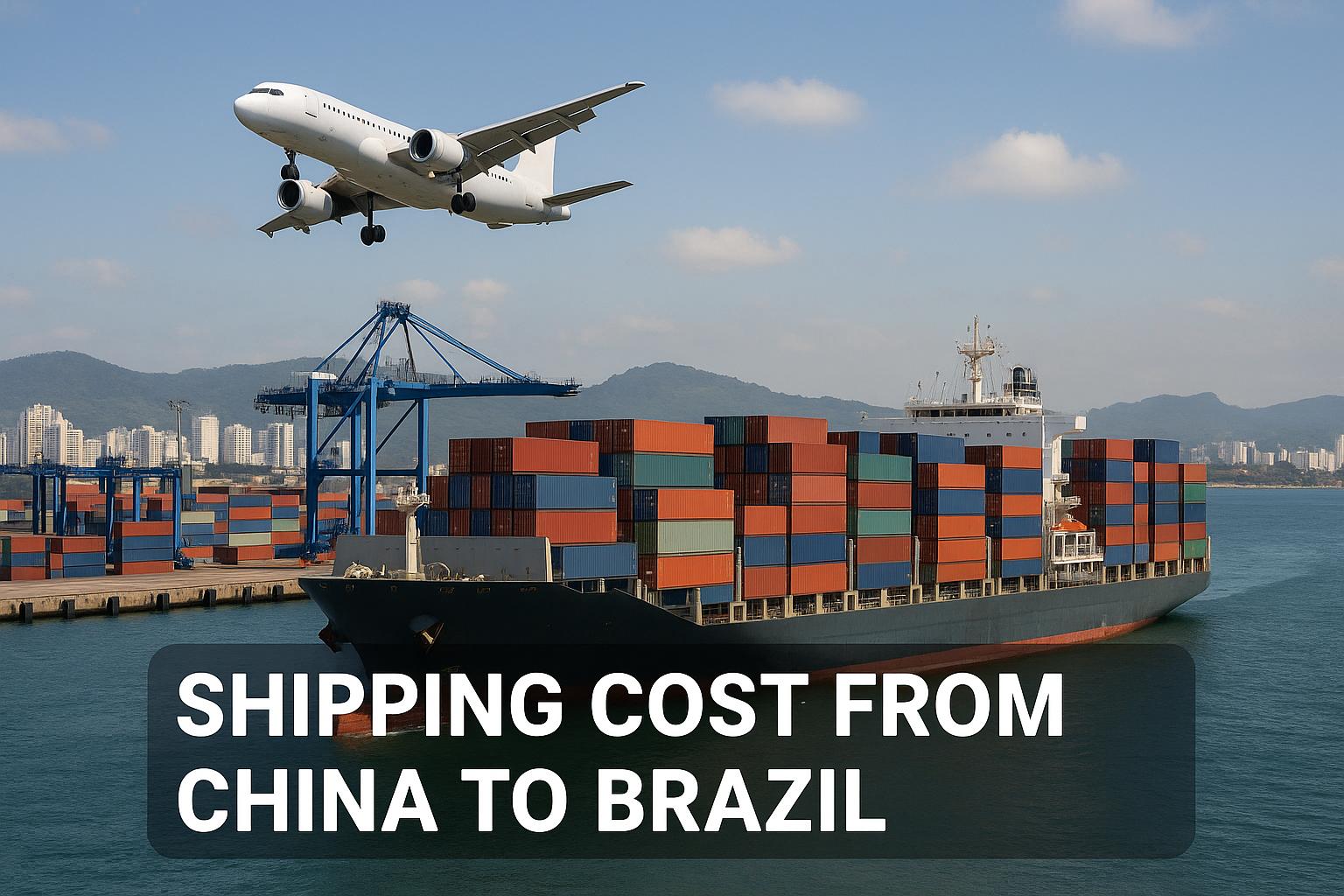
For most importers, the best shipping method depends on shipment size, delivery urgency, budget, and customs requirements. Sea freight is usually the most cost-effective option for larger shipments, while air freight and express shipping are better for time sensitive shipments, high value goods, samples, and urgent cargo.
| Shipping Method | Best For | Estimated Cost | Transit Time |
|---|---|---|---|
| LCL Sea Freight | Small and medium shipments | US$80–US$220 per CBM | 35–50 days |
| 20ft FCL Container | Medium-volume cargo | US$3,105–US$3,795 per container | 30–49 days |
| 40HQ FCL Container | Large-volume cargo | US$3,375–US$4,125 per container | 30–49 days |
| Air Freight | Urgent commercial goods | US$6.00–US$10.15 per kg | 3–7 days |
| Express Shipping | Samples and small packages | From around US$16.07 per kg | 3–5 days |
| Door-to-Door Shipping | Importers needing full service | Quoted by cargo details | 15–55 days |
These prices are only general market references. The final shipping cost may change depending on cargo type, packing size, fuel surcharge, carrier space, destination charges, and Brazil customs requirements.
Sea freight is the most cost-effective shipping method for large shipments from China to Brazil. It is widely used for commercial cargo, bulk shipments, machinery, furniture, building materials, auto parts, electronics, and other high-volume goods. Compared with air freight, sea freight is slower but significantly cheaper for heavier or bulk cargo, making it ideal for importers focused on cost efficiency.
Shipments by sea can be arranged as either LCL (Less than Container Load) or FCL (Full Container Load) depending on the shipment size and cargo volume.
LCL shipping is suitable for shipments that are not large enough to fill a full container. Your goods share container space with other importers’ cargo, and rates are usually calculated by CBM (cubic meters).
Advantages of LCL shipping:
Considerations:
Typical LCL Rates: US$80–US$220 per CBM (depending on cargo type, port, and season)
FCL shipping is preferred for larger shipments that can fill a 20ft, 40ft, or 40HQ container. Your cargo is shipped in a dedicated container, offering better cargo security, fewer handling steps, and a lower unit cost for high-volume shipments.
Advantages of FCL shipping:
Typical FCL Rates:
Best For: Large commercial shipments, machinery, furniture, textiles, home appliances, and full-volume orders.
China–Brazil sea freight usually departs from major ports such as Shanghai, Ningbo-Zhoushan, Shenzhen/Yantian, Guangzhou/Nansha, Qingdao, and Xiamen. Common destination ports in Brazil include Santos, Rio de Janeiro, Paranaguá, Itajaí, Navegantes, and Itapoá.
Key Points:
Air freight is the fastest shipping option for urgent or high-value shipments from China to Brazil. It is commonly used for electronics, samples, medical products, spare parts, and time-sensitive cargo. Compared with sea freight, it offers much faster transit times but at a higher cost.
Air freight rates vary depending on weight, volume, cargo type, and service level. Typical rates as of May 2026 are:
US$6.00–US$10.15 per kg for commercial goods
Additional surcharges may apply for oversized cargo, hazardous materials, or special handling
Air freight transit time usually ranges from 3–7 days to major Brazilian airports:
São Paulo (Guarulhos International Airport)
Rio de Janeiro (Galeão International Airport)
Transit time may vary depending on the origin city in China (e.g., southern China ports like Shenzhen/Guangzhou are faster) and airline schedules.
Air freight is calculated based on chargeable weight, which is the higher of actual weight and volumetric weight.
Volumetric weight formula:
Length × Width × Height (cm) ÷ 6000 = kg\text{Length × Width × Height (cm) ÷ 6000 = kg}Length × Width × Height (cm) ÷ 6000 = kg
This ensures that large but lightweight cargo is priced fairly.
Air freight is ideal for shipments that require timely delivery or are high-value. It is commonly used for:
Urgent commercial orders
Samples or small parcels
Time-sensitive or high-value goods
Air freight offers reliable and predictable transit times, making it a preferred option for importers who cannot wait for slower sea freight.
Express shipping is suitable for small packages, samples, documents, replacement parts, and urgent parcels. It is often faster and simpler than standard air freight because pickup, international transport, customs processing, and final delivery are usually included in one service.
Common express carriers include DHL, FedEx, UPS, and other courier networks.
Express shipping from China to Brazil usually takes 3–5 days, but delivery can take longer if Brazilian customs requests additional information, tax payment, or documentation.
Express shipping is useful for:
For larger shipments, express shipping is usually not cost-effective. Importers should compare express, air freight, and LCL shipping before making a decision.
Door-to-door shipping is a complete logistics solution where the freight forwarder manages the shipment from the supplier in China all the way to the consignee in Brazil. This method simplifies the process for importers by handling multiple steps in the supply chain.
A typical door-to-door service may include:
This service ensures efficient and reliable shipping, reducing the risk of delays or errors compared with managing each step independently.
Door-to-door shipping is ideal for:
By choosing door-to-door shipping, importers can focus on their business while ensuring that cargo is handled professionally, from pickup in China to final delivery in Brazil.
Delivered Duty Paid (DDP) shipping covers nearly all aspects of the shipment, including freight, customs clearance, import duties, taxes, and final delivery, allowing importers to receive goods in Brazil with a predictable all-inclusive cost.
A DDP shipment typically includes:
DDP is ideal for small to medium shipments, high-value cargo, and e-commerce goods, especially when importers prefer a clear total landed cost without managing customs themselves.
| Shipping Type | Estimated Cost | Transit Time | Best For |
|---|---|---|---|
| Air Freight | $6.00–$20.00 per kg | 5–10 days | High-value items, cosmetics, electronics, or urgent trial stock |
| Ocean Freight (LCL) | $70–$200 per CBM (~$1,500–$1,800 baseline per CBM) | 35–55 days | Bulky inventory, heavy machinery, or non-urgent raw materials |
Rates are all-inclusive, covering freight, destination handling, import duties, and Brazilian state taxes.

Brazilian customs clearance is a crucial step when shipping goods from China to Brazil. Even if your freight rate is competitive, the final landed cost can increase significantly if customs documentation, NCM codes, or import duties are incorrect. Proper preparation ensures timely delivery and reduces unexpected costs.
For most commercial shipments, Brazilian customs typically requires:
Accurate documentation is essential. Mistakes can cause customs delays, inspections, additional storage fees, or penalties.
NCM stands for Nomenclatura Comum do Mercosul, the Mercosur product classification system used in Brazil and other Mercosur countries. Correct NCM codes are required to determine:
Using the wrong NCM code can result in delays, additional taxes, fines, or shipment holds. Importers should confirm codes with a customs broker before shipping.
Brazilian import costs include:
Total landed cost depends on accurate NCM codes, declared value, and compliance with Brazilian customs regulations.
Shipping costs from China to Brazil depend on several key factors:
A successful shipping process from China to Brazil starts before the cargo leaves the supplier’s warehouse. Importers should confirm cargo details, shipping documents, customs requirements, and delivery terms in advance to avoid potential delays after arrival in Brazil.
A typical shipping process includes:
Each step can affect the total cost and delivery time. Missing documents, wrong declared value, unclear product descriptions, or incorrect NCM codes can delay customs clearance and increase storage charges.
Choosing the right freight forwarder is essential when shipping goods from China to Brazil. Brazilian customs regulations are complex, taxes vary by product and state, and documentation is strictly checked. A forwarder should not be chosen based solely on the lowest freight rate.
A reliable freight forwarder should:
The right forwarder helps importers make informed decisions, recommending the most suitable shipping mode based on cargo size, urgency, and total cost rather than only providing a quote.
Shipping cost from China to Brazil depends on the shipping method, cargo volume, cargo weight, and destination. As a general reference, LCL sea freight may cost around US$80–US$220 per CBM, a 20ft container may cost around US$3,105–US$3,795, and air freight may cost around US$6.00–US$10.15 per kg.
Sea freight is usually the cheapest shipping method for large or heavy cargo. LCL shipping is suitable for smaller shipments, while full container load shipping is usually more cost-effective for larger shipments.
Transit times vary by shipping method. Express shipping usually takes 3–5 days, air freight takes around 3–7 days, and sea freight usually takes around 30–50 days. Door-to-door delivery may take longer because it includes pickup, customs clearance, and inland delivery.
Yes. Air freight is more expensive than sea freight, but it is much faster. It is suitable for urgent, high value, time sensitive, or time critical shipments.
Common shipping documents include a commercial invoice, packing list, bill of lading or air waybill, HS code or NCM code, importer information, and any required product certificates or licenses. The required documents vary based on product type and Brazilian customs regulations.
Useful freight, customs and importing resources related to this shipping guide.
Shipping from China to Brazil – Sea, Air & DDP in 2026 Fast, reliable shipping from China to Brazil for B2B importers,industrial cargo, and gener...
Read guide →
How long does it take to ship from China to Brazil? This is one of the most common questions asked by importers navigating international logistic...
Read guide →
Sea freight is the most cost effective shipping method for large volumes and container load cargo. It is ideal for businesses looking to reduce s...
Read guide →
Air freight from China is the best option for time sensitive and high value shipments. It offers fast delivery, reliable transit times, and effic...
Read guide →Shipping goods from China to Brazil has become a critical role in global trade. Brazilian importers rely heavily on Chinese suppliers for electro...
Learn more → Useful Resource Cost of 20ft & 40ft Containers from China to BrazilWhy Brazil is a Key Destination for Chinese Container Shipping Shipping containers from China to Brazil has become an essential part of internati...
Learn more →WhatsApp us