Related Guide
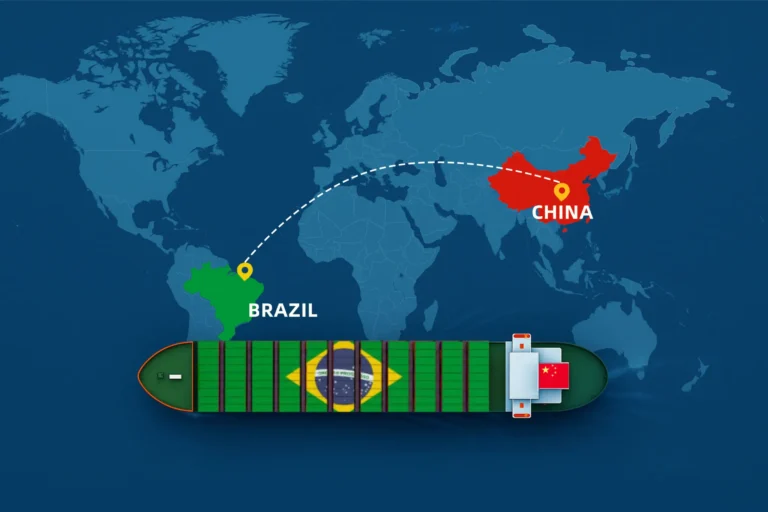
Shipping from China to Brazil
Shipping from China to Brazil – Sea, Air & DDP in 2026 Fast, reliable shipping from China to Brazil for B2B importers,industrial cargo, and gener...
Read guide →

Reliable & Cost-Effective Shipping from China
Tailored Logistics Solutions for Your Business
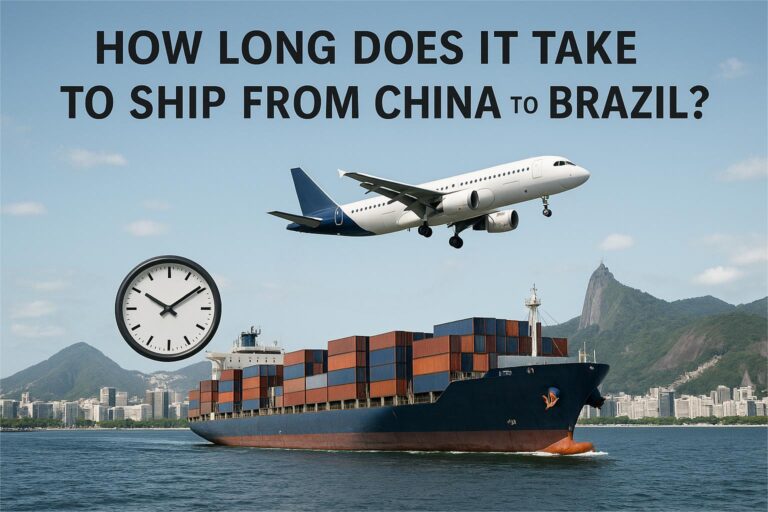
How long does it take to ship from China to Brazil? This is one of the most common questions asked by importers navigating international logistics between Asia and South America.
The answer depends on multiple factors, including the shipping method, type of goods, departure port, destination, and customs clearance. For importers involved in international trade across South America, especially in high-volume shipments of electronics, machinery, or textiles, understanding the full shipping time range is crucial for smooth supply chain operations.
This guide will explore the average transit time, different transportation modes, the best shipping options, and expert tips to help your cargo arrive on time—whether you’re sending bulk goods by ocean freight, urgent parcels via air freight, or small packages through courier services.
Trade between China and Brazil has seen exponential growth in recent years, making Brazil one of China’s key trading partners in Latin America. Brazil imports a wide variety of industrialized products, agricultural products, and foreign goods, while China is a leading exporter of electronics, clothing, and machinery.
With Brazil’s economy increasingly dependent on international shipping, especially for import goods from Asia, logistics services play a pivotal role. Whether through FCL shipping or air freight services, the movement of goods between these two countries contributes heavily to the global supply chain.
Due to the vast distance and the involvement of multiple ports, cargo transportation between China and Brazil can be time consuming if not properly planned. Knowing which shipping services and routes are most efficient can significantly reduce lead times.
Choosing the right shipping option is essential for balancing cost, speed, and cargo volume. There are three primary transportation modes available for moving goods from China to Brazil: ocean freight, air freight shipping, and express courier services. Each has its own advantages depending on your budget, timeline, and cargo characteristics.
Ocean freight is the most popular and cost-effective method of transporting shipping containers between China and Brazil. This mode is ideal for bulk goods, industrial products, and high-volume shipments.
Ocean shipping is available via:
FCL (Full Container Load) – a dedicated container for large shipments
LCL (Less than Container Load) – for smaller loads consolidated with others
Ocean freight is typically used for transporting goods from major ports in Guangdong Province, Shanghai, and Ningbo to ports such as Santos, Rio de Janeiro, and Paranaguá in Brazil. It involves longer shipping time, averaging 30 to 45 days, but remains highly economical for non-urgent cargo.
If you’re shipping large quantities and want to reduce your shipping cost per unit, sea freight is the most cost effective solution.
For urgent shipments or high-value items, air freight shipping offers a much faster alternative. Air cargo typically departs from international airports in Shanghai Pudong, Guangzhou, or Beijing, and arrives in Brazil through São Paulo (GRU) or Rio de Janeiro (GIG).
Key advantages of air freight:
Transit time: 5–10 days
Secure and faster customs processing
Suitable for time-sensitive, small quantities, or valuable cargo
Though more expensive than sea freight, air freight is essential for keeping tight delivery schedules or transporting lightweight items where speed outweighs cost.
Express shipping services by providers like DHL, UPS, or FedEx offer door-to-door delivery between China and Brazil in as fast as 3 to 7 business days.
Best for:
Product samples
Low-volume e-commerce orders
Documents and sensitive goods
While shipping costs are high, the convenience of simplified logistics and customs clearance makes this method attractive for small shipments.
Mode | Best For | Average Transit Time | Cost Level | Delivery Type |
|---|---|---|---|---|
Ocean Freight | Bulk goods, containers | 30–45 days | (Low) | Port-to-port or DDP |
Air Freight | Urgent, high-value | 5–10 days | (High) | Airport-to-airport |
Express Courier | Samples, small orders | 3–7 business days | (Very High) | Door-to-door |
Understanding the estimated transit time for each shipping method helps businesses plan inventory and meet delivery deadlines. Whether you’re shipping full containers, urgent samples, or high-value electronics, choosing the right method will influence your shipping time and cost.
Below is a breakdown of how long each method typically takes from China to Brazil, along with factors that may affect delivery speed.
Air freight is the fastest commercial transportation mode between China and Brazil, offering delivery in 5 to 10 days, depending on flight schedules and customs efficiency.
Direct flights from Shanghai Pudong, Beijing, and Guangzhou to São Paulo or Rio de Janeiro are available via airlines like China Southern, Qatar Airways, or LATAM.
Key influences on delivery time:
Flight frequency (more frequent in Guangdong Province)
Airport congestion
Weather conditions
For urgent shipments, especially small electronics or samples, this is the most reliable solution.
Sea freight typically takes 30 to 45 days port-to-port. If you’re shipping from Shanghai, Ningbo, or Shenzhen to major Brazilian ports like Santos, Paranaguá, or Rio de Janeiro, expect a longer shipping schedule, especially if transshipment is involved.
Reasons for delays may include:
Port congestion during peak seasons
Limited direct routes
Customs inspection time at Brazilian ports
Weather conditions crossing the Atlantic Ocean
Shipping companies like COSCO, Maersk, MSC, and CMA CGM often handle these routes. Planning ahead is essential when shipping large or bulk goods to avoid bottlenecks.
Express shipping via companies like DHL, FedEx, or UPS ensures fast door-to-door delivery in 3 to 7 business days. This includes pickup from Chinese suppliers and final delivery in Brazil.
This method bypasses most scheduling constraints and is ideal for:
Small e-commerce orders
Documents or high-value small packages
B2B sample shipments
Even though costs are higher, it guarantees the fastest route across two countries and multiple customs systems.
Shipping Method | Estimated Time | Delivery Style | Best For |
|---|---|---|---|
Air Freight | 5–10 days | Airport to Airport | Urgent & High-Value Cargo |
Sea Freight | 30–45 days | Port to Port | Large & Heavy Shipments |
Express Courier | 3–7 days | Door to Door | Samples, Small Parcels |
Choosing the right departure port in China and the most efficient destination port in Brazil can significantly affect both shipping time and logistics costs. With so many ports available across both countries, selecting well-connected hubs ensures smoother customs handling and shorter transit durations.
China has some of the busiest ports globally, with high container traffic and extensive international shipping routes. The following ports are commonly used for shipping cargo to Brazil:
Shanghai Port – World’s busiest container port with direct shipping schedules to South America.
Ningbo-Zhoushan Port – Known for handling bulk goods and high-volume FCL shipping.
Shenzhen (Yantian Port) – Close to key manufacturing zones in Guangdong; ideal for mixed cargo.
Qingdao Port – Strategic for northern China exporters.
These ports offer both FCL and LCL services, and their high efficiency ensures minimized delays before sailing.
Brazil has several key seaports that handle imports from China. The top ones include:
Santos Port – The largest and busiest Brazil port, located near São Paulo. It handles most containerized cargo from Asia.
Rio de Janeiro Port – Strategic for deliveries in southeastern Brazil; commonly used for electronics and industrial imports.
Paranaguá Port – Important for agriculture-related imports.
Rio Grande Port – Used for southern regions like Porto Alegre.
Porto Alegre Inland Port – Typically accessed via Rio Grande for regional distribution.
These ports have strong road and rail connectivity to inland areas, reducing final transportation delays.
For air freight, airport efficiency is just as important as port operations. Major airports used in China–Brazil shipping include:
In China:
Shanghai Pudong International Airport (PVG)
Guangzhou Baiyun International Airport (CAN)
Beijing Capital International Airport (PEK)
In Brazil:
São Paulo Guarulhos International Airport (GRU) – Main hub for air cargo.
Rio de Janeiro Galeão International Airport (GIG) – Secondary hub for southeast Brazil.
Efficient airport infrastructure helps accelerate customs clearance and ensures better handling of high-value goods.
While estimated shipping time gives a general idea, actual delivery durations can vary due to multiple unpredictable and controllable elements. Understanding the key factors that influence transit time helps importers avoid delays and improve supply chain performance.
One of the most common causes of delay is customs clearance—both in China and Brazil. Proper documentation and compliance with import regulations are critical to ensure a smooth process.
Key documents required:
Commercial invoice
Bill of lading or air waybill
HS Code classification
Certificate of origin (if applicable)
In Brazil, delays can occur due to:
Service circulation tax (ICMS)
Industrialized product tax (IPI)
Import duty changes
Working with professional freight forwarders or using DDP shipping can help avoid customs-related disruptions.
Shipping routes across the Atlantic Ocean are susceptible to tropical storms, rough seas, and bad weather, especially during the peak seasons between November and March.
Delays can occur at:
Chinese ports during typhoon season
Brazilian ports during flood or strike events
For time-sensitive cargo, air freight may be a better option during risky periods.
The package dimensions, cargo weight, and type of goods directly affect shipping options and handling speed. For example:
Small quantities or lightweight parcels can go by air or courier
Oversized cargo may require special containers or longer scheduling
High-value or sensitive goods often need extra security checks
Cargo types like agricultural products, electronics, or chemicals may require more detailed inspections based on the HS Code.
Both China and Brazil observe national holidays that significantly affect cargo movement:
Chinese New Year (Jan–Feb): Delays at origin
Golden Week (October): Port congestion
Brazilian Carnival and Christmas: Longer clearance and local delivery times
Avoiding these peak seasons or planning shipments early is crucial for ensuring consistent shipping schedules.
Busy departure ports like Shanghai, Ningbo, and Guangzhou can become congested during export surges. Likewise, destination ports like Santos and Rio de Janeiro often face delays due to strikes or high traffic.
Selecting alternate ports or early booking through reliable shipping companies can help bypass bottlenecks.
Choosing between air freight, sea freight, and courier shipping often depends on one key question:
What matters more—speed or cost?
For most importers, understanding the trade-off between shipping cost and delivery time is essential for optimizing operations and maintaining profitability.
If your business handles bulk goods, FCL containers, or long-term inventory, sea freight is the most cost effective solution. While delivery time is longer (30–45 days), the shipping cost per unit is significantly lower.
Advantages:
Ideal for transport goods in large quantities
Flexible container options (20ft, 40ft, and high cube)
Lower duties for certain import goods
However, costs can vary based on:
Port charges
Fuel surcharges
Container type and destination
For time-sensitive or high-value cargo, air freight provides faster delivery—usually within 5–10 days. It’s suitable when the delivery time must be short or the product has a high margin.
Air freight is common for:
Electronics
Fashion samples
Perishable or urgent goods
Though more costly, the faster turnaround may justify the expense, especially when missing a delivery window would lead to financial losses.
When shipping small quantities or lightweight packages, using express courier services like DHL or UPS offers unmatched speed—3 to 7 days to most cities in Brazil.
Best for:
Samples
eCommerce parcels
B2B prototype shipments
While expensive per kilogram, it saves time and minimizes logistics steps such as arranging separate customs brokers or local delivery agents.
Criteria | Best Mode |
|---|---|
Lowest Cost | Sea Freight |
Fastest Delivery | Express Courier |
Balance of Speed/Cost | Air Freight |
High Volume | Ocean Container |
Urgent Delivery | Courier or Air |
Sensitive Cargo | Air Freight |
Your decision should also consider:
Final delivery location (e.g., inland vs port city)
Package dimensions and cargo weight
Season and customs clearance expectations
A qualified freight forwarder can help you select the most efficient mode based on real-time shipping schedules and shipping companies availability.
Find Out the Shipping Duration from China by Country:
To ensure your cargo from China to Brazil arrives on time and without complications, it’s important to work strategically. The right approach can help you avoid costly delays, minimize risks, and maintain a reliable supply chain between the two countries.
Here are some proven tips to help optimize your shipping services:
Using direct routes from major Chinese ports like Shanghai or Shenzhen to major Brazilian ports such as Santos or Rio de Janeiro reduces the chances of transshipment delays and extra handling time.
For air freight, select routes with direct flights to minimize layovers and potential delays due to weather or ground handling in other countries.
An experienced freight forwarder plays a critical role in managing your logistics from end to end. They coordinate:
Booking space with shipping lines or airlines
Completing accurate documentation
Overseeing customs clearance in both China and Brazil
They also help you select the best mode for your cargo type and shipping urgency. Look for forwarders with experience in shipping foreign goods to Latin America, as they’ll know how to avoid common regulatory pitfalls.
Accurate documentation reduces inspection risks and customs delays. Always ensure your shipping paperwork includes:
A clear packing list (with HS Codes, dimensions, weight, quantity)
Commercial invoice
Certificates of origin if applicable
Product compliance declarations (especially for electronics or chemicals)
A mistake in paperwork can cause significant clearance delays or even cargo rejection at port.
If you want to avoid dealing with customs, taxes, or last-mile delivery challenges in Brazil, consider DDP (Delivered Duty Paid) services.
This option allows your supplier or logistics partner to manage the entire shipping process, including:
Customs at both ends
Payment of duties and taxes
Delivery to your final location
DDP is particularly valuable if you’re shipping from China to non-port cities like Porto Alegre or inland warehouses.
Most shipping companies now offer online tracking tools. For high-value or time-sensitive shipments, real-time tracking helps you:
Monitor estimated delivery time
Identify port or flight delays early
Stay updated with customs release status
This transparency allows you to proactively respond if any issues arise.
The shipping time depends on the transportation mode you choose:
Express courier: 3–7 business days
Air freight: 5–10 days
Sea freight: 30–45 days port-to-port
These times can vary based on customs clearance, weather conditions, and port congestion.
The most cost effective method is sea freight, especially if you’re using FCL (Full Container Load). This is ideal for bulk goods, although it takes longer. If you’re shipping small or lightweight cargo, LCL or consolidated shipping may work too.
Popular departure ports in China include:
Shanghai
Ningbo
Shenzhen
Main Brazilian ports include:
Santos
Rio de Janeiro
Rio Grande
Paranaguá
Porto Alegre (via inland distribution)
It’s highly recommended to work with experienced freight forwarders, especially for cross-continental shipments. They assist with:
Finding the best shipping services
Managing documents (like the packing list and HS Code)
Coordinating customs clearance
Providing shipping options tailored to your needs
To speed up customs clearance:
Ensure all documentation is accurate
Use clear product descriptions and correct HS Codes
Prepay applicable import duty and taxes
Consider DDP shipping, which includes duties and last-mile delivery
Yes, many forwarders offer Delivered Duty Paid (DDP) services for both air freight and ocean freight. It simplifies logistics by including:
Export handling
Import clearance
Taxes and duties
Final delivery to your door
DDP is ideal for businesses unfamiliar with Brazilian import processes or those shipping to non-port cities.
Yes. Brazil applies several taxes on foreign goods, including:
Import Duty (II)
Industrialized Product Tax (IPI)
Service Circulation Tax (ICMS)
These vary by product type and value. Consulting your freight forwarder or customs broker is recommended.
Useful freight, customs and importing resources related to this shipping guide.
Shipping from China to Brazil – Sea, Air & DDP in 2026 Fast, reliable shipping from China to Brazil for B2B importers,industrial cargo, and gener...
Read guide →
Shipping Cost from China to Brazil (2026 Guide) Verified & Reviewed · Last updated May 2026 Shipping cost from China to Brazil in 2026 typically...
Read guide →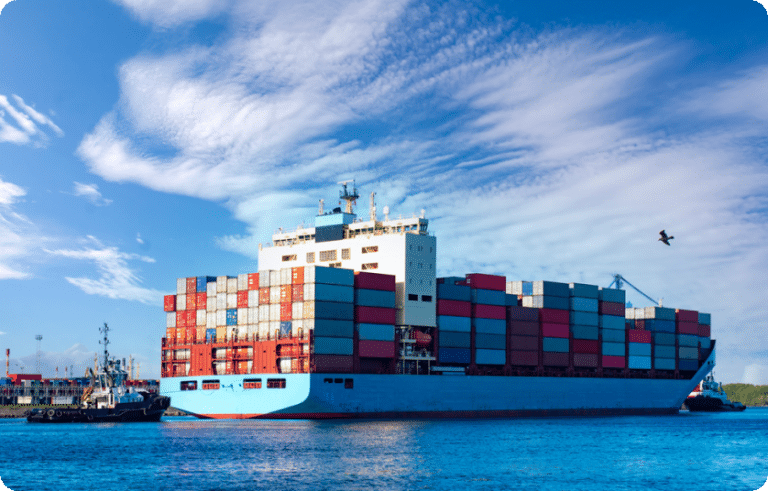
Sea freight is the most cost effective shipping method for large volumes and container load cargo. It is ideal for businesses looking to reduce s...
Read guide →
Air freight from China is the best option for time sensitive and high value shipments. It offers fast delivery, reliable transit times, and effic...
Read guide →Why Brazil is a Key Destination for Chinese Container Shipping Shipping containers from China to Brazil has become an essential part of internati...
Learn more → Useful Resource DDP Shipping from China to BrazilShipping goods from China to Brazil has become a critical role in global trade. Brazilian importers rely heavily on Chinese suppliers for electro...
Learn more →WhatsApp us