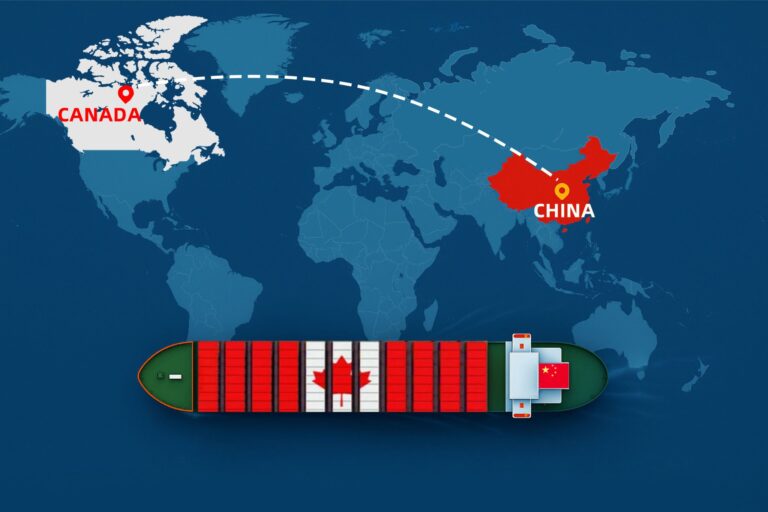
Related Guide
Shipping from China to Canada
Shipping from China / Shipping from China to Canada China–Canada Shipping Guide · Updated August 2026 Shipping from China to Canada Compare sea f...
Read guide →

Reliable & Cost-Effective Shipping from China
Tailored Logistics Solutions for Your Business
How long does it take to ship from China to Canada? This is one of the most common questions asked by importers and supply chain managers. Shipping from China to Canada is a vital part of many global supply chains, especially for businesses involved in retail, e-commerce, construction, and manufacturing. Whether you’re importing clothing, electronics, furniture, or industrial machinery, understanding the shipping time and delivery process is crucial for cost planning, inventory management, and maintaining customer satisfaction.
In 2025, with rising demand for international shipping, importers are increasingly comparing different shipping methods — like sea freight, air freight, and express shipping — to find the most efficient and cost-effective solution.
This comprehensive guide will walk you through:
The average transit time for each shipping mode
Key factors that affect overall shipping time
Port-to-port and airport-to-airport comparisons
How customs clearance and documentation influence delays
How to choose a reliable freight forwarder
Tips to reduce shipping costs and ensure timely delivery
There are three primary shipping options for transporting goods between China and Canada, each with distinct timelines, cost ranges, and suitability depending on the nature of your cargo.
Shipping Mode | Transit Time | Typical Use Case | Cost Efficiency |
|---|---|---|---|
Express Shipping | 3–7 days | Urgent documents, small parcels, e-commerce goods | Expensive |
Air Freight | 5–12 days | Medium-volume cargo, time-sensitive products | Moderate |
Sea Freight (FCL/LCL) | 25–45 days | Bulk goods, heavy machinery, full or partial container load | Most cost-effective |
Choosing the right shipping method depends on:
Your delivery deadline
Cargo size and weight
Budget for shipping costs
Product sensitivity
Whether you need door to door service or just port-to-port delivery
Let’s break down each option and its average shipping time in detail.
Sea freight is the most common and economical way to transport large volumes of goods internationally. If you’re shipping pallets, crates, or containers, this method offers the lowest shipping rates — but also the longest transit time.
On average, sea shipping takes 25 to 45 days, depending on:
Port of departure and arrival
Whether it’s FCL (Full Container Load) or LCL (Less than Container Load)
Container availability and shipping line schedules
Inland rail transfer time (e.g., Vancouver to Toronto)
Port congestion and customs processing time
China Port | Canada Port | FCL Transit Time | LCL Transit Time |
|---|---|---|---|
Shanghai | Vancouver | 25–30 days | 30–38 days |
Ningbo | Montreal | 30–40 days | 35–45 days |
Shenzhen | Toronto (via rail) | 32–42 days | 37–48 days |
Qingdao | Halifax | 28–38 days | 33–44 days |
Note: If your final destination is not a coastal city like Vancouver, rail or truck transport will add 4–10 days depending on distance.
Yes. FCL shipping is generally faster because your goods travel in a sealed container directly from origin to destination, reducing handling time. LCL shipping involves consolidating and deconsolidating cargo, which introduces delays at both ports and warehouses.
A full container load (FCL) from Shenzhen to Vancouver may arrive in 28 days.
The same shipment as LCL could take up to 35 days due to extra processing.
Port congestion in Shanghai, Ningbo, or Vancouver
Customs clearance delays at Canadian ports
Incorrect documentation (missing commercial invoice or packing list)
Weather disruptions during transit
Peak season congestion (October–January due to holiday demand)
Pro Tip: To avoid delays and manage your cargo flow efficiently, work with a professional freight forwarder who can coordinate bookings, manage customs documentation, and handle inland transportation within Canada.
If you need to move goods faster than ocean freight but don’t want to pay the premium cost of express shipping, air freight is the perfect middle ground. It offers faster delivery times, more predictable schedules, and is ideal for medium-sized shipments or high-value cargo that requires quicker turnover.
In most cases, standard air freight from major airports in China to major Canadian cities takes 5 to 12 days. This includes:
1–3 days for export customs clearance, cargo preparation, and airline booking
1–2 days for the flight duration itself
2–7 days for import clearance, handling, and final delivery (depending on service)
Transit time varies depending on:
Origin and destination airports
Airline schedules and space availability
Whether it’s direct or via transit hubs (e.g., Incheon, Narita)
Customs clearance time at Canadian airports
Origin Airport (China) | Destination Airport (Canada) | Estimated Delivery Time |
|---|---|---|
Shanghai Pudong (PVG) | Toronto Pearson (YYZ) | 6–9 days |
Guangzhou Baiyun (CAN) | Vancouver (YVR) | 5–8 days |
Shenzhen Bao’an (SZX) | Montreal (YUL) | 7–10 days |
Beijing Capital (PEK) | Calgary (YYC) | 6–11 days |
If you’re shipping goods to remote areas in Canada, expect an additional 2–4 days for final mile delivery.
Air freight shipping is best when:
Your goods are time-sensitive
You are shipping electronics, fashion items, medical supplies, or samples
You’re delivering to a retailer with strict timelines
The shipment is between 100–500 kg
You want faster shipment’s progress tracking
Although not as fast as express shipments, standard air freight offers a balance of speed and affordability — especially for urgent B2B deliveries.
Pros | Cons |
|---|---|
Faster than sea shipping (5–12 days) | More expensive than sea freight |
Ideal for fragile or high-value items | Heavier cargo incurs higher charges |
Better shipment visibility and tracking | Limited capacity for oversized cargo |
Frequent flight schedules from major cities | Subject to chargeable weight rules |
Chargeable Weight Tip: Air freight is billed based on volumetric weight or gross weight, whichever is higher. Use a chargeable weight calculator to avoid surprises.
To ensure smooth customs clearance and avoid delays, you must prepare:
Commercial invoice
Packing list
Air Waybill (AWB)
HS code and product description
Certifications (if applicable, such as MSDS or CE)
Missing documentation can lead to customs delays, inspection, or rejection of cargo by Canadian officials.
When every day counts, express shipping from China to Canada is the fastest way to deliver goods. With major courier services offering door-to-door delivery, including customs clearance and tracking, it’s the top choice for urgent shipments, especially in the e-commerce and high-value goods sectors.
On average, express shipments take 3 to 7 business days from pickup in China to final delivery in Canada. This includes:
1 day for pickup and export processing
1–2 days for direct or connecting flights
1–4 days for customs clearance and last-mile delivery
In some cases, such as shipments to major Canadian cities like Toronto or Vancouver, delivery can be completed in as little as 2–3 days.
Courier Service | Estimated Delivery Time | Best For |
|---|---|---|
DHL Express | 3–5 business days | B2B documents, small parcels |
FedEx International Priority | 3–6 days | Samples, electronics |
UPS Worldwide Expedited | 4–7 days | E-commerce, urgent stock |
SF Express Global | 5–7 days | Budget-friendly China-based option |
Express couriers offer comprehensive shipment tracking, fast customs clearance support, and integrated documentation handling — all of which speed up the shipping process.
Choose express freight if:
You’re shipping less than 20 kg and need guaranteed fast delivery
The shipment is urgent, like for a trade show, contract deadline, or emergency supply
You want full visibility and real-time tracking
You are testing product samples or fulfilling just-in-time inventory
Online sellers delivering to Canadian customers via Shopify, Amazon, or Etsy
Fashion brands sending seasonal collections
Electronics suppliers with release deadlines
Medical and pharmaceutical shipments needing time-sensitive handling
Most express mail services handle customs clearance on your behalf. However, delays may still occur due to:
Incomplete commercial invoices
Missing HS codes or product descriptions
Declared value inconsistencies
Shipments flagged for inspection by Canadian customs
To avoid customs delays, always ensure documentation is complete, accurate, and matches the actual cargo.
Advantages | Limitations |
|---|---|
Fastest international delivery (3–7 days) | High cost per kilogram |
Full door-to-door service | Limited to small, lightweight cargo |
Real-time tracking and support | Not ideal for bulk freight |
Fewer delays in customs | May be subject to dimensional weight |
Cost-Saving Tip: If you ship small but frequent parcels, consider using courier consolidation services or working with a freight forwarder who can batch your shipments for better rates.
Learn more:
No matter how fast your shipment travels from China to Canada, customs clearance can make or break your delivery timeline. Even the most reliable shipping method — whether air freight, sea freight, or express shipping — is still subject to potential delays at the Canadian customs border.
Typically, customs clearance in Canada takes between 1 and 5 business days, depending on:
Shipment type (express vs. regular cargo)
Accuracy of paperwork
Product classification (HS code)
Declared value and duties owed
Whether additional inspections are required
For express shipments, clearance may happen within 24–48 hours, while ocean freight or air cargo may take longer, especially if any documents are missing or flagged.
To ensure a smooth customs clearance, your shipping cargo must be accompanied by:
Commercial invoice with declared value in CAD
Packing list including weight and dimensions
Bill of Lading (for sea freight) or Air Waybill (AWB) (for air freight)
Accurate HS code (Harmonized System)
Import licenses or certificates (if applicable)
Proof of payment (in some cases)
For high-value shipments or goods subject to customs duties, customs officials may request additional supporting documents or conduct physical inspections, which can cause delays of several days.
Most goods shipped from China are subject to:
Import duties (vary by product type and HS code)
GST (Goods and Services Tax) – typically 5%
Provincial Sales Tax (PST) – varies by destination province
Brokerage or handling fees (for non-express shipments)
Knowing your total shipping costs, including customs duties, is essential for budgeting and avoiding surprises.
A reliable freight forwarder can simplify the customs process by:
Pre-checking your documents for errors
Providing correct HS codes and declarations
Coordinating with customs brokers in Canada
Ensuring duties and taxes are calculated in advance
Helping you avoid red flags or shipment rejection
If you’re using DDP shipping (Delivered Duty Paid), your freight forwarder handles all customs clearance and tax payment on your behalf.
Issue | Result |
|---|---|
Missing or incorrect commercial invoice | Rejection or audit by customs |
Wrong HS code | Miscalculated duties and delays |
Declared value mismatch | Inspection or penalty fines |
Unlicensed restricted goods | Shipment hold or return to origin |
Undeclared items or inaccurate manifest | Legal penalties or seizure |
Pro Tip: Even with international shipping, customs authorities always prioritize accuracy and transparency. When in doubt, consult a licensed customs broker or work with an experienced forwarder familiar with Canada import regulations.
For many importers, especially those running e-commerce stores or managing supply chains across borders, door-to-door shipping offers maximum convenience. This end-to-end service covers the entire shipping process — from supplier pickup in China to final delivery at your address in Canada — including export procedures, international freight, customs clearance, and last-mile delivery.
The average door-to-door shipping time from China to Canada depends heavily on the transport mode:
Shipping Method | Door-to-Door Timeframe | Best Suited For |
|---|---|---|
Express Shipping | 3–7 days | Small parcels, time-critical goods |
Air Freight + Truck | 7–14 days | Medium-size goods needing fast delivery |
Sea Freight (FCL) | 28–40 days | Full container load, large-scale orders |
Sea Freight (LCL) | 35–50 days | Small businesses with partial container load |
These timeframes include warehouse handling, freight transit, customs clearance, and domestic delivery inside Canada.
Pickup from supplier
Freight forwarders coordinate directly with your Chinese supplier to collect the cargo, usually from factory or warehouse locations.
Export customs clearance
Chinese export clearance is completed using a commercial invoice and packing list. Licensed freight forwarders handle this on your behalf.
International transport
The shipment travels via ocean freight or air cargo, depending on your chosen method.
Arrival at Canada port or airport
Upon arrival, Canadian customs inspects and releases the goods after duty and tax payment (or DDP settlement).
Inland transport and final delivery
Goods are delivered via local trucking companies to the consignee’s final address in Canada — residential, commercial, or warehouse.
FCL (Full Container Load) door-to-door delivery is generally faster (28–40 days), as the container moves as a sealed unit.
LCL (Less than Container Load) involves cargo consolidation and deconsolidation, adding 7–10 days to the total delivery time.
If time is sensitive, always check whether the shipping container is booked as FCL or part of an LCL consolidation.
A competent freight forwarding service will:
Optimize routes based on cost and delivery time
Provide real-time tracking and updates
Handle all documentation and compliance procedures
Offer tailored solutions like cargo insurance, container load planning, and customs pre-clearance
Real Example:
A client importing lighting fixtures from Guangzhou to Ottawa via door-to-door sea freight experienced:
2 days pickup and export clearance
31 days ocean freight via Ningbo–Vancouver
4 days customs clearance and rail transfer
2 days final truck delivery
Total transit time: 39 days — with zero involvement needed from the client during the process.
Lorem ipsum dolor sit amet, consectetur adipiscing elit. Ut elit tellus, luctus nec ullamcorper mattis, pulvinar dapibus leo.
DDP Shipping from China to Canada
Air Freight from China to Canada
Shipping from China to Canada by Sea

Choosing the right shipping method depends not only on budget but also on how quickly you need your goods. Here’s a consolidated comparison of shipping times from China to Canada across major transport modes and routes.
Shipping Method | Mode | Estimated Transit Time | Best Use Case |
|---|---|---|---|
Express Courier | Air (door-to-door) | 3–7 days | Urgent small parcels, samples |
Air Freight (Standard) | Air + Truck | 5–12 days | Medium cargo, electronics, apparel |
Air Freight (Door-to-Door) | Air + Truck | 7–14 days | Fast delivery with customs & last-mile |
Sea Freight (FCL) | Ocean + Rail/Truck | 25–40 days | Full container load, cost-sensitive goods |
Sea Freight (LCL) | Ocean + Rail/Truck | 35–50 days | Partial loads, small business shipments |
China Port | Canada Port | FCL Transit Time | LCL Transit Time |
|---|---|---|---|
Shanghai | Vancouver | 25–30 days | 30–38 days |
Shenzhen | Toronto (via Vancouver) | 32–40 days | 38–48 days |
Ningbo | Montreal | 30–38 days | 35–45 days |
Qingdao | Halifax | 28–36 days | 33–44 days |
Note: FCL (Full Container Load) is always faster and more secure than LCL due to reduced handling and no consolidation delays.
China Airport | Canada Airport | Standard Air Freight Time |
|---|---|---|
Shanghai Pudong (PVG) | Toronto Pearson (YYZ) | 6–9 days |
Guangzhou Baiyun (CAN) | Vancouver (YVR) | 5–8 days |
Shenzhen Bao’an (SZX) | Montreal (YUL) | 7–10 days |
Beijing Capital (PEK) | Calgary (YYC) | 6–11 days |
Most international air cargo uses consolidated air freight services unless booked express. Expect 1–2 days variation based on airline and capacity.
Scenario | Total Estimated Delivery Time |
|---|---|
Courier (DHL, FedEx, SF Express) | 3–7 days |
Air Freight + Local Trucking | 7–14 days |
FCL Ocean Freight + Rail to Toronto | 30–40 days |
LCL Freight + Delivery to Warehouse | 38–50 days |
For shipments to central or eastern Canada (e.g., Ottawa, Winnipeg, Quebec), add 3–7 days after ocean arrival in Vancouver for inland rail/truck transport.
For residential deliveries, customs processing may take longer than for bonded warehouses or commercial addresses.
Port congestion or holiday surges can extend timelines across all methods.
Pro Tip: When requesting a freight quote, always ask for total shipping time including customs and final delivery — not just port-to-port or airport-to-airport.
The cheapest way to ship from China to Canada is via sea freight (LCL) if you are shipping small to medium volumes. For full loads, FCL shipping (Full Container Load) offers the best cost per cubic meter. Although slower, it’s the most cost-effective solution for non-urgent goods and large shipments.
Shipping costs vary depending on:
Type of container (20ft or 40ft)
Port of origin in China
Final destination in Canada
Market conditions and fuel surcharges
On average in 2025:
Container Type | Estimated Freight Cost (USD) |
|---|---|
20ft FCL | $1,800 – $2,800 |
40ft FCL | $2,200 – $3,800 |
LCL (per CBM) | $60 – $90 |
For the latest Canada freight rates, request a real-time quote from your freight forwarder.
Choose FCL shipping if:
You can fill a 20ft or 40ft container
You need faster transit and lower unit cost
Your goods are sensitive or high-value
Choose LCL shipment if:
Your volume is under 15 CBM
You’re shipping samples or small batches
Budget is limited, and timing is flexible
Basic documentation includes:
Commercial Invoice
Packing List
Bill of Lading (Sea) or Air Waybill (Air)
HS Code and Product Description
Any required certificates (e.g., fumigation, origin)
Importer Number (for commercial importers in Canada)
To lower your freight shipping costs:
Book in advance, especially before peak seasons
Use FCL shipping when volume allows
Consolidate cargo from multiple suppliers
Choose door-to-door logistics to avoid local handling fees
Work with an experienced freight forwarder who can negotiate better container load pricing
Ensure documentation is accurate to avoid penalties and delays
Yes. All major freight forwarders and express couriers offer tracking tools. For air freight and express shipments, you’ll receive a tracking number. For sea freight, your forwarder will provide:
Shipping line & container number
Estimated Time of Arrival (ETA)
Port updates and customs status
Yes, even personal shipments can be subject to:
Import duty (varies by HS code)
GST or HST (5–15%)
Brokerage fees (especially for non-express carriers)
If your goods are under the duty-free threshold (e.g., CAD $20 for some goods), they may clear without extra cost — but this varies by product type and declared value.
Reach out to a trusted freight forwarding company with experience in China–Canada shipping routes. They can guide you on shipping options, transit times, customs requirements, and offer end-to-end solutions tailored to your business.
Understanding how long it takes to ship from China to Canada empowers importers to make informed, timely, and cost-efficient decisions. Whether you’re managing full container loads via sea freight, urgent deliveries by air cargo, or small parcels through express shipping, each shipping method offers its own balance between speed, cost, and convenience.
Key takeaways:
Sea freight is the best cost-effective option for large and less time-sensitive shipments.
Air freight is ideal for medium volumes and faster delivery with predictable transit.
Express shipping suits small, urgent parcels but comes at a higher cost.
Door to door service simplifies the entire process, especially for businesses looking for minimal hassle.
Smooth customs clearance is critical — accurate documents and trusted partners can save days.
As international trade evolves in 2025, partnering with a reliable freight forwarder ensures that your China to Canada shipping process stays efficient, transparent, and aligned with your business goals.
At Tonlexing, we specialize in end-to-end logistics solutions for importers shipping from China to Canada. From sea and air freight, to DDP and door-to-door delivery, our experienced team handles every aspect of your supply chain — including consolidation, customs clearance, documentation, and last-mile delivery.
Whether you’re a first-time importer or a seasoned buyer, Tonlexing is here to make your international shipping faster, simpler, and more cost-effective.
Get your free quote today – Contact us now or message us on WhatsApp to get started.
Useful freight, customs and importing resources related to this shipping guide.
Shipping from China / Shipping from China to Canada China–Canada Shipping Guide · Updated August 2026 Shipping from China to Canada Compare sea f...
Read guide →
Shipping Cost from China to Canada (2026 Guide) Verified & Reviewed · Last updated April 2026 Shipping cost from China to Canada in 2026 typicall...
Read guide →
Shipping goods from China to Canada by sea is one of the most cost-effective ways to transport large quantities of products. With the growth of g...
Read guide →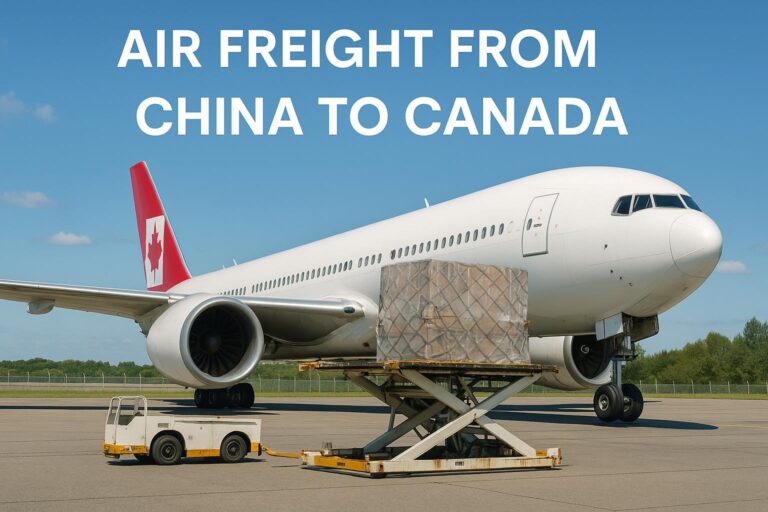
International shipping is a complex process that involves the transportation of goods from one country to another. It requires a deep understandi...
Read guide →Shipping Costs for 20FT and 40FT Containers from China to Canada Verified & Reviewed · Last updated June 2026 Shipping costs for 20FT and 40FT co...
Learn more → Useful Resource DDP Shipping from China to CanadaDDP Shipping from China to Canada Verified & Reviewed · Last updated May 2026 DDP shipping from China to Canada helps importers ship goods door t...
Learn more →WhatsApp us