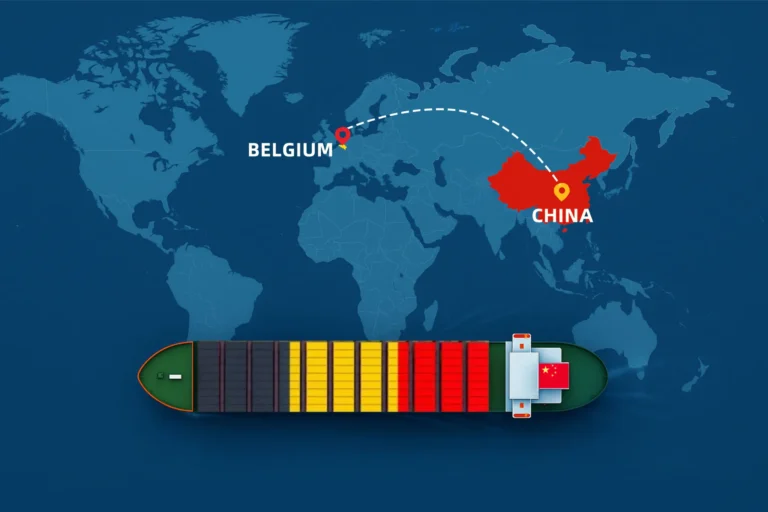
Related Guide
Shipping from China to Belgium
Shipping from China to Belgium – Sea, Air & DDP in 2026 Fast, reliable shipping from China to Belgium for B2B importers, eCommerce sellers,and pr...
Read guide →

Shipping cost from China to Belgium in 2026 typically ranges from $35–$80 per CBM for LCL sea freight, $1,440–$2,695 per container for FCL sea freight, $4–$11 per kg for air freight, $100–$220 per CBM for rail freight, and €4.8–€6.5 per kg for express shipping, depending on shipment size, cargo type, delivery speed, and final destination.
For large shipments, sea freight is usually the most cost-effective option. For urgent cargo, air freight or express shipping provides faster delivery. Rail freight is also a practical choice for importers who need faster transit than ocean freight but want to control shipping costs.
The final shipping cost may also be affected by customs clearance, import duties, VAT, local delivery charges, and seasonal freight rate changes. Understanding these factors before booking helps businesses avoid unexpected costs and choose the most suitable shipping solution.
This guide explains China to Belgium shipping rates, transit times, sea freight, air freight, rail freight, door-to-door delivery, customs duties, and practical ways to reduce shipping costs.
Shipping method / Mode
Transit time range
Customs duties / VAT
The average shipping cost from China to Belgium varies depending on shipment size, cargo type, delivery service, and market conditions. The following rates are general references for 2026.
| Shipping Method | Best For | Estimated Cost | Transit Time |
|---|---|---|---|
| LCL Sea Freight | Smaller shipments | USD 35–80 per CBM | 30–45 days |
| 20GP Sea Freight | Full container load cargo | USD 1,440–1,760 per container | 28–38 days |
| 40HQ Sea Freight | Large shipments | USD 2,495–2,695 per container | 28–38 days |
| Air Freight | Urgent commercial cargo | USD 4–11 per kg | 5–10 days |
| Rail Freight | Medium sized shipments | USD 100–220 per CBM | 15–25 days |
| Express Shipping | Small parcels and samples | EUR 4.8–6.5 per kg | 3–7 days |
| Door-to-Door Shipping | Delivery to Belgian address | Quote by cargo details | 8–50 days |
Shipping rates fluctuate based on seasonal demand, fuel prices, carrier capacity, customs procedures, weather conditions, and delivery requirements. For an accurate shipping quote, importers should provide the cargo name, packing list, HS code, total weight, total volume, pickup city in China, and final destination in Belgium.
Sea freight is the most cost effective shipping method for large shipments, heavy cargo, furniture, machinery, building materials, and full container load shipments. It is suitable when delivery time is flexible and the main goal is to reduce shipping costs.
Belgium has a strategic location in Europe, making it an important logistics gateway for Chinese imports entering the European market. The Port of Antwerp is one of the busiest ports in Europe and handles large volumes of cargo arriving from China every year.
LCL sea freight is suitable for smaller shipments and medium sized shipments that do not require a full container. Cargo from multiple importers is consolidated into one container, helping businesses reduce shipping costs when the shipment volume is relatively small.
LCL shipping is commonly used for e-commerce cargo, retail goods, machinery parts, household products, and commercial shipments under 15 CBM. The shipping cost is usually calculated based on CBM, although local charges and customs clearance fees may also affect the final cost.
FCL shipping is recommended for large shipments, full container load cargo, fragile products, or cargo that requires better container control. Importers can choose between 20GP and 40HQ containers depending on cargo weight and volume.
For businesses shipping large volumes regularly, FCL sea freight usually provides better cost effectiveness and lower shipping cost per unit.
Common sea freight routes from China to Belgium include:
The main ports in Belgium include Antwerp, Zeebrugge, and Ghent. Antwerp is the largest and most important container port for China to Belgium shipping.
Air freight is a fast and reliable shipping method for goods from China to Belgium, ideal for urgent shipments, high-value products, and time-sensitive cargo. It is commonly used for electronics, medical supplies, spare parts, fashion items, perishable goods, and e-commerce inventory.
Compared with sea freight, air freight provides shorter transit times and more predictable schedules, making it suitable for businesses that prioritize speed and timely delivery over cost. While air freight is more expensive than ocean shipping, it can reduce inventory holding costs, prevent production delays, and help meet tight deadlines.
Faster Transit Times – Standard air freight from major Chinese airports to Brussels or nearby European hubs typically takes 5–10 days, depending on carrier schedules, customs clearance, and final delivery arrangements.
Reliable Delivery – Air freight reduces the risk of port congestion and unexpected delays common in sea freight. Airlines maintain scheduled flights, which helps businesses plan logistics with more certainty.
Security and Handling – High-value or fragile cargo can be handled with care. Air cargo tends to have stricter security checks and better tracking than other shipping methods.
Ideal for Small to Medium Shipments – Air freight works well for pallets or smaller loads where speed is essential, without committing to a full container as in FCL sea freight.
Air freight costs are based on chargeable weight, which is the higher of actual weight or volumetric weight. Volumetric weight is calculated using the formula:
Length × Width × Height (cm) ÷ 5000 = Volumetric Weight (kg)For example, a lightweight but bulky shipment may have a volumetric weight greater than its actual weight, increasing the cost. Additional factors that affect air freight pricing include:
Major Chinese airports offering air freight to Belgium include:
All shipments usually arrive at Brussels Airport (BRU) or nearby air freight hubs, where goods undergo customs clearance and onward delivery to warehouses or final destinations across Belgium.
Rail freight from China to Belgium offers a balance between cost and speed. It is usually faster than sea freight and more cost effective than air freight, making it suitable for commercial cargo, palletized goods, machinery parts, electronics, and time-sensitive shipments that do not require express delivery.
Rail freight is commonly used in China-Europe logistics because it provides:
Some rail routes can reach Liège or nearby European rail hubs within 12–20 days for terminal-to-terminal service. Door-to-door rail delivery may take longer depending on inland transportation and customs clearance.
Rail freight is ideal for businesses that need faster transit than ocean shipping but want to reduce costs compared with air freight.
Express shipping is the fastest option for small parcels, samples, documents, replacement parts, and e-commerce shipments. Leading carriers such as DHL, FedEx, and UPS provide fast delivery from China to Belgium with real-time tracking.
Typical costs for express shipping:
Smaller shipments: EUR 4.8–6.5 per kg
Other shipments: USD 5–10 per kg depending on weight, dimensions, service level, and provider
Express shipping is simple and fast, but it is not cost effective for large shipments or bulky cargo. For heavier commercial shipments, air freight or sea freight often provides better overall value.
Door-to-door shipping is a convenient option for businesses that want a single logistics provider to manage the entire shipping process. Services may include:
Door-to-door shipping is especially useful for:
DDP (Delivered Duty Paid) service is sometimes available for selected cargo types. With DDP, taxes and duties are handled before delivery, simplifying the import process for the buyer. DDP availability depends on cargo type, HS code, declared value, Belgian regulations, and customs requirements.
Shipping time from China to Belgium depends on the shipping method, departure city, customs clearance, carrier schedule, and final delivery address in Belgium. In general, the estimated transit times are:
Several factors may influence your total delivery time:
To avoid delays, plan early and work with an experienced freight forwarder.
All commercial goods imported from China to Belgium must comply with EU customs regulations and Belgian import rules. Proper preparation is essential to avoid delays, additional fees, or penalties.
Importers should provide the following documents to ensure smooth customs clearance:
Shipping costs from China to Belgium depend on several key factors. Understanding them can help businesses choose the right shipping method and reduce overall expenses.
Tips to Reduce Shipping Costs:
By considering these factors and applying these strategies, importers can save on shipping while ensuring timely and secure delivery.
A shipping cost calculator can help importers estimate freight rates before booking. However, a cost calculator can only provide a general estimate because final shipping rates are calculated based on cargo dimensions, chargeable weight, shipping route, customs requirements, service level, and final delivery address.
To get a more accurate shipping quote from China to Belgium, prepare the following information:
With these details, a freight forwarder can calculate the best shipping options and provide more accurate rates.
Shipping cost from China to Belgium depends on the shipping method, cargo weight, volume, route, customs clearance, and final delivery address. LCL sea freight may cost around USD 35–80 per CBM, while FCL sea freight may range from about USD 1,440–2,695 per container. Air freight usually costs around USD 4–11 per kg, depending on chargeable weight and service level.
Sea freight is usually the cheapest way to ship large shipments from China to Belgium. LCL sea freight is suitable for smaller shipments, while FCL sea freight is more cost effective for full container load cargo. For medium sized shipments, rail freight may also be a good option.
Express shipping usually takes 3–7 days, air freight takes around 5–10 days, rail freight takes about 15–25 days, and sea freight usually takes 28–45 days depending on the route, carrier schedule, customs procedures, and final delivery location.
Yes. Commercial goods imported into Belgium are usually subject to 21% import VAT. Customs duties depend on the HS code, product category, declared value, and EU customs rules. Some shipments may also involve import fees, customs clearance charges, or special permits.
Air freight is more expensive than sea freight and rail freight, but it provides faster transit times and better delivery speed for urgent shipments, high value goods, spare parts, and time-sensitive cargo. Air freight costs are usually calculated based on chargeable weight.
Useful freight, customs and importing resources related to this shipping guide.
Shipping from China to Belgium – Sea, Air & DDP in 2026 Fast, reliable shipping from China to Belgium for B2B importers, eCommerce sellers,and pr...
Read guide →
How long does it take to ship from China to Belgium? This is one of the most common questions importers ask when sourcing goods from Asia. Shippi...
Read guide →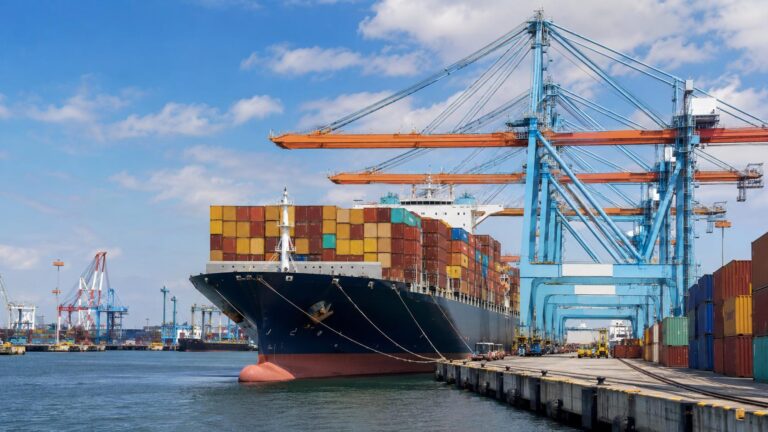
Sea Freight from China to Belgium Verified & Reviewed · Last updated June 2026 Sea Freight from China to Belgium is a cost effective shipping sol...
Read guide →
When it comes to air freight from China to Belgium, importers and exporters often consider it the most reliable option for urgent or high-value s...
Read guide →In recent years, trade between China and Belgium has grown rapidly, driven by the increasing demand for electronics, machinery, textiles, and con...
Learn more → Useful Resource 20ft & 40ft Container Shipping Costs from China to Belgium20ft 40ft Container Shipping Costs from China to Belgium Verified & Reviewed · Last updated June 2026 Shipping containers from China to Belgium i...
Learn more →WhatsApp us