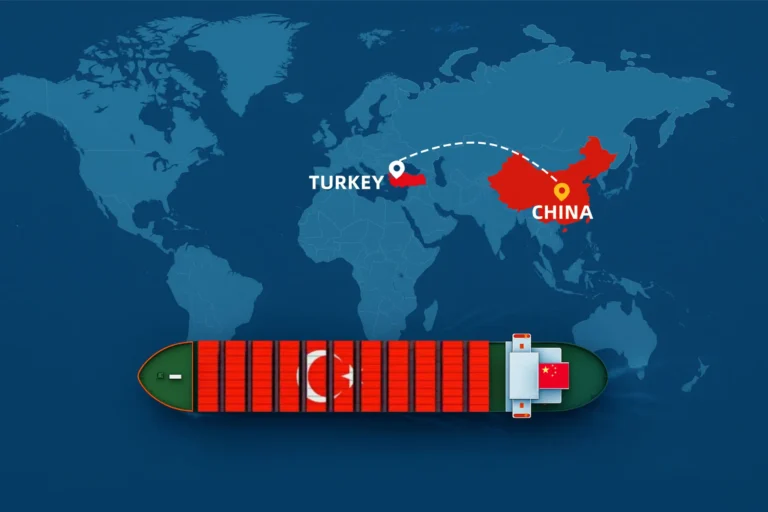
Related Guide
Shipping from China to Turkey
Shipping from China to Turkey – Sea, Air & DDP in 2026 Fast, reliable shipping from China to Turkey for B2B importers, eCommerce sellers, and pro...
Read guide →

Shipping cost from China to Turkey in 2026 typically ranges from $1,300–$1,600 for a 20GP container by sea freight, $2,300–$2,800 for a 40GP container, from $38 per CBM for LCL shipping, and $4–$8 per kg for air freight, depending on cargo size, shipment weight, shipping route, and delivery requirements.
For large shipments, sea freight is usually the most cost-effective option from China to Turkey, especially for full container load, less than container load, machinery, furniture, textiles, building materials, and other commercial cargo.
Air freight and express shipping are better for urgent cargo, samples, electronics, spare parts, and high-value goods. Understanding shipping costs, transit time, customs duties, import documents, and door to door delivery options can help importers reduce unexpected costs and avoid shipment delays.
Shipping method / Mode
Transit time range
DDP / Door to Door
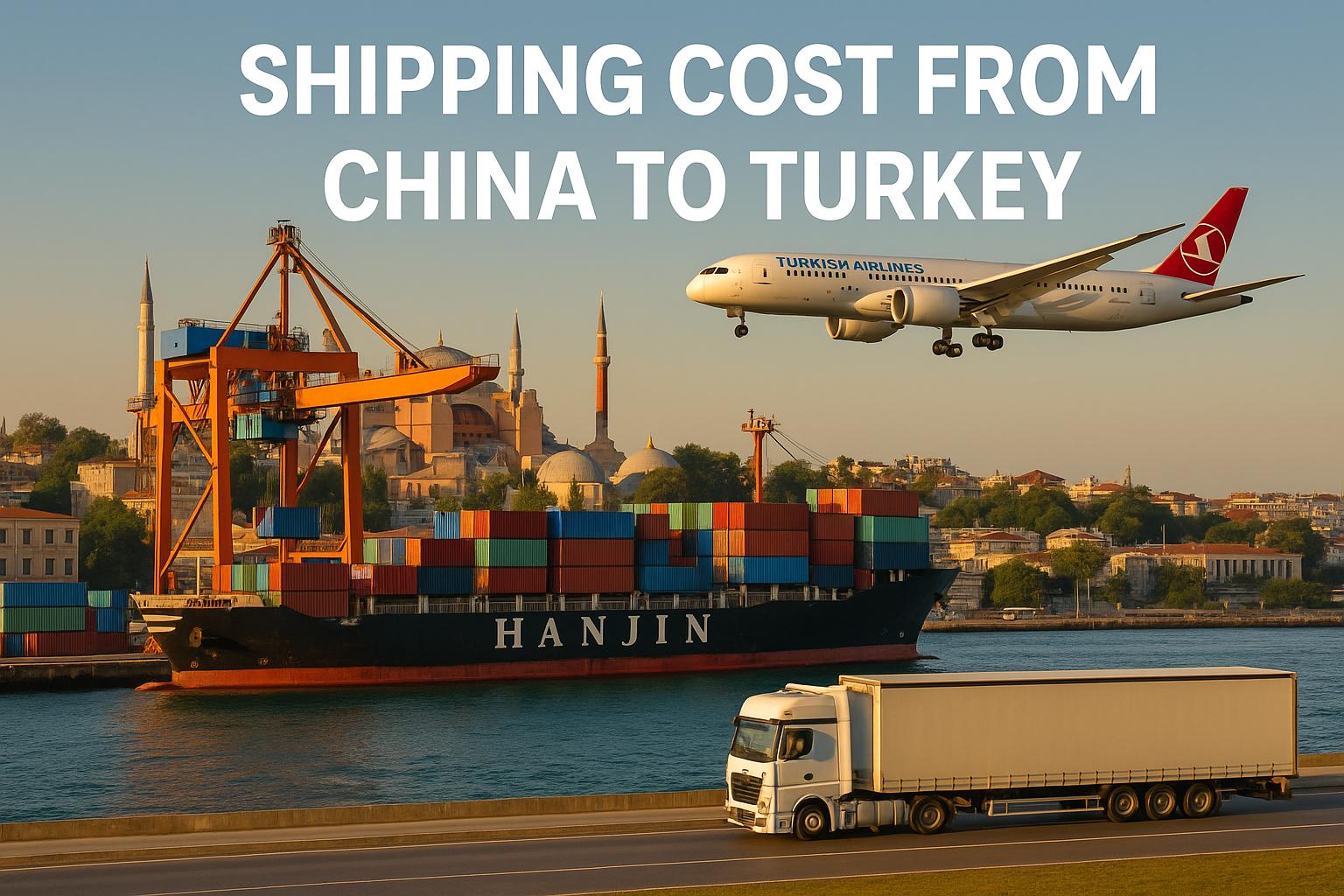
The table below shows estimated freight shipping rates and transit times for shipping from China to Turkey. For Turkey shipping projects, use these numbers as a starting point only. These rates are for reference only. Final shipping costs may change depending on cargo type, cargo weight, cargo volume, carrier space, fuel surcharge, customs duties, destination charges, and final delivery location.
| Shipping Mode | Estimated Cost | Estimated Transit Time |
|---|---|---|
| Sea Freight 20GP Container | $1,300–$1,600 | 18–25 days |
| Sea Freight 40GP Container | $2,300–$2,800 | 18–25 days |
| LCL Freight | From $38/CBM | 20–30 days |
| Air Freight | $4–$8/kg | 2–4 days |
| Express Shipping | $8–$14/kg | 2–5 days |
| Rail Freight 40GP Container | $7,110–$8,500 | 6–9 days |
A 20GP shipping container is often suitable for heavier cargo with smaller volume, while a 40GP or 40HQ container is better for larger but lighter cargo. Full container load pricing is usually charged as a flat rate per container, while less than container load pricing is calculated by cubic meter.
These prices do not always include Turkish import handling, customs duties, VAT, port charges, storage fees, cargo insurance, or final door to door delivery. For an accurate quote, importers should provide the cargo name, HS code, total weight, total volume, carton dimensions, supplier address in China, and destination address in Turkey.
Choosing the right shipping method from China to Turkey depends on cargo size, delivery deadline, budget, and import requirements. Each option has different advantages in cost efficiency, transit time, cargo safety, and delivery flexibility.
A freight forwarder can compare freight shipping options, explain the shipping process, estimate Turkey cost, and help importers avoid unexpected costs before the cargo leaves China.
Sea freight is the most common and cost-effective option for large shipments from China to Turkey. It is widely used for commercial cargo, machinery, furniture, textiles, building materials, home products, and other bulk goods. When delivery time is flexible, sea freight offers strong cost efficiency and larger cargo capacity.
Importers usually choose between FCL and LCL according to cargo volume:
FCL Shipping: Full Container Load is suitable when your cargo can fill an entire container. It offers better control, fewer handling steps, and lower unit cost for large shipments.
LCL Freight: Less than Container Load is suitable for smaller shipments that do not require a full container. The cargo shares space with other goods, which helps reduce cost but may increase handling time.
Major Chinese ports for sea freight include Shanghai, Ningbo, Shenzhen, Guangzhou, Qingdao, Xiamen, and Tianjin. Major Turkish ports include Istanbul, Ambarli, Izmir, Mersin, and Gemlik. Typical sea freight transit time from China to Turkey is about 18–25 days for main port-to-port routes.
Air freight is the preferred option for urgent shipments, high-value goods, electronics, spare parts, samples, and time-sensitive cargo. It offers much faster transit times than sea freight, making it ideal when delivery speed is a priority.
Most Turkey air freight shipments depart from major Chinese airports such as Shanghai, Guangzhou, Shenzhen, and Hong Kong, with cargo typically arriving at Istanbul International Airport.
Best For:
Air freight costs are generally based on actual weight or volumetric weight, whichever is higher. While more expensive than sea freight, it provides faster and more reliable delivery for urgent cargo.
Express courier is best for small parcels, documents, product samples, e-commerce orders, and urgent packages. Courier companies such as DHL, FedEx, UPS, and TNT provide fast delivery, online tracking, and simplified import handling.
This option is convenient because the courier company manages most of the shipping process from pickup to delivery. However, express shipping is not cost-effective for heavy cargo or large quantities. Once cargo weight increases, standard air freight or sea freight usually offers better value.
Express shipping is usually recommended for:
Typical express shipping time from China to Turkey is about 2–5 days, depending on pickup location, service level, import checks, and final delivery address.
Rail freight can be used for selected cargo moving through land-based routes between China and Turkey. It provides an alternative between sea freight and air freight, especially when importers need faster transit than ocean freight but want to avoid the higher cost of air transport.
Rail freight is suitable for containerized cargo, industrial products, and commercial shipments that require a relatively stable route. Availability depends on route planning, border handling, carrier schedule, and customs processes.
Typical rail freight transit time may be around 6–9 days on selected line-haul sections, but total door service can be longer after supplier pickup, border transfer, import handling, and local delivery are included.
Door shipping is useful for importers who want one freight forwarder to manage the full logistics process from supplier pickup in China to final delivery in Turkey. This service can include export declaration, international shipping, import handling, duty and tax coordination, and local delivery after the goods are released.
It is especially useful for small and medium importers who do not want to coordinate several logistics providers separately. A door service can simplify communication, reduce handover problems, and make the shipping process easier to manage.
A typical door service may include:
China and Turkey are important trading partners connecting Asia and Europe. Most shipments move through major Chinese ports and airports before arriving at Turkey’s main logistics hubs. The shipping route selected can affect freight rates, transit time, and final delivery efficiency.
Most sea freight shipments from China to Turkey depart from China’s major coastal ports, which offer regular sailings and connections to international shipping lines.
Common Chinese export ports include:
These ports handle large volumes of containerized cargo and support both FCL shipping and LCL freight services.
Turkey has several key seaports that receive cargo from China. The best arrival port depends on the final destination and cargo type.
Major Turkish ports include:
Istanbul and Ambarli are commonly used for cargo destined for western Turkey, while Izmir serves the Aegean Sea region and Mersin is an important gateway for southern Turkey.
For Turkey air freight, cargo usually departs from major Chinese airports such as Shanghai, Guangzhou, Shenzhen, Hong Kong, Beijing, and Zhengzhou. Most shipments arrive at Istanbul International Airport, one of the largest air cargo hubs connecting China and Turkey.
Air freight is commonly used for:
The right shipping route depends on cargo volume, delivery deadlines, destination city, and transportation budget. A reliable freight forwarder can compare shipping lines, airline options, and delivery schedules to help reduce shipping costs and ensure timely delivery from China to Turkey.
Shipping costs from China to Turkey can vary significantly depending on the shipment details. Even when two shipments use the same route, the final price may be different because of cargo size, transportation method, destination, and import charges.
For air freight and express shipping, carriers charge based on actual weight or volumetric weight, whichever is higher. Larger shipments generally cost more, while lightweight cargo with large dimensions may also incur additional charges.
The shipping method has a major impact on the final cost.
Shipping from major Chinese ports and airports is usually more cost-effective than shipping from inland locations. Delivery to Istanbul is often less expensive than delivery to remote areas of Turkey.
Import duties, VAT, customs-related charges, and local handling fees can all affect the total landed cost. These costs vary depending on the product category and declared value.
Incoterms determine which party pays for transportation, insurance, duties, and delivery charges. Common terms such as EXW, FOB, CIF, DAP, and DDP can result in very different total shipping costs.
Understanding these factors can help importers choose the most suitable shipping option and avoid unexpected expenses when shipping goods from China to Turkey.
Customs clearance is an important part of shipping from China to Turkey. Whether you use sea freight, air freight, rail freight, or express shipping, imported goods must comply with Turkish customs regulations before they can be released for final delivery.
To avoid shipment delays and unexpected costs, importers should ensure that all documents are accurate and that the correct HS code is used for customs declarations. Turkish customs may inspect shipments to verify product descriptions, declared values, country of origin, and import compliance requirements.
Most shipments from China to Turkey require the following documents:
The commercial invoice and packing list should accurately match the cargo being shipped. Incorrect information may result in customs inspections, additional charges, or clearance delays.
Turkey applies customs duties and VAT to many imported products. Import duties are generally calculated based on the product’s HS code, customs value, and applicable trade regulations.
The customs value is usually calculated using the CIF method, which includes:
In addition to customs duties, imported goods may also be subject to VAT. Depending on the product category, VAT rates can range from 1% to 20%.
Turkish customs authorities may inspect shipments to verify:
Certain goods, including electronics, food products, chemicals, cosmetics, medical products, and regulated consumer goods, may require additional documentation or approvals before importation.
Besides freight charges, importers should also consider other import-related expenses:
These costs can have a significant impact on the final landed cost of shipping goods from China to Turkey.
Preparing documents correctly before shipment can help ensure quick customs clearance and reduce the risk of delays.
To improve the clearance process:
A reliable freight forwarder can help navigate Turkish customs procedures, reduce compliance risks, and ensure timely delivery after the cargo arrives in Turkey.
Choosing the right freight forwarder is important for importers shipping from China to Turkey, especially when the shipment involves multiple suppliers, different shipping modes, or strict delivery deadlines. A professional freight forwarder can help protect the supply chain, reduce unexpected costs, and keep the shipping process clear from pickup to delivery.
A professional freight forwarder should understand both Chinese export procedures and Turkish import rules. They should also be able to explain the total cost clearly before shipment, not only the basic freight rate.
When choosing a freight forwarder, check whether they can:
The right service provider should help reduce unexpected costs, avoid shipment delays, and keep the freight shipping process clear from pickup to delivery.
A 20-foot container from China to Turkey may cost around $1,300–$1,600, while a 40-foot container may cost around $2,300–$2,800. LCL shipping starts from about $38/CBM, air freight is around $4–$8/kg, and express shipping is around $8–$14/kg.
Express courier usually takes 2–5 days. Air freight usually takes 2–4 days. Sea freight from China to Turkey usually takes around 18–25 days on main port-to-port routes. Rail transport may take around 6–9 days on selected routes.
Sea freight is usually the cheapest option for large cargo and container load shipments. LCL freight is suitable for smaller commercial cargo, while FCL shipping is better for larger shipments.
Yes. Door service can include supplier pickup, export declaration, international shipping, import handling, duty and tax coordination, and final delivery in Turkey.
Yes, DDP may be available for certain products and shipment types. It can include freight, import handling, duties, VAT, and final delivery under one combined price. However, some regulated goods may not be suitable for DDP service.
Useful freight, customs and importing resources related to this shipping guide.
Shipping from China to Turkey – Sea, Air & DDP in 2026 Fast, reliable shipping from China to Turkey for B2B importers, eCommerce sellers, and pro...
Read guide →
Shipping from China to Turkey involves multiple transportation options, each with varying transit times depending on the shipping method, origin...
Read guide →
Sea freight is the most cost effective shipping method for large volumes and container load cargo. It is ideal for businesses looking to reduce s...
Read guide →
Air Freight from China to Turkey Verified & Reviewed · Last updated January 2026 Air freight from China to Turkey is the fastest shipping method...
Read guide →DDP shipping from China to Turkey is now one of the most reliable and hassle-free solutions for international importers. Whether you’re moving bu...
Learn more → Useful Resource Shipping Costs for 20ft & 40ft Containers from China to TurkeyUnderstanding the cost of shipping containers from China to Turkey is essential for businesses looking to manage their logistics effectively. The...
Learn more →WhatsApp us