Related Guide
Shipping from China to Nigeria
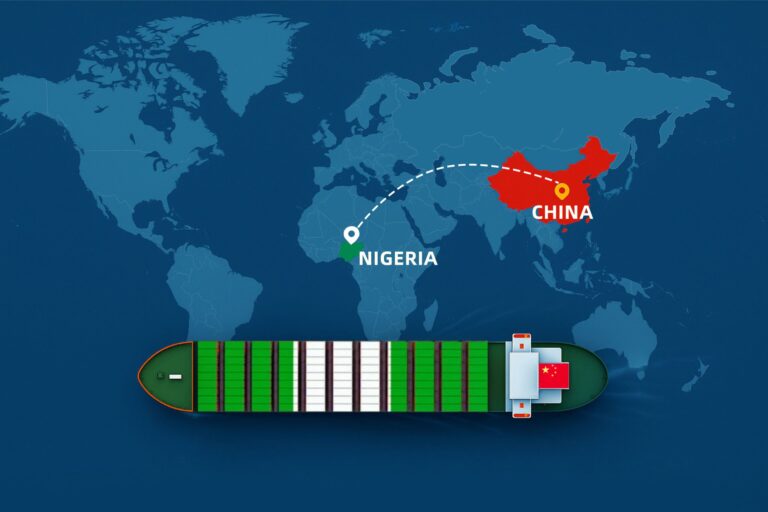
Illustration of shipping from China to Nigeria featuring a cargo ship with China and Nigeria flags, symbolizing international freight routes.
Read guide →

Reliable & Cost-Effective Shipping from China
Tailored Logistics Solutions for Your Business
Shipping from China to Nigeria plays a critical role in Africa’s international trade landscape. As Nigerian businesses expand and consumer demand grows, importers are increasingly turning to Chinese manufacturers for affordable, high-quality goods. Whether you are shipping electronics, fashion products, or industrial equipment, understanding the best shipping methods from China to Nigeria can help reduce shipping costs and ensure timely arrival.
In 2025, efficient shipping methods and competitive shipping rates are more essential than ever. Choosing the right freight forwarder and shipping mode can greatly affect your delivery timeline, customs clearance process, and overall shipping expenses. With access to major Chinese ports like Shanghai, Shenzhen, and Ningbo, and Nigerian ports such as Lagos, Tin Can Island, and Port Harcourt, there are several cost-effective routes available.
Whether you’re moving full container loads (FCL) or less-than-container loads (LCL), understanding the logistics process is key to managing your supply chain and ensuring successful international shipments.
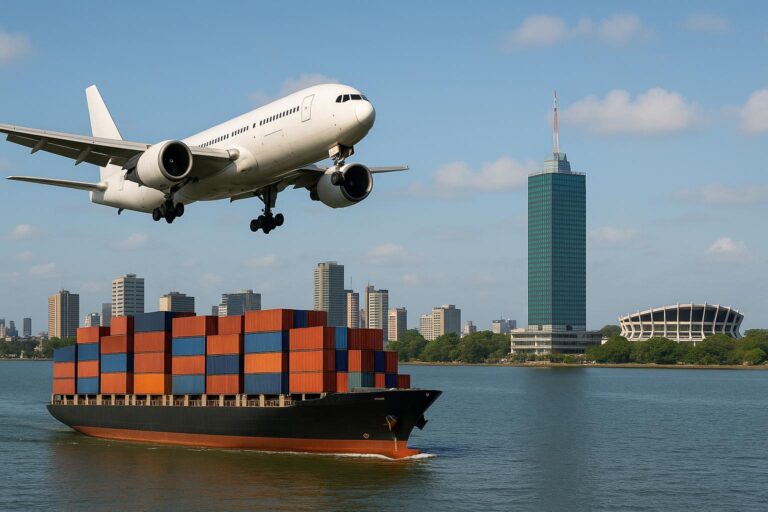
When planning your shipment from China to Nigeria, selecting the best shipping method is crucial for balancing speed, cost, and reliability. Importers typically choose between sea freight, air freight, express shipping, or door to door delivery, depending on cargo volume, urgency, and budget.
Sea freight is the most common shipping option for larger shipments or heavy cargo. You can choose:
Full Container Load (FCL): Best for importers shipping an entire container of goods. It offers better cost-effectiveness per unit, especially for larger shipments.
Less than Container Load (LCL): Ideal for small to medium businesses shipping partial loads. Your cargo shares space with others, which helps reduce shipping costs.
Transit times typically range from 35–45 days, depending on the shipping route and port congestion at Nigerian destinations like Port Harcourt or Tin Can Island.
Air freight is the preferred solution for time-sensitive shipments or valuable goods such as electronics or pharmaceuticals. While the shipping costs are higher than sea freight, the transit time is significantly shorter—around 5 to 10 days.
It’s especially useful when shipping from South China (Guangzhou, Shenzhen) to Lagos, offering faster delivery and simplified customs clearance for small commercial cargo.
For urgent deliveries under 100kg, express shipping services like DHL, FedEx, or UPS offer door-to-door solutions with real-time tracking. Though not the cheapest shipping option, they’re ideal for samples, e-commerce orders, or high-priority items.
This logistics process simplifies the entire transaction—covering pick-up from your supplier, customs clearance, ocean/air transit, and final delivery to your warehouse in Nigeria. Many freight forwarders offer DDP shipping (Delivered Duty Paid), where the seller bears all duties and delivery charges, ensuring minimal involvement from the buyer.
This method is increasingly popular among Nigerian importers and online businesses seeking hassle-free imports with reliable service and competitive pricing.
Sea freight is the most widely used shipping method for transporting goods from China to Nigeria due to its cost efficiency and ability to handle larger shipments. It is particularly suitable for heavy, bulky, or non-urgent cargo.
The average sea freight transit time from major ports in China—such as Shanghai, Ningbo, or Shenzhen—to Nigerian ports like Lagos, Tin Can Island, or Port Harcourt ranges from 35 to 45 days. Actual transit time may vary based on:
Route availability
Port congestion at destination
Seasonal demand fluctuations
Container space availability
Sea freight is priced based on the container load:
| Sea freight service from China to Nigeria | Container Type | Ocean Freight Rates (USD) |
|---|---|---|
| How much does it cost to ship a container from Shanghai to Nigeria? | 20FT / 40FT FCL | $1850 / $3050 |
| Ocean freight from Shenzhen to Nigeria – updated price | 20FT / 40FT FCL | $1900 / $3100 |
| What is the sea freight rate from Ningbo to Nigeria? | 20FT / 40FT FCL | $1950 / $3150 |
| Container shipping cost from Guangzhou to Nigeria | 20FT / 40FT FCL | $1900 / $3100 |
| Sea cargo rate from Qingdao to Nigeria – per container | 20FT / 40FT FCL | $1850 / $3050 |
| Shipping full container from Tianjin to Nigeria – freight charges | 20FT / 40FT FCL | $1880 / $3080 |
| Ocean freight from Xiamen to Nigeria – FCL quote | 20FT / 40FT FCL | $1920 / $3120 |
| Cost of container shipping from Dalian to Nigeria | 20FT / 40FT FCL | $1950 / $3150 |
These sea freight rates fluctuate with fuel costs, global demand, and available capacity. It’s advisable to request a quote tailored to your cargo type, volume, and origin/destination pair.
FCL (Full Container Load): Recommended if your cargo occupies most of a container. Offers better cost effectiveness per unit.
LCL (Less than Container Load): Ideal for small shipments. You only pay for the space you use but may incur higher shipping expenses per CBM and slightly longer transit times due to consolidation and deconsolidation processes.
When budgeting for shipping containers via sea freight, keep in mind:
Shipping fees (base ocean freight rate)
Customs clearance fees in Nigeria
Terminal handling and documentation charges
Inland transport to your final destination
Choosing the right shipping route and freight forwarder is key to minimizing delays and hidden costs.
To find out about shipping costs from China to the rest , you can click:
20FT & 40FT Container Shipping Rates from China to USA
20ft & 40ft Container Shipping Costs from China to Saudi Arabia
Shipping Costs for 20ft & 40ft Containers from China to Russia
Cost of Shipping 20ft & 40ft Containers from China to UAE
What Are the Shipping Costs for 20FT and 40FT Containers from China to Australia?
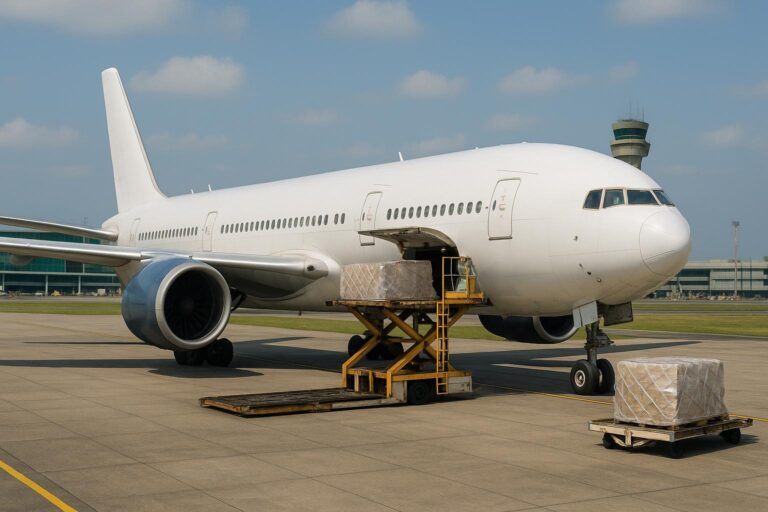
If your business depends on time-sensitive shipments or high-value goods, air freight from China to Nigeria offers the speed and reliable service necessary to keep your supply chain moving. Though generally more expensive than sea freight, air shipping significantly reduces transit time and provides additional benefits like enhanced security and real time tracking.
Air freight typically takes 5 to 10 days from major airports in China—such as Guangzhou (CAN), Shenzhen (SZX), or Shanghai (PVG)—to destinations like Lagos Murtala Muhammed International Airport.
Compared to the 35+ day sea shipping timeline, this method is ideal when you need faster delivery, especially for:
Electronics and mobile accessories
Fashion and textile products
Medical supplies or pharmaceutical goods
Spare parts or critical inventory items
Costs are calculated based on chargeable weight, which is determined by the greater of actual weight and volumetric weight. Below is a general guide for air freight rates:
| Air freight service from China to Nigeria | Weight Category | Air freight rates (USD/kg) |
|---|---|---|
| Air freight cost from Shanghai to Nigeria | 100 kg / 300 kg | $5.50 / $5.20 |
| Shipping air cargo from Shenzhen to Nigeria | 100 kg / 300 kg | $5.60 / $5.30 |
| What is the air freight rate from Guangzhou to Nigeria? | 100 kg / 300 kg | $5.55 / $5.25 |
| How much to ship air freight from Beijing to Nigeria? | 100 kg / 300 kg | $5.70 / $5.40 |
| Air cargo delivery pricing from Hong Kong to Nigeria | 100 kg / 300 kg | $5.30 / $5.00 |
| Air freight quote from Ningbo to Nigeria – per kg | 100 kg / 300 kg | $5.50 / $5.20 |
| Shipping air freight from Chengdu to Nigeria | 100 kg / 300 kg | $5.70 / $5.40 |
| Air freight rate from Qingdao to Nigeria – freight service | 100 kg / 300 kg | $5.60 / $5.30 |
| Updated air cargo rate from Zhengzhou to Nigeria | 100 kg / 300 kg | $5.65 / $5.35 |
| Air freight pricing from Yiwu to Nigeria – 100kg & 300kg | 100 kg / 300 kg | $5.75 / $5.45 |
Note: Rates vary depending on fuel surcharges, airline availability, and destination airport.
Air freight is considered cost effective when:
Shipping small but valuable items
Delivery speed is a priority
Goods are prone to damage or theft via sea shipping
You’re fulfilling urgent orders or seasonal sales
Many freight forwarders offer end-to-end transportation services, combining air freight with door to door service, customs clearance, and last-mile delivery to your warehouse or retail location in Nigeria. This makes air freight not only faster but also more efficient for busy importers.
For importers seeking a simplified international shipping experience, door to door delivery and DDP shipping (Delivered Duty Paid) are ideal solutions. These services take care of the entire logistics process, from pickup at the Chinese manufacturer to final delivery at your warehouse or office in Nigeria.
Door to door shipping is a full-service model where the freight forwarder manages everything, including:
Export pickup in China
Export customs clearance
Main transportation (by air freight or sea freight)
Import customs clearance in Nigeria
Last-mile delivery to your address
This method is especially popular among Nigerian importers with limited experience in freight handling or those operating small e-commerce businesses.
With DDP shipping, the seller or freight forwarder takes on full responsibility for:
Freight charges
Duties and taxes
Documentation
Delivery to destination
This model ensures the buyer incurs no additional charges, making budgeting easier and shipping expenses more predictable. It’s one of the most preferred shipping solutions for businesses who want to reduce shipping costs associated with customs errors, delays, or fines.
Zero stress on customs and paperwork
Transparent pricing and no hidden fees
Time savings with a faster logistics process
High customer satisfaction for end users
Available for both air freight and sea freight shipments
Whether you’re importing electronics, packaging materials, or consumer goods, DDP shipping is an efficient and cost effective way to streamline your supply chain.
Partnering with the right freight forwarder can make or break your shipping experience when importing from China to Nigeria. A reliable forwarder ensures timely international shipments, efficient customs clearance, and optimized shipping costs, tailored to your business model.
Look for a forwarder who regularly handles shipping from China to Nigeria and understands both countries’ regulations, customs requirements, and port operations. Familiarity with supplier’s location and destination port is crucial for time and cost efficiency.
Your freight forwarder should offer multiple shipping services, including:
Air freight and sea freight
LCL and FCL options
Door to door delivery
DDP shipping solutions
Real time tracking support
The ability to recommend the best shipping method based on your cargo type and budget is a major plus.
Avoid surprises by choosing a partner that provides clear breakdowns of charges—shipping fee, customs duty, handling costs, etc. They should also offer competitive pricing that reflects your actual shipping needs, not inflated flat rates.
Every shipment is unique. A quality freight forwarder will evaluate your shipping needs, cargo volume, and delivery urgency to propose the most cost-effective and reliable solution, helping you balance cost, speed, and risk.
Choosing the wrong forwarder can lead to:
Delayed deliveries
Extra charges or penalties
Miscommunication with suppliers
Customs issues in Nigeria
The right forwarder ensures a smooth logistics process from China to Nigeria, safeguarding your inventory, timelines, and reputation.
Understanding your total shipping costs is essential when deciding on the most suitable shipping mode for your cargo. Below is a comparative breakdown of current average rates in 2025 for both air freight and sea freight to Nigeria.
Weight Bracket | Route | Estimated Rate (USD/kg) | Transit Time |
|---|---|---|---|
100 kg | Shenzhen → Lagos | $4.50 – $6.50 | 5–10 days |
300 kg | Guangzhou → Abuja | $3.80 – $5.80 | 5–9 days |
500 kg | Shanghai → Port Harcourt | $3.50 – $5.50 | 6–10 days |
Air freight is ideal for high-value, urgent shipments that require faster delivery and better tracking, although it comes at a premium price.
Container Type | Route | Estimated Cost (USD) | Transit Time |
|---|---|---|---|
20ft Container | Ningbo → Lagos | $2,250 – $3,000 | 35–45 days |
40ft Container | Shanghai → Tin Can Island | $3,000 – $3,800 | 35–45 days |
LCL Shipping | Shenzhen → Port Harcourt | $60 – $100 per CBM | 38–48 days |
Sea freight is the most cost effective choice for container load or larger shipments, especially if time is not a critical factor.
Criteria | Air Freight | Sea Freight |
|---|---|---|
Cost | High | Low |
Transit Time | Fast (5–10 days) | Slow (35–45 days) |
Cargo Type Suitability | Light, urgent | Bulk, non-urgent |
Volume Flexibility | Limited to light goods | Ideal for full containers |
Customs Complexity | Simpler in most cases | Slightly more involved |
When deciding between the two, assess the shipping mode based on your budget, delivery timeline, and cargo type. For Nigerian businesses importing goods regularly, combining both air and sea freight options strategically can optimize supply chain efficiency and reduce long-term shipping expenses.
Whether you’re a new importer or an established Nigerian business, understanding how to reduce shipping costs is vital to keeping your operations profitable. Below are proven strategies to help you optimize your shipping process without compromising quality or delivery times.
Selecting the most suitable shipping method—air, sea, or express—based on your cargo type and urgency is the first step toward cost control.
Use air freight only when necessary (e.g., time-sensitive or high-value goods).
Opt for sea freight for heavy or bulk shipments where cost effectiveness is more important than speed.
For small commercial orders, express shipping might be cheaper than air freight when all costs are considered.
For sea freight, ensure your cargo fully utilizes a full container load (FCL) whenever possible. If your volume doesn’t fill a container:
Use LCL shipping to split the cost with other shippers.
Consider consolidating shipments from multiple suppliers in China to reduce per-unit costs and minimize port fees.
Avoid shipping during peak seasons (e.g., pre-Chinese New Year, back-to-school season, Black Friday) when shipping fees and container space are limited. Off-peak shipping helps secure competitive pricing and shorter lead times.
An experienced freight forwarder can recommend shipping options based on real-time market rates, optimal shipping routes, and local conditions at Nigerian ports. Their insights can help you:
Avoid unnecessary charges
Navigate customs clearance
Optimize inland transport from port to warehouse
Although slightly more expensive upfront, DDP shipping and door to door delivery often eliminate hidden costs like import taxes, demurrage, or unexpected last-mile charges—resulting in long-term savings.
Delays due to missing commercial invoices, incorrect HS codes, or regulatory issues can result in extra port fees or fines. Staying updated on Nigerian customs rules ensures smoother cargo flow and avoids financial surprises.
Efficient customs clearance is essential for the smooth flow of international shipments into Nigeria. Understanding the requirements, documentation, and charges involved helps Nigerian importers avoid delays, penalties, and additional customs clearance fees.
All importers must comply with regulations set by the Nigeria Customs Service (NCS). This includes:
Registering with the Federal Inland Revenue Service (FIRS) and obtaining a Tax Identification Number (TIN)
Registering with the Nigeria Trade Hub portal
Ensuring all imported goods are declared accurately
To clear your goods in Nigeria, the following documents are typically required:
Bill of Lading or Air Waybill
Packing List
Form M (approved by your Nigerian bank)
SONCAP Certificate (for regulated products)
Combined Certificate of Value and Origin (CCVO)
Clean Report of Inspection (CRI), if applicable
Incorrect or missing documentation may lead to shipping delays, demurrage, or cargo seizure.
Customs duties vary depending on the product category. Most goods are taxed based on the CIF value, which includes:
Cost of goods
Insurance
Freight
In addition to duties, importers may face:
Value Added Tax (VAT): Typically 7.5%
Excise Duty: On specific items like alcohol or tobacco
Levies: Depending on the product classification
Knowing these figures in advance helps you prepare your budget and manage your supply chain more effectively.
Double-check HS codes to avoid overpayment of customs duty
Ensure consistency between documents (invoice, packing list, etc.)
Choose a freight forwarder with customs expertise in Nigerian regulations
Plan for clearance times—especially at busy ports like Port Harcourt and Tin Can Island
For high-volume importing goods operations, consider Delivered Duty Paid (DDP) services, where your freight forwarder handles all compliance and documentation on your behalf.
Here are the most frequently asked questions by Nigerian businesses and importers looking to optimize their international trade from China:
It depends on your cargo volume and urgency. Sea freight is the most cost-effective for large shipments, while air freight is better for time sensitive shipments. For smaller parcels, express shipping is fast and easy.
Estimated delivery time varies by shipping mode:
Air freight: 5–10 days
Sea freight (FCL/LCL): 35–45 days
Express courier: 3–7 days (door to door)
The cheapest shipping method is LCL sea freight for small volumes, or FCL for full container loads. Avoid peak seasons and consolidate shipments when possible to further reduce shipping costs.
Yes, most freight forwarders and couriers offer real time tracking. For door to door or DDP shipments, your logistics provider should also keep you updated at each milestone.
You can use a consolidation service, where your forwarder gathers all goods from different supplier’s locations, combines them into one container load, and ships as a single cargo. This helps streamline the logistics process and cut costs.
No. You can delegate this to a licensed freight forwarder or use DDP shipping, where all customs clearance is handled for you. It’s a convenient solution, especially for first-time Nigerian importers.
Key major Chinese ports include:
These cities offer direct routes, competitive rates, and access to top transportation services.
Absolutely. Many shipping companies in Nigeria offer door shipping solutions tailored to e-commerce sellers and SMEs, providing reliable service even for small batch orders.
Useful freight, customs and importing resources related to this shipping guide.
Illustration of shipping from China to Nigeria featuring a cargo ship with China and Nigeria flags, symbolizing international freight routes.
Read guide →
Shipping from China to Nigeria has become one of the most important pillars of international trade in West Africa. Nigeria’s expanding consumer m...
Read guide →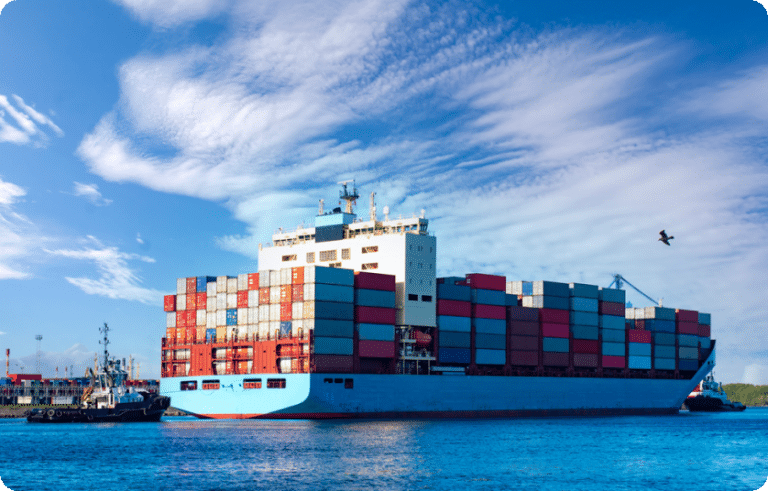
Sea freight is the most cost effective shipping method for large volumes and container load cargo. It is ideal for businesses looking to reduce s...
Read guide →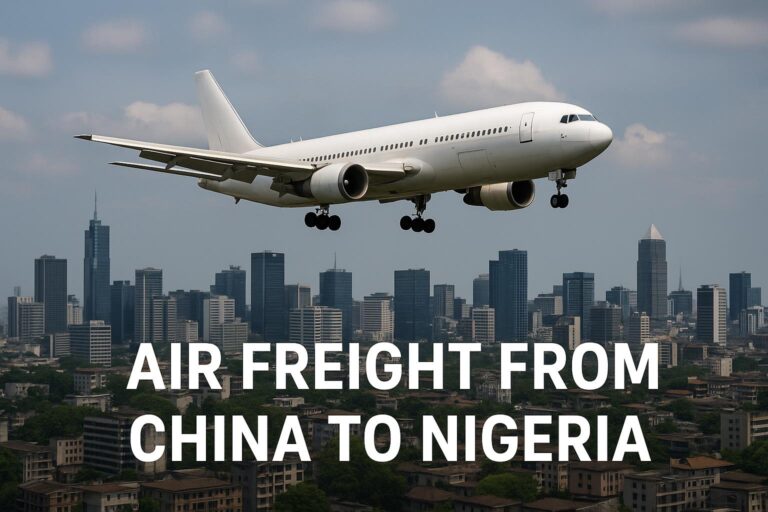
The trade relationship between China and Nigeria has grown significantly in recent years, making Nigeria one of the most important destinations f...
Read guide →DDP shipping from China includes customs clearance, import duties, and final delivery. It is a convenient door to door service with clear and pre...
Learn more → Useful Resource 20FT & 40FT Container Shipping Costs from China to Nigeria20FT & 40FT Container Shipping Costs from China to Nigeria Verified & Reviewed · Last updated June 2026 20ft 40ft Container Shipping Costs from C...
Learn more →WhatsApp us