

Drayage in the USA Explained: Services, Costs, Types, and How It Works
- Verified & Reviewed · Last updated March 2026
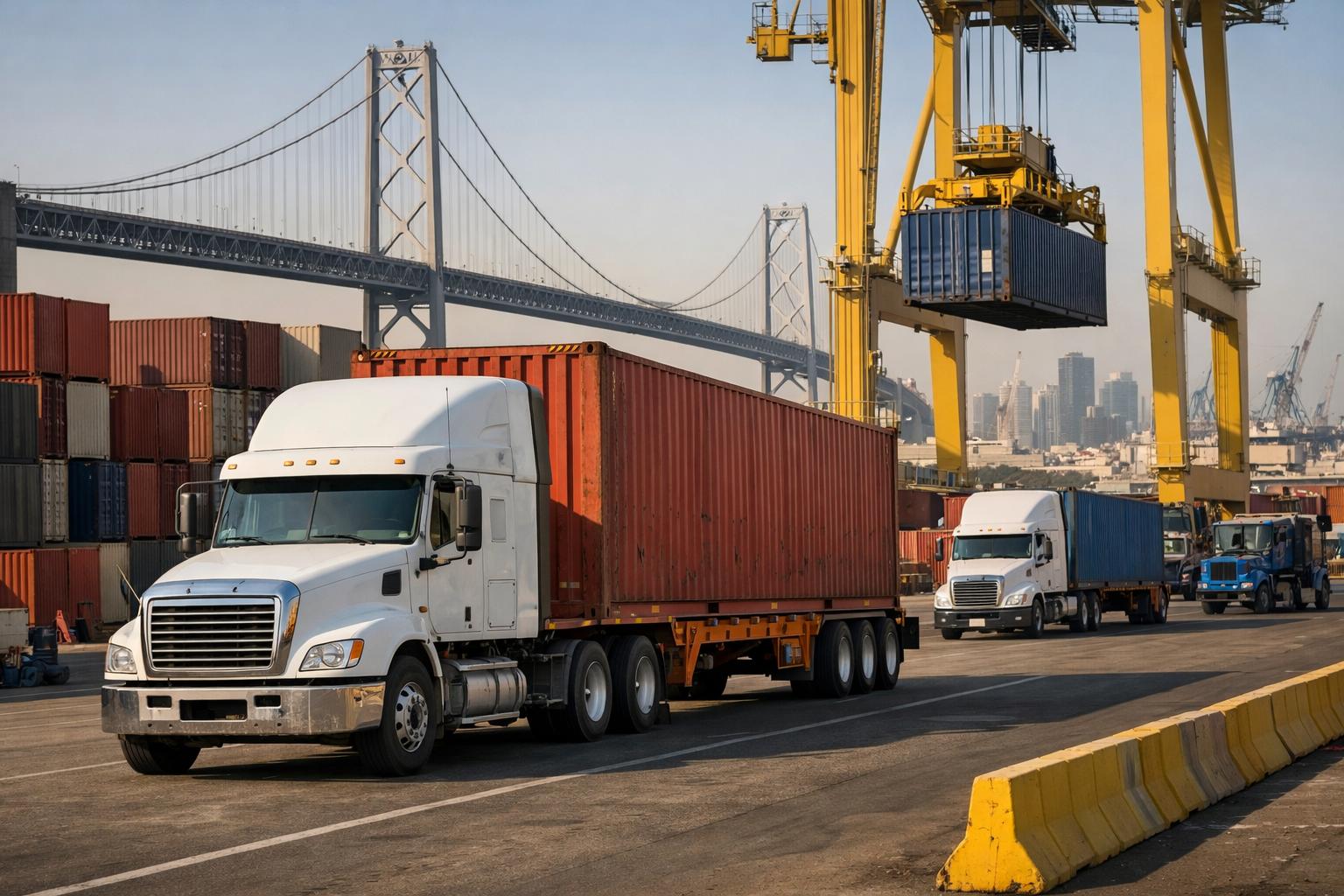
Drayage in the USA explained means one thing for importers: short distance container moves that connect ocean ports, rail ramps, rail terminal gates, and nearby facilities so cargo can keep flowing through the supply chain.
This guide breaks down drayage services, drayage costs, drayage carriers, drayage operations, and the full drayage process, so you can plan pickups, avoid delays, and reduce surprise fees.
Drayage services
Costs & fees explained
Ports, rail ramps & terminals
- Experienced China-based logistics specialists
Table of Contents
What Drayage Means in U.S. Logistics
Drayage in the USA refers to short distance transportation of shipping containers, typically by truck, between major transportation hubs such as ocean ports and port facilities, a rail terminal, rail ramps, and nearby rail yard locations. It connects different transportation modes and keeps the shipping process moving.
Who do drayage services serve?
Drayage services serve the cargo owner and the party responsible for inland delivery. In most import scenarios, that means the importer or consignee, moving containerized cargo from a terminal to nearby warehouses or distribution centers on the way to the final destination. In export and intermodal shipping, drayage may also serve shippers and freight forwarders who arrange local moves as part of broader freight transportation.
Who performs drayage in the USA?
Drayage is executed by local drayage carriers or drayage providers. The work is performed by drayage drivers using a drayage truck and chassis to pick up containers at port facilities or a rail terminal, transport them over a short distance, and return the empty container according to terminal rules to reduce delays and extra drayage fees.
Drayage Costs at a Glance
In the USA, drayage costs are the total price to move a shipping container a short distance between a port or rail terminal and a nearby warehouse, rail ramp, rail yard, or distribution center. A drayage quote is usually made up of two parts: a base drayage charge and accessorial charges.
What’s included in drayage costs
| Cost item | What it covers | When it usually applies |
|---|---|---|
| Base drayage charge | Dispatch + pickup + delivery within a defined local area | Most moves |
| Chassis fee | Chassis use billed separately from the base | When chassis is not included or days exceed allowance |
| Waiting time | Driver delays at terminal or delivery | Congestion, missed appointment windows, slow unloading |
| Pre-pull / yard move | Pulling the container out and staging for later delivery | Tight free time, appointment shortages, warehouse not ready |
| Drop fee | Dropping the container and returning later to pick up the empty | Drop-and-pick service, limited dock time |
| Fuel surcharges | Variable adjustment tied to fuel and lane conditions | Often applied as a separate line item |
| Storage | Temporary storage at a yard before delivery | When delivery cannot be completed on schedule |
Where Drayage Fits in the Supply Chain
Drayage is the short local link that connects major transportation modes in the shipping process. It keeps the supply chain moving by bridging the gap between ocean ports, rail terminals, and the places where cargo is actually received.
You’ll typically see drayage in three points of the flow:
Port to nearby facility: moving a container from port facilities to nearby warehouses or distribution centers after ocean freight arrival.
Port to rail for intermodal shipping: hauling containers from the port to rail ramps or a rail terminal so rail can handle the long-distance leg.
Rail to final delivery: picking up containers from a rail yard and delivering to the consignee or a local facility near the final destination.
In short, drayage is the connector that turns ships, trains, and trucks into one working supply chain.
How Container Drayage Works Step by Step
Understanding drayage operations is easiest when you follow the actual drayage process used to move containers.
Step 1: The container arrives at the terminal
The container arrives after discharge from a container ship at port facilities. Holds must be cleared before dispatch.
Step 2: Carrier release and pickup planning
Your transportation provider or freight forwarders confirm release, verify pickup details, and confirm chassis options and equipment availability.
Step 3: The drayage truck picks the container
A drayage truck picks the box at the gate with the required interchange steps. This is transporting shipping containers under strict terminal rules.
Step 4: Delivery to nearby facilities
The box moves to nearby warehouses, distribution centers, a CFS, or a transload site for cargo handling and onward movement.
Step 5: Return of the empty container
After unloading, the empty container is returned to the designated depot or port location based on current return instructions.
Step 6: Closeout and billing
The drayage process ends with paperwork, timestamps, and accessorial review so you can validate drayage fees and operational expenses.
Types of Drayage Services You’ll See in the USA
Below are the types of drayage services most U.S. importers encounter. The names differ by region, but the functions are consistent across the logistics industry.
Port drayage from ocean ports to nearby warehouses and distribution centers
Pier drayage for moves around the pier, terminal, and off-dock yards
Intermodal drayage between port and rail terminal, plus ramp-to-warehouse
Shuttle drayage to reposition containers during port congestion
Expedited drayage for urgent pickups and tight delivery windows
Door to door drayage when the drayage leg is packaged as part of a full delivery solution
Port Drayage and Pier Drayage Basics
Port drayage is the most common import move
Port drayage is the classic short distance move from a marine terminal to the consignee’s door, a yard, or a transload facility. It is heavily affected by appointments and port congestion, especially during peak import weeks.
Pier drayage for terminal-area repositioning
Pier drayage often covers terminal-to-yard or terminal-to-nearby facilities moves. Many drayage operations use pier drayage when empty return rules shift, when a box must be staged, or when temporary storage is needed.
Intermodal Drayage, Intermodal Transportation, and Rail Nodes
Intermodal drayage connects port and rail
Intermodal drayage links ocean ports to a rail terminal, then supports the destination-side delivery after rail linehaul. This is a core pattern in intermodal transportation.
Intermodal shipping is a system, not a single move
Intermodal shipping combines rail and drayage to reduce long-haul road miles. It is one of the most important transportation modes for U.S. inland distribution.
Inter-carrier and intra-carrier drayage
Inter carrier drayage moves containers between different transportation companies, such as from a steamship line terminal to a rail operator facility.
Intra carrier drayage stays inside the same carrier’s network, moving between two nodes within that carrier’s network.
Rail terminal, rail yard, and rail ramps explained
A rail terminal is where containers transfer between rail and truck. Cutoff times, appointments, and yard flow affect drayage operations.
A rail yard stores and stages containers. Backups here can ripple through delivery schedules.
Rail ramps are the pickup and drop points for the truck side of intermodal moves. Drayage costs can shift based on which rail ramps are used and when.
Drayage Truck, Chassis, and Equipment Availability
The drayage truck is time-sensitive equipment
A drayage truck is not priced like normal trucking because terminal time is unpredictable. Drayage drivers often lose hours in queues, especially during port congestion and limited appointment windows.
Chassis rules affect cost and speed
Chassis is the rolling base used for transporting containers. In many U.S. lanes, chassis supply changes daily. Equipment availability can be the difference between an on-time pickup and missed free time.
When specialized equipment is required
Overweight boxes, out-of-gauge loads, or special terminal rules may require specialized equipment. This affects routing, appointments, and operational expenses.

Demurrage fees
Demurrage fees are charged when a loaded container stays at port facilities or a rail terminal beyond the free time allowed. This usually happens when the container is available but cannot be picked up due to holds, missed appointments, or port congestion.
Detention fees
Detention fees apply when the container remains outside the terminal too long before the empty container is returned. This is often caused by slow unloading, limited receiving hours, weekends, or changing empty return instructions.
How to avoid both
Plan drayage operations around:
confirmed pickup windows
warehouse receiving appointments
fast unload scheduling
early empty return strategy
Door to Door Drayage: When It Applies
Door to door drayage applies when the local container move is managed as a single, accountable delivery step from a port facility or rail terminal to your receiving address. It is often bundled into a broader delivery plan so the importer has fewer handoffs and clearer responsibility for execution.
Why importers choose it
Importers typically use door to door drayage when they want one party to coordinate scheduling, dispatch, and exception handling, especially when terminal appointments are tight or delivery windows are strict. The value is operational control, not just mileage.
What it usually covers
Depending on the provider, door to door drayage may include pickup scheduling after release, delivery appointment coordination, chassis coordination when required, and managing empty container return steps.
How to Choose Drayage Providers and Drayage Carriers
Drayage providers vs drayage carriers
Drayage providers may broker capacity and manage dispatch, while drayage carriers operate trucks directly. Either can perform well if they control appointment execution and communicate clearly.
What to look for in a trucking company
A strong trucking company for drayage should offer:
proven port and rail terminal coverage
a clear chassis plan and transparent accessorial rules
reliable appointment execution at ocean ports and rail ramps
fast communication when holds or gate issues appear
The role of freight forwarders
Freight forwarders often coordinate drayage as part of a broader shipping process. They can help select drayage carriers, manage documentation and release steps, and keep intermodal transportation on schedule, especially for international shipments.
Cost Control Playbook and Common Mistakes
Drayage costs are easiest to control when you control time. Most surprise charges come from missed pickup windows, slow unloading, and late empty returns, not from the short distance itself.
Cost control playbook
Clear holds early: confirm customs and carrier release so the container can be picked up as soon as it is available.
Book appointments fast: appointment availability is often the real constraint at port facilities and rail terminals.
Match the warehouse schedule: align receiving hours, labor, and dock appointments before dispatch.
Turn the container quickly: plan unloading so the empty container can be returned without delay.
Use pre-pull only with purpose: pre-pull and temporary storage make sense when they prevent higher costs such as demurrage.
Confirm return instructions: empty return locations change, and wrong returns create extra moves and fees.
Common mistakes importers make
Treating drayage like normal trucking: terminal rules, appointments, and equipment cycles change the cost structure.
Assuming short distance means cheap: time at the gate can cost more than mileage.
Requesting quotes with missing details: container size, weight, terminal name, delivery ZIP, and receiving hours all affect execution.
Ignoring the empty return plan: late returns are a direct path to detention fees.
If you apply the playbook above, your drayage operations become more predictable and total landed cost becomes easier to manage.
Frequently Asked Questions
Drayage is short distance trucking tied to terminals, moving shipping containers between ocean ports, rail yard ramps, rail terminal nodes, and nearby facilities.
Yes. Drayage is a key part of freight transportation because it connects transportation hubs and transportation modes into one working system.
Because drayage services are exposed to terminal delays, appointment limits, and equipment cycles. Those risks show up as accessorials like fuel surcharges, a drop fee, waiting time, and yard fees.
Container drayage is the local container move in general. Intermodal drayage is the local move that connects rail and truck in intermodal transportation.
Choose reliable drayage carriers, confirm appointments, plan unloading, and return the empty container quickly. This is the most practical way to reduce demurrage fees and detention fees.
Related U.S. Drayage & Port Guides
Get a Drayage Quote in the USA
Predictable drayage costs and clear accessorials
Port & rail ramp pickup, warehouse delivery, empty return support
Reliable drayage carriers coordinated by Tonlexing
Get fast pickup scheduling, transparent pricing, and end-to-end support for your container drayage.