Related Guide
Drayage in the USA Explained
Drayage in the USA Explained: Services, Costs, Types, and How It Works Verified & Reviewed · Last updated March 2026 Drayage in the USA explained...
Read guide →

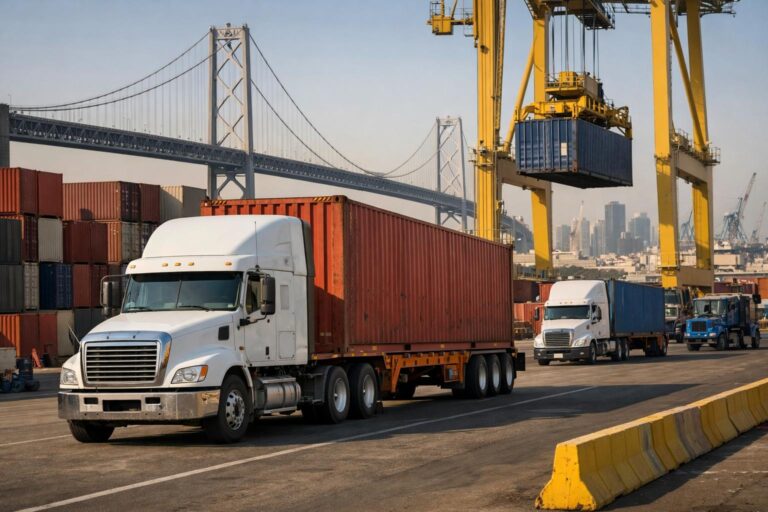
Oakland port drayage connects the Port of Oakland with warehouses and distribution centers across the Bay Area and Northern California. Services include container pickup, chassis coordination, transloading, and empty returns.
This 2026 guide covers drayage costs, delivery times, terminal procedures, and inland trucking to San Francisco, San Jose, Tracy, Stockton, and Sacramento. Tonlexing helps coordinate port pickup and delivery for shipments arriving from China.
Drayage Costs
Transit Times
Port Pickup
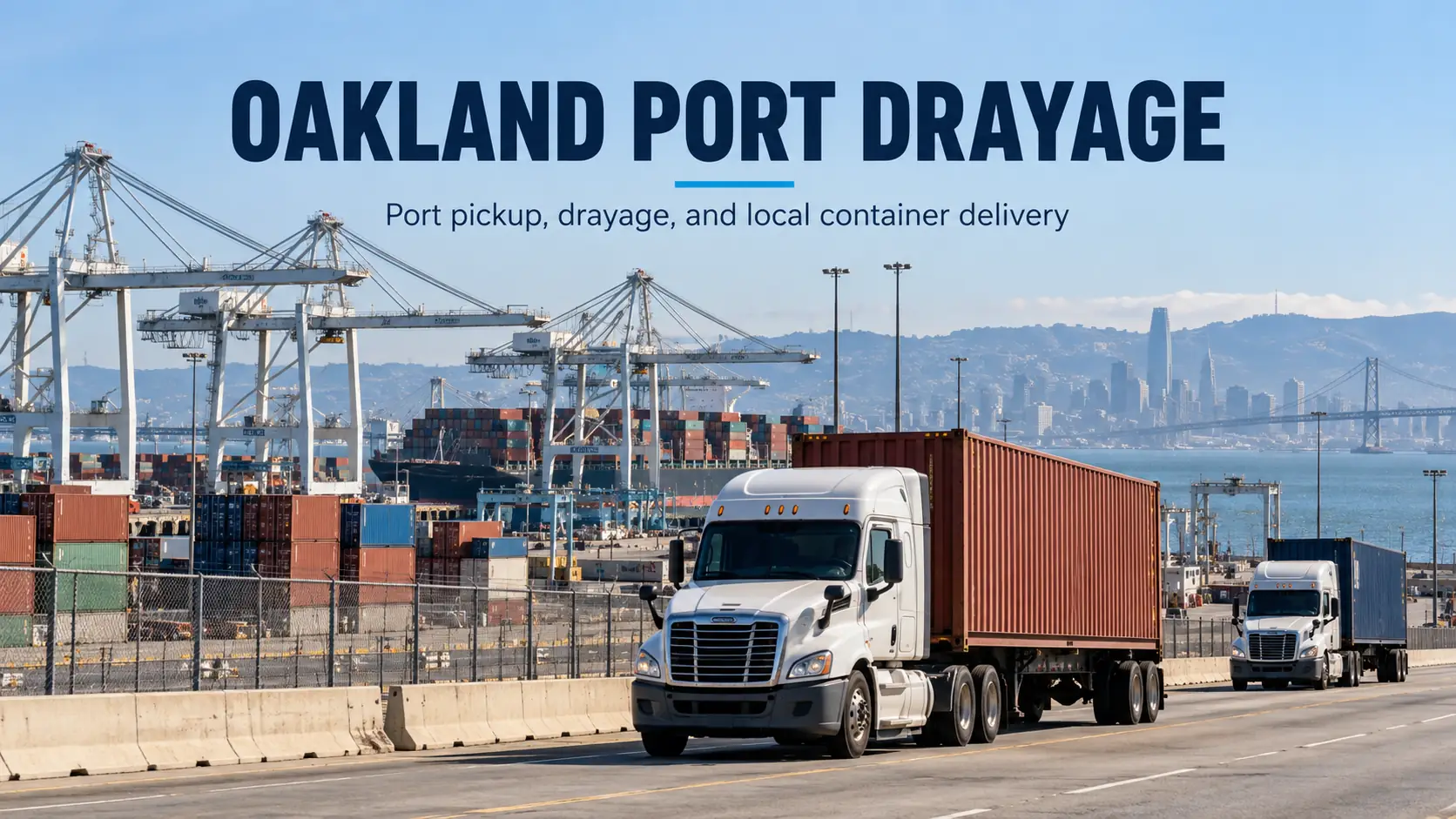
Container drayage moves loaded and empty shipping containers between Oakland marine terminals and nearby logistics facilities. These movements support import distribution, export shipments, and intermodal transportation across Northern California.
Oakland drayage services can accommodate different container sizes and transportation requirements.
| Service | Description |
|---|---|
| 20ft Container Drayage | Transportation of standard 20-foot containers |
| 40ft and 40HQ Drayage | Pickup and delivery of 40-foot standard and high-cube containers |
| Reefer Trucking | Temperature-controlled cargo transportation with suitable equipment |
| Overweight Container Drayage | Heavy container movements requiring appropriate equipment and permitted routing |
| Terminal-to-Warehouse Delivery | Direct transportation from marine terminals to local warehouses |
| Intermodal Drayage | Container transfers between terminals and rail facilities |
Hazardous cargo transportation may also be arranged through appropriately authorized carriers, subject to cargo classification and equipment availability.
Local trucking often works alongside other logistics services, especially when cargo must travel beyond the Bay Area.
Transloading: Transfer goods from ocean containers into domestic trailers, commonly 53-foot trailers, for inland transportation.
Cross-docking: Move cargo between vehicles with minimal storage time.
Warehousing: Arrange temporary storage, pallet handling, and distribution.
Rail connections: Coordinate cargo transfers involving Oakland-area intermodal terminals and inland rail services.
For larger imports, coordinating trucking, warehousing, and inland transportation can simplify distribution and empty container returns.
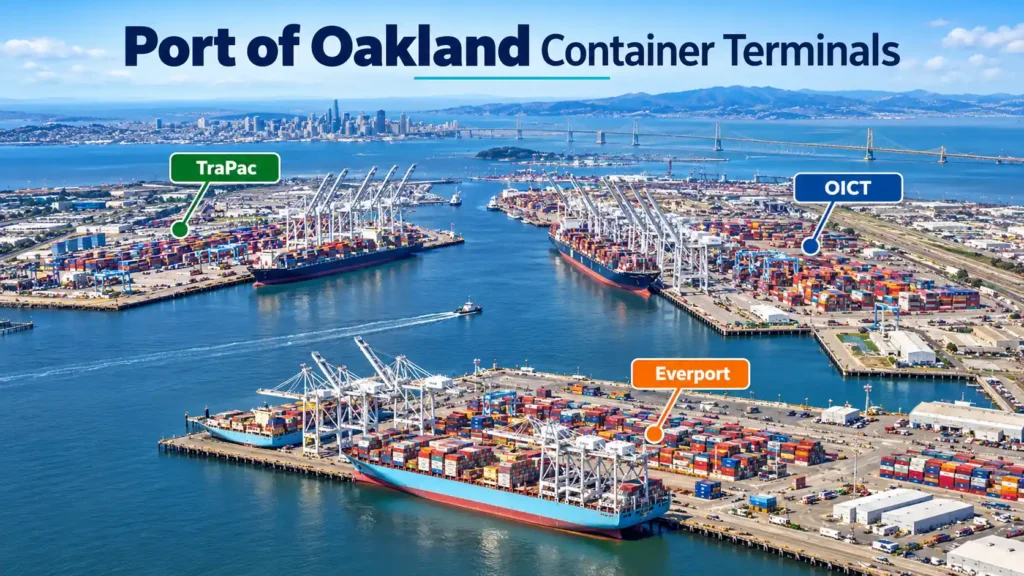
The Port of Oakland is a major international cargo gateway serving the San Francisco Bay Area and Northern California. Pickup arrangements depend on the terminal assigned by the shipping line.
Major marine terminals include:
| Container Terminal | Location | Drayage Considerations |
|---|---|---|
| Oakland International Container Terminal (OICT) | 1717 Middle Harbor Road, Oakland, CA | Confirm the designated gate, cargo availability, and pickup requirements |
| TraPac Terminal | 2800 7th Street, Oakland, CA | Check appointments, gate schedules, and equipment availability |
| Everport Terminal | 5190 7th Street, Oakland, CA | Verify release status, terminal access, and empty return instructions |
The assigned terminal is determined by the ocean carrier and vessel service. Importers should confirm terminal information from the arrival notice rather than assume all Oakland shipments use the same facility.
Before dispatch, the trucking provider should confirm customs and shipping line releases, settled terminal charges, and pickup availability.
Gate schedules, appointment availability, congestion, and chassis availability can affect collection times.
The Port of Oakland provides terminal information and truck turn-time monitoring through its Oakland Portal. Checking these updates before dispatch helps reduce unnecessary waiting.
Oakland drayage costs depend on container size, delivery distance, chassis availability, and terminal requirements. Local container trucking generally costs $300–$550 in base transportation charges, while longer routes to the Central Valley or Nevada are more expensive.
The following 2026 rates are indicative market estimates, not fixed carrier quotations.
| Equipment Type or Route | Estimated Base Cost (USD) |
|---|---|
| 20ft – Local Oakland Delivery | $300–$475 |
| 40ft – Local Oakland Delivery | $350–$550 |
| Central Valley – Tracy, Stockton, Fresno | $700–$1,400 |
| Oakland to Reno, Nevada | $1,200–$2,200 |
Base rates generally cover terminal pickup, trucking to the delivery location, and the agreed empty return. Fuel, chassis rental, and additional terminal services may be charged separately.
Additional charges can increase the final invoice when shipments require special equipment or experience delays.
| Additional Charge | Typical 2026 Cost |
|---|---|
| Fuel Surcharge | 10%–25% of base trucking rate |
| Chassis Rental | $35–$60 per day |
| Chassis Split | $100–$150 |
| Extended Gate Fee | Around $55 per move where applicable |
| Overweight Hauling Surcharge | $200–$500 |
| Driver Waiting Time | $75–$125 per hour |
These figures are budgeting estimates. Actual charges depend on the trucking provider, applicable terminal tariff, and service conditions.
Containers held beyond their permitted free time may incur additional daily charges.
Demurrage: Budget approximately $150–$350+ per day when applicable. Actual terminal and ocean carrier charges vary and may increase with additional overdue days.
Detention (Per Diem): Budget approximately $75–$200+ per day for late equipment returns, depending on the shipping line and equipment type.
Driver Waiting Time: Common budgeting estimates are $75–$125 per hour after the included waiting period, often around 1–2 hours.
Demurrage, detention, and terminal storage are not interchangeable charges, and their billing arrangements differ by shipment.
To receive an accurate Oakland trucking quote, provide the container size, pickup terminal, delivery ZIP code, cargo weight, and expected pickup date. Tonlexing can help coordinate trucking arrangements and identify applicable charges before delivery.
Oakland’s location provides trucking access to the Bay Area, Central Valley, and Northern California distribution network.
Once a container is released and available for pickup, many nearby deliveries can be completed within one business day. Longer movements or restricted delivery appointments may require additional time.
| Delivery Destination | Estimated Time After Pickup |
|---|---|
| Oakland, San Leandro, Hayward | Same day |
| San Francisco, Fremont, San Jose | Same day |
| Tracy and Stockton | Same day to 1 business day |
| Sacramento | 1 business day |
| Fresno | 1–2 business days |
| Reno, Nevada | 1–2 business days |
These are estimated trucking and delivery times after successful pickup, not guaranteed terminal release times. Traffic, weather, warehouse appointments, and equipment requirements can change the schedule.
Terminal congestion, customs inspections, chassis availability, and warehouse operating hours can delay delivery even when the destination is close to the port.
Truck turn time is another important consideration. The time spent entering, processing, and exiting a marine terminal varies throughout the day. Importers should allow for terminal operations rather than treating road driving time as the entire delivery schedule.
For time-sensitive shipments, early appointment planning and accurate receiving information can help avoid missed delivery windows.
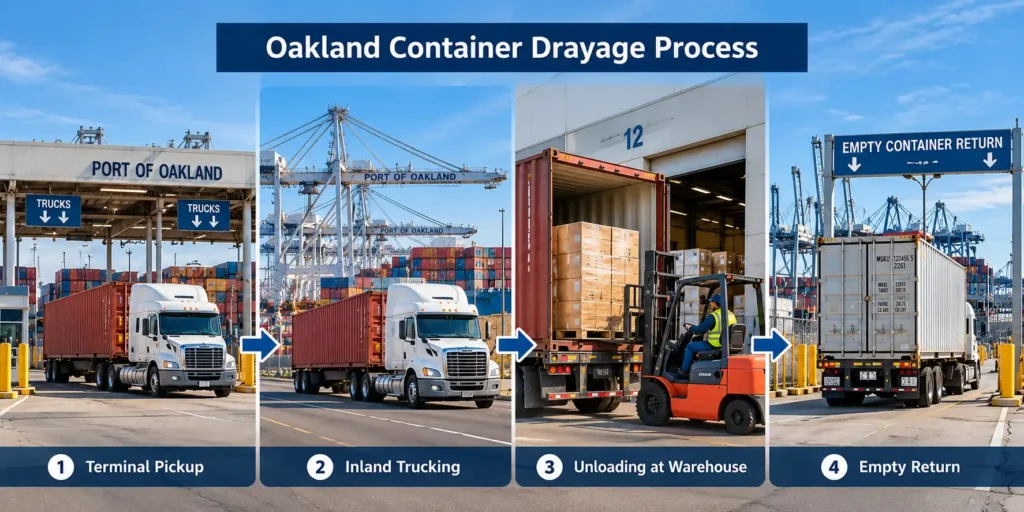
A successful pickup requires coordination between the ocean carrier, customs broker, marine terminal, trucking provider, and receiving warehouse.
Vessel arrival: The ocean container reaches its assigned Port of Oakland terminal.
Cargo release: The importer or customs broker completes the required customs procedures, and the shipping line authorizes cargo release.
Pickup scheduling: The trucking provider verifies container availability, terminal requirements, and pickup arrangements.
Collection: An authorized driver collects the container using suitable trucking equipment.
Final delivery: The shipment is transported to a warehouse, distribution center, or approved receiving facility.
Empty return: After unloading, the empty container is returned according to the shipping line’s instructions.
The process can change when shipments require customs examinations, transloading, temporary storage, or rail transportation.
Typical shipment information includes the bill of lading or shipment reference, container number, shipping line release information, customs release status, terminal details, and delivery instructions.
An accurate container number and destination address are especially important when arranging trucking appointments.
Importers unfamiliar with U.S. procedures should review how to import from China to USA before the shipment arrives. Advance documentation planning can also help reduce customs holds and delivery disruptions.
Tonlexing can help coordinate international freight, customs documentation, and destination trucking arrangements to support a more organized container delivery process.
Delays in container pickup and empty returns can lead to additional charges at the Port of Oakland. Importers should understand three common fees:
Demurrage: Charges when containers remain at the terminal beyond the allowed free time.
Detention: Charges when shipping line containers are not returned within the permitted period.
Storage: Additional charges for cargo or equipment held at terminal or off-dock facilities.
Free-time allowances and applicable fees vary by carrier, terminal, and shipping agreement.
Complete customs clearance early: Prepare shipping documents before arrival to avoid unnecessary release delays.
Monitor free-time deadlines: Confirm the last free day with the terminal and ocean carrier.
Schedule trucking in advance: Arrange pickup appointments and chassis availability before the deadline.
Prepare the receiving warehouse: Confirm unloading space, equipment, and delivery appointments.
Coordinate empty returns: Check return locations, equipment acceptance, and cutoff times.
If terminal free time is approaching, a pre-pull to an off-dock facility may help avoid demurrage, but additional handling and storage costs should be considered.
For more information, see the differences between demurrage, detention, and storage.
For businesses shipping from China to the USA, delivery does not end when the vessel reaches Oakland. Customs clearance, terminal pickup, inland transportation, unloading, and empty returns must work together.
Tonlexing helps international importers coordinate ocean freight and destination logistics through appropriate service partners. Depending on shipment requirements, arrangements may include terminal-to-warehouse trucking, transloading, temporary warehousing, and inland delivery.
Businesses requiring door-to-door shipping from China to USA can coordinate the ocean transportation and destination delivery stages within a broader freight forwarding plan.
To receive a shipment-specific quotation, provide the following details:
Container size and cargo weight
Assigned terminal or vessel arrival information
Delivery address and ZIP code
Expected container availability date
Any special handling, storage, or equipment requirements
Contact Tonlexing for an Oakland trucking quote to coordinate terminal pickup, inland transportation, and delivery while accounting for applicable deadlines.
Rates vary by container size, delivery distance, and additional services. Short-haul moves may cost several hundred dollars, while longer routes or specialized loads can cost more. Request a route-specific quote for accurate pricing.
Many Bay Area deliveries can be completed on the same day after pickup. Tracy, Stockton, and Sacramento deliveries may take the same day to one business day, depending on scheduling and terminal availability.
Major facilities include Oakland International Container Terminal, TraPac, and Everport. The applicable terminal depends on the ocean carrier and vessel service.
Yes. Standard 40ft and 40HQ containers are commonly transported through Oakland drayage operations, subject to cargo weight and equipment requirements.
Provide the terminal, container size, cargo weight, delivery ZIP code, expected availability date, and any special handling requirements.
Useful freight, customs and importing resources related to this shipping guide.
Drayage in the USA Explained: Services, Costs, Types, and How It Works Verified & Reviewed · Last updated March 2026 Drayage in the USA explained...
Read guide →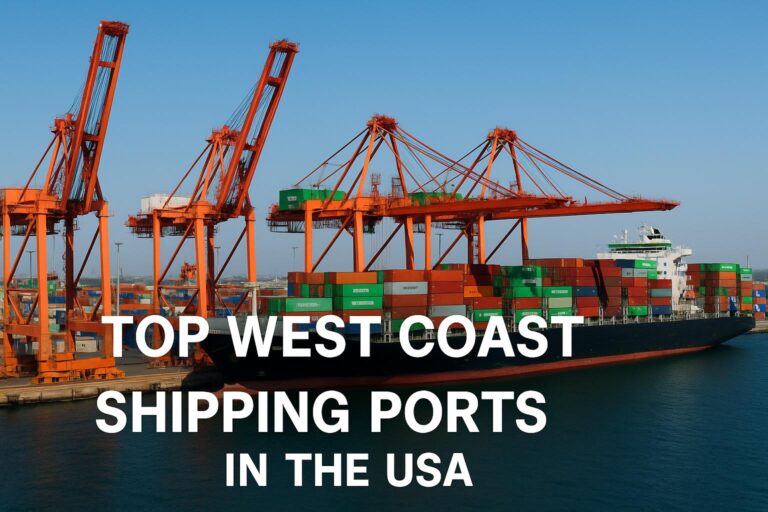
The top West Coast shipping ports in the USA play a vital role in supporting international trade, facilitating container shipping, and driving ec...
Read guide →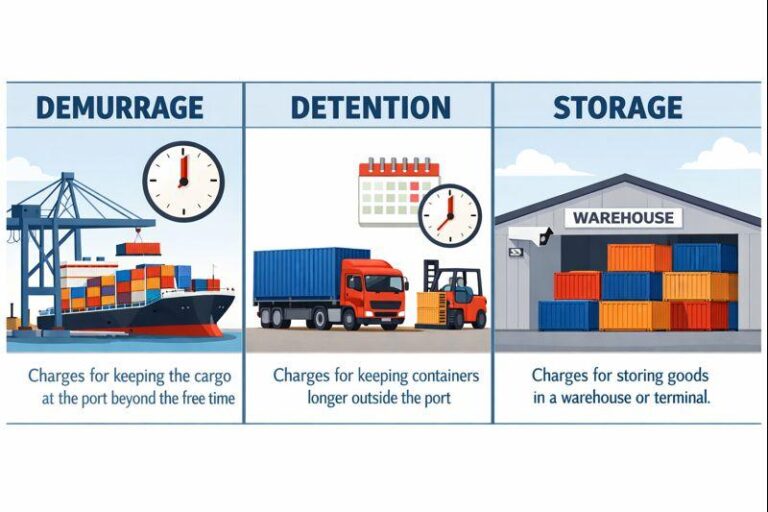
Demurrage vs Detention vs Storage Verified & Reviewed · Last updated January 2026 Demurrage vs detention vs storage is one of the most expensive...
Read guide →
When dealing with international shipping, one of the common costs importers and exporters encounter is Terminal Handling Charges (THC). These cha...
Read guide →Customs Bond for USA Imports: The Complete Guide Verified & Reviewed · Last updated March 2026 If you import into the United States, a customs bo...
Learn more → Useful Resource 20FT & 40FT Container Shipping Rates from China to USA20ft & 40ft Container Shipping Rates from China to USA Verified & Reviewed · Last updated June 2026 20ft and 40ft container shipping rates from C...
Learn more →WhatsApp us