

Shipping from China to Brazil – Sea, Air & DDP in 2026
Fast, reliable shipping from China to Brazil for B2B importers,
industrial cargo, and general goods.
Compare sea freight, air freight, and DDP options with clear transit times,
costs, and customs handling — before you book.
Sea freight: 30–55 days
Air freight: 4–9 days
DDP: 12–25 days (Door-to-door)
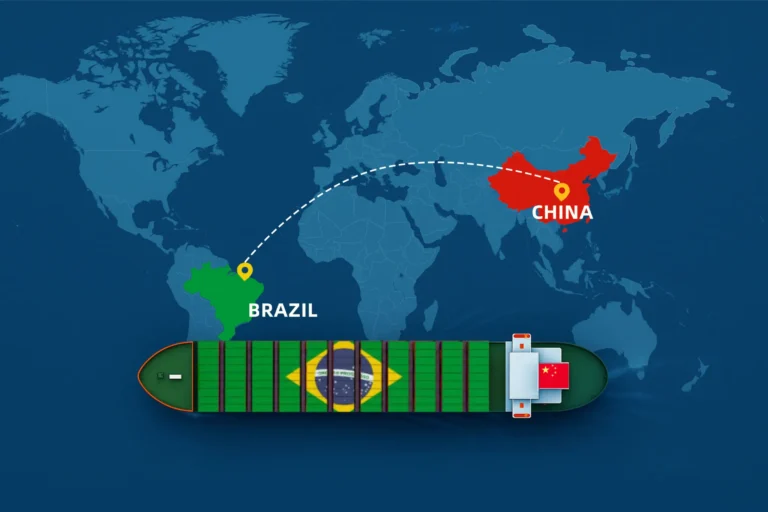
- Experienced China-based logistics specialists
Shipping Methods from China to Brazil
Compare China–Brazil shipping options by transit time, landed cost, and clearance—especially for delivery to São Paulo and major port cities.
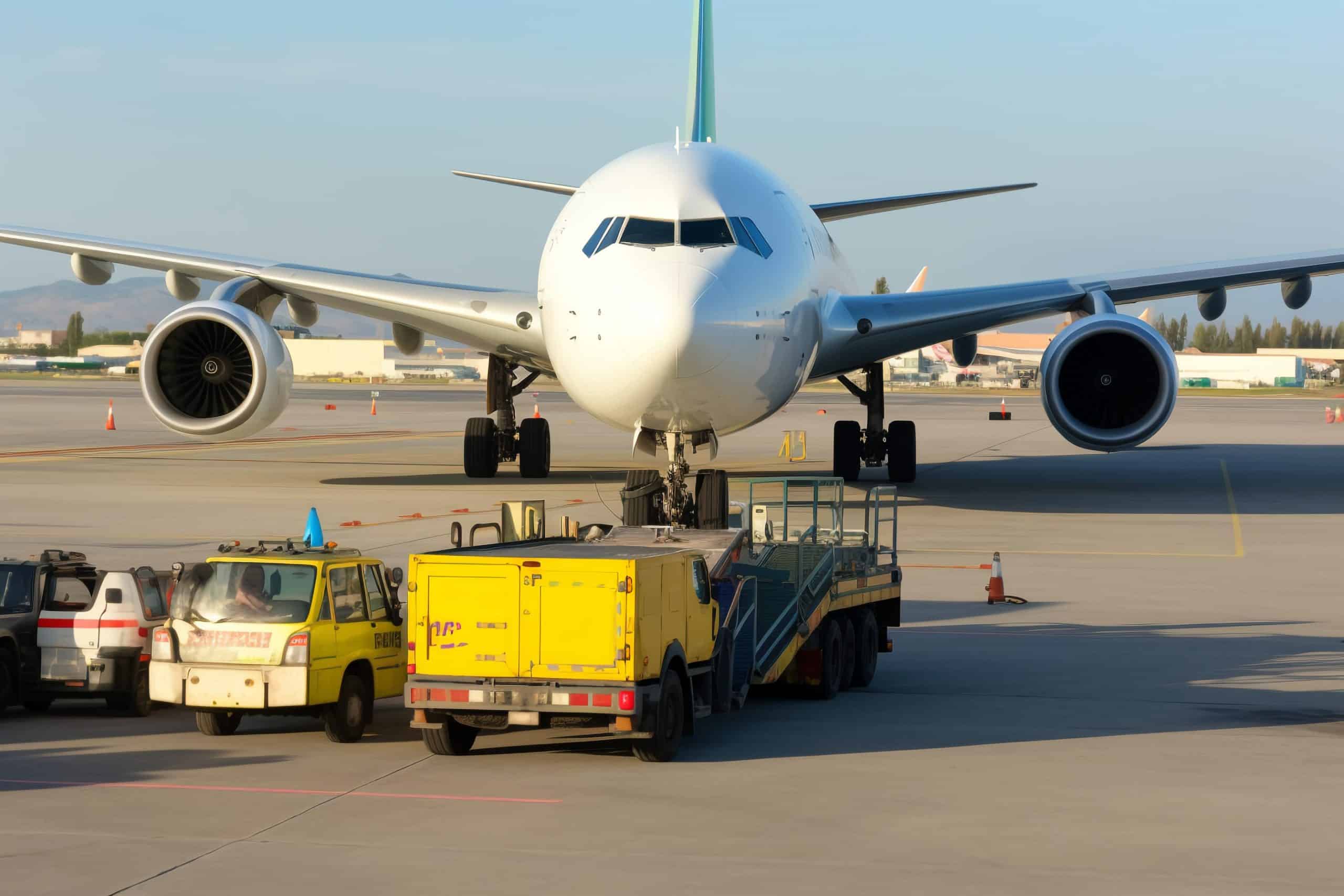
Air Freight
Fast air shipping to São Paulo for urgent cargo.
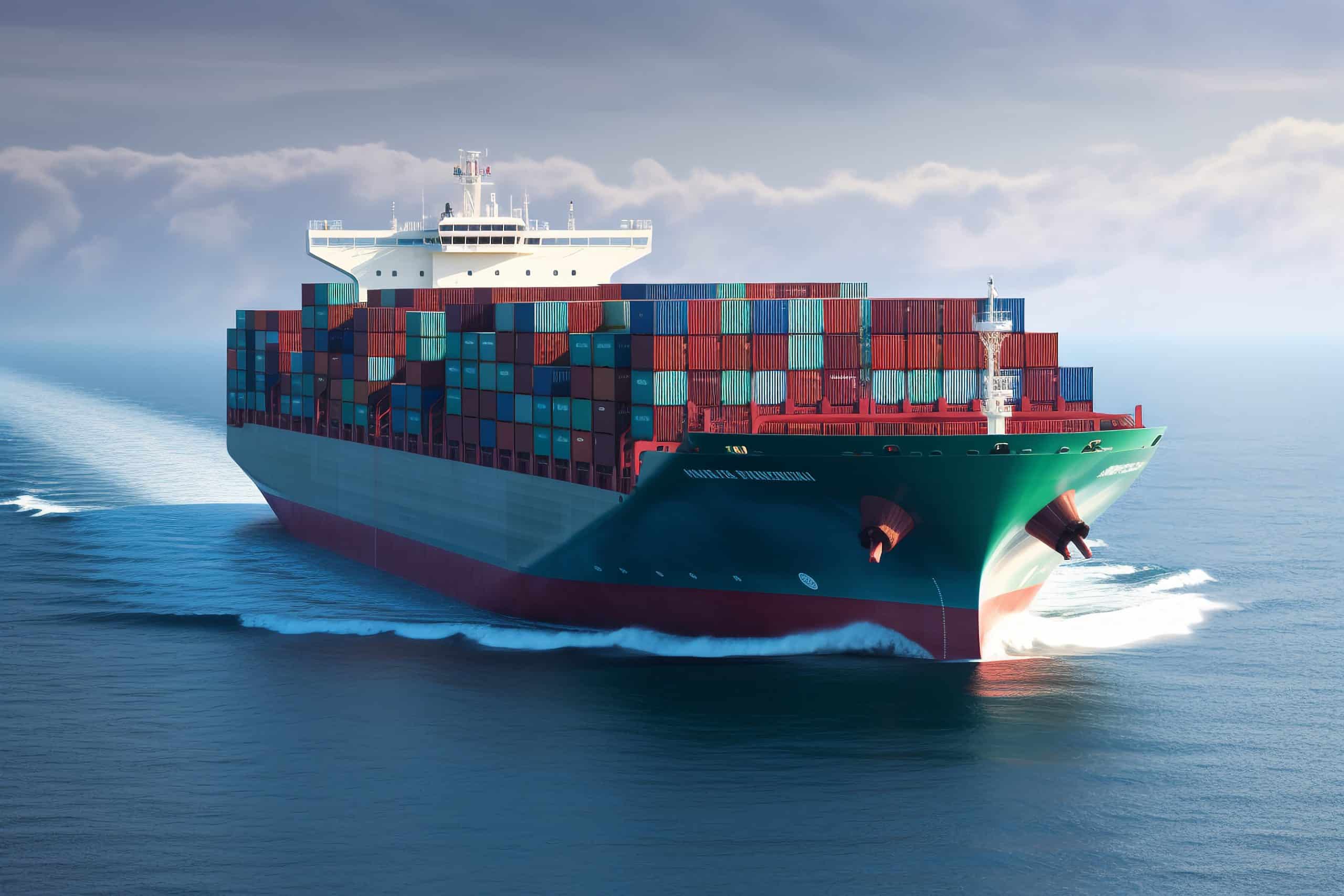
Sea Freight (FCL & LCL)
FCL/LCL to Santos, Rio de Janeiro, and Paranaguá ports.
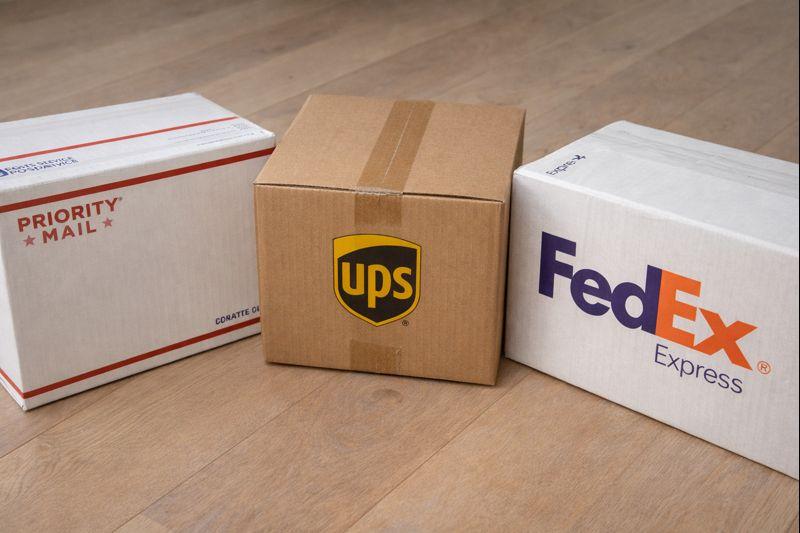
Express Shipping
Best for small parcels, samples, and documents to Brazil.
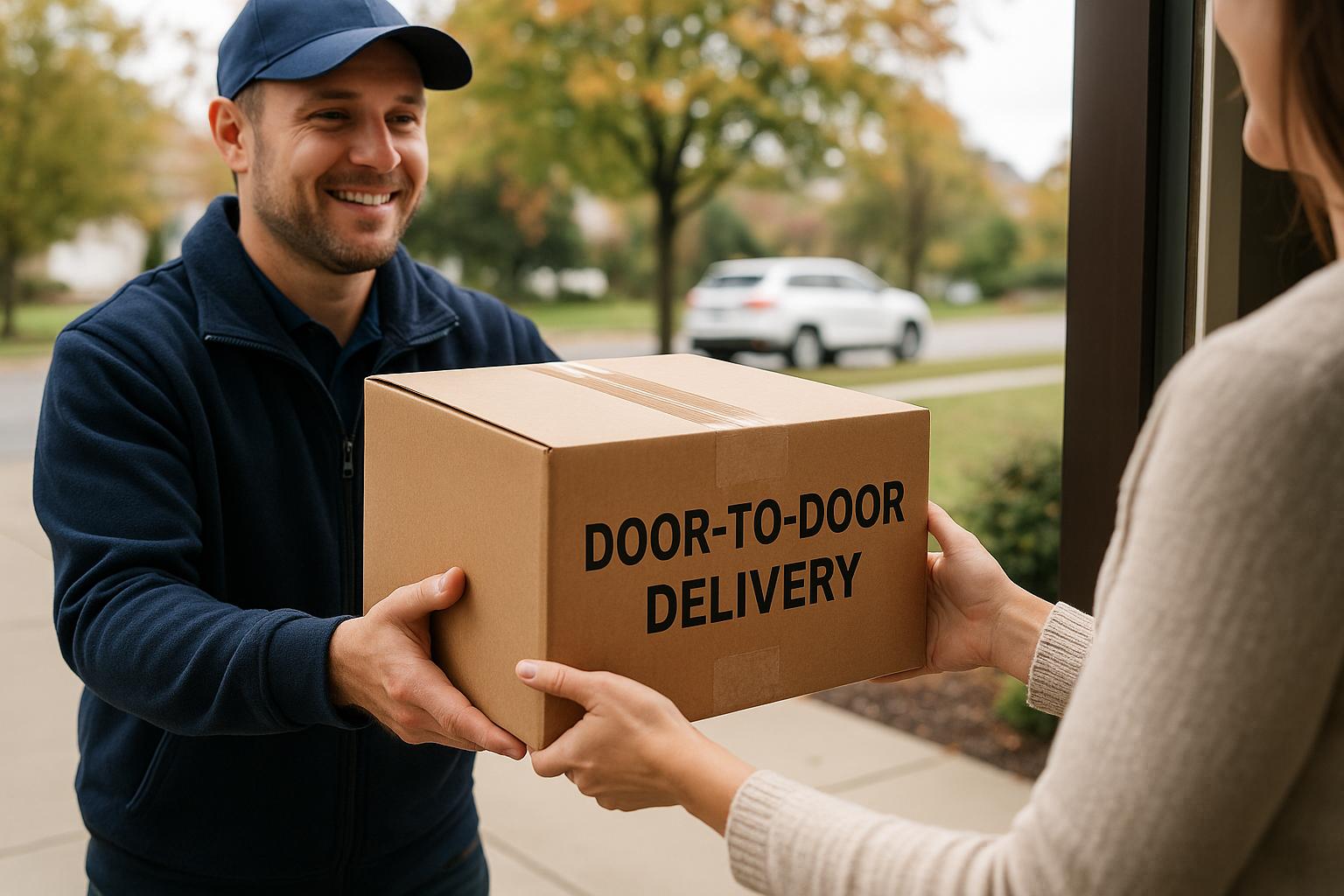
DDP Door-to-Door
Customs, duties/taxes, and delivery included.
Shipping from China to Brazil: Trade & Logistics Overview
Shipping from China to Brazil supports importers across electronics, machinery, textiles, and industrial equipment. Importers typically compare sea freight (FCL/LCL) and air freight based on cargo type, transit time, and total landed cost—especially for heavy or high-volume shipments.
This guide covers typical routes, transit times, key ports and gateways, required documents, and Brazil customs clearance steps. For door-to-door shipments, we can help coordinate customs handling and last-mile delivery, helping you reduce delays and avoid unexpected charges.
Table of Contents
Shipping from China to Brazil: Comprehensive Guide for Sea Freight, Air Freight, and DDP Services
Brazil is one of the largest economies in South America, and its trade with China continues to grow significantly. As a result, shipping between China and Brazil has become an essential component of business operations for many companies involved in global trade. Whether you need to ship bulk goods, consumer products, or industrial machinery, you have multiple options to consider, including sea freight, air freight, and Delivered Duty Paid (DDP) services. This guide provides a comprehensive overview of these shipping methods, helping you make informed decisions on the most suitable option for your needs.
Sea Freight from China to Brazil
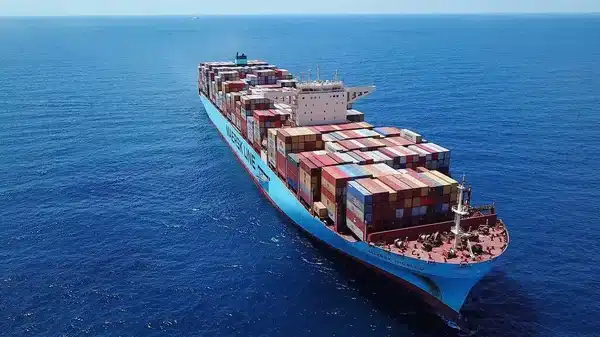
Sea freight is the most economical option for transporting large volumes or bulky items from China to Brazil. It is particularly popular for shipping automobile parts, construction materials, consumer goods, and machinery. Given the distance between China and Brazil, sea freight is best suited for shipments that are not time-sensitive but require cost efficiency. You can choose between Full Container Load (FCL) and Less than Container Load (LCL) based on the size of your shipment.
Main Ports for Sea Freight from China to Brazil
Selecting the right ports for your shipments can significantly impact your overall shipping efficiency and cost. Below are the key departure and arrival ports involved in sea freight from China to Brazil:
Major Departure Ports in China
Shanghai Port: The largest and busiest port in China, offering extensive routes and regular sailings to Brazil.
Ningbo Port: Known for its high handling capacity and efficiency, ideal for exporters shipping goods from eastern China.
Shenzhen Port: A major gateway for goods originating in southern China, providing competitive shipping rates and flexibility.
Major Arrival Ports in Brazil
Port of Santos: The largest port in Brazil, handling a substantial volume of imports and serving as a key distribution point for goods arriving from China.
Port of Rio de Janeiro: This port is ideal for shipments to southeastern Brazil, offering a convenient location for distribution.
Port of Paranaguá: Known for its advanced infrastructure and ease of access, suitable for bulk goods and container shipments.
How Long Does Sea Freight from China to Brazil Take
Shipping from China to Brazil by sea typically takes between 35 to 50 days. The transit time may vary depending on the port of origin and the specific shipping route chosen. Below is an overview of transit times from major Chinese ports to Brazilian ports:
| Port of Origin | Destination Port | Estimated Transit Time |
|---|---|---|
| Shanghai | Santos | 40-45 days |
| Ningbo | Rio de Janeiro | 38-43 days |
| Shenzhen | Paranaguá | 35-50 days |
How Much Does Sea Freight from China to Brazil Cost
Sea freight costs are influenced by factors such as container type, shipment size, and seasonal demand. Below is an estimated cost for 20ft and 40ft Full Container Load (FCL) shipments from China to Brazil:
| Port of Origin | Type of Container | Ocean Freight Rates (USD) |
|---|---|---|
| Shanghai | 20 foot container FCL | $2,050–$2,750 |
| Shanghai | 40 foot container FCL | $3,400–$4,600 |
| Ningbo | 20 foot container FCL | $2,000–$2,600 |
| Ningbo | 40 foot container FCL | $3,250–$4,350 |
| Shenzhen | 20 foot container FCL | $2,150–$2,850 |
| Shenzhen | 40 foot container FCL | $3,600–$4,800 |
Sea Freight from China to Brazil: Step-by-Step Process
Booking and Cargo Preparation: Arrange bookings with a shipping line and prepare your cargo according to container requirements.
Export Customs Clearance: Submit necessary documents, including the commercial invoice, packing list, and bill of lading, to complete export customs clearance in China.
Loading and Shipping: The cargo is loaded onto a vessel at the departure port, and the ship embarks on its journey to Brazil.
Arrival at Destination Port: Upon arrival at the designated port in Brazil, the cargo undergoes unloading and initial inspection by port authorities.
Import Customs Clearance: The consignee or their agent submits required documents to clear the goods through Brazilian customs, paying any import duties and taxes.
Final Delivery: Once customs clearance is complete, the goods are either picked up by the consignee or delivered to the final destination using local transport.
Air Freight from China to Brazil
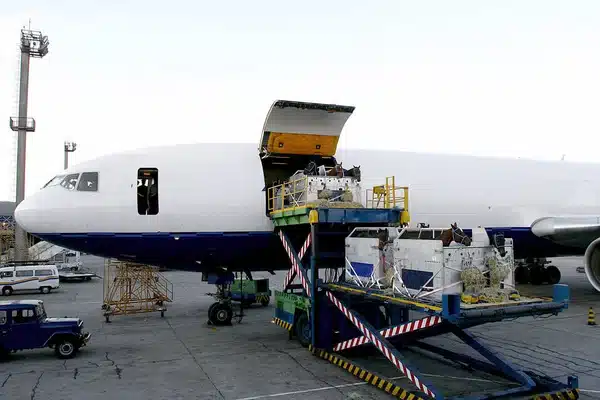
Air freight is the fastest method for shipping goods between China and Brazil. It is ideal for time-sensitive shipments or high-value items like electronics, pharmaceuticals, and luxury products. Air freight is more expensive compared to sea freight, but it ensures fast delivery and minimizes the risk of inventory shortages.
Main Airports for Air Freight from China to Brazil
Shanghai Pudong International Airport (PVG): Offers numerous flight options for cargo destined for Brazil.
Guangzhou Baiyun International Airport (CAN): One of the busiest airports for air cargo, ideal for businesses exporting from southern China.
Shenzhen Bao’an International Airport (SZX): Provides frequent flights, especially for electronics and other high-value products.
Hong Kong International Airport (HKG): A key hub for international air freight, providing additional transshipment options.
How Long Does Air Freight from China to Brazil Take
The transit time for air freight from China to Brazil usually ranges from 5 to 10 days, depending on the flight route and any layovers involved.
| Departure Airport | Arrival Airport | Estimated Transit Time |
| Shanghai Pudong (PVG) | São Paulo Guarulhos (GRU) | 6-8 days |
| Guangzhou Baiyun (CAN) | Rio de Janeiro (GIG) | 5-9 days |
| Shenzhen Bao’an (SZX) | Viracopos (VCP) | 5-7 days |
How Much Does Air Freight from China to Brazil Cost
Air freight rates are calculated based on weight and volume. Here are some estimated costs per kilogram for air shipments:
| Departure Airport | Cost per kg |
| Shanghai Pudong (PVG) | $5 – $9 |
| Guangzhou Baiyun (CAN) | $6 – $10 |
| Shenzhen Bao’an (SZX) | $4 – $8 |
Air Freight from China to Brazil: Step-by-Step Process
Booking and Cargo Pickup: Arrange bookings with an airline and prepare the cargo for shipment. Goods are picked up from the supplier’s location in China.
Export Customs Clearance: Submit necessary documents, including the commercial invoice, packing list, and airway bill, to complete export customs clearance.
Loading and Flight: The cargo is loaded onto the aircraft, and the flight departs from the airport in China.
Arrival at Destination Airport: Upon arrival in Brazil, the cargo is unloaded and undergoes inspection by customs.
Import Customs Clearance: The consignee or their agent submits the necessary documents to clear the goods through Brazilian customs, paying any duties and taxes.
Final Delivery: Once cleared, the goods are delivered to the consignee’s address or picked up from the airport.
DDP (Delivered Duty Paid) Shipping from China to Brazil
DDP (Delivered Duty Paid) shipping is an all-inclusive service that covers all aspects of the shipping process, including freight costs, customs duties, and taxes. It is ideal for businesses or individuals who prefer a hassle-free shipping solution, as the seller takes responsibility for every part of the logistics process, from the supplier in China to the buyer’s location in Brazil.

Benefits of DDP Shipping
Comprehensive Solution: Covers all logistics aspects, including customs clearance, making it hassle-free for the buyer.
Predictable Costs: With all duties and taxes included, there are no hidden charges or unexpected costs.
Suitable for E-commerce: Ideal for small shipments and online sellers using platforms like Alibaba or Taobao.
DDP Transit Time and Costs
The transit time for DDP shipping typically ranges from 30 to 50 days for sea freight and 7 to 14 days for air freight. The cost varies based on the product type, size, and shipping method.
| Shipping Method | Estimated Transit Time | Cost per kg |
| Sea Freight (DDP) | 30-50 days | $2 – $5 |
| Air Freight (DDP) | 7-14 days | $5 – $9 |
DDP (Delivered Duty Paid) Shipping from China to Brazil: Process
DDP shipping means the seller covers all costs, including shipping, duties, taxes, and delivery to the buyer’s doorstep. Here’s a simplified step-by-step process:
1. Order and Preparation
- The seller and buyer agree on DDP terms.
- The seller prepares the goods with necessary documentation (commercial invoice, packing list, etc.).
2. Shipping Method Selection
- The seller chooses between air freight, sea freight, or rail freight based on the size and urgency of the shipment.
3. Freight Forwarder Coordination
- The seller works with a freight forwarder to book transport and arrange logistics.
- The freight forwarder ensures all DDP requirements are met.
4. Shipment Transport
- Goods are shipped from China to Brazil (by sea or air), with tracking provided.
5. Customs Clearance in Brazil
- The seller’s customs broker handles clearance.
- The seller pays all import duties, taxes (e.g., ICMS, IPI), and any other fees.
6. Final Delivery
- Goods are delivered to the buyer’s address in Brazil.
- The seller covers all delivery costs.
7. Final Documentation
The buyer receives the final invoice, completing the transaction.
Customs Clearance and Import Duties in Brazil
Customs Clearance Process
Documentation Required:
- Commercial Invoice: A detailed list showing the goods being shipped, their value, and other relevant information.
- Packing List: A list of items and how they are packed.
- Bill of Lading (BOL): For sea freight or Air Waybill (AWB) for air shipments.
- Certificate of Origin: In some cases, this document verifies the country of origin of the goods.
- Import License: Required for certain products, like food, medicine, and chemicals.
- Other Specific Documents: Some products, like electronics or vehicles, may need additional certifications (e.g., Anatel for electronics or Inmetro for industrial products).
Customs Submission:
- The freight forwarder or customs broker submits the required documents to the Brazilian Customs (Receita Federal).
- Brazilian Customs will verify the shipment and assess if there are any restrictions, taxes, or duties.
Customs Inspection:
- Customs may choose to inspect the shipment. Inspections are random, but if you are shipping high-value goods or items from high-risk categories, your shipment may undergo more thorough checks.
Paying Duties and Taxes:
- Import Duty: Rates depend on the product category, typically ranging from 0% to 20% but can go higher for certain products.
- Value Added Tax (VAT) or ICMS: The state VAT, called ICMS, ranges from 7% to 18% depending on the state.
- IPI (Tax on Industrialized Products): This tax applies to industrialized goods and can range from 0% to 15%.
- PIS/COFINS: Taxes related to gross revenue, applicable on imports, usually around 9.65% of the customs value.
Receiving the Goods:
- Once duties and taxes are cleared, the goods can be released for final delivery to the recipient’s address.
- The freight forwarder or customs broker will assist in delivering the goods to the final destination.
Import Duties and Taxes
- Customs Duty: Varies depending on the product, ranging from 0% to 20%. For some products, such as electronics, the duty may be higher.
- Value Added Tax (ICMS): Charged by the state where the goods are delivered, typically 7% to 18%.
- IPI: Applies to industrialized products, ranging from 0% to 15%.
- PIS/COFINS: These social contributions apply to imported goods at approximately 9.65%.
Need Assistance with Shipping to Brazil?
At Tonlexing, we offer reliable, efficient, and cost-effective shipping solutions from China to Brazil. Whether it’s sea freight, air freight, or door-to-door services, we handle the entire process—from customs clearance to final delivery.
Our experienced team ensures that your shipments comply with Brazilian import regulations, and we assist with navigating the complexities of duties and taxes to make the process as smooth as possible.
For a hassle-free shipping experience, contact us today and get a tailored quote. Trust Tonlexing for all your global shipping needs. We make international logistics simple and reliable!
Essential FAQs for Shipping from china to brazil
- Sea Freight: Typically takes 30-40 days depending on the port of departure and destination in Brazil.
- Air Freight: Generally takes around 5-7 days for delivery.
- Rail Freight: Approximately 15-20 days, depending on the specific route.
- Commercial Invoice
- Packing List
- Bill of Lading or Air Waybill
- Certificate of Origin (if applicable)
- Import License (for certain products)
- Other Certificates (for specific goods like electronics, food, etc.)
Yes, DDP shipping is available. The seller will be responsible for all costs, including shipping, duties, taxes, and customs clearance until the goods are delivered to the buyer’s address in Brazil.
Yes, Brazil has strict import regulations, and some goods require special permits, certifications, or inspections. Common restricted items include:
- Pharmaceuticals and Chemicals
- Food and Beverages (need specific licenses)
- Electronics (may require Anatel certification)
- Agricultural products (subject to inspection and quarantine)
You can track your shipment using the tracking number provided by the carrier or freight forwarder. Major carriers like Maersk, CMA CGM, and FedEx offer online tracking tools.