

Customs Inspection Guide: Holds, Inspection Process, and Smooth Clearance
- Verified & Reviewed · Last updated January 2026
Customs inspections are a built-in verification step in international trade. Even compliant shipments can be selected if CBP needs to verify entry data, declared value, HS classification, or origin details. Most cases begin with document screening and clear quickly when data matches.
This guide explains the clearance-to-release workflow, what CBP officers check, and the most common holds: Manifest, CET, PGA/Commercial Enforcement, and Statistical Validation—plus what to submit fast to reduce delays and keep delivery on schedule.
Hold types and meanings
Inspection process
Documents and same-day submissions
- Experienced China-based logistics specialists
Table of Contents
What Customs Inspection Means for Imported Goods and Export Goods
A customs inspection confirms that imported goods or export goods match the customs declaration and the customs entry record. Customs inspections focus on legal entry, revenue protection, and whether goods comply with customs regulations and other regulations that apply to goods subject to special control.
Most inspections begin as document screening, then escalate only when the record does not verify. When goods meet requirements and the documentation matches the shipment, cargo is typically cleared efficiently and moved forward for onward delivery.
Customs Clearance Process: The Core Procedures from Arrival to Release
The customs clearance process is the set of procedures used to declare goods to customs authorities when entering or leaving a country. For commercial shipments, the workflow is consistent:
Pre-arrival screening based on shipment data
Customs entry filing by the importer or customs brokers
Review by customs officials and customs officers
Release, request for additional information, or hold
Inspection process actions if selected
Release for delivery to the final destination
Clearance time can vary depending on several factors such as port workload, product category, whether required permits are needed, and how quickly the importer can verify information when asked.
What Customs Officers Verify During the Inspection Process
Customs officers verify information to confirm the entry is accurate and the goods stated can be supported by documents. Typical checks include:
Commercial invoice accuracy, including declared value and pricing logic
Packing list details, including carton count and total weight
Shipping documents consistency, including bill of lading or air waybill alignment
Customs declaration accuracy and completeness
Customs entry data integrity, including importer identity and commodity details
Origin and country marking for compliance and risk screening
Classification logic using the Harmonized Tariff Schedule
Controls such as required permits when goods are subject to regulation
Enforcement screening for prohibited items and undeclared contents
This is where most potential issues appear: data mismatch, unclear descriptions, missing documentation, origin conflicts, or valuation gaps.
Common Types of Customs Holds and What They Mean
For us customs operations, importers usually experience “holds” rather than a visible exam. The most common types follow a clear logic.
Manifest hold
A manifest hold occurs when United States customs and border protection needs to verify shipment data and supporting documents. Using the Automated Commercial Environment supports cleaner filings and can reduce manifest hold risk.
CET hold
A CET hold is related to safety norms for products meant for human consumption and is used to ensure correct classification and valuation of goods. It commonly appears when descriptions are thin or value support is weak.
PGA and Commercial Enforcement hold
This hold involves Participating Government Agencies and checks whether goods comply with agency rules. It is common for regulated merchandise that needs required permits.
Statistical Validation hold
This hold is used when discrepancies arise during the verification process, such as inconsistencies in container weight, total weight, quantities, or packing list data.
CBP Hold Troubleshooting Table
| CBP Hold Type | What CBP is checking | Most Common Reason | What You Should Do Now |
|---|---|---|---|
| Manifest hold | Whether system data matches | Missing data, name mismatch, documents don’t line up | Correct the entry data and resend a clean set of invoice, packing list, and bill of lading |
| CET Hold | Product safety, value, and classification | Product description too vague or value unclear | Provide a detailed commercial invoice, product description, and value proof |
| PGA / Commercial Enforcement Hold | Regulatory approval | Missing permits or compliance documents | Submit required permits, certificates, test reports, and labeling or origin proof |
| Statistical Validation Hold | Weight and quantity accuracy | Total weight or carton count doesn’t match | Update the packing list and provide weight or carton breakdown proof |
CBP is not trying to make things difficult — they are waiting for the missing or supporting evidence.
If you submit the right documents for the specific hold type, many cases can move forward the same day and be released quickly.
Required Documents and Necessary Documentation for Smooth Customs Clearance
Accurate and complete documentation is the cornerstone of smooth customs clearance. For most international shipments, required documents include:
Commercial invoice with declared value and detailed information
Packing list with carton breakdown and total weight
Shipping documents such as bill of lading or air waybill
Customs declaration that matches the shipment
Customs entry filed correctly by importers or customs brokers
Necessary documentation expands for regulated categories. If goods are subject to extra controls, you may need required permits and compliance evidence before arrival. This is one of the highest-impact ways to avoid delays.
Declared Value, Customs Duties, and Harmonized Tariff Schedule Risk
Customs inspections are essential for determining the appropriate duties on imported items and ensuring compliance with relevant laws. That is why declared value and classification are reviewed so closely.
Declared value drives customs duties and revenue protection. If value cannot be verified, customs authorities may request additional information such as purchase orders, supplier invoices, and a receipt or payment record.
Classification under HS codes is a common inspection trigger. Misclassification is a primary reason shipments move from document review to physical inspection. Correct logic under the Harmonized Tariff Schedule reduces disputes and helps goods meet compliance requirements.
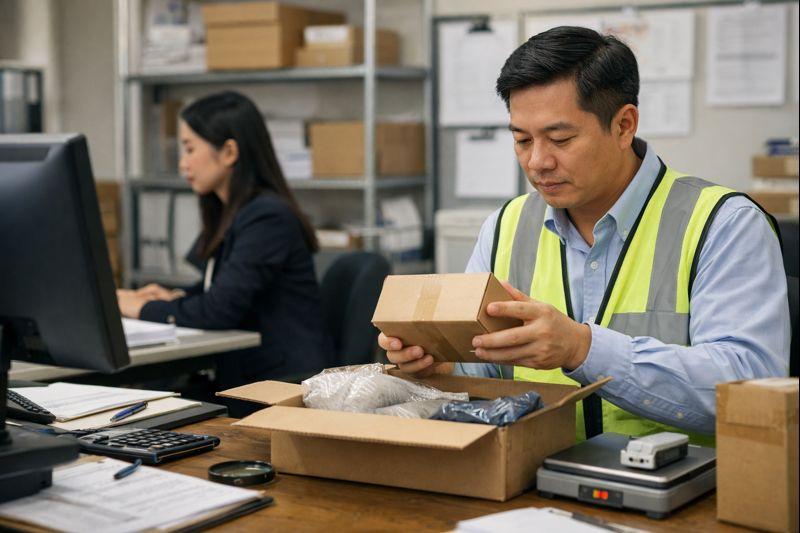
Commonly Inspected Items and Why They Get Flagged
Some categories receive more attention because they involve higher compliance exposure or safety risk. Commonly inspected items include electronics, food products, and goods that may be subject to specific regulations.
Inspections frequently flag:
incorrect country-of-origin labels
inaccurate weight details and carton mismatches
missing information in the commercial invoice or packing list
inconsistent description between customs entry and shipping documents
gaps in required permits for regulated goods
Addressing these triggers upstream improves customer satisfaction by stabilizing delivery dates and limiting surprise fees.
The Crucial Role of Customs Brokers
A customs broker is a licensed professional who assists businesses in importing and exporting goods across international borders. Customs brokers act as intermediaries between importers and customs authorities. They prepare customs entries and file them with local customs authorities, and they help facilitate clearance when other agencies are involved.
Hiring customs brokers can save time and reduce the risk of customs clearance delays, fines, and penalties. Their crucial role is practical: improving documentation quality, reducing classification errors, and helping importers respond fast when customs officials request verification.
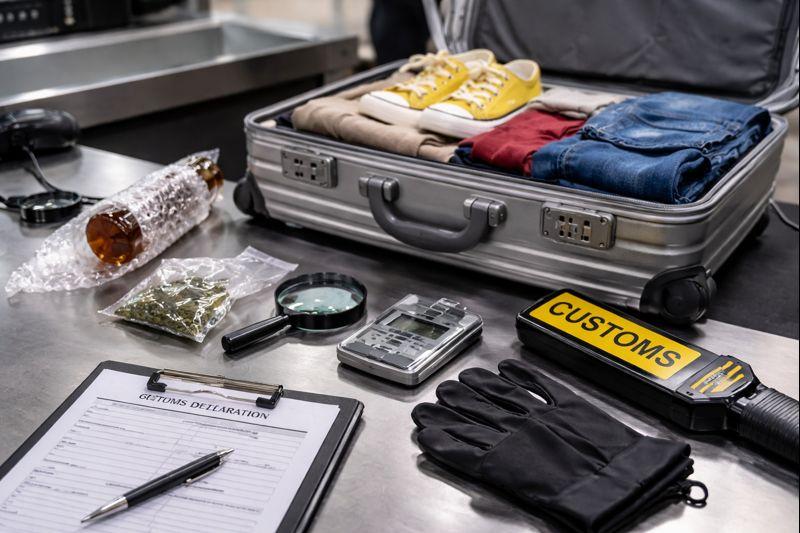
Traveler Inspections and Declaration Checks
Traveler inspections are separate from cargo clearance, but the purpose is similar: verify identity, review declarations, and prevent prohibited items from entering the country.
Primary Inspection
Primary inspection is usually quick. Customs officers check passports, visas, and the declaration form, and may ask basic questions about travel purpose and items being carried.
Secondary Inspection
Some travelers are sent to secondary inspection for additional checks. This may involve further questioning, baggage inspection for prohibited items, and in some cases checks of personal electronic devices. Secondary inspection takes longer but does not necessarily mean there is a problem.
Declaration Basics
To avoid delays, travelers should:
declare all items honestly
avoid carrying restricted organic matter such as fresh fruits, vegetables, or soil
keep medicines in original containers
Clear declarations help inspections finish faster and reduce unnecessary delays.
How to Avoid Delays and Ensure Compliance
You cannot eliminate customs inspection selection, but you can control the outcome by removing avoidable triggers.
Use precise product descriptions and detailed information that can be verified
Keep commercial invoice, packing list, and shipping documents aligned with customs entry data
Validate total weight and carton count before filing
Confirm origin labeling and country marking before shipment
Secure required permits early for goods subject to regulation
Remove prohibited items and avoid undeclared contents
Respond quickly when customs authorities request additional information
This is the most reliable path to ensure smooth customs clearance, reduce inspection escalation, and protect delivery performance.
Frequently Asked Questions
The most common types include manifest hold, CET hold, PGA and Commercial Enforcement hold, and Statistical Validation hold.
Most shipments require a commercial invoice, packing list, shipping documents, and a customs declaration supporting the customs entry.
It can vary depending on several factors. If there are no issues, shipments may be released within three to four days. More complex inspections can take longer.
Misclassification under HS codes affects duties and compliance. When classification cannot be verified under the Harmonized Tariff Schedule, customs officers may escalate inspection.
Prepare necessary documentation early, align declared value support, secure required permits, verify information across all documents, and work with customs brokers to maintain clean procedures.
More Guides on Customs Holds & Clearance
Get Your Customs Inspection & Clearance Quote
Minimize inspection holds
Streamlined customs clearance process
Expert handling of import requirements
Get expert support and transparent pricing for your customs clearance.