Related Guide
Shipping Electronics from China to USA
Shipping electronics from China to USA is one of the most efficient and profitable global trade practices in 2025. From smartphones and tablets t...
Read guide →

Reliable & Cost-Effective Shipping from China
Tailored Logistics Solutions for Your Business
Importing electronics from China has become a lucrative business opportunity for companies and individuals worldwide. China is the global leader in electronics manufacturing, producing everything from consumer gadgets and industrial equipment to automotive electronics and smart home devices at highly competitive prices.
However, the process of importing electronics involves choosing reliable suppliers, ensuring product compliance with regulations, calculating costs, and selecting the most efficient shipping method.
This guide provides a step-by-step approach to sourcing, importing, and shipping electronics from China, helping businesses optimize their supply chains while minimizing risks and costs.
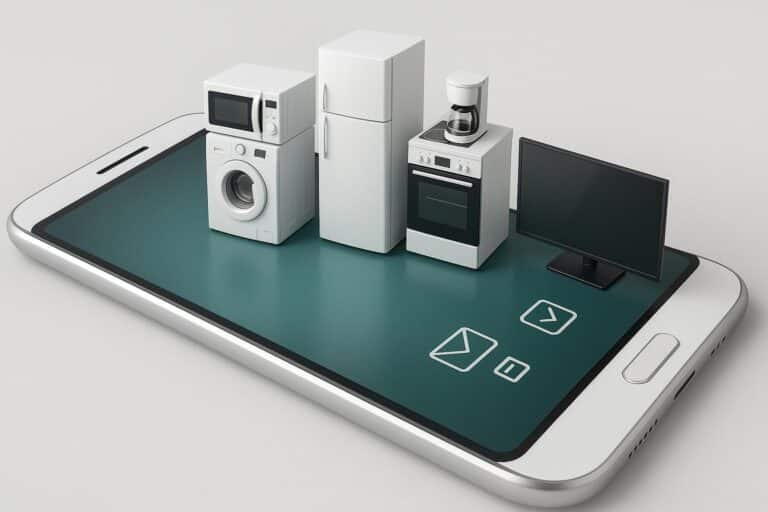
China is the world’s largest electronics manufacturing hub, producing a vast range of products, from consumer gadgets like smartphones, laptops, and smartwatches to industrial electronics such as circuit boards, power supplies, and automation systems. The country’s advanced production capabilities, efficient supply chains, and cost advantages make it the preferred destination for businesses and entrepreneurs looking to import electronics.
However, importing electronics fromChina to the USA requires careful planning. From choosing the right supplier and understanding legal requirements to calculating total costs and selecting the best shipping method, every step plays a crucial role in ensuring smooth delivery and compliance with U.S. regulations.
This guide will walk you through everything you need to know about importing electronics from China, including:
By following these steps, businesses can successfully import high-quality electronics while minimizing risks and maximizing profitability.
Not all electronics will yield high profits—some products may have high competition, import restrictions, or hidden costs. Before choosing a product, analyze these key factors:
Before selecting a product, analyze consumer demand and competition levels:
💡 Pro Tip: Avoid oversaturated markets—instead, focus on niche electronics with unique features.
Certain electronic products must meet legal and safety standards before entering markets like the USA, EU, and Australia.
Common regulations & certifications for electronics imports:
💡 Pro Tip: If a supplier cannot provide certification documents, their products may fail customs clearance or be rejected from major retailers.
Electronics are lightweight but can be fragile, requiring secure packaging and fast shipping.
💡 Pro Tip: Check if your product contains lithium batteries—many airlines restrict or charge extra for these shipments.
Different electronic products have different import tax rates based on the Harmonized System (HS) Code classification.
💡 Pro Tip: Always check the HS Code and duty rates before finalizing an electronics order.
After choosing profitable electronics, the next step is to find a reliable supplier, calculate total import costs, and select the best shipping method for your business.
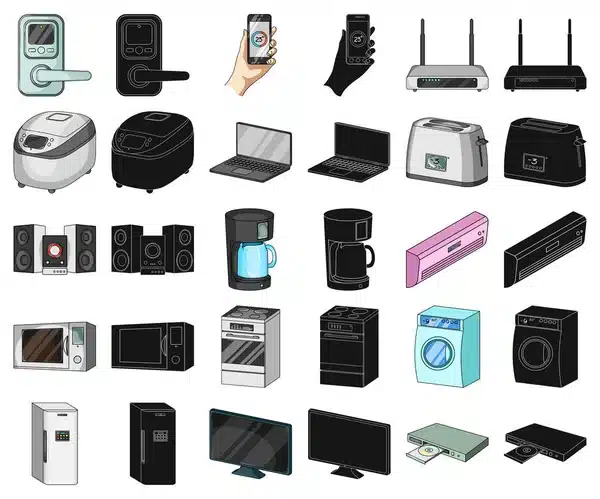
Selecting the right supplier is crucial to ensure product quality, compliance, and timely delivery. Importers can find electronics manufacturers through online platforms, trade fairs, and direct factory sourcing. However, verifying supplier credibility is essential to avoid low-quality products, fraudulent vendors, or shipping delays.
China offers multiple sourcing channels for importing electronics. The best platforms and locations include:
💡 Best For: Businesses looking for bulk electronics orders with customization options.
💡 Best For: Buyers who want in-person supplier verification and direct price negotiations.
💡 Best For: Importers looking to network with factory owners and discover new electronics trends.
Not all Chinese suppliers maintain high-quality standards. Before finalizing a purchase, conduct thorough due diligence:
💡 Red Flags: Suppliers that refuse to provide business registration documents or have inconsistent company details.
Different markets require specific certifications for importing electronics. Ensure the supplier provides:
💡 Red Flags: Suppliers that cannot provide compliance documents or send fake certificates.
Before committing to a large electronics order, conduct a factory audit:
💡 Red Flags: Suppliers who refuse on-site factory inspections or provide vague production details.
Never place a large order without testing the product. Before mass production:
💡 Red Flags: Suppliers who charge excessive sample fees or refuse to send product samples.
✅ Verified business license & export experience.
✅ Compliance with FCC, CE, RoHS, and UL certifications.
✅ Positive trade history & customer reviews.
✅ Allows factory inspections & product sampling.
✅ Competitive pricing without hidden costs.
By following these steps, importers can avoid unreliable suppliers and ensure smooth electronics procurement from China.
For businesses looking to stand out in the market, customizing electronic products is essential. China’s electronics manufacturers offer both OEM (Original Equipment Manufacturer) and ODM (Original Design Manufacturer) services, allowing importers to create unique branded products or modify existing designs to meet market demands.
Before selecting a supplier, businesses should understand the difference between OEM and ODM production models:
| Production Type | Definition | Best For | Example Products |
|---|---|---|---|
| OEM (Original Equipment Manufacturer) | Manufacturer produces electronics under your brand based on your designs and specifications. | Businesses with existing product concepts and designs looking for cost-effective mass production. | Branded smartphones, Bluetooth speakers, gaming accessories. |
| ODM (Original Design Manufacturer) | Manufacturer provides pre-designed products, allowing for branding, minor modifications, and rebranding. | Importers who want ready-made products with minor modifications. | Smartwatches, wireless earbuds, smart home devices. |
💡 Tip: If your goal is to launch a unique electronic product, go with OEM production. If you want faster market entry with lower R&D costs, ODM is the better option.
Chinese manufacturers provide a range of customization services to help businesses develop unique products:
💡 Best For: Companies looking to sell under their own brand name with a professional retail presentation.
💡 Best For: Businesses needing product differentiation with enhanced features.
💡 Best For: Businesses targeting tech-savvy consumers who demand unique software experiences.
Customizing electronic products through OEM and ODM manufacturing allows businesses to build unique brands and differentiate from competitors. By working with reliable Chinese suppliers, importers can develop high-quality, market-ready electronics at competitive costs.
Importing electronics from China requires a clear understanding of all associated costs to ensure profitability. Beyond just the factory price, businesses must consider shipping fees, customs duties, quality control, and warehousing expenses.
This section provides an in-depth breakdown of cost components, estimated expenses for 2025, and how to calculate the Total Landed Cost (TLC) before making purchasing decisions.
| Cost Component | Details |
|---|---|
| Product Cost | Wholesale price from the manufacturer (varies by product type). |
| Shipping Fees | Air, sea, or express freight from China to the USA. |
| Customs Duties & Taxes | Import tariffs based on HS code, FCC compliance fees. |
| Quality Control & Inspection | Pre-shipment testing to ensure product quality. |
| Warehousing & Storage | If using Amazon FBA, third-party logistics (3PL), or local storage. |
📌 Tip: Always calculate all costs upfront to avoid unexpected expenses.
The final cost per unit depends on multiple factors, including the type of product, shipping method, and import duties. Below are estimated costs for 2025 based on common shipping methods:
| Cost Component | Estimated Cost (USD) |
|---|---|
| Product Cost (Factory Price) | $10 – $500 per unit (varies by electronics type). |
| Air Freight (Standard Shipping) | $4 – $7 per kg. |
| Express Air Freight (DHL/FedEx/UPS) | $6 – $12 per kg. |
| Sea Freight (FCL 40ft Container) | $3,500 – $5,000 (depending on the route). |
| Sea Freight (LCL per CBM) | $100 – $200 per cubic meter. |
| U.S. Import Duties & Taxes | 0% – 25% (based on HS Code). |
| FCC Certification (if required) | $1,500 – $5,000 per model. |
| UL & RoHS Compliance (if required) | $500 – $3,000 per product type. |
| Quality Inspection Fees | $200 – $400 per batch. |
| Amazon FBA Storage Fees (if applicable) | $0.63 – $1.40 per cubic foot/month. |
💡 Note: Prices fluctuate due to freight demand, regulatory changes, and peak seasons. Always request updated quotes from suppliers and freight forwarders.
To determine profitability, businesses must calculate the Total Landed Cost (TLC), which includes all expenses from manufacturing to delivery in the USA.

| Cost Component | Amount (USD) |
|---|---|
| Product Cost (Factory Price) | $150 per unit ($75,000 total). |
| Air Freight (500 kg at $6/kg) | $3,000 total. |
| Import Duties (10% on CIF value) | $7,800 total. |
| FCC Certification | $3,500 total. |
| Quality Inspection Fees | $500 total. |
| Amazon FBA Storage (2 months) | $1,200 total. |
| Total Cost (TLC for 500 units) | $91,000 |
| TLC per unit | $182 |
💡 Final Pricing Consideration: If selling the smartphone for $299 per unit, the profit margin per unit would be $117, excluding additional marketing, platform fees, or local distribution costs.
Calculating Total Landed Cost (TLC) ensures profitability and cost control in importing electronics from China. By understanding all cost components, businesses can choose the best logistics strategy, minimize expenses, and improve profit margins.
When importing electronics from China to the U.S., businesses must comply with strict regulatory requirements, including product certifications, import documentation, and customs duties. Ensuring compliance prevents delays, customs seizures, or penalties.
This section provides an in-depth breakdown of required documents, U.S. import duties, and key regulatory requirements for electronic products.
To clear U.S. Customs and Border Protection (CBP), importers must provide accurate and complete documentation:
| Document | Purpose |
|---|---|
| Commercial Invoice | Details product description, value, and seller information. |
| Packing List | Lists weight, dimensions, and packaging details. |
| Bill of Lading (BOL) / Airway Bill (AWB) | Acts as a shipping contract and proof of shipment. |
| Certificate of Origin (COO) | Required for duty exemptions under trade agreements. |
| Importer Security Filing (ISF – 10+2) | Required for ocean shipments before departure. |
| Customs Bond (For shipments over $2,500) | Required to cover potential duty payments. |
Tip: Incorrect or missing documents can lead to shipment delays or rejection at customs.
Certain electronic products require mandatory safety and compliance certifications before they can be legally imported and sold in the U.S.
| Certification | Requirement |
|---|---|
| FCC Certification | Required for electronics emitting radio frequencies (e.g., smartphones, Wi-Fi devices, laptops). |
| UL (Underwriters Laboratories) Certification | Ensures product safety for electrical devices. |
| RoHS (Restriction of Hazardous Substances) | Confirms no hazardous materials (e.g., lead, mercury, cadmium). |
| CE Marking (If selling in the EU as well) | Compliance for electronics in the European market. |
Tip: Failure to meet FCC, UL, or RoHS standards can result in fines, product recalls, or shipment rejection at customs.
Import tariffs on electronics vary based on the Harmonized System (HS) Code and trade regulations.
| Product Type | General Tariff Rate |
|---|---|
| Smartphones & Laptops | 0% (Duty-free under most HS codes). |
| Tablets & Wearables | 0% – 5%. |
| TVs & Monitors | 5% – 15%. |
| Electronic Components (PCBs, Batteries, IC Chips) | 0% – 25%. |
| Home Appliances (Microwaves, Refrigerators, etc.) | 2% – 10%. |
| Lighting & LED Products | 5% – 25%. |
Certain Chinese-made electronics face additional Section 301 tariffs of 7.5% – 25%. Importers must check if their product is affected.
In addition to import duties, businesses must pay additional fees upon entry to the U.S.:
| Fee Type | Rate |
|---|---|
| Merchandise Processing Fee (MPF) | 0.3464% of the CIF value (Minimum: $29.66, Maximum: $575.35). |
| Harbor Maintenance Fee (HMF) – For Ocean Freight | 0.125% of the shipment value (not applicable to air freight). |
| Customs Broker Fee | $100 – $500 per shipment (optional, but recommended). |
Tip: Using DDP (Delivered Duty Paid) shipping transfers customs clearance responsibility to the seller, reducing delays.
Securing safe and reliable payment methods is crucial when importing electronics from China. Since electronics are high-value goods, buyers must protect their transactions from fraud and supplier disputes.
To reduce financial risk, buyers should follow these best practices:
Electronics shipping requires speed, security, and cost-efficiency. Choosing the right method depends on shipment size, urgency, and budget.
Air freight is the preferred method for high-value, time-sensitive electronic shipments. It offers fast transit times but comes at a higher cost than sea freight.
This method is best suited for smartphones, laptops, medical devices, and high-end consumer electronics.
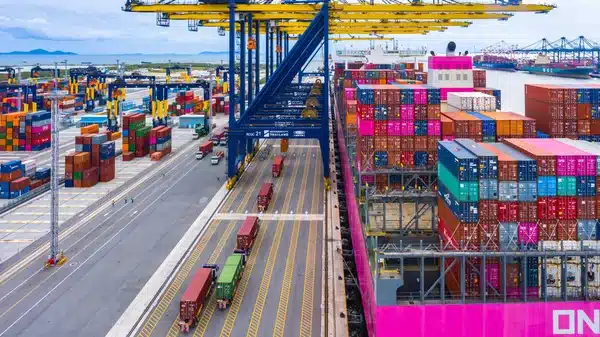
For businesses importing large quantities of electronics, sea freight is the most cost-effective solution. Although it has a longer transit time, it allows companies to save on shipping costs.
This method is best for larger consumer electronics, appliances, and industrial equipment.
Rail freight is an increasingly popular option for shipping electronics from China to the USA via Europe.
Rail freight is particularly beneficial for companies shipping electronics in bulk to the U.S. through European distribution centers.
To ensure a smooth and efficient import process, businesses should follow these best practices:
Tonlexing specializes in electronics freight shipping from China to the USA, providing cost-effective, secure, and efficient logistics solutions.
Importing electronics from China requires a trusted logistics partner. Tonlexing provides end-to-end shipping solutions tailored to your business needs.
📞 Contact Tonlexing today for a customized shipping quote and expert guidance on electronics imports from China!
Useful freight, customs and importing resources related to this shipping guide.
Shipping electronics from China to USA is one of the most efficient and profitable global trade practices in 2025. From smartphones and tablets t...
Read guide →
CE certification is a critical requirement for any electronic product sold within the European Union (EU). This certification signifies that the...
Read guide →
How to Ship LED Lights from China to USA Verified & Reviewed · Last updated March 2026 Shipping LED lights from China to the USA can be straightf...
Read guide →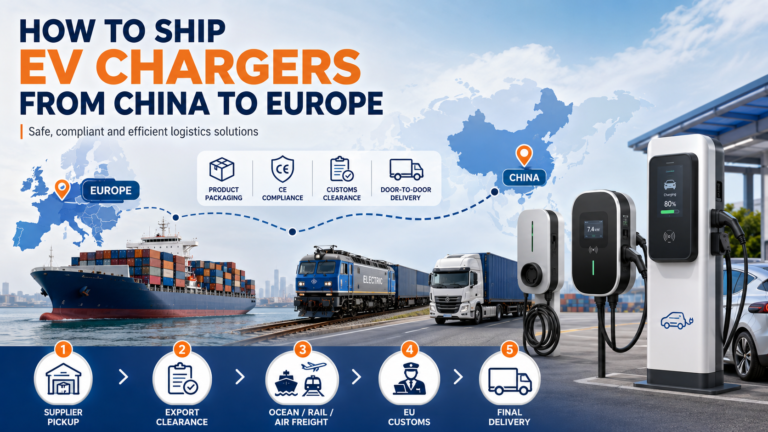
How to Ship EV Chargers from China to Europe: 2026 Guide Verified & Reviewed · Last updated June 2026 Shipping EV chargers from China to Europe r...
Read guide →China is one of the world’s major manufacturing bases for solar panels and solar modules, offering a wide range of products for distributors, ins...
Learn more → Useful Resource How to Import and Ship Drones from China to the USAIntroduction: Why Import Drones from China to the USA How to Import and Ship Drones from China to the USA has become a common question for many U...
Learn more →WhatsApp us