Related Guide
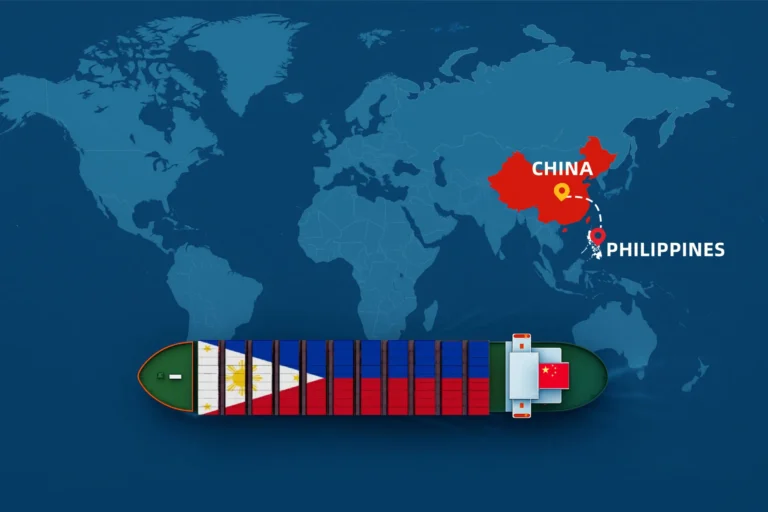
Shipping from China to the Philippines
Shipping from China to Philippines – Sea, Air & Door-to-Door in 2026 Fast, reliable shipping from China to Philippines for B2B importers,industri...
Read guide →

If you are searching how long does it take to ship from china to philippines, you are likely planning inventory, promotions, or a delivery promise. In international shipping, there is no single fixed number because timelines depend on the shipping method, the route, the origin port, the destination port, and how smoothly customs clearance runs in the Philippines.
This guide gives realistic planning ranges for sea freight, air freight, and express shipping. It also explains common delay reasons, customs clearance timing, and how door shipping differs from port to port so you can choose the best method for your shipment.
Shipping method / Mode
Transit time range
DDP / Door to Door
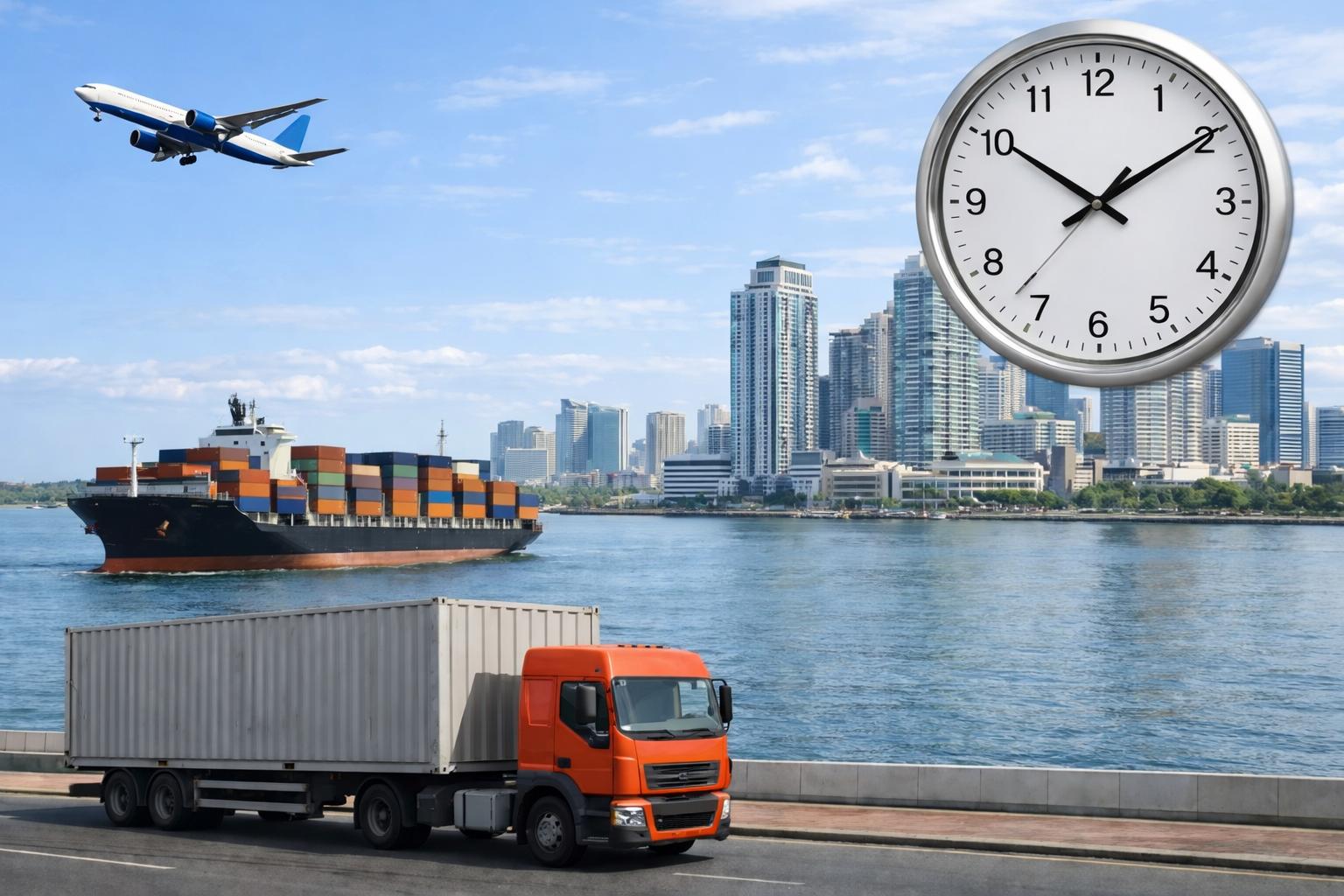
Most shipments from china to philippines fall into these planning ranges.
Express shipping
Often 1 to 3 business days for urgent shipments and small international packages.
Air freight
Often 2 to 5 business days when cargo is booked on cargo flights and documents are correct.
Sea freight
Commonly 7 to 22 days depending on FCL shipping or LCL shipping, plus port handling and clearance.
These ranges are typical for shipping from china to the Philippines, but the total timeline can extend when inspections happen or when port congestion affects scheduled departures.
| Shipping method | Typical transit time | Best for | What usually changes the timeline |
|---|---|---|---|
| FCL shipping | 7 to 15 day | Container cargo, stable supply chain | vessel schedules, port congestion, customs clearance |
| LCL shipping | 12 to 22 days | Smaller cargo that shares container space | consolidation, deconsolidation, warehouse cutoffs |
| Air freight | 2 to 5 business days | time sensitive cargo, commercial replenishment | cargo flights capacity, documentation, screening |
| Express shipping | 1 to 3 business days | urgent shipments, samples, small cartons | customs checks, address issues, sorting center delays |
If you are comparing quotes, confirm whether the timeline is port to port or includes door shipping, because scope differences can change the real end-to-end schedule.
Many articles only quote port to port numbers. That is not how importers experience the process.
A real shipment usually includes:
pickup and export handling in China
main transport by sea shipping or air transport
import processing and customs clearance
release and inland distribution in the Philippines
That is why two shipments can show the same transit time on paper and still arrive days apart in practice.
Sea freight is the most economical option for heavy cargo and regular trade lanes. For many companies in global trade, sea freight is the backbone of the supply chain.
Typical ranges for china to the philippines by sea:
FCL shipping often runs 7 to 15 days on major port pairs
LCL shipping often runs 12 to 22 days because of extra handling steps
peak season can extend timelines, especially when shipping lines roll bookings to the next vessel
Sea freight is usually the preferred choice when shipping costs matter more than speed.
FCL shipping
You book a full container load service. Handling is simpler and often faster because your cargo is not mixed with other shipments.
LCL shipping
You share container space with other shippers. It is flexible, but it adds consolidation and deconsolidation time.
If your priority is timely delivery and your volume is close to a container load threshold, FCL shipping often reduces risk.
For china to philippines sea shipping, the right origin port and destination port can improve sailing frequency and reduce congestion risk, which helps keep transit time predictable.
China origin ports
Choose based on supplier location, weekly sailing frequency, and gate-in cutoff reliability
Philippines destination ports
Manila: most frequent services, but can face congestion in peak season
Cebu: strong for Central Philippines and Cebu City, often reduces inland transfer time
Subic Bay: works for some models when service availability and trucking are smooth
Quick selection tip
Deliver to Metro Manila: pick Manila
Deliver to Central Philippines: consider Cebu
Ask your freight forwarder if the route is direct and how many scheduled departures per week
Sea freight is predictable when you manage the process tightly.
A typical flow looks like this:
confirm shipment details with the supplier
book space through a freight forwarder and choose shipping lines
arrange pickup and gate-in at the origin port
export clearance steps in China
vessel departure and sea shipping leg
arrival, discharge, and import release steps
delivery to your final address or warehouse
This is where an experienced freight forwarder becomes valuable. A strong freight forwarder reduces friction at every handoff.
Air freight is a faster alternative to sea freight. It is commonly used for time sensitive cargo, electronics, spare parts, and replenishment shipments.
Typical air freight timeline for china to philippines lanes:
2 to 5 business days in many standard cases
longer when documents are incomplete or when screening and handling backlogs build up
Air freight works best when you have consistent documentation and clear shipment details.
On the Philippines side, two airports are especially important for air cargo routing and final distribution.
Ninoy Aquino International Airport is the main gateway for Metro Manila and often has the widest range of handling resources and downstream trucking options.
Mactan Cebu International Airport is a strong option for Cebu City and Central Philippines distribution, and it can reduce inland transfer time if your final delivery is outside Metro Manila.
Choosing the right arrival airport can shorten the post-arrival leg and improve delivery predictability, especially when your consignee is in Cebu or nearby provinces.
Air freight speed depends on cargo flights capacity. When space is tight, shipments may wait for the next departure, so transit time can extend.
Capacity usually tightens during peak season, and air freight rates often rise at the same time. For urgent shipments, book early and confirm handling cutoffs with your freight forwarder.
Air transport is fast, but it is process-driven. A typical air freight workflow looks like this:
Confirm shipment details with the supplier, including chargeable weight, carton dimensions, and any special handling needs.
Book space through a freight forwarder and confirm the planned flight schedule and acceptance cutoffs.
Pickup and export handling in China, including labeling, packing checks, and export documentation readiness.
Terminal acceptance and screening before departure, which can add time if cargo needs additional checks.
Cargo flight departure and arrival at the destination airport, then handover to the import side handling team.
Customs clearance and release in the Philippines, followed by local delivery or consignee pickup depending on service scope.
If you want the most reliable outcome, focus on clean documents and accurate shipment details. Most avoidable air freight delays come from mismatched invoices, unclear product descriptions, or missing consignee information.
Express shipping is usually the fastest option for small international packages.
Typical express shipping timelines:
1 to 3 business days on major lanes
1 to 5 business days depending on clearance and local distribution
Express is ideal for urgent shipments, samples, documents, and small cartons.
Express carriers usually issue a tracking number quickly and provide frequent updates, but scans can pause during the international leg. To keep the timeline stable, control the handoff and paperwork before pickup.
Quick checklist
confirm pickup time and export handling cutoffs
use clear product descriptions and consistent declared values
provide complete consignee name, address, and reachable phone number
keep invoice and proof of payment ready in case customs requests verification
Door shipping explains many timing differences because people often compare quotes without matching scope. Port to port is only the main transport leg, from the origin port in China to the destination port in the Philippines. It does not include pickup, export handling, customs clearance, or local delivery, so the quoted number can look shorter than the real end-to-end timeline.
Door shipping includes pickup, export steps, main transport, customs clearance, and local distribution. Door shipping can look longer on paper, but it reduces coordination risk and is easier for importers who want one accountable logistics partner managing the full process.
If your supplier says “10 days,” ask one simple question: does that number include door shipping, or is it only port movement.
For international shipping into the Philippines, customs clearance is often the critical path. In smooth cases, processing often takes 1 to 3 days. When workload is heavy, 2 to 5 days is common. If inspections are required, it can take 7 days or more. Your goal should be efficient customs clearance, because even a fast flight or vessel schedule can be offset by clearance delays.
Customs delays often come from avoidable issues, not transport speed. The most common triggers include:
HS code mismatch or vague product descriptions
invoice and packing list inconsistencies
missing importer registration or broker readiness
risk profiling and inspection selection
missing compliance documents for regulated goods
To reduce these risks, your freight forwarder should review shipment details before arrival and confirm that documents match the booking and the actual cargo.
When shipping goods into the Philippines, your landed cost usually includes customs duty plus import VAT.
Import VAT: The standard rate is 12%, and it is generally computed on the landed cost used by the Bureau of Customs, which can include customs duty and other charges before release.
Customs duty: There is no single fixed percentage. The duty rate depends on your product’s HS code and the applicable Philippine tariff schedule. You can check the exact rate using the Philippine Tariff Commission’s Tariff Finder.
De minimis exemption: If your shipment’s FOB or FCA value is PHP 10,000 or below, the Bureau of Customs states that no duties and taxes are collected under the CMTA rule.
To improve customs clearance outcomes, prepare a clean document set and keep values and descriptions consistent:
commercial invoice with consistent values
packing list with accurate weights and carton count
clear product descriptions and HS codes
consignee identity and registration details
any required permits or product compliance documents
Accurate shipment details are one of the fastest ways to protect timelines and keep your overall shipping time predictable.
Even when the main question is time, users also compare shipping costs.
In many lanes, the rule is simple:
faster services cost more
during peak periods, capacity tightens and prices rise
For china to philippines, shipping costs change based on:
shipping method choice
weight and volume
route structure and carrier network
seasonal factors and cargo traffic
port congestion and equipment shortages
fuel and security surcharges
Ask for a quote that clearly separates base transport, local charges, and destination fees.
Air freight rates can change weekly in busy seasons.
Sea freight pricing is often more stable, but port congestion and equipment imbalance can still shift costs.
If you ship regularly, align price decisions with supply chain risk, not only with the lowest shipping rates.
In global trade, speed is not the only risk.
Cargo insurance helps protect against loss or damage, especially for high-value air freight and time sensitive cargo.
Discuss cargo insurance options with your freight forwarder and your logistics partners.
Tracking can look “stuck” even when the shipment is moving. International parcels often show fewer scans during the linehaul segment, and some legs are not scanned again until they reach the next hub or destination facility.
The result is a pause in updates while the parcel is traveling between hubs, then multiple scans may appear close together later.
If you see long gaps, check whether there is a clearance event or a customs hold. Customs issues often come from incomplete or incorrect paperwork, and carriers may show limited tracking detail until release.
Economy services can have fewer tracking updates than premium courier lanes, especially when parcels move through a sorting center network. Registered mail can be even more limited: USPS states that Registered Mail International cannot be tracked through the mailstream and will not provide updated scans.
Tracking availability for registered services can also depend on destination postal support, so status updates may not appear consistently for every country and lane.
If tracking shows no updates longer than expected, do this in order:
confirm whether the package is pending customs clearance or waiting for document verification
check whether the parcel is awaiting handover to a local carrier after arrival
verify the consignee phone, address, and name are complete to avoid last-mile exceptions
A capable freight forwarder does more than booking.
A freight forwarder coordinates documents, handoffs, and compliance. That directly impacts customs clearance speed and overall shipping time.
Freight forwarders can also optimize origin port selection, route stability, and scheduled departures.
A proficient freight forwarder should be able to:
recommend the right shipping method for your cargo and deadline
validate shipment details before pickup
coordinate export documents and timing
select reliable shipping lines and flight options
manage customs clearance documentation readiness
provide tracking and exception handling
align logistics partners across the route
This is why many importers look for the best freight forwarder rather than only the cheapest quote.
Ask your freight forwarder:
is this a direct route or transshipment
how frequent are scheduled departures
what is included in the quote scope
what documents are required for your cargo type
how do you handle customs clearance exceptions
can you provide alternative options if capacity tightens
Strong logistics partners answer these clearly and proactively.

Choose express shipping. It is usually the best option for urgent shipments, samples, documents, and small packages where speed matters most, especially on major China to Philippines lanes.
Choose air freight. Air freight is fast and gives you more control than express for commercial shipments, especially when the cargo is too heavy for courier pricing or needs more consistent handling.
Choose sea freight. Sea freight typically offers the best shipping costs for container cargo and is more scalable for regular replenishment cycles when your supply chain can plan longer lead times.
Sea freight commonly ranges from 7 to 22 days depending on FCL shipping or LCL shipping, plus customs clearance and port handling.
Air freight often takes 2 to 5 business days when booked on cargo flights and when documents support efficient customs clearance.
Express shipping is typically the fastest for small urgent parcels. For heavier commercial cargo, air freight is often the fastest practical option.
Common reasons include customs clearance delays, incomplete shipment details, peak season congestion, and route changes when capacity is tight.
Choose the right shipping method, prepare documents early, confirm HS codes, and work with a proficient freight forwarder and reliable logistics partners.
In smooth cases, customs clearance often takes 1 to 3 days, while 2 to 5 days is common when workload is heavy. If inspections are required, it can take 7 days or more.
Choose Manila if your final delivery is in Metro Manila and you want more sailing options. Choose Cebu if your consignee is in Central Philippines and you want to reduce inland transfer time after release.
Useful freight, customs and importing resources related to this shipping guide.
Shipping from China to Philippines – Sea, Air & Door-to-Door in 2026 Fast, reliable shipping from China to Philippines for B2B importers,industri...
Read guide →
The Philippines is one of the key trading partners of China, with a thriving exchange of goods ranging from electronics and textiles to machinery...
Read guide →
Sea freight is the most cost effective shipping method for large volumes and container load cargo. It is ideal for businesses looking to reduce s...
Read guide →
Air Freight from China to Philippines is one of the fastest and most reliable shipping methods for businesses engaged in international trade betw...
Read guide →20ft & 40ft Container Shipping Costs from China to Philippines remain a major concern for importers in 2025, especially as trade volumes continue...
Learn more → Useful Resource Door to Door Shipping from ChinaDoor to door shipping from China by air, sea, rail or express. Compare DDP vs DAP, costs, transit times, customs clearance and final delivery.
Learn more →WhatsApp us