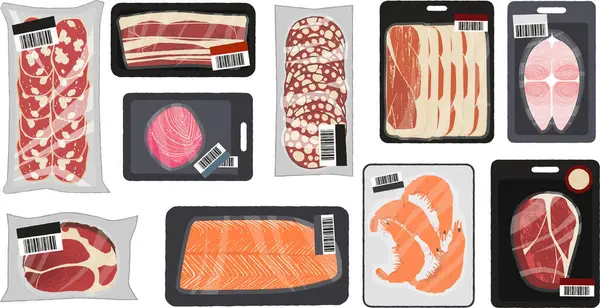
Related Guide
How to Import and Ship Frozen Meat and Food from China
Rising Global Demand for Frozen Food from China As demand rises for imported frozen food from China, global businesses are increasingly turning t...
Read guide →

Reliable & Cost-Effective Shipping from China
Tailored Logistics Solutions for Your Business
The global coffee industry continues to grow, fueled by increasing consumption and a surge in specialty coffee trends. While traditional coffee exporters such as Brazil and Ethiopia dominate the market, China has emerged as a surprising and exciting player in recent years. With regions like Yunnan producing high-quality Arabica beans, importing coffee beans from China is becoming a viable option for businesses looking to diversify their sources, lower costs, or explore unique flavor profiles.
This comprehensive guide walks you through the entire process of importing and shipping coffee beans from China. From understanding the coffee industry and identifying suppliers to navigating regulations and ensuring seamless shipping, this article equips you with the knowledge needed to make informed decisions and streamline your operations.

China’s coffee industry, particularly in Yunnan Province, has undergone significant transformation. Known for its fertile highlands, Yunnan produces Arabica beans with distinctive flavor profiles characterized by floral and fruity notes, medium acidity, and a smooth finish. While coffee production in China was initially geared towards domestic consumption, the rise of specialty coffee and international interest has opened up export opportunities.

To source coffee beans effectively, it’s important to identify reliable suppliers and evaluate their products.
When sourcing coffee, quality is paramount. Request samples and evaluate them based on:
As coffee beans are a food product, importing them involves adhering to strict regulations to ensure safety and quality.
Coffee beans fall under HS Code 0901, which includes roasted and unroasted beans. Check your country’s import tariffs and trade agreements with China. For example:
If targeting organic or specialty markets, ensure the coffee beans are certified organic and meet sustainability standards like Fair Trade or Rainforest Alliance.
Shipping coffee beans requires careful handling to preserve quality and ensure compliance with regulations.
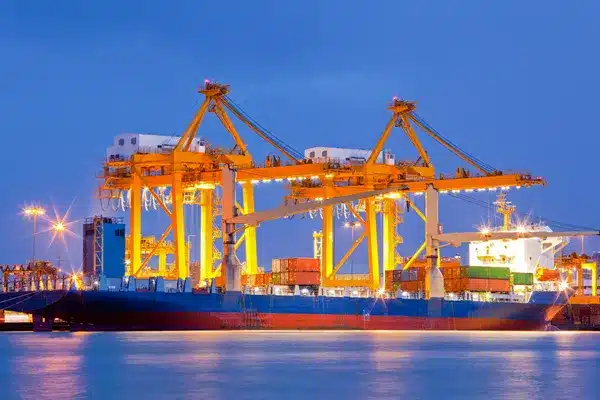
Sea freight is the most economical option for bulk shipments.
Air freight is suitable for smaller shipments or time-sensitive deliveries.
For shipments to Europe, rail freight offers a balance between cost and speed.
Shipping coffee beans from China to various regions involves several factors that influence cost, including shipping method, destination, volume, and current market conditions. Below is an overview of estimated shipping costs to different regions:
| Region | Shipping Method | Estimated Cost | Transit Time |
|---|---|---|---|
| North America | Sea Freight | $3,000–$5,000 (20-foot) | 20–40 days |
| Air Freight | $5–$7 per kg | 5–10 days | |
| Europe | Sea Freight | $3,000–$5,000 (20-foot) | 25–40 days |
| Rail Freight | $3,000–$4,000 (20-foot) | 15–25 days | |
| Africa | Sea Freight | $3,000–$5,000 (20-foot) | 30–45 days |
| Asia | Sea Freight | $1,800–$3,800 (20-foot) | 7–15 days |
| Air Freight | $3.5–$5.5 per kg | 3–7 days | |
| Oceania | Sea Freight | $3,800–$5,800 (20-foot) | 15–25 days |
Quality Control Issues:
Delays in Customs Clearance:
Transit Risks:
Market Competition:
Tonlexing specializes in handling sensitive and perishable cargo like coffee beans. With years of experience in food logistics, we ensure your beans arrive fresh, undamaged, and on time.
Our Services Include:
Can I import roasted coffee beans from China?
Yes, roasted beans can be imported, but they require more stringent packaging and shorter transit times to maintain freshness.
What’s the best shipping method for small quantities of coffee beans?
Air freight is ideal for small or urgent shipments due to its speed and reliability.
How do I ensure coffee beans stay fresh during shipping?
Use vacuum-sealed packaging, proper labeling, and temperature-controlled storage where possible.
Do Chinese coffee beans meet international standards?
Yes, many Yunnan producers adhere to global quality and sustainability standards, with certifications like Organic and Fair Trade.
Importing coffee beans from China presents a unique opportunity to access high-quality products at competitive prices. By sourcing from reputable suppliers, ensuring compliance with regulations, and partnering with an experienced logistics provider like Tonlexing, you can navigate the complexities of the import process with ease. Whether you’re a specialty coffee roaster, wholesaler, or retailer, Chinese coffee beans offer immense potential for growth in the global coffee market. Contact Tonlexing today to learn how we can streamline your coffee importing needs and help you bring the best of Yunnan’s coffee to your customers!
Useful freight, customs and importing resources related to this shipping guide.
Rising Global Demand for Frozen Food from China As demand rises for imported frozen food from China, global businesses are increasingly turning t...
Read guide →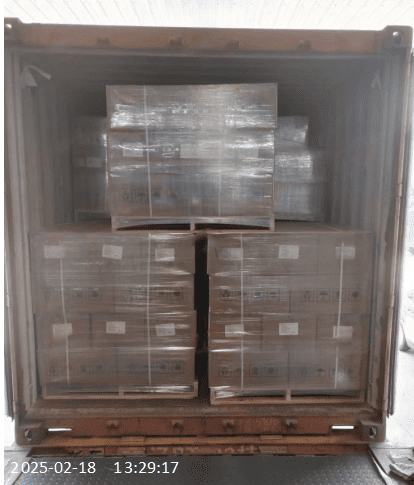
Shipment Overview Details Specifications Mode of Transport Sea Freight Container Type 40FT HQ Origin Shanghai, China Destination Germany (Hamburg...
Read guide →
Introduction: Why Import Packaging Supplies from China How to import and ship packaging supplies from China is a question many businesses ask whe...
Read guide →
Importing goods from China can be highly profitable—but only when you understand the necessary documents and import requirements. Whether you’re...
Read guide →Customs Inspection Guide: Holds, Inspection Process, and Smooth Clearance Verified & Reviewed · Last updated January 2026 Customs inspections are...
Learn more → Useful Resource What Is Cargo Insurance and How Does It Work?What Is Cargo Insurance and How Does It Work? Verified & Reviewed · Last updated April 2026 Cargo insurance protects goods against physical loss...
Learn more →WhatsApp us