

Oil Filled Transformer Shipping Guide
- Verified & Reviewed · Last updated March 2026
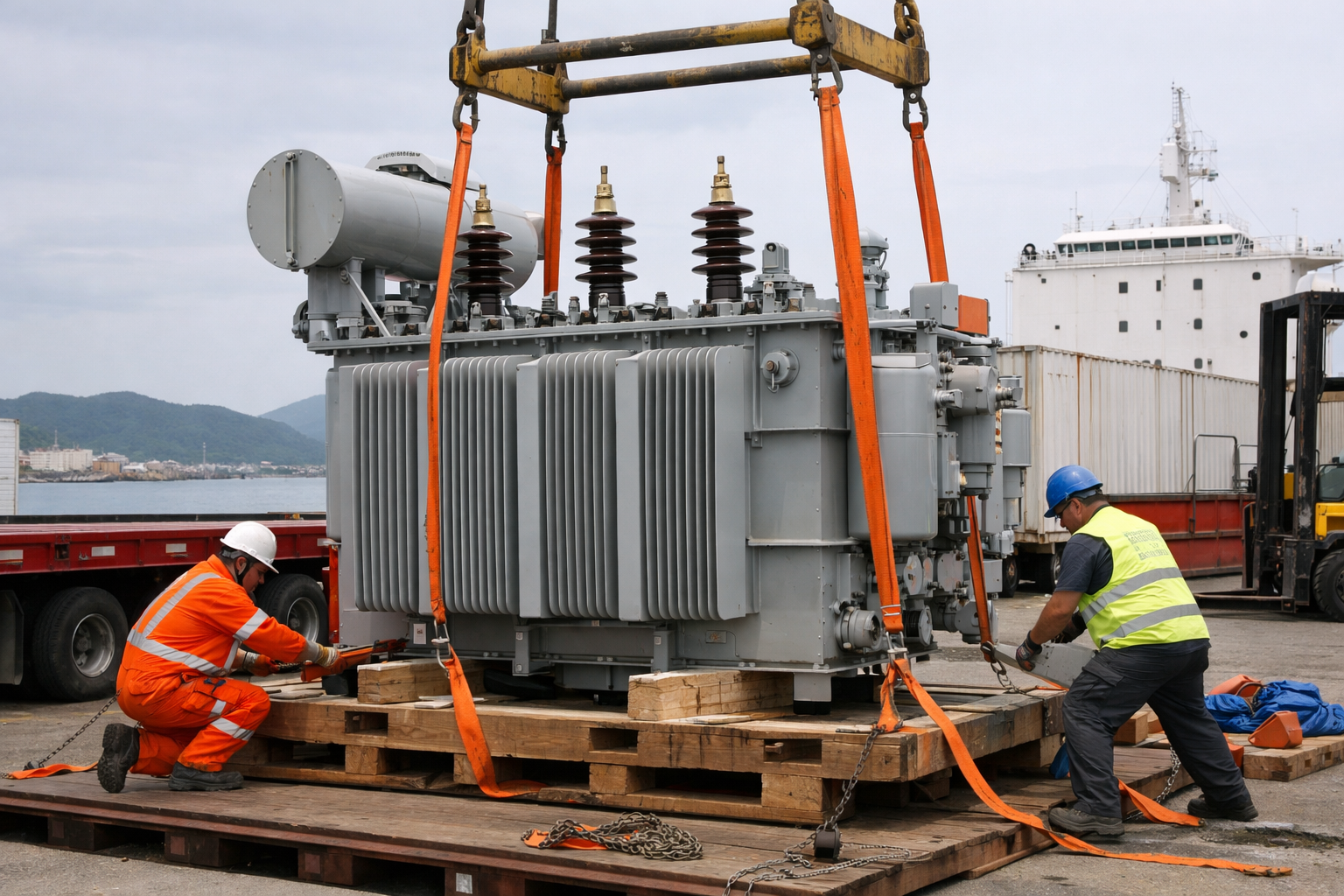
Oil Filled Transformer Shipping requires careful control of transport conditions, oil handling, pressure protection, and packaging to prevent moisture ingress, leaks, and installation delays.
This guide explains how to ship an oil filled transformer safely, covering pre-shipment inspection, filled or drained transport decisions, transformer oil handling, dry air and nitrogen protection, accessory removal, loading, storage, and final installation checks.
Pre-Shipment Inspection
Transformer Oil Handling
Pressure & Tank Protection
- Experienced China-based logistics specialists
Table of Contents
Why Oil Filled Transformer Shipping Requires Special Planning
An oil filled transformer is not just a heavy tank. Its internal condition matters as much as its external appearance. Even if the tank looks intact after shipment, the transformer may still suffer from moisture ingress, pressure loss, oil contamination, or hidden stress in the winding and insulation system.
The risk is higher when:
the unit is oversized or overweight
the transformer is partially drained or fully drained
bushings, radiators, or other accessories are removed
the shipment includes long storage before installation
the route involves multiple handling stages
the shipment moves through changing climate conditions
Most shipping problems come from avoidable failures such as weak inspection, poor pressure control, dirty oil handling, incomplete accessory packing, rough loading, and poor storage after arrival.
Pre-Shipment Inspection Comes First
Before a transformer is moved, it should go through a full pre-shipment inspection. This confirms the actual condition of the unit, identifies weak points, and creates a baseline record for technical review, claims support, and destination acceptance.
What to Inspect Before Shipment
The inspection should cover the full transformer, not just the visible exterior. The team should review the main tank, bushings, radiators, valves, seal condition, gauges, lifting points, accessories, and any visible signs of oil leaks. The oil level, dimensions, weight, and shipping configuration should also be confirmed before loading.
A strong inspection normally includes:
main tank condition
oil level and visible oil leaks
valve tightness and seal points
bushing condition
radiator condition
accessory count
lifting and handling points
dimensions and weight
packing readiness
storage requirements after shipment
If the transformer has already been serviced, modified, or partially dismantled, the inspection should note what was removed, lowered, replaced, or packed separately.
Why Inspection Records Matter
Inspection records are the technical reference point for the shipment. If a leak, pressure issue, or physical damage is found after arrival, the pre-shipment record helps determine whether the problem existed before transport or developed during shipment.
Detailed records should include photos, serial number details, nameplate information, written condition notes, and any relevant testing or oil sample data.
Filled or Drained: Choosing the Right Shipping Condition
One of the most important decisions is whether the transformer should be shipped filled or drained. The right choice depends on unit size, route restrictions, transport method, weight limits, storage time, and installation schedule.
When a Transformer Can Be Shipped Filled
Smaller or medium-sized units are generally shipped filled when the tank is in good condition and the transport weight remains acceptable. Keeping the oil inside helps maintain a more stable internal environment and may reduce site work after arrival.
A filled shipment is often suitable when:
the route can accept the full weight
the shipment is relatively direct
the transformer will not remain in long storage
the oil level can be maintained safely
the tank, valve, and seal condition are reliable
When a Transformer Should Be Drained
Large power transformers are often partially drained or fully drained to reduce weight and improve transport feasibility. This is common when the unit is oversized, when heavy haul transport is required, or when route restrictions make a filled shipment impractical.
A drained or partially drained shipment is often preferred when:
the total weight must be lowered
the route has axle or bridge restrictions
the shipment includes several handling stages
bushings and radiators are removed
ocean freight or long storage is involved
How to Protect the Tank After Draining
If the transformer is drained, the inside of the main tank must still be protected. It should never be left open to ambient air. Dry air or nitrogen is often used to maintain positive pressure inside the tank and protect the insulation and winding surfaces during shipment and storage.
The team should confirm that:
positive pressure is established correctly
gas pressure is monitored during shipment
every valve is checked before transport
every seal point remains stable
no pressure loss has occurred during storage or transit
Transformer Oil Handling Before and During Shipment
Transformer oil handling has a direct impact on insulation protection, transport safety, and installation readiness. Before shipment, the team should decide whether the transformer will travel filled, partially filled, or drained. From that point on, the oil system must be protected through loading, transport, storage, and final installation.
Checking Oil Condition Before Shipping
Before shipment, the oil condition should be reviewed carefully. At a minimum, the team should confirm the oil level, inspect for visible leaks, check whether the oil appears clean and stable, and decide whether an oil sample should be taken.
This review should answer several basic questions:
Is the oil level suitable for shipment
Are there any visible oil leaks
Does the oil appear clean
Is further testing required
Will the oil remain inside the transformer
Will the oil need to be transferred into sealed drums or another approved container system
If there is any doubt about oil quality, the issue should be resolved before loading.
When to Remove and Store Transformer Oil
If the transformer must be shipped drained, the oil should be removed under controlled conditions and stored in sealed drums or approved containers. During transfer, the oil must be protected from moisture, air, and contaminants.
Each container should be labeled clearly so the oil records remain consistent from removal to reinstallation. If the oil will be stored before reuse, storage conditions must also be controlled.
Oil Sample and Sample Container Control
Oil sample control is an important quality step. A clean, well-documented oil sample provides a useful baseline before shipment and helps with later testing if problems are suspected.
Each oil sample should be collected with a clean sample container and a dry, sealed bottle. Samples should be collected slowly to reduce air bubbles and protect test quality.
Good practice includes:
using a clean sample container for each oil sample
using a dry, sealed bottle
labeling all samples clearly
recording temperature, date, and unit details
protecting samples from moisture and dirt
storing samples properly until testing
For larger projects, samples may be taken before shipment, after arrival, and after oil treatment.
Pressure Control, Dry Air, and Nitrogen Protection
Pressure control is critical when the transformer is shipped partially drained or fully drained. Its purpose is to protect the internal insulation system, keep moisture out of the main tank, and maintain stable internal conditions from dispatch to installation.
Why Positive Pressure Matters
The transformer should remain under positive pressure throughout shipment and storage. This helps reduce the chance of moist outside air entering the tank through a minor leak or weak seal point. It also gives the transport team a practical way to monitor the sealing condition during transit.
If the pressure remains stable, the internal space is more likely to stay dry and protected. If the pressure drops unexpectedly, it may indicate leakage, sealing failure, or loss of internal protection.
Dry Air vs. Nitrogen
Both dry air and nitrogen are used to protect the internal space of a transformer, but they are usually used in different situations.
Nitrogen is more commonly used for drained shipment.
After oil removal, large transformers are often filled with high-purity nitrogen to preserve the internal condition and reduce the risk of moisture absorption.
Dry air is more commonly used for filled or partially filled shipment.
For smaller and medium-sized transformers, dry air may be introduced into the space above the oil to help control moisture and maintain stable internal conditions during transport.
Pressure Control During Transport
Pressure protection must be maintained through loading, transport, temporary storage, and final delivery.
The team should focus on a few essential checks:
confirm pressure before dispatch
inspect valve and seal points carefully
record pressure at regular intervals
watch for any sudden pressure loss
pay attention to major ambient temperature changes
Temperature matters because pressure rises and falls with changing conditions. Without regular monitoring, a pressure drop may go unnoticed until moisture has already entered the tank.

Main Tank Protection and Accessory Removal
In many transformer shipments, especially for larger units, accessory removal is necessary to reduce transport dimensions, lower weight, protect fragile components, and improve load stability.
Which Accessories Are Usually Removed
The accessories most commonly removed include bushings, radiators, fans, valve assemblies, gauges, and certain external leads.
Each removed part should be:
identified clearly
matched to the packing list
packed for transport and storage
protected from shock, moisture, and contaminants
prepared for proper installation after arrival
Packing Bushings and Radiators Correctly
Bushings require strong protection because they are sensitive to impact and handling stress. Radiators should be drained if required, capped carefully, and packed so contaminants cannot enter during shipment or storage.
At the same time, the main tank must be protected carefully after accessory removal. Every opening must be sealed, every valve checked, and every exposed point secured against moisture, air, and dirt.
Packaging, Loading, and Handling Guidelines
A transformer should never be loaded like ordinary equipment. Packaging, lifting, support, and restraint all need to match the actual unit, route conditions, and handling method.
Key Loading Points to Control
Before loading begins, the team should confirm that the transformer can be lifted and placed safely. Crane capacity, lifting points, support position, restraint design, and ground condition all matter.
The loading team should focus on:
approved lifting points
crane arrangement
weight distribution
tank support
restraint security
protection of valves and seal areas
separation and protection of detached accessories
How to Avoid Handling Damage
Handling damage often comes from poor habits rather than major accidents. Sudden crane movement, bad sling angles, rough forklift contact, careless unloading, or failure to recheck the load after movement can all damage a transformer.
To avoid handling damage:
move the unit slowly and deliberately
keep fragile parts fully protected
recheck the restraint after initial movement
inspect the tank and accessories after loading
separate heavy and fragile accessory packages properly
Transport Route, Storage, and Temperature Control
Shipping an oil filled transformer safely does not end when the transformer is loaded. Route selection, temporary storage, and temperature control all affect whether the transformer will still be in good condition when installation begins.
Storage Conditions Before Installation
If the transformer cannot be installed immediately after arrival, the storage environment must protect the unit just as carefully as the transport plan did.
A proper storage area should be:
dry
clean
secure
as stable in temperature as possible
suitable for maintaining pressure and seal integrity
Managing Oil Temperature and Ambient Temperature
Oil temperature and ambient temperature both matter during shipment and storage. Temperature changes affect pressure, condensation risk, and overall internal stability.
The team should monitor:
oil temperature before movement
ambient temperature during loading
pressure changes related to temperature
signs of condensation
exposure to precipitation or poor storage conditions
Compliance and Documentation
Compliance in transformer shipping includes more than standard freight paperwork. It also covers inspection records, oil handling details, pressure logs, accessory tracking, container records, testing results, and installation instructions.
A complete documentation package may include:
commercial invoice or transfer documents
oil sample records
pressure monitoring details
loading photos
accessory list
container identification
handling instructions
storage guidance
testing records
If any issue occurred during loading, shipment, or storage, it should be recorded immediately.
Unloading, Proper Installation, and Final Checks
The final stage of shipment is just as important as the first. A transformer can complete a long transport successfully and still suffer damage during unloading or poor site handling.
Checks Before Proper Installation
Before installation begins, the site team should verify the transformer’s arrival condition.
The arrival review should cover:
oil level
visible oil leaks
pressure status
seal condition
valve condition
accessory count
packing records
overall condition of the main tank
If the transformer was drained, oil filling should be completed using the correct process. If accessories were removed, they should be reinstalled carefully and in the proper sequence.
Post-Arrival Testing and Inspection
Testing after arrival helps confirm that the transformer remained stable during shipment and storage. Where required, insulation resistance testing should be performed before energization.
The team should also review oil sample data, pressure records, and storage logs before the transformer enters operation.
Common Mistakes and Best Practices for Safe Transformer Shipping
Many shipping problems are preventable. The most common mistakes include incomplete inspection, weak pressure control, dirty oil sample handling, poor packing of bushings and radiators, rushed loading, poor storage, and incomplete documentation.
The best practices are straightforward:
inspect the transformer thoroughly
decide early whether to ship filled or drained
protect the main tank with correct pressure control
handle transformer oil carefully
keep every oil sample and sample container clean
pack accessories for both transport and storage
manage temperature and moisture risk continuously
document every critical stage of the process
These steps help ensure safe delivery, reduce rework, support proper installation, and protect long-term service life.
Frequently Asked Questions
The safest way is to inspect the transformer fully, choose the correct filled or drained shipping condition, maintain positive pressure if required, protect the main tank from moisture, and use the right loading and transport method.
An oil sample provides a baseline reference for the transformer’s condition before shipment. It helps support later testing and makes it easier to determine whether a problem occurred during transport or storage.
In many cases, yes. Dry air or nitrogen is used to maintain positive pressure and preserve dryness inside the main tank. The final choice depends on the transformer design and technical instructions.
They are more vulnerable to handling damage and may increase transport dimensions. Removing them can improve shipment safety and reduce the risk of damage.
The team should check oil level, visible leaks, pressure status, seal condition, valve condition, accessories, packing records, and insulation resistance where required before installation and operation.
Related Transformer Shipping Guides
Get an Oil Filled Transformer Shipping Plan
- Filled or drained shipping guidance
- Oil handling and pressure protection
- Packing, loading, and installation support
Get practical shipping guidance, transport planning, and technical support for your transformer project.