Related Guide
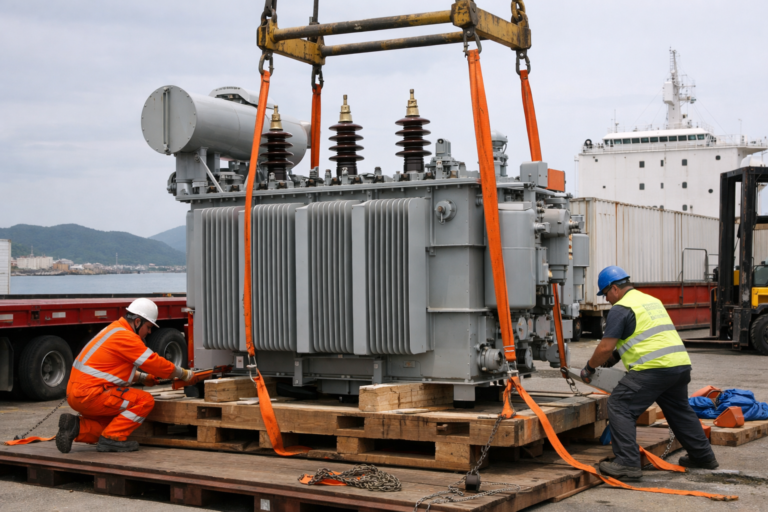
Oil Filled Transformer Shipping Guide
A practical guide to safe oil filled transformer shipping, including oil handling, pressure protection, packing, and installation support.
Read guide →

Shipping a power transformer from China to USA is more complex than booking standard cargo. These shipments often support utilities, industrial plants, data centers, renewable energy systems, and major infrastructure projects, so the logistics plan must protect both the equipment and the project schedule.
This guide explains how to handle power transformer shipping from China to USA, how to choose the right shipping method, what affects total landed cost, and how to reduce risk across the full supply chain.
Transformer types
Shipping methods
Customs clearance & HS code
Transformers are high-value electrical equipment with strict handling requirements. A shipping problem can lead to damage, installation delays, compliance issues, and unexpected costs.
The logistics plan usually needs to consider:
heavy or concentrated weight
oversized dimensions
special lifting points
export packing requirements
inland delivery access
unloading equipment at destination
customs documentation and classification
project schedule sensitivity
For this reason, transformer shipping should be planned early, not treated as a last-minute freight booking.
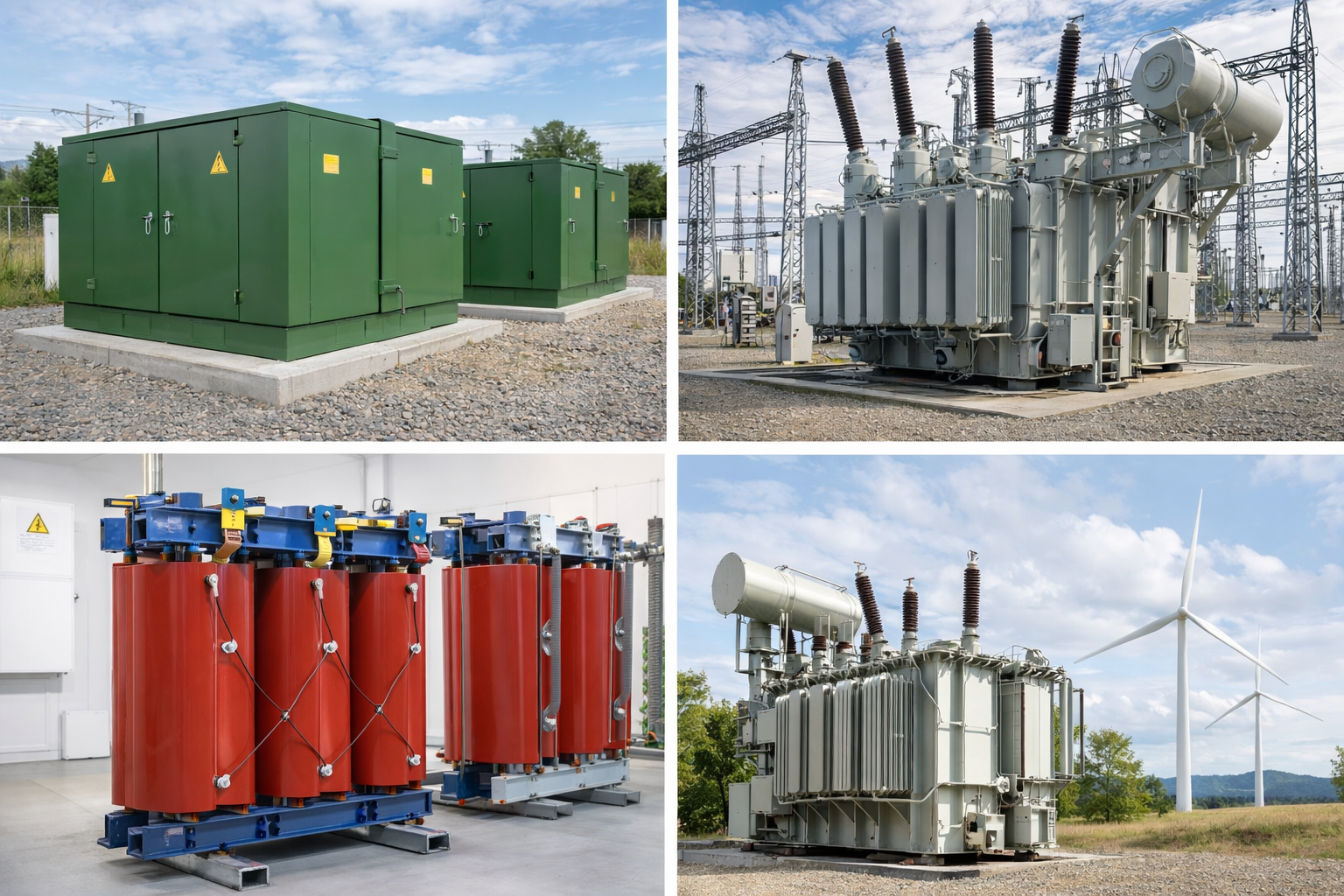
The transformers most commonly shipped from China to the USA fall into four main groups: distribution transformers, dry type transformers, power transformers, and specialty transformers used in renewable energy applications and other emerging power projects.
Distribution transformers are the most widely exported category. Their main role is to step down medium voltage to the final voltage used in residential, commercial, and light industrial applications.
The two most common types shipped to the U.S. market are:
Pole mounted transformers, installed on utility poles and widely used in suburban and rural areas. Their capacity commonly ranges from 10 kVA to 500 kVA.
Pad mounted transformers, installed on ground-level concrete pads and mainly used in underground distribution systems. In the U.S., they are widely applied in residential communities, commercial centers, and utility networks, with capacities typically ranging from 25 kVA to 5000 kVA.
Dry type transformers are a major export category for indoor applications. Since they do not use flammable insulating oil like liquid-filled units, they are often preferred in locations where fire safety and clean indoor operation are priorities.
Common subtypes include:
Cast resin transformers, known for strong fire resistance and moisture resistance
VPI transformers, suitable for indoor environments with strict safety and fire protection requirements
In the U.S. market, these dry type units are commonly used in hospitals, schools, high-rise buildings, and other indoor electrical systems. They are also becoming more important in AI data centers, where reliable operation, safety, and stable performance matter.
Power transformers are large, heavy units mainly used in power transmission and grid-level applications. Compared with distribution transformers, they usually involve higher capacities, high voltage classes, and more complex transport requirements.
This category typically includes:
Substation transformers, used for voltage step-up or step-down in substations. Their capacity can reach hundreds of MVA, with voltage classes such as 69 kV, 115 kV, and 230 kV.
Autotransformers, used to connect transmission systems operating at different voltage levels, such as 345 kV to 138 kV conversion.
As the U.S. energy transition continues, demand is also rising for specialty transformers linked to renewable energy projects and higher-efficiency electrical systems.
The main products in this category include:
Solar and wind transformers, designed for renewable energy applications and commonly paired with inverters and collection systems
Amorphous alloy transformers, which use low-loss core materials and are increasingly valued for better energy efficiency
| Transformer Type | Main Demand Driver in the U.S. Market | Typical Capacity / Voltage |
|---|---|---|
| Pad mounted transformers | Urban underground distribution and residential development | 150–2500 kVA / 13.2 kV |
| Large power transformers | Replacement of aging U.S. grid infrastructure | More than 100 MVA / 230 kV+ |
| Dry type transformers | Rapid growth of AI data centers and high-standard indoor facilities | 1000–3000 kVA |
| Renewable energy transformers | Solar projects and battery energy storage systems | 2.5–5 MVA / 34.5 kV |
Many U.S. importers source transformers from China because of the country’s strong transformer manufacturing base, broad product range, and export capacity. Chinese factories serve buyers in North and South America, Europe, the Middle East, and other markets, so many suppliers already understand export standards and project requirements.
A capable supplier in China can often offer:
a wide range of models for diverse applications
stable manufacturing capacity
good production efficiency
export-ready packing
customized solutions for different projects
competitive factory pricing
This is especially important for buyers serving modern power systems, renewable energy, utility upgrades, commercial construction, and industrial expansion. Many manufacturers also invest heavily in testing, automation, and latest technology to improve product quality, efficiency, and long-term reliability.
The right supplier has a direct impact on shipping performance. Even a good freight plan cannot fully offset weak manufacturing control, poor export packing, or incomplete technical documents.
Before placing an order, buyers should review whether the supplier or company can provide:
clear transformer specifications
rated voltage and frequency data
factory test information
realistic production schedules
export packing details
product drawings when required
stable communication
A good transformer factory should also show real export experience, familiarity with international standards, and the ability to respond to customer needs and unique needs. For many buyers, a trusted supplier is not simply the lowest-cost option, but the partner that can provide stable quality, practical custom solutions, and better support throughout the process.
Before booking freight, buyers should confirm that the transformer is technically correct for the intended use. This step helps ensure compliance, project fit, and long-term reliability.
Key checks usually include:
rated voltage
frequency
high voltage and low voltage side data
insulation type
cooling method
dimensions and gross weight
mounting configuration
accessory list
nameplate consistency
For distribution transformers, dry type transformers, oil immersed transformers, pad mounted, and pole mounted units, technical review should be completed before the shipment leaves the factory.
The best shipping method for a power transformer from China to USA depends on size, weight, urgency, and final delivery conditions.
If the transformer can fit inside a standard container, FCL shipping is usually the most practical choice. It offers better cargo protection, reduces handling during transit, and is often easier to manage in terms of cost and scheduling.
When the transformer is oversized or has irregular dimensions, flat rack or open top shipping may be required. This option is common for larger power transformers and some heavy industrial equipment that cannot fit into a standard closed container.
For very large transformers that cannot move by container at all, breakbulk shipping is often the only workable solution. It is commonly used for utility projects, substation equipment, and major infrastructure shipments.
Air freight is usually used for urgent spare parts, control components, or small accessories rather than complete transformer units. Its main advantage is speed, but the total shipping cost is much higher.
The right shipping method should match not only the cargo itself, but also the unloading conditions, route limits, and delivery schedule at destination.

Strong packaging is one of the most important parts of safe transformer transport. The cargo may face moisture, vibration, impact, crane handling, road transport stress, and long port dwell times.
Good export packaging usually focuses on:
reinforced base support
waterproof protection
shock resistance
lifting point markings
center-of-gravity markings
terminal protection
anti-tilt control
accessory separation when needed
For oil immersed transformers, sealing and leakage prevention are especially important. For dry type units, enclosure and coil protection matter more. In both cases, packaging quality directly affects safety, cargo condition, and delivery reliability.
The cost of shipping a power transformer from China to USA usually includes three main parts: ocean freight, U.S. duties and taxes, and origin and logistics charges. For transformer shipments, freight is important, but taxes, packaging, and inland transport can also make a big difference to the final landed cost.
Ocean freight is the base shipping cost from a Chinese port such as Shanghai, Ningbo, or Qingdao to a U.S. port.
Standard FCL container shipping is suitable for smaller power transformers or dry type transformers that can fit inside a 20GP or 40HQ container.
To the U.S. West Coast, rates are often around USD 2,500–4,000
To the U.S. East Coast, rates are often around USD 2,800–5,200
Flat rack shipping is used for transformers that are too wide or too high for a standard container.
This is often 30% to 50% more expensive than standard container shipping
In many cases, the cost is around USD 5,000–8,000
Breakbulk shipping is usually used for very large power transformers, especially units above 50 tons.
Freight is often charged by weight or measurement
A common reference range is USD 100–200 per ton
For many transformer imports, duties and taxes are one of the biggest cost variables.
Under HS Code 8504, the basic import duty is often around 0% to 2.6%, depending on the exact product type.
Buyers should also check whether additional tariffs apply at the time of import.
Other charges may include MPF, HMF, and customs-related processing fees.
Because trade policy can change, it is always better to confirm the latest duty treatment before shipment.
Besides freight and taxes, there are also origin-side and logistics support costs.
Export packaging: about USD 300–1,800 per unit
Heavy transformers usually need strong wooden or steel-reinforced packaging.
Inland trucking in China: about USD 400–2,500
This depends on pickup distance, weight, and whether special transport is needed.
Export customs declaration and port charges: often around USD 200–600
Marine insurance: usually around 0.3%–0.8% of cargo value
Since transformers are high-value and damage-sensitive, insurance is strongly recommended.
The transit time for shipping a power transformer from China to USA depends on the departure port in China, the destination region in the United States, and the shipping method. In general, shipments to the U.S. West Coast are faster, while shipments to the U.S. East Coast usually take longer.
U.S. West Coast: Door-to-door transit time is usually around 15 to 30 days, while port-to-port transit time is usually around 11 to 18 days. Common destination ports include Los Angeles, Long Beach, and Seattle.
U.S. East Coast: Door-to-door transit time is usually around 30 to 55 days, while port-to-port transit time is usually around 25 to 40 days. Common destination ports include New York, Savannah, and Miami. Transit is usually longer because many routes pass through the Panama Canal.
Air freight: Transit time is usually around 5 to 12 days. This option is mainly used for spare parts, control components, or small transformer units rather than full-size power transformers.
When planning a transformer shipment, buyers should look beyond the main transit leg. The final delivery timeline may also include factory pickup in China, export handling, port operations, customs clearance in the USA, inland trucking, and unloading at destination. Each of these steps can affect the final delivery date.
For this reason, door-to-door transit time is usually more useful than port-to-port transit time when planning a real shipment. It provides a more complete view of the entire logistics process and helps importers arrange site access, unloading equipment, and project scheduling more accurately.
Customs clearance is one of the most important parts of power transformer shipping from China to USA. Transformer imports usually involve technical product descriptions, correct tariff classification, and complete shipping documents. If the HS code or paperwork is wrong, the shipment may face delays, extra review, or higher costs.
Most transformers are classified under HS 8504, but the exact HTSUS code depends on the transformer type and rated capacity. In practice, the 10-digit U.S. tariff code determines the final duty treatment, so importers should always confirm the exact classification before shipment.
| Transformer Type | Common HTSUS Code | Basic Duty Rate (MFN) |
|---|---|---|
| Rated capacity above 500 kVA | 8504.34.00.00 | 1.6% |
| Rated capacity 16 kVA–500 kVA | 8504.33.00 | 1.6% |
| Rated capacity 1 kVA–16 kVA | 8504.32.00.00 | 2.4% |
| Liquid dielectric transformers above 10,000 kVA | 8504.23.00 | 1.6% |
Importers should also check whether any additional tariffs apply at the time of entry. For some transformer products, tariff treatment may change based on the latest U.S. trade policy. Because of this, the final duty rate should always be confirmed with a customs broker or trade specialist before the cargo arrives.
Transformer shipments usually require a complete set of customs and shipping documents. Since these products are high-value electrical equipment, document accuracy is especially important.
The main documents usually include:
Commercial Invoice:This should include a clear product description, unit price, total value, seller and buyer details, and agreed trade terms.
Packing List:This should show the weight, dimensions, and packing method for each package.
Bill of Lading:This is the main shipping document issued for ocean transport.
In addition to these core documents, importers may also need supporting technical information, especially when customs needs to confirm the product type, rated capacity, or classification.
Even when the transformer itself is ready, a shipment can still be delayed by avoidable mistakes in packing, documents, booking, or delivery planning. For power transformer shipping from China to USA, most problems do not come from one major issue, but from several small errors that build up during the process.
The most common mistakes include:
Incorrect dimensions or weight
Wrong cargo data can lead to booking problems, higher charges, or loading delays.
Poor packaging
Weak packaging increases the risk of damage during handling and ocean transport.
Document errors
If the commercial invoice, packing list, or HS code does not match the actual cargo, customs clearance may be delayed.
Late booking
Large or oversized transformers usually need more time for space booking and port arrangements.
No destination delivery plan
Delays can also happen after arrival if inland trucking, unloading equipment, or site access is not ready.
Choosing only by price
A low freight rate may not be the best option if the forwarder lacks experience with heavy electrical equipment.
To avoid delays, buyers should confirm the final cargo details early, use proper packaging, prepare accurate documents, and plan delivery before the shipment leaves the factory.
Sea freight is usually the best choice for full-size transformer units. The exact solution depends on dimensions, weight, and destination delivery conditions.
Yes. Many factories in China produce power transformers, distribution transformers, dry type transformers, oil immersed transformers, and other transformer products for export.
The main documents usually include the commercial invoice, packing list, bill of lading, and correct HS code information.
Use accurate dimensions and weight, review packaging early, confirm destination delivery requirements, and choose the right shipping method from the start.
Because China offers broad manufacturing capacity, flexible production, competitive pricing, and the ability to serve different electrical and project requirements.
Useful freight, customs and importing resources related to this shipping guide.
A practical guide to safe oil filled transformer shipping, including oil handling, pressure protection, packing, and installation support.
Read guide →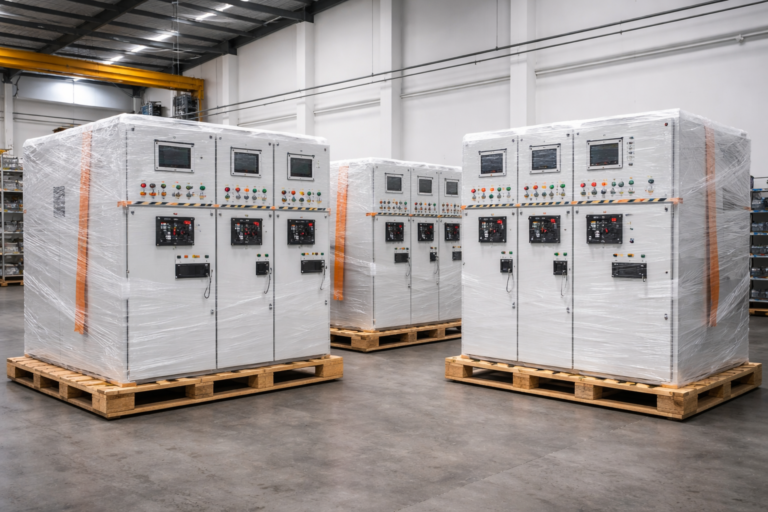
Shipping Switchgear from China Verified & Reviewed · Last updated April 2026 Shipping switchgear from China involves more than basic freight book...
Read guide →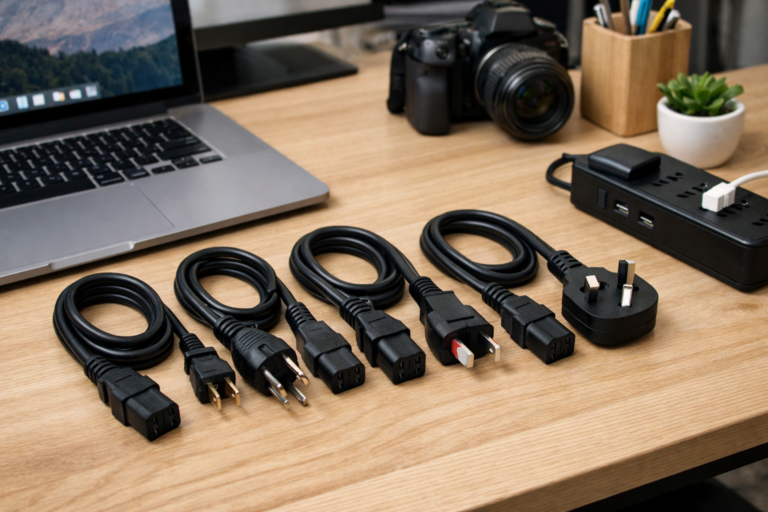
A practical guide to shipping power cables from China to USA, covering air freight, sea freight, LCL vs FCL, shipping costs, customs clearance, a...
Read guide →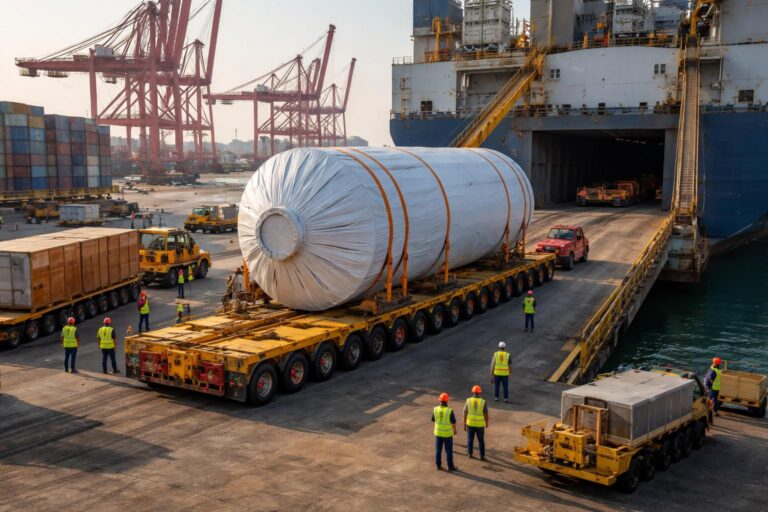
Shipping Oversized Cargo from China Verified & Reviewed · Last updated February 2026 Shipping oversized cargo from China depends on cargo dimensi...
Read guide →Shipping Factory Machines from China Verified & Reviewed · Last updated July 2026 Shipping factory machines from China requires careful planning...
Learn more → Useful Resource What Is Dunnage in Shipping? A Practical Guide to Dunnage Materials, Types, and Best PracticesWhat is dunnage in shipping? Dunnage is the protective material you add around cargo to fill empty spaces, reduce movement, and prevent damage du...
Learn more →WhatsApp us