

Shipping CNC Machines
- Verified & Reviewed · Last updated April 2026
Shipping CNC Machines from China is a complex process that requires proper planning, secure packaging, and the right shipping method. This guide will help you understand costs, transit times, and the safest ways to transport CNC equipment internationally.
This guide explains how to ship CNC machines safely, including packaging, loading, trailer selection, ocean freight options, customs clearance, and final delivery planning for both domestic and international shipments.
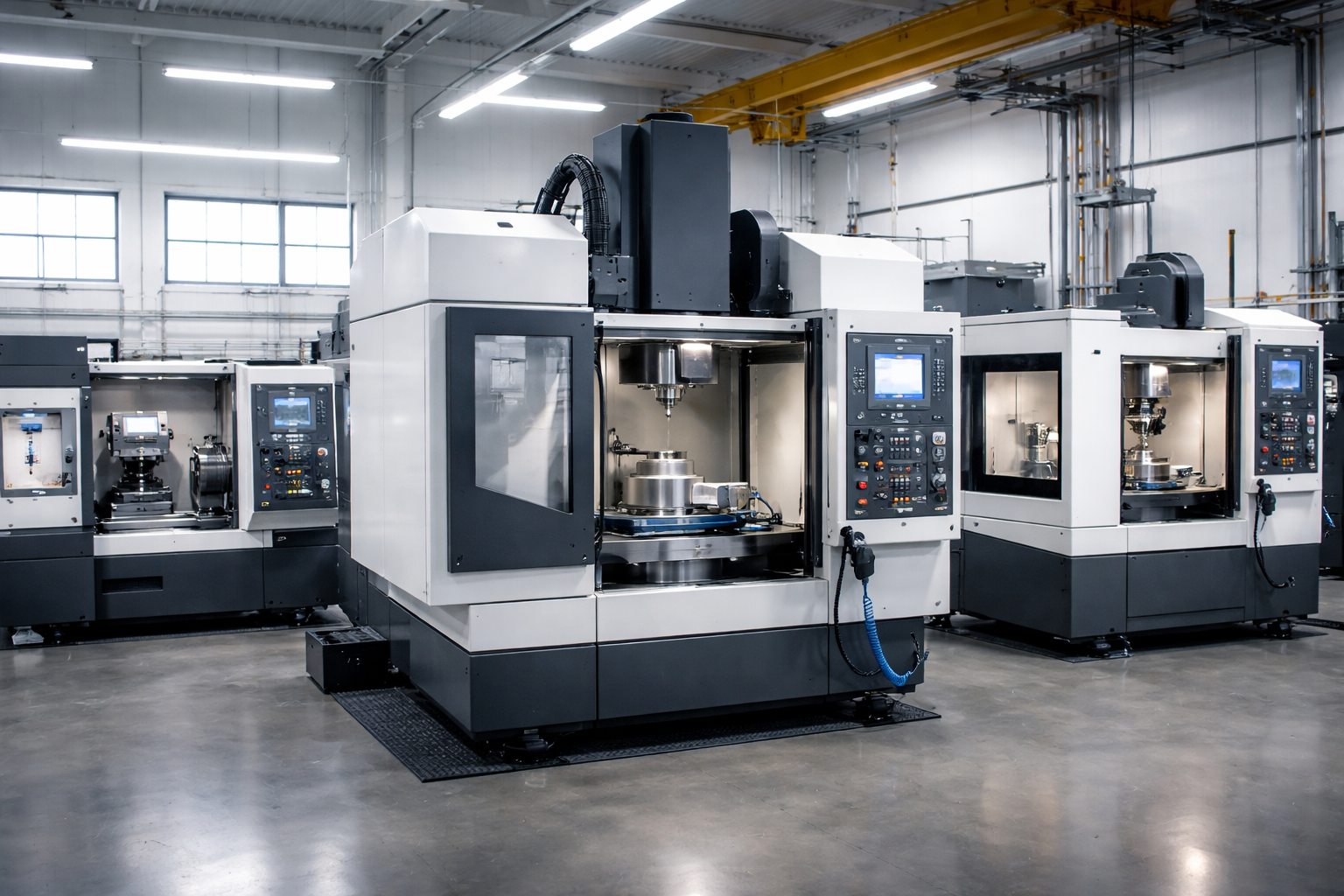
CNC machine
Trailer & container options
Export packing & customs
- Experienced China-based logistics specialists
Table of Contents
What Is CNC Machine Shipping
CNC machine shipping refers to moving computer numerical control equipment from one origin to another by truck, trailer, ocean freight, air freight, rail, or multimodal transport. This can include:
CNC milling machines
CNC lathes
CNC routers
vertical machining centers
horizontal machining centers
grinding machines
laser cutting machines
plasma cutting systems
used CNC machines for resale or relocation
Unlike general machinery, CNC equipment combines industrial strength with delicate internal precision. The frame may be solid, but the spindle, rails, table, controls, and head assembly can still be damaged by vibration, moisture, poor loading, or inadequate bracing. That is why CNC machine transport should always be handled as specialized machinery shipping rather than ordinary cargo movement.
Why Shipping CNC Machines Requires Special Handling
Most CNC machines are expensive, heavy, and sensitive at the same time. A mistake during pickup, loading, transit, or unloading can lead to alignment issues, damaged parts, corrosion, or electronic failure. In many cases, the machine may arrive physically intact but still fail to perform to specification because of hidden transport damage.
The main risks in CNC machine shipping include:
Vibration and Shock: Long-distance road transport, rough handling, and repeated cargo transfers can affect the machine structure and precision surfaces. Sensitive tools, linear guides, and control components are often the most vulnerable.
Moisture and Corrosion: Overseas shipping may expose the machine to humidity and container condensation. Without proper protection, metal surfaces can rust and electrical parts may be damaged.
Incorrect Loading: Improper forklift handling or the wrong trailer choice can put stress on the base, head, table, or frame. The machine should always be loaded based on its actual weight distribution.
Incomplete Preparation: If moving parts are not secured, fluids are not handled properly, or loose accessories remain inside the machine, the risk of shipping damage increases.
Clearance and Delivery Delays: International shipments also depend on accurate documents, customs clearance, and destination delivery arrangements. Any mistake can delay installation and affect operations.
Common Types of CNC Machinery Shipped
Every CNC machine shipping job is different. The right transport plan depends on the machine’s size, weight, shape, value, destination, and delivery schedule. In practice, both new and used CNC machine shipments can fall into several common categories.
Small and Mid-Sized CNC Equipment
Smaller CNC routers, benchtop machines, and compact CNC mills are generally easier to handle than large industrial units. They may be shipped on a reinforced pallet, packed in a crate, or moved in an enclosed truck. Even so, they still require proper packaging, internal protection, and secure loading to reduce the risk of vibration or transit damage.
Standard Industrial CNC Machines
This category includes many CNC machines used in metalworking, fabrication, and general industrial production. These units are typically heavier, more valuable, and more sensitive to handling conditions. Depending on the route and machine dimensions, they are often transported by flatbed trailer, step deck trailer, or container shipping.
Oversized or Heavy CNC Machinery
Large machining centers, gantry systems, and other oversized industrial machines require more specialized transport planning. Because of their dimensions or weight, they may need lowboy trailers, open-top containers, flat rack shipping, or project cargo solutions. In these cases, experienced heavy haulers or machinery transport specialists are often necessary to ensure safe loading, secure transit, and smooth delivery.
How to Prepare a CNC Machine for Shipping
Preparation is one of the most important parts of CNC machine shipping. A machine that is properly prepared is easier to load, easier to secure, and far less likely to suffer damage in transit.
Inspect the Machine
Before pickup, inspect and document the machine condition. Record:
model and serial number
current operating condition
visible marks or scratches
control panel status
spindle area
tools and accessories
electrical cabinet condition
Take clear photos and videos from several angles. This creates a reference before the shipment begins.
Lock and Secure Moving Parts
Moving components must be locked before transport. This may include the table, spindle head, tool changer, doors, gantry, and carriage. Follow manufacturer guidance whenever available. If original transport brackets or locks are available, use them.
Remove Loose Items and Tools
Loose parts should never remain inside or on the machine during shipment. Remove and pack separately:
chucks
fixtures
tool holders
coolant tanks
cables
manuals
spare tools
external accessories
These items can be packed in a box, on a pallet, or in dedicated foam-protected cases depending on value and fragility.
Drain Fluids if Needed
Some machines should be drained before shipping, especially when moved long distance or overseas. This may include coolant, lubricants, or hydraulic fluids. Check manufacturer instructions before disassembly or fluid removal.
Protect Precision Surfaces
Precision-machined surfaces need protection against rust, dust, and moisture. Depending on shipment conditions, this may involve anti-rust coating, sealed wrapping, barrier film, desiccants, foam padding, or other corrosion protection materials.
Use Strong Export Packaging
Packaging must match the machine size, weight, and transport mode. Common options include:
heavy wooden crate
skid-mounted steel base
reinforced pallet base
shrink wrap
blocking and bracing
internal foam protection
moisture barrier packaging
A crate is often the best choice for smaller or high-value CNC equipment. For larger machinery, the base may be secured directly to a transport frame and protected with industrial wrapping and bracing.
Best Transport Methods for Shipping CNC Machines
Choosing the right transport method is one of the most important parts of CNC machine shipping. The best option depends on the machine’s dimensions, weight, value, transit distance, delivery schedule, and protection requirements.
Truck Transport for Domestic CNC Machine Shipping
Truck transport is the most common solution for domestic CNC machine shipping. It offers flexible pickup and delivery, making it suitable for factory relocation, dealer transfers, equipment resale, and regional distribution.
Flatbed Trailer
A flatbed trailer is one of the most widely used options for shipping CNC machines. It allows loading from the side or top and works well for many standard industrial machines.
Step Deck Trailer
A step deck trailer is a good choice when the CNC machine is too tall for a standard flatbed. Its lower deck height helps keep the shipment within legal road height limits.
Lowboy or Specialized Heavy Haul Trailer
For oversized or very heavy CNC machinery, a lowboy or specialized heavy haul trailer may be required. This method is commonly used for equipment that exceeds normal road size or weight limits.
Enclosed Truck
An enclosed truck is usually used for smaller CNC equipment or shipments that need stronger protection from weather, dust, and road exposure. It is less common for full-size industrial machines, but it can be a good solution for compact and high-precision equipment.
Ocean Freight for Overseas CNC Machine Shipping
For international shipments, ocean freight is usually the most cost-effective method for transporting CNC machines. It is especially suitable for heavy equipment, large machinery, and non-urgent industrial shipments.
Full container load shipping is ideal when the CNC machine can fit inside a standard shipping container. It offers better cargo protection and reduces handling compared with shared container shipments.
Open Top Container
An open top container is useful when the machine is too tall for standard container door loading but can still fit within container dimensions when loaded from above.
Flat Rack Shipping
Flat rack shipping is commonly used for oversized CNC machines that cannot fit into a standard container. It allows loading from the side or top and is often used for large industrial machinery.
Breakbulk shipping is used when the CNC machine is too large or too heavy for container transport. In this method, the equipment is handled as individual cargo rather than packed into a container.
Air Freight for CNC Equipment
Air freight is not a common choice for full-size CNC machines because shipping costs rise quickly with weight and dimensions. However, it can still be the right solution when delivery speed is more important than freight cost.
Air freight is most suitable for:
compact CNC units
urgent spare parts
high-value control systems
critical components needed to restore operations
When production downtime is expensive, air freight can be a practical option for time-sensitive CNC equipment and replacement parts.

How to Ship a CNC Machine Safely
Shipping a CNC machine safely requires more than simply booking freight. Because CNC equipment is heavy, valuable, and precision-sensitive, the entire process should follow a clear and disciplined workflow.
Confirm Exact Weight and Dimensions
Never rely on rough estimates. Actual weight, base dimensions, total height, and center of gravity are essential for choosing the right trailer, forklift, crane, and loading method. Incorrect shipment data can lead to failed pickup, unsafe loading, or unnecessary transport delays.
Evaluate Pickup and Delivery Access
Before arranging pickup, review the loading and unloading conditions at both origin and destination. Important details include:
dock access
ground-level loading
crane availability
forklift capacity
indoor delivery requirements
narrow roads or restricted site entry
This information helps determine the right truck, trailer, and handling plan before the shipment begins.
Choose the Right Packaging Method
The packaging method should match the machine’s value, transport distance, and shipping environment. A short domestic move may require less protection than overseas container shipping, but even short-distance transport still needs secure bracing, surface protection, and stable support.
Use Proper Loading Equipment
Loading should always be carried out with equipment that matches the machine’s weight and lifting requirements. Depending on the shipment, this may involve a forklift, crane, gantry system, or professional rigging team. Improper loading is one of the most common causes of CNC machine shipping damage.
Secure the Machine Correctly
Once loaded, the machine must be secured carefully to prevent movement during transit. Blocking, bracing, chains, straps, and edge protection should be used as needed based on the machine type and transport method.
Insure the Shipment
Because a CNC machine is a major business investment, cargo insurance is strongly recommended. Insurance is especially important for used CNC machine shipments, overseas freight, and high-value industrial equipment.
Documents Needed for International CNC Machine Shipping
For overseas CNC machine shipping, accurate documents help prevent customs delays and improve shipment visibility. Common documents may include:
bill of lading
export declaration
certificate of origin if required
cargo insurance certificate
machinery specification sheet
ISPM 15 proof for wooden crate packaging where required
The cargo description should always be clear and specific. It is better to use terms such as CNC milling machine, CNC lathe, or used CNC machine rather than a vague description like machine or equipment.
Common Mistakes to Avoid
Many problems in CNC machine shipping are caused by avoidable mistakes. Poor preparation, incorrect transport planning, or weak packaging can lead to damage, delays, and additional cost.
Some of the most common mistakes include:
Using weak packaging: Standard pallets or light wooden boxes are often not strong enough for heavy CNC machinery.
Choosing the wrong trailer: Not every CNC machine can be moved safely on a standard trailer.
Providing inaccurate shipment details: Incorrect weight, dimensions, or cargo descriptions can cause failed pickup or the wrong transport plan.
Ignoring moisture protection: For ocean freight and long-distance shipping, corrosion damage is common when moisture control is skipped.
Overlooking pickup and delivery conditions: Limited access, low forklift capacity, or restricted unloading space can delay the shipment.
Choosing the cheapest quote without checking experience: For CNC machine shipping, handling expertise and communication often matter more than the lowest price.
How to Choose the Right Freight Partner
The right freight partner can make a major difference in CNC machine shipping. For this type of cargo, experience matters as much as price. A good logistics provider should not only arrange freight, but also understand machinery transport, packaging requirements, loading risks, and delivery coordination.
When choosing a freight partner, look for a company that can:
review machine weight and dimensions carefully
recommend the right transport method
arrange crate or pallet packaging if needed
coordinate pickup and loading
advise on flatbed, trailer, or container selection
support customs clearance for overseas shipments
provide realistic transit and delivery schedules
handle heavy equipment and precision machinery safely
At Tonlexing, we can help customers arrange CNC machine shipping from China based on the cargo size, route, and delivery requirements. Our team can support transport planning, export packing, sea freight or air freight arrangements, customs clearance coordination, and final delivery, helping reduce risks and make the shipping process smoother and more efficient.
Frequently Asked Questions
To ship a CNC machine safely, start with inspection, lock all moving parts, remove loose tools, protect precision surfaces, and use proper packaging such as a crate or reinforced base. Then choose the right trailer, truck, or freight method based on weight, dimensions, and destination.
A flatbed trailer works for many standard shipments. A step deck trailer is better for taller machinery. Very heavy or oversized CNC machinery may require a lowboy or other heavy haul trailer.
Yes. CNC machines are commonly shipped overseas by ocean freight using full containers, open top containers, flat racks, or breakbulk service depending on size and weight.
The cost depends on weight, dimensions, transport distance, trailer type, packaging, loading requirements, customs clearance, and delivery conditions.
Yes. A used CNC machine may need extra inspection, rust protection, partial disassembly, and more careful securement because original transport supports may be missing.
More Shipping Guides
Get a CNC Machine Shipping Quote from China
- Safe transport for precision machinery
- Flatbed, container, and heavy haul options
- Export packing and customs support
Get tailored shipping solutions, practical transit planning, and expert support for your CNC machine shipment.