Related Guide
Sea Freight from China to Canada
Sea Freight from China to Canada Verified & Reviewed · Last updated July 2026 Sea freight from China to Canada offers a cost-effective solution f...
Read guide →

Canada container drayage services connect major ports and rail terminals in Vancouver, Montreal, Toronto, and other Canadian logistics hubs with warehouses and distribution centers. Reliable container pickup, delivery, and empty returns help reduce delays and additional charges.
This 2026 guide covers drayage costs, transit times, port and rail operations, and demurrage fees. Tonlexing helps coordinate local container transport and inland delivery for businesses shipping from China to Canada.
Drayage Costs
Transit Time
Port & Rail Drayage
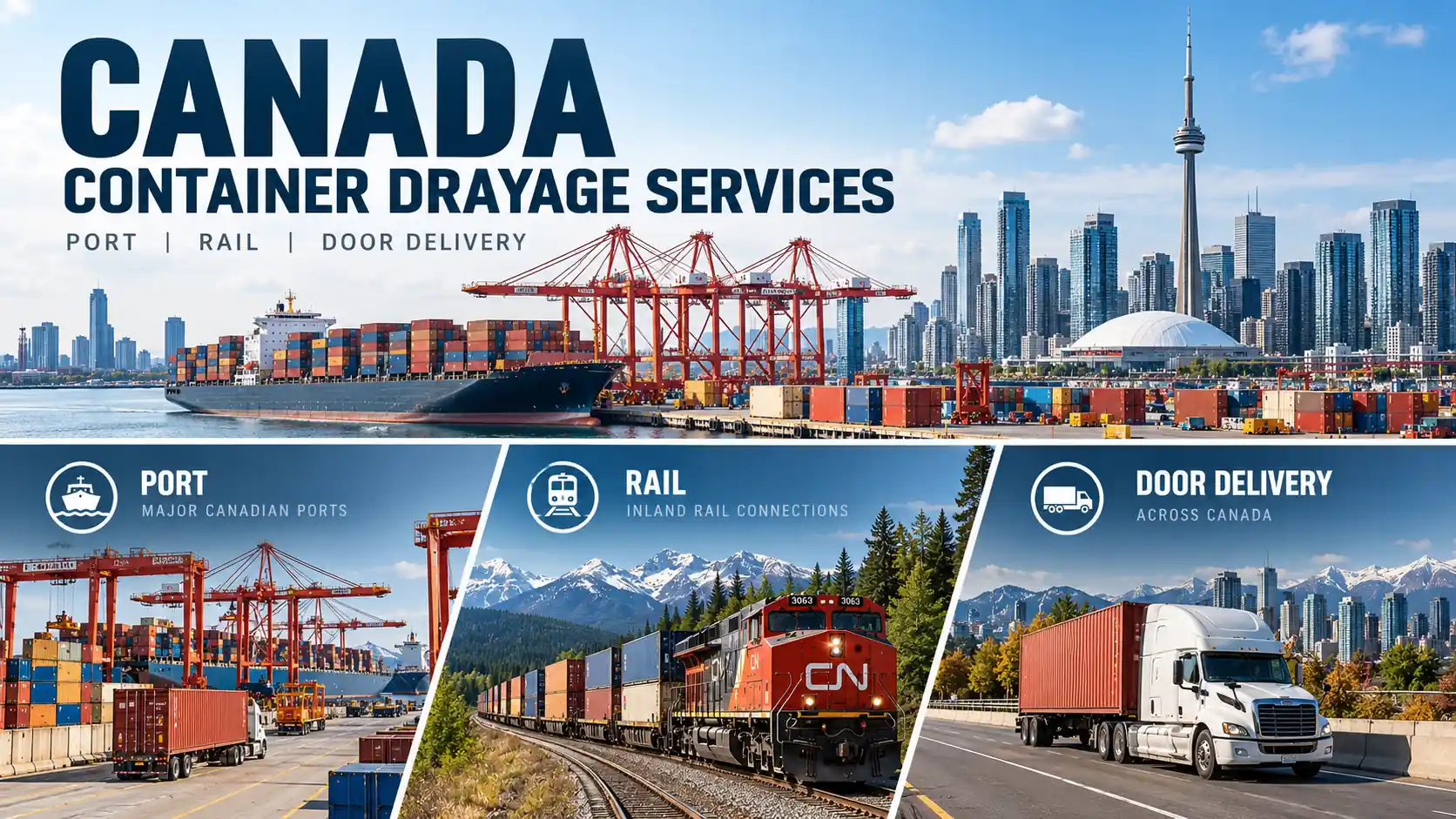
Container drayage is the short-distance transportation of shipping containers between ports, rail terminals, warehouses, and nearby logistics facilities. It typically uses specialized trucks and chassis to move loaded or empty containers.
Drayage connects ocean freight, rail transportation, and local trucking. While international shipping brings cargo into Canada, drayage handles the local container movement needed to complete the next stage of delivery.
Common container drayage operations include:
Port drayage: Moving containers from marine terminals to warehouses, distribution centers, or transloading facilities.
Rail drayage: Collecting containers from inland intermodal rail terminals for local delivery.
Inter-carrier drayage: Transferring containers between transportation terminals or facilities when required.
Empty container returns: Returning unloaded containers to the designated terminal or empty depot.
Unlike long-distance trucking, drayage generally covers a relatively short movement. However, terminal appointments, equipment availability, and container return deadlines make it a time-sensitive part of intermodal transportation.
Container drayage services in Canada cover several transportation needs, from collecting imported shipping containers to supporting specialized cargo and warehouse operations.
The appropriate service depends on where the container arrives, its size and weight, the final delivery address, and whether additional handling is required.
Port and rail drayage connects international freight with local transportation networks.
Services commonly include:
Import container pickup from marine terminals
Loaded container delivery from CN and CPKC rail terminals
Export container delivery to ports or rail facilities
Empty container collection and return
Terminal appointment and truck scheduling
For full-container imports, port pickup is often the first local transportation step after the container becomes available and satisfies release requirements.
Businesses arranging sea freight from China to Canada should confirm local drayage arrangements before the vessel arrives, particularly when delivering to warehouses outside the immediate port area.
Not every importer has a warehouse capable of receiving a loaded shipping container.
Container drayage can be combined with warehouse services to support different delivery requirements.
Live unloading: The truck waits while the consignee unloads the container.
Drop-off service: A loaded container is left at an approved facility for later unloading, subject to equipment and site arrangements.
Transloading: Goods are transferred from ocean containers to domestic trucks or trailers.
Distribution center delivery: Containers are transported to receiving facilities, fulfillment centers, or commercial warehouses.
For smaller shipments, FCL vs LCL shipping to Canada can help importers determine whether they need a dedicated container or consolidated cargo delivery.
LCL shipments are commonly separated at a container freight station before individual shipments are delivered, so the final trucking arrangement differs from full-container drayage.
Certain shipments require equipment, documentation, or operating arrangements beyond standard dry-container trucking.
Specialized drayage services may include:
Refrigerated containers: Reefer movements with suitable power or generator arrangements when required.
Overweight containers: Heavy container transportation subject to axle-weight limits, permits, and suitable equipment.
Bonded drayage: Authorized movement of unreleased cargo under applicable customs controls.
Cross-border container transport: Coordinated movements between Canada and the United States when supported by qualified carriers and appropriate documentation.
Specialized cargo should be reviewed before booking. Reefer temperature requirements, container gross weight, hazardous goods classification, and unloading conditions can affect carrier acceptance and pricing.
Need container pickup or local delivery in Canada? Contact Tonlexing with your container details, pickup terminal, and delivery address to request a coordinated drayage quotation.
Container drayage providers operate around Canada’s major ocean gateways and inland intermodal terminals.
The most suitable location depends on the ocean shipping route, railway network, destination market, and the availability of local trucking equipment.
The Port of Vancouver is a major container gateway for imports arriving from China and other Asian markets.
Important container facilities include:
Deltaport: Located at Roberts Bank in Delta, supporting international container shipping and rail connections.
Vanterm: Located in Vancouver, serving containerized freight and inland transport connections.
Centerm: Located on Vancouver’s waterfront, with container handling and road and rail access.
Drayage operations around Vancouver connect marine terminals with warehouses and logistics facilities in areas such as Richmond, Delta, Surrey, and other Metro Vancouver locations.
The Port of Prince Rupert provides another gateway for trans-Pacific container freight. Its Fairview Container Terminal is strongly oriented toward marine-to-rail transportation, so trucking requirements must be checked against available terminal services and the cargo’s planned route.
For importers using either gateway, drayage planning should account for terminal availability, container release, truck access requirements, and inland rail connections.
The Port of Montreal serves containerized imports and exports moving through Eastern Canada.
Its established international container terminals include Viau, Maisonneuve, Racine, and Cast.
Montreal container drayage commonly connects terminals with warehouses, industrial areas, and distribution facilities across Greater Montreal and nearby logistics markets.
The Port of Halifax is another important Atlantic gateway, with container activity at PSA Halifax Atlantic Hub and Fairview Cove.
Local drayage in Halifax supports port-area freight movement, warehouse delivery, and connections to inland transportation networks.
Toronto is a major inland logistics market rather than an ocean container port. Many international containers reach the Greater Toronto Area by rail before final delivery by truck.
Important rail and distribution locations include CN’s Brampton and Mississauga-area intermodal facilities, other rail terminals serving the Greater Toronto Area, and logistics warehouses throughout Toronto, Mississauga, Brampton, and Vaughan.
Additional inland drayage markets include Calgary, Edmonton, and Winnipeg.
| Drayage Region | Major Gateway or Hub | Typical Container Movement |
|---|---|---|
| Vancouver, BC | Deltaport, Vanterm, Centerm | Port pickup and warehouse delivery |
| Prince Rupert, BC | Fairview Container Terminal | Rail-focused imports and selected local movements |
| Montreal, QC | Viau, Maisonneuve, Racine, Cast | Port drayage and distribution delivery |
| Halifax, NS | Atlantic Hub, Fairview Cove | Port pickup and regional distribution |
| Toronto / Mississauga, ON | GTA intermodal rail terminals | Rail container pickup and warehouse delivery |
| Calgary / Edmonton / Winnipeg | Inland intermodal terminals | Rail-to-truck transfer and regional distribution |
The ocean port and final drayage location are not always the same. For example, a container can arrive at Vancouver, travel inland by rail, and then require a separate truck movement from a Toronto-area rail terminal to a warehouse.
Selecting the appropriate port, rail route, and final delivery arrangement can help reduce unnecessary container transfers and improve transportation coordination.
The container drayage process involves coordinated activities between the shipping line, terminal, customs broker, trucking company, and cargo receiver.
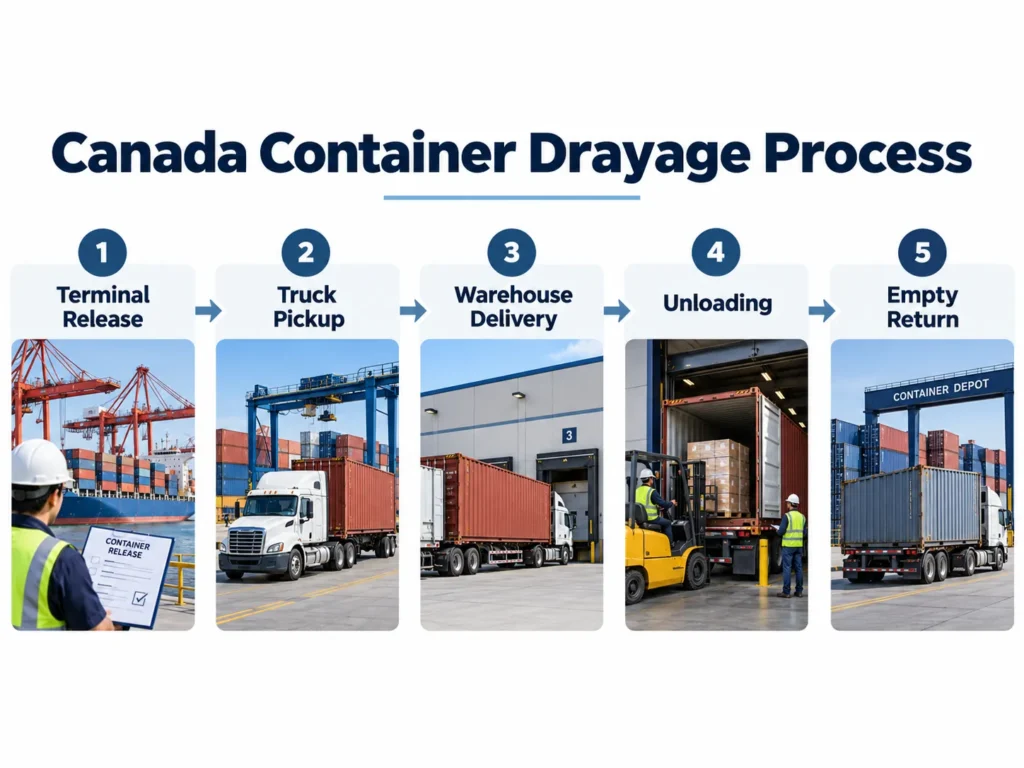
The ocean carrier or railway makes the container available after the required operational conditions are met.
Before pickup, the logistics team should verify the container number, terminal location, freight release status, customs requirements, and any applicable holds.
For imported commercial goods, customs release and carrier or terminal release are separate requirements that must be satisfied as applicable.
Importers should arrange customs clearance in Canada early enough to avoid preventable delivery delays. Where goods move inland under customs control, the appropriate bonded transportation procedures apply.
Once the container is eligible for pickup, a trucking provider schedules collection according to terminal operating requirements.
The booking should confirm the container size, pickup location, delivery address, equipment needs, and warehouse receiving hours.
Some facilities require appointments or specific driver and trucking-company credentials. Availability and access rules differ by terminal.
The driver collects the container from the designated port or rail facility using appropriate equipment.
Container identification, visible condition, seal details where applicable, and interchange records should be checked during the pickup process.
The container is then transported to the agreed warehouse, distribution center, transloading facility, or other authorized destination.
At the delivery location, the receiving facility unloads the cargo according to the agreed service arrangement.
After unloading, the empty container must be returned to the location designated by the shipping line or equipment provider.
A complete drayage booking should therefore cover more than the loaded delivery.
Container Pickup → Local Transport → Warehouse Unloading → Empty Return
Coordinating the final empty return is particularly important because returning equipment late or to an unauthorized location can generate additional charges.
Container drayage costs in Canada depend on the pickup terminal, delivery distance, container size, and equipment requirements. Rates are typically quoted per container move, with additional charges for waiting time, chassis, and special handling.
| Drayage Service | Estimated Cost (CAD) | Description |
|---|---|---|
| Local 20FT Container Move | $250–$450 | Short-distance terminal delivery |
| Local 40FT Container Move | $350–$650 | Standard local container transport |
| Round-Trip Drayage | $600–$1,200 | Pickup, delivery, and empty return |
| Regional Drayage | $2.50–$4.00/km | Longer-distance container trucking |
These are indicative budgeting estimates, not verified market-wide rates. Actual prices vary by location, equipment, and service scope.
The base rate may exclude several charges:
Fuel and chassis fees: Fuel adjustments and equipment rental.
Waiting time: Extra charges for terminal or warehouse delays.
Pre-pull and storage: Temporary container storage before delivery.
Special cargo: Additional handling for overweight, refrigerated, or hazardous containers.
Demurrage and detention: Charges related to exceeding applicable terminal or equipment free time.
To avoid unnecessary expenses:
Arrange customs clearance and terminal pickup early.
Confirm warehouse unloading schedules and empty return deadlines.
Request an all-inclusive quotation covering equipment, fuel, and additional fees.
Compare total transportation costs rather than base trucking rates alone.
Need a Canada container drayage quote? Contact Tonlexing with your pickup terminal, container size, delivery address, and expected arrival date for a customized quotation.
Container drayage in Canada typically takes 2–6 hours for local transportation after container pickup, while longer regional deliveries may take 1–2 days. Actual delivery times depend on terminal location, customs release, truck availability, and warehouse schedules.
| Drayage Service | Estimated Transit Time |
|---|---|
| Local Port-to-Warehouse Delivery | 2–6 hours |
| Local Rail Terminal Drayage | 2–6 hours |
| Regional Container Delivery | 1 day |
| Longer-Distance Drayage | 1–2 days |
| Container Pickup After Release | Allow 1–2 business days for scheduling |
| Empty Container Return | Same day or next business day after unloading |
These are general planning estimates, not guaranteed transit times. Transportation hours are calculated after pickup, while terminal release and appointment waiting times are separate.
Even short-distance container moves may face delays caused by:
Customs or carrier holds: Containers cannot be collected until applicable release requirements are satisfied.
Terminal congestion: Limited appointments and long gate queues can delay pickup.
Truck availability: Equipment shortages and peak-season demand affect scheduling.
Warehouse delays: Missed unloading appointments can postpone delivery and empty returns.
For time-sensitive shipments, arranging customs clearance, terminal pickup, and warehouse appointments in advance helps avoid unnecessary delays and additional charges.
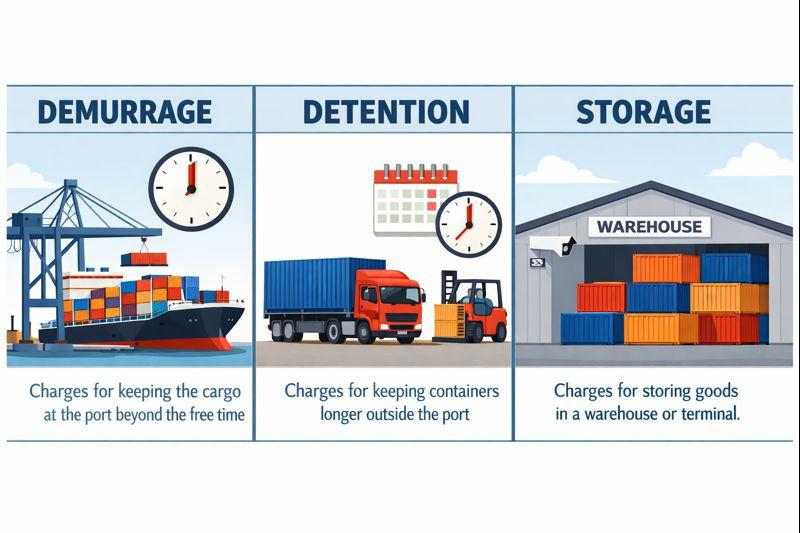
Demurrage and detention charges can significantly increase container drayage costs in Canada. These fees usually arise when containers are collected or returned after the permitted free time.
Demurrage: Charges that generally apply when a container remains at a port terminal beyond the allowed free time.
Detention: Charges that generally apply when carrier-owned containers are held outside the terminal beyond the permitted return period.
Terminal Storage: Additional storage charges that may apply separately at ports or rail terminals.
Free-time allowances vary by shipping line, terminal, and contract. Importers should confirm both the container’s last free day and the empty return deadline before scheduling delivery.
To reduce demurrage, detention, and delivery delays:
Prepare customs documents early to prevent clearance holds.
Book container pickup in advance once availability and release requirements are confirmed.
Monitor free-time deadlines and terminal appointment availability.
Coordinate warehouse unloading to avoid extended truck waiting time.
Arrange empty container returns promptly to the designated depot.
For containers that cannot be delivered immediately, pre-pull and temporary storage may help avoid terminal demurrage. However, the additional trucking, storage, and equipment costs should be compared before choosing this option.
Choosing a suitable drayage provider can help importers maintain reliable container pickup schedules, manage equipment requirements, and reduce unexpected transportation costs.
The lowest initial trucking quote is not always the most economical option. Terminal access, container tracking, unloading arrangements, and empty return responsibilities also affect the overall service.
Before selecting a drayage company, review these essential service capabilities:
Terminal coverage: Experience with the specific Canadian port or rail facility.
Equipment availability: Suitable trucks and chassis for the container size and weight.
Transparent pricing: Clear inclusions, exclusions, and accessorial charges.
Shipment visibility: Updates on container release, pickup, delivery, and return.
Operational coordination: Ability to manage appointments, customs-related holds, and warehouse schedules.
Importers should also confirm who is responsible for monitoring the last free day, arranging empty returns, and resolving missed terminal or warehouse appointments.
For businesses importing goods from China, container drayage works best when it is planned alongside international shipping and customs clearance.
A freight forwarder from China to Canada can help coordinate communication between overseas suppliers, ocean carriers, customs brokers, destination trucking providers, and receiving warehouses.
Tonlexing can assist with shipment planning and destination logistics coordination through suitable service partners, subject to routing, equipment availability, and local operating conditions.
Depending on the shipment requirements, this may involve:
Coordinating ocean freight and container arrival information
Arranging destination trucking inquiries and pickup planning
Supporting communication with customs brokers and receiving warehouses
Following up on delivery arrangements and empty container returns
This coordinated approach helps importers manage the handover between international freight and local transportation while maintaining clearer visibility over container movements.
Container drayage is the short-distance trucking of loaded or empty containers between ports, rail terminals, warehouses, and distribution facilities.
Costs vary by location, distance, container size, equipment requirements, and additional fees. A complete quotation should identify applicable surcharges, waiting time, and empty return arrangements.
Local delivery may take several hours after collection. The complete process can take longer because of container release, terminal appointments, unloading, and empty return schedules.
Major locations include Vancouver, Montreal, Toronto, Mississauga, Halifax, Prince Rupert, Calgary, Edmonton, and Winnipeg.
Yes. Standard container drayage commonly involves 20FT and 40FT containers, including 40HC equipment. Heavy, refrigerated, or specialized containers require additional equipment checks.
Useful freight, customs and importing resources related to this shipping guide.
Sea Freight from China to Canada Verified & Reviewed · Last updated July 2026 Sea freight from China to Canada offers a cost-effective solution f...
Read guide →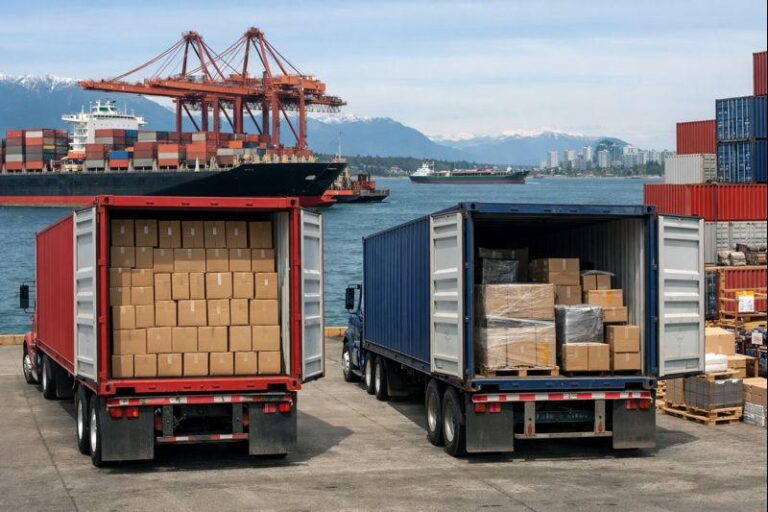
FCL vs LCL Shipping to Canada: How to Choose the Right Shipping Method Verified & Reviewed · Last updated February 2026 FCL vs LCL shipping to Ca...
Read guide →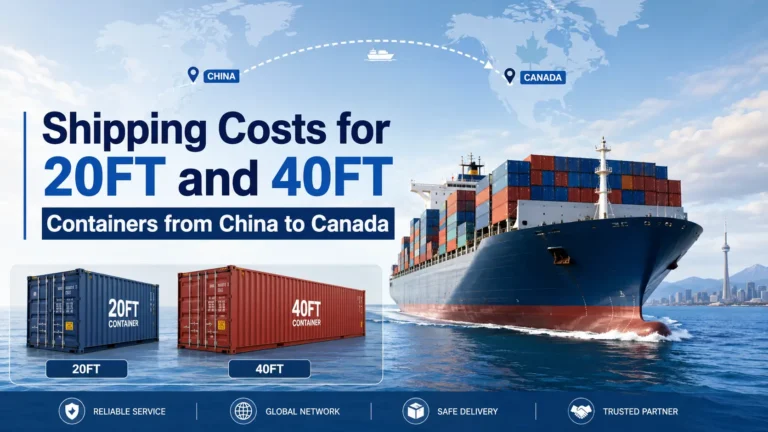
Shipping Costs for 20FT and 40FT Containers from China to Canada Verified & Reviewed · Last updated June 2026 Shipping costs for 20FT and 40FT co...
Read guide →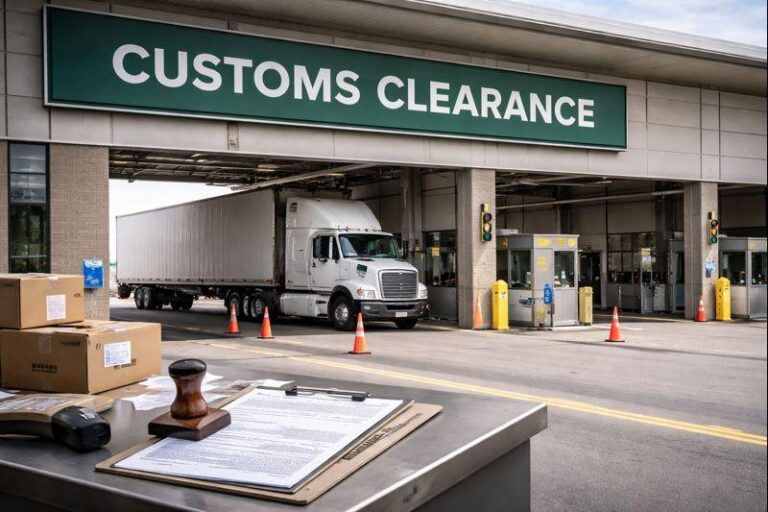
Customs Clearance in Canada (2026 Guide) Verified & Reviewed · Last updated January 2026 Customs clearance in Canada varies by shipment type, but...
Read guide →Demurrage vs Detention vs Storage Verified & Reviewed · Last updated January 2026 Demurrage vs detention vs storage is one of the most expensive...
Learn more → Useful Resource What Are Terminal Handling Charges (THC)?When dealing with international shipping, one of the common costs importers and exporters encounter is Terminal Handling Charges (THC). These cha...
Learn more →WhatsApp us