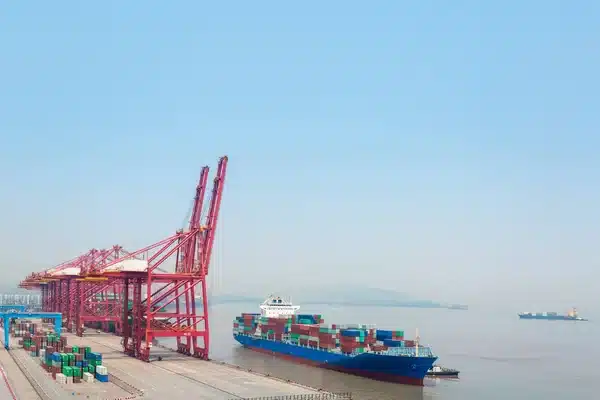
Related Guide
Ningbo Zhoushan Port: A Key Trade and Shipping Hub
Ningbo Zhoushan Port is one of China’s most significant maritime gateways, playing a crucial role in global trade and logistics. Located in Zheji...
Read guide →

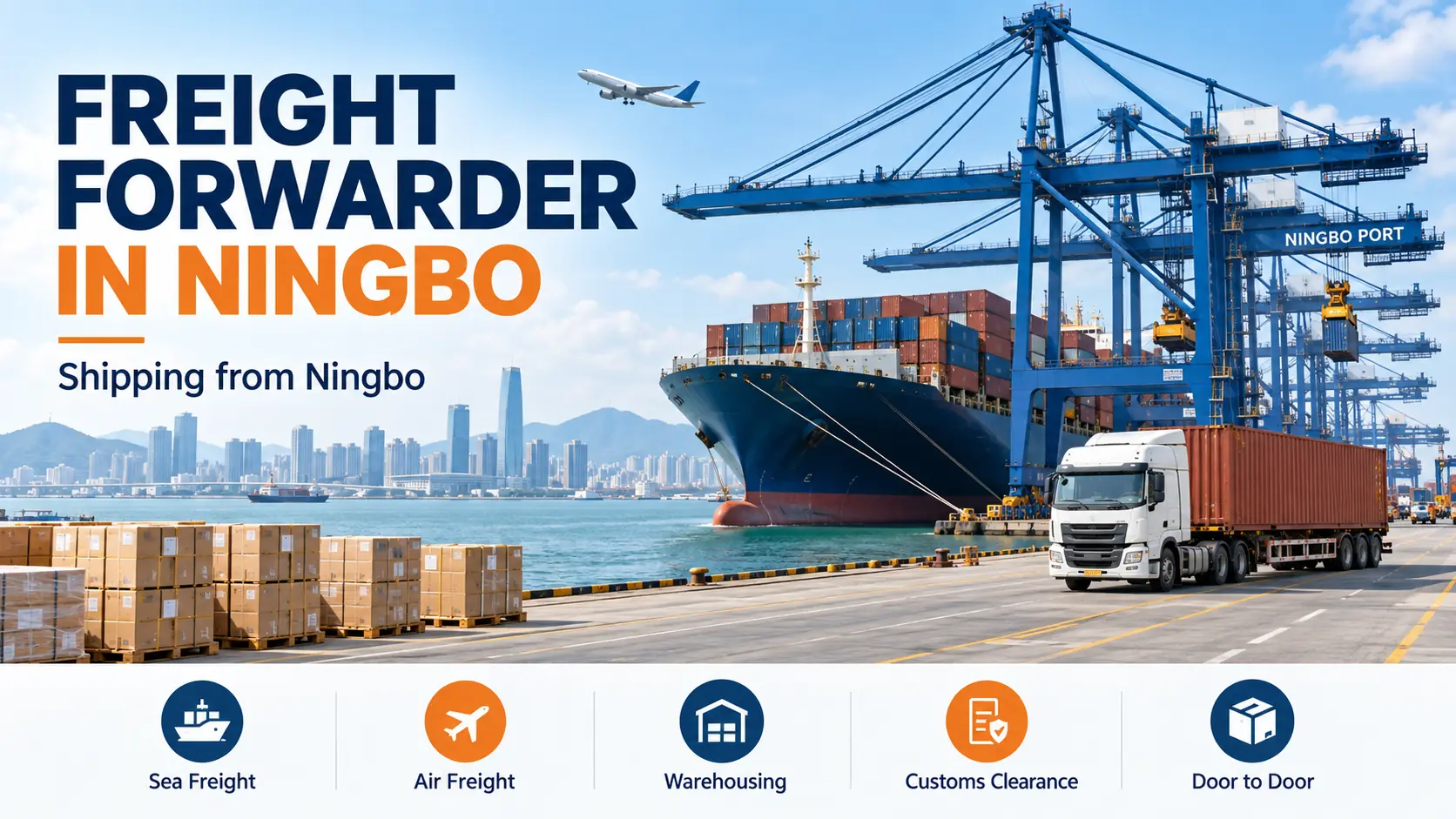
Ningbo is one of China’s major export gateways, with direct access to Ningbo-Zhoushan Port and the manufacturing hubs of Zhejiang Province. It is a key origin for sea, air and container shipping to major global markets.
Tonlexing provides freight forwarding in Ningbo, including FCL and LCL shipping, air freight, customs clearance, warehousing and door-to-door delivery for businesses shipping from Ningbo, China.
Shipping Costs
FCL & LCL Shipping
Door-to-Door Shipping
Ningbo is one of the main export gateways in eastern China, particularly for businesses sourcing products from Zhejiang Province. Its location close to major manufacturing areas, direct access to a large international port and mature logistics infrastructure make it a convenient origin for overseas trade.
The advantage is not simply having a major port nearby. Ningbo brings together manufacturers, warehouses, trucking companies, customs services and freight forwarders within one regional supply chain. This makes it easier to coordinate factory pickup, export handling and international transportation.
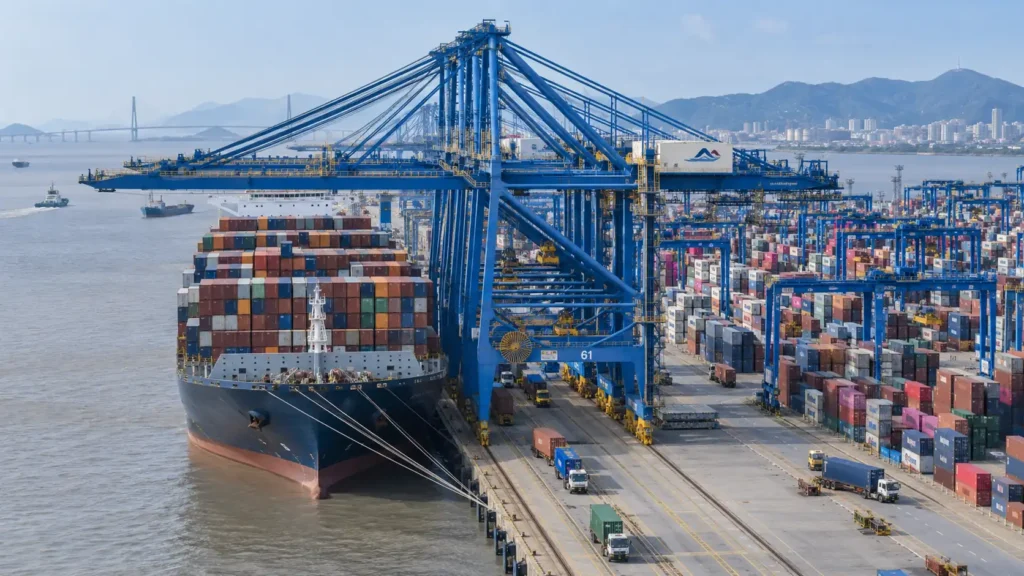
Ningbo-Zhoushan Port is one of China’s most important international shipping hubs and the world’s busiest port by total cargo volume.
The port handles more than 1.4 billion metric tons of cargo annually and processes over 40 million TEUs of containers each year. Its shipping network includes more than 300 container routes, connecting Ningbo with over 700 ports in more than 200 countries and regions.
For importers and exporters, this extensive network provides greater flexibility when comparing:
Carrier schedules
Direct and transshipment services
Container availability
Sailing frequency
Transit times
Destination ports
The port also benefits from efficient container loading and unloading facilities, together with a large network of warehouses, trucking providers and logistics companies around Ningbo.
This combination of port capacity, infrastructure and global connectivity makes Ningbo especially suitable for regular commercial exports by sea.
Zhejiang is one of China’s most active manufacturing and export regions. Ningbo and nearby production centers manufacture machinery, automotive components, electrical products, textiles, hardware, plastics, household products and consumer goods.
For buyers purchasing from factories in Ningbo or neighboring cities, using the local port can reduce unnecessary inland transportation.
If products come from several manufacturing locations, they can also be collected at a warehouse before export. This makes it easier to manage different production schedules and prepare the goods for one international movement.
Ningbo has developed a mature logistics network around its industrial areas and port facilities.
Freight forwarding companies can coordinate trucking, warehousing, customs declarations, container handling and international transport within the same region. This established export infrastructure is particularly useful for businesses managing recurring shipments or multiple factories across Zhejiang.
Different freight forwarders may provide different levels of service. Some forwarders focus mainly on carrier booking, while others also manage warehousing, customs procedures, trucking and destination support.
Tonlexing provides integrated freight forwarding and shipping solutions according to each order’s origin, volume, destination and handling needs.
China Rail Hub → Eurasian Rail Corridor → Central European Rail Terminal → Czech Republic → Final Delivery
Sea freight is generally the most economical option for larger commercial orders and regular inventory. Ningbo provides access to major ocean routes connecting China with North America, Europe, the Middle East, Africa, Southeast Asia and other international markets.
Businesses usually choose between FCL and LCL depending on the amount of goods they need to move.
For a broader explanation of ocean transport, see our guide to Sea Freight Shipping from China.
Full Container Load, or FCL, is suitable when a business has enough goods to use a dedicated container or prefers to keep its order separate from unrelated freight.
Common container options include:
20GP
40GP
40HQ
The correct container should be selected according to product dimensions, total weight and loading requirements rather than CBM alone.
FCL is commonly used for machinery, furniture, building materials, consumer products and larger commercial orders. Dedicated container space can also reduce the amount of handling compared with shared-container transport.
Less than Container Load, or LCL, is suitable when an order does not require an entire container.
The goods share container space with other compatible shipments and are separated at destination before customs procedures and onward transportation.
LCL can work well for:
Several cartons or pallets
Trial orders
Smaller commercial purchases
Regular orders with limited volume
Businesses should compare the complete price rather than only the base ocean rate because origin handling, warehouse fees, deconsolidation and destination charges can represent a significant part of the final cost.
Air freight is suitable when transit time is more important than obtaining the lowest transportation cost.
It is commonly used for urgent components, samples, electronics, high-value products and other time-sensitive goods. Depending on the destination and flight schedule, air transport can deliver goods internationally in just a few days.
Rates are generally based on actual weight or volumetric weight, whichever produces the higher chargeable weight. Carton dimensions therefore matter, especially for light but bulky products.
Tonlexing can arrange Air Freight from China together with factory pickup, export handling and destination coordination.
For larger orders, comparing air and ocean options can help businesses find a suitable balance between cost and speed.
Some importers prefer one logistics provider to coordinate the complete process instead of managing truckers, warehouses, carriers, customs agents and overseas partners separately.
A typical Door to Door Shipping from China service can include:
Factory Pickup → Warehouse or Port → Export Customs → International Transport → Import Coordination → Final Delivery
The exact scope depends on the Incoterm, destination and agreed service terms.
Before booking, businesses should confirm whether duties, taxes, destination charges and local transport are included in the quotation.
Warehousing is useful when factories finish production on different dates or when goods need temporary storage before export.
Tonlexing can coordinate receiving, package checks, temporary storage and preparation before international transport.
Through our China Warehouse Consolidation Service, products from different factories can be collected and combined before departure.
Ningbo serves as an important gateway for goods moving from eastern China to international markets. Through Ningbo-Zhoushan Port, businesses can access regular services to North America, Europe, the Middle East, Asia-Pacific and Africa.
The most suitable route depends on destination port, carrier schedule, product requirements, total volume and final inland location.
| Destination Region | Major Gateways | Common Shipping Options |
|---|---|---|
| North America | Los Angeles, Long Beach, New York, Vancouver | Container, LCL, air |
| Europe | Rotterdam, Hamburg, Antwerp, Felixstowe | Container, LCL, air |
| Middle East | Jebel Ali, Dammam, Jeddah | Sea, air, door-to-door |
| Southeast Asia | Singapore, Port Klang, Bangkok, Ho Chi Minh City | Sea, air |
| Australia & New Zealand | Sydney, Melbourne, Brisbane, Auckland | Sea, air |
| Africa | Durban, Mombasa, Lagos, Tema | Container, LCL |
The United States and Canada are important destinations for exports from Zhejiang.
Ocean services are commonly used for regular commercial orders, while faster transport may be selected for urgent or higher-value goods.
For US-bound shipments, the arrival port should be considered together with inland transportation. West Coast gateways may be more practical for western destinations, while East Coast services may suit businesses located farther east.
For more route information, see Shipping from China to the USA.
Regular ocean services connect Ningbo with major European gateways such as Rotterdam, Hamburg, Antwerp and Felixstowe.
Container transport is suitable for larger orders, while smaller volumes can use shared-container services. Air, rail or multimodal solutions may also be considered when the destination is inland or the required schedule is shorter.
Our Shipping from China to Europe guide covers wider transportation and customs options for European importers.
The Middle East is another important market for exports through Ningbo.
Jebel Ali, Dammam and Jeddah are among the major regional gateways. The most suitable option should be selected according to destination country, port charges, inland distance and final consignee location rather than ocean cost alone.
Ningbo also supports frequent trade with Southeast Asia, Australia and New Zealand, together with longer-distance services to major African ports.
For these markets, businesses should compare transit time, customs requirements, destination handling and inland transport before choosing a route.
Tonlexing can compare available carrier schedules and shipping solutions according to destination, volume and arrival requirements.
For sea freight, transit time depends on routing and connection stability.
Typical transit time for FCL shipments:
25 to 45 days port to port
add 3 to 10 days for destination handling, customs clearance, and delivery coordination
add buffer time in peak season due to rollovers and blank sailings
Common delay points:
missed transshipment connections
document mismatches that slow Libya customs
late payment of destination fees that delays release
slow pickup that triggers storage, demurrage, or detention
If shipping time is critical, prioritize schedule reliability and document readiness over chasing the lowest rate.
International shipping costs change according to carrier capacity, destination, equipment availability, season and market demand.
The figures below should therefore be treated as reference market ranges rather than fixed quotations. Actual rates depend on the goods, sailing date and agreed service scope.
For larger commercial orders, FCL is usually the most practical option. The following figures are indicative port-to-port rates for a standard 40-foot container.
| Route | Estimated 40ft Container Rate |
|---|---|
| Ningbo to US West Coast | USD 6,800–7,200 |
| Ningbo to US East Coast | USD 9,300–9,800 |
| Ningbo to Northern Europe | USD 4,000–4,200 |
| Ningbo to Mediterranean Europe | USD 4,300–4,500 |
| Ningbo to Latin America | USD 7,000–9,700 |
| Ningbo to Southeast Asia | USD 1,200–1,400 |
A 20ft container usually costs less than a 40ft container, but the price is not simply half. On many routes, a 20GP may cost around 70%–80% of a 40ft rate depending on carrier pricing and equipment availability.
LCL is more suitable when the order is too small to justify a complete container.
Pricing is normally calculated according to CBM or chargeable weight, together with origin and destination handling fees.
Typical reference ranges include:
US West Coast: about USD 80–160 per CBM
US East Coast: about USD 100–180 per CBM
Europe: about USD 70–150 per CBM
Many services apply a minimum chargeable volume, commonly around 1 CBM.
For smaller shipments, businesses should consider warehouse handling, deconsolidation and destination fees rather than comparing only the basic ocean rate.
Air freight is normally charged according to the higher of actual weight or volumetric weight.
| Service | Typical Rate | Typical Transit |
|---|---|---|
| Standard air service | USD 4.00–6.50/kg | About 5–8 days |
| Express courier | USD 6.00–9.00+/kg | About 2–4 days |
Rates can increase during peak periods or when capacity is limited. Product type, carton dimensions, airport routing and destination services may also affect the final price.
The international freight rate is only one part of the total logistics cost.
Depending on the Incoterm and quotation scope, additional charges may include:
Origin terminal handling: approximately USD 150–300 per container
Export documentation and customs clearance: approximately USD 50–125
Trucking from the factory to the port or warehouse
Warehouse handling and storage
Destination terminal charges
Customs brokerage
Import duties and taxes
Local delivery
For this reason, a lower ocean rate does not always produce the lowest total cost.
Businesses should compare the complete quotation and confirm which charges are included before booking.
Transit time depends on the destination, carrier schedule, transport method and whether the service is port-to-port or door-to-door.
Sea transport is usually more practical for larger and less time-sensitive orders, while faster services are used when speed is the priority.
| Shipping Method / Route | Typical Transit Time |
|---|---|
| Ningbo to US West Coast by sea | 14–22 days |
| Ningbo to US East Coast by sea | 28–40 days |
| Ningbo to Northern Europe by sea | 28–38 days |
| Ningbo to Middle East by sea | 18–28 days |
| Ningbo to Southeast Asia by sea | 5–12 days |
| Air freight | 3–8 days |
| Express courier | 2–5 days |
These estimates mainly refer to the international transportation stage.
The complete timeline may also include:
Pickup → Export Handling → International Transit → Customs Clearance → Inland Transport
Several factors can change the final schedule:
Direct or transshipment service: Direct routes are normally faster and easier to predict.
Carrier schedule: Departure frequency differs by destination and shipping line.
Peak seasons: Space can become limited before Chinese New Year and other busy periods, so shipments should be booked in advance whenever possible.
Port conditions: Weather, terminal congestion and vessel delays may affect departure or arrival.
Customs clearance: Inspections or incomplete documents can extend the timeline.
Final destination: Inland transportation adds time after arrival at the destination port or airport.
Businesses with fixed arrival deadlines should build flexibility into inventory and supply chain planning rather than relying only on the advertised port-to-port transit time.
International shipments must complete the required customs procedures before leaving China. Accurate documentation is important because inconsistencies in the product description, quantity, value or HS code can lead to additional checks, clearance delays or questions from customs authorities.
A freight forwarder can coordinate export documentation, customs declarations and communication with the manufacturer before the goods reach the port or airport.
Most commercial shipments require several basic documents:
Commercial Invoice – shows the buyer, seller, product description, quantity and declared value.
Packing List – provides package quantity, gross and net weight, dimensions and packing information.
Bill of Lading – issued for sea shipments.
Air Waybill – used for air cargo.
Export Customs Declaration – required for goods exported from China.
Certificate of Origin – may be required by the destination country or used to support preferential tariff treatment.
Product Certificates or Permits – required for certain regulated products.
The exact requirements depend on product type, HS classification and destination country.
Export customs clearance is required before commercial goods can leave China. The declaration normally includes the product description, quantity, commercial value, destination and other supporting information.
Goods are classified under HS codes, which customs authorities use to identify the product category and apply the relevant customs requirements. Accurate classification is important because incorrect HS codes or inconsistent documentation can result in inspections, delays or additional questions.
Freight forwarders in Ningbo can coordinate the submission of documents and customs declarations with the exporter or manufacturer.
If the factory cannot handle the export declaration itself, the required arrangement should be confirmed before booking. For regulated products, additional permits, certificates or inspection documents may also be required.
Tonlexing can coordinate customs clearance and shipping documentation as part of the overall logistics process.
A well-organized freight forwarding project normally follows a clear sequence.
Send the product description, quantity, gross weight, dimensions, pickup address and final destination.
Tonlexing compares suitable ocean, air or door-to-door options based on cost, schedule and handling requirements.
The goods can be collected from the factory or delivered to the agreed warehouse, container yard or other origin facility according to the Incoterm.
If products come from several factories, they can be collected, checked and combined before export.
Packaging and labeling should also be reviewed to make sure the goods are suitable for international transportation and destination requirements.
Commercial documents and customs information are reviewed before the export declaration is submitted.
Space is booked with the appropriate carrier and the goods move through the selected route.
Depending on the agreed service scope, import clearance and inland transportation can also be coordinated.
This gives the importer one logistics contact across the main stages of the supply chain.
Practical shipping experience can provide more useful evidence than general logistics claims.
Tonlexing has handled shipments originating in Ningbo for different international markets, using both port-to-port and door-to-door arrangements according to product type, volume and destination.
In one project, Tonlexing arranged Shipping Plastic Caps from Ningbo, China to South Africa.
The goods moved in a 40HQ container from Ningbo to Durban, providing a dedicated container solution for a larger commercial order.
The project included export coordination in China and ocean transportation to South Africa.
Tonlexing has also handled Door-to-Door Sea Freight from China to the USA: Ningbo to the West Coast.
Unlike a basic port-to-port booking, this project required coordination beyond the destination port, including customs and inland transportation.
These cases show why the correct shipping solution should be selected according to volume, destination and service requirements rather than applying the same method to every order.
Businesses using Ningbo as an export gateway often need several logistics services to work together.
Tonlexing coordinates these stages according to the actual requirements of each order instead of treating freight forwarding as only a carrier booking.
We arrange FCL, LCL, air transport and door-to-door services from Ningbo to major international markets. The most suitable option is selected according to cargo volume, urgency, destination and budget.
Tonlexing can arrange pickup from factories in Ningbo and other parts of Zhejiang. If products come from different manufacturers or are completed at different times, they can be received, stored and prepared at a warehouse before export.
Accurate documents are essential for smooth export clearance. Our team can coordinate commercial documents, customs declarations and other origin procedures in China, helping reduce avoidable delays before departure.
We follow the shipment through key stages and coordinate with carriers, warehouses, customs agents and destination partners as required. Cargo insurance can also be arranged for suitable shipments that need additional protection.
Instead of managing several providers separately, businesses can work with one point of contact for the main stages of the shipment. This makes communication simpler and gives you a clearer view of the process from pickup in Ningbo to the final destination.
Planning a shipment from Ningbo? Send Tonlexing your product details, weight, dimensions, pickup location and destination, and we can prepare a suitable shipping plan and freight quotation.
Compare freight forwarders based on local experience, carrier access, quotation transparency, warehousing capability, customs support and destination coverage. Reliable forwarders should explain both included and excluded charges rather than providing only a base freight rate.
The price depends on destination, transport method, weight, volume, container type, season, Incoterm and required services. Accurate product and package information is needed before a reliable quotation can be prepared.
Yes. FCL is suitable for larger orders requiring dedicated container space, while LCL allows smaller commercial volumes to share container capacity with other shipments.
Yes. Products from multiple factories can be collected at a warehouse and combined before export. This can simplify logistics management when production locations or completion dates are different.
Yes. Ningbo-Zhoushan Port provides extensive international connections to North America, Europe and other major markets. Ocean, air and door-to-door services can be selected according to volume and required transit time.
Useful freight, customs and importing resources related to this shipping guide.
Ningbo Zhoushan Port is one of China’s most significant maritime gateways, playing a crucial role in global trade and logistics. Located in Zheji...
Read guide →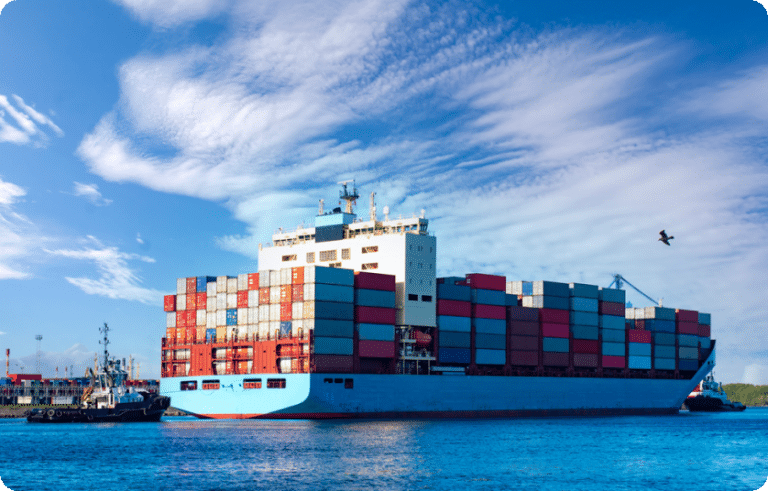
Sea freight is the most cost effective shipping method for large volumes and container load cargo. It is ideal for businesses looking to reduce s...
Read guide →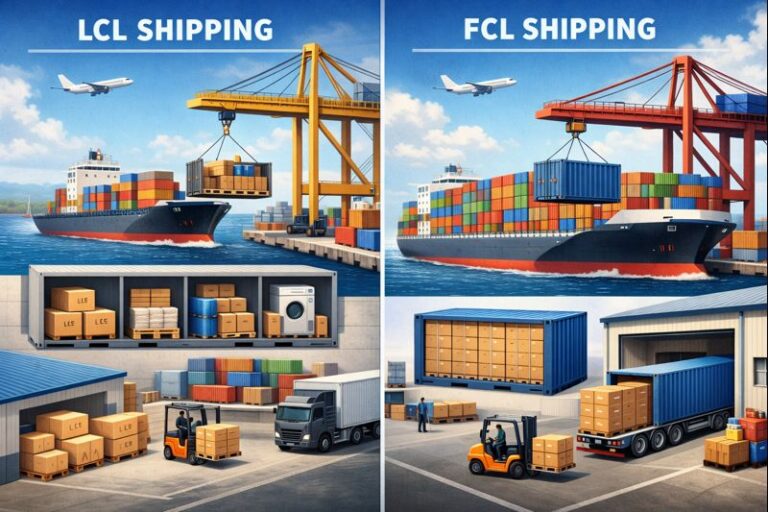
LCL vs FCL Shipping: What They Mean, Key Differences, and Which One to Choose Verified & Reviewed · Last updated January 2026 FCL vs LCL shipping...
Read guide →
Air freight from China is the best option for time sensitive and high value shipments. It offers fast delivery, reliable transit times, and effic...
Read guide →Door to door shipping from China by air, sea, rail or express. Compare DDP vs DAP, costs, transit times, customs clearance and final delivery.
Learn more → Useful Resource How to Choose the Best Freight Forwarder in ChinaIn the complex world of international trade, selecting a reliable freight forwarder is a crucial step in ensuring a smooth and cost-effective sup...
Learn more →WhatsApp us