
Related Guide
Shipping from China to Halifax
Learn about shipping methods, transit times, costs, and customs clearance when importing from China to Halifax, and find the best options for you...
Read guide →

Local container transport in Halifax connects the Port of Halifax with warehouses, rail networks, and inland destinations across Nova Scotia and Atlantic Canada.
Tonlexing coordinates container pickup, local trucking, customs support, and inland delivery as part of a complete freight shipping solution.
Container Drayage
Port Pickup
Atlantic Canada
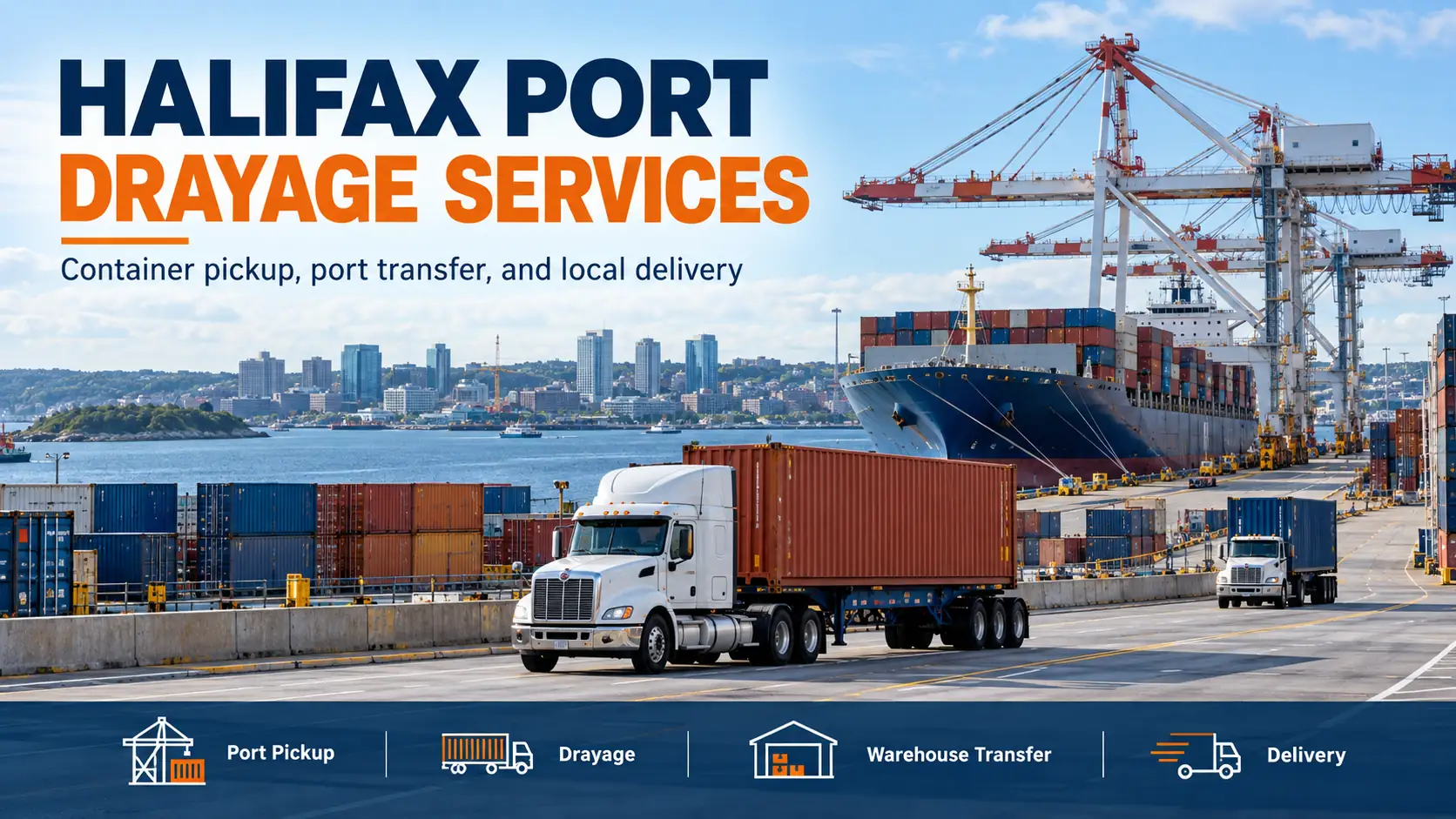
Drayage is the short-distance movement of containers between a marine facility and another logistics point. Here, container drayage connects ocean cargo with local road transport, distribution facilities and intermodal transportation.
A typical move may run from the port to a consignee, from a shipper to the port, or from the marine facility to an inland connection. The distance may be short, but timing matters because release status, receiving hours and empty-return requirements can affect the whole shipment.
For businesses importing from Asia, this local service can be planned together with the international freight leg instead of being arranged as a last-minute task.
Local transportation services support import and export shipments. The correct arrangement depends on container size, shipment weight, receiving conditions and where the goods need to go next.
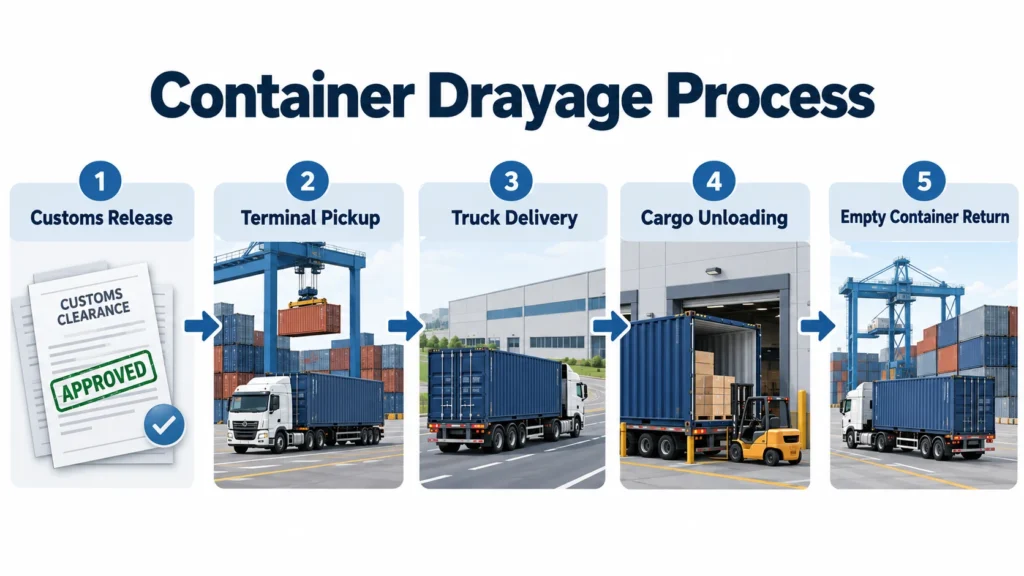
After an import shipment is released and available, the carrier collects the unit and transports it to the consignee or receiving facility. The operations team should confirm availability and receiving hours before dispatch.
For export shipments, loaded containers are transferred from the shipper or loading facility to the port. Scheduling should account for receiving windows and vessel cutoff requirements.
Some customers need containers transferred for unloading, short-term storage, transloading or regional distribution. This is useful when the final business location cannot receive a full container directly.
After unloading, empty containers must be returned to the designated location according to carrier instructions. Planning the return together with the loaded movement can reduce extra road transport and avoid unnecessary fees.
Companies managing the wider movement can also connect this service with China–Canada shipping.
The Port of Halifax is an important gateway for Atlantic Canada. The supplied research identifies two main container terminals and describes Halifax as a deep-water, ice-free port. It also highlights direct CN connectivity at Fairview Cove.
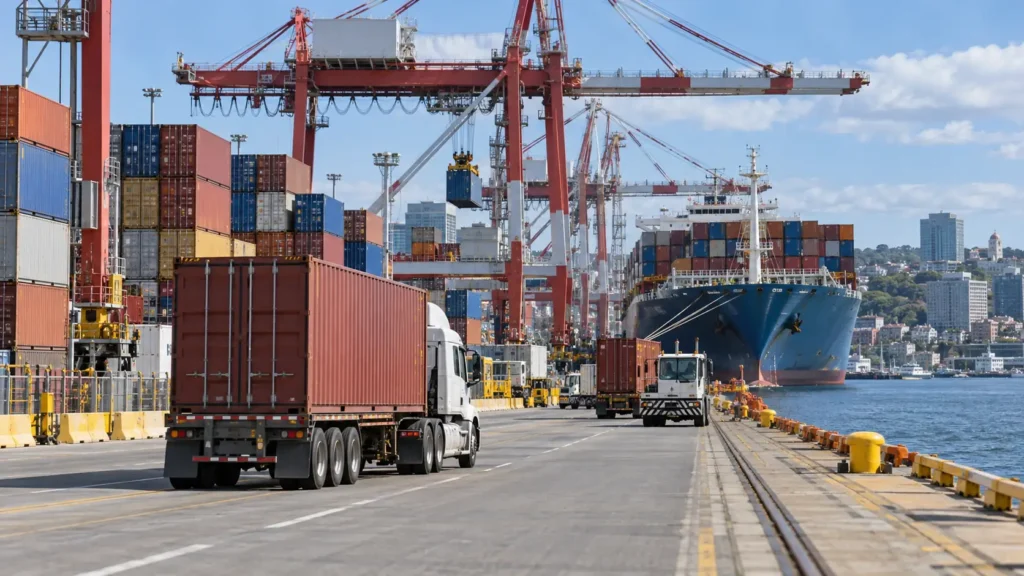
Fairview Cove has direct access to CN, allowing containers to connect with inland transportation without relying only on long-distance road haulage. This makes the city relevant not only for local Nova Scotia traffic but also for freight moving farther inland.
A typical intermodal flow is:
China Rail Hub → Eurasian Rail Corridor → Central European Rail Terminal → Czech Republic → Final Delivery
This local road leg is one part of that chain. Where containers move onward through the CN network, the road connection links marine operations with the wider transport network while the longer transit continues inland.
Importers using ocean services can also review our sea freight guide when planning the international leg.
Local and regional services support businesses around the city as well as customers elsewhere in Nova Scotia and Atlantic Canada. The supplied research specifically notes that drayage companies in Halifax provide local and regional transportation.
Short local movements often connect marine operations with distribution locations and businesses in the city and Dartmouth. Even over a short distance, road conditions, shipment availability and receiving times need coordination.
Regional transportation can extend to nearby Atlantic Canada markets. For longer distances, container drayage can connect with regional trucking or another transport mode.
Local trucks handle the short road leg, while the longer movement continues through the inland network.
Freight moving farther inland may continue toward Quebec, Ontario and Toronto through intermodal or long-haul transportation. Shipments for Ontario or Quebec can therefore combine a local port-related leg with a longer inland service.
For Ontario and Quebec, timing may also depend on the onward intermodal connection.
Good planning helps reduce delays and unnecessary costs. The process should begin before containers become available, especially when several parties are involved.
The logistics company needs the container number and size, shipment weight, vessel ETA, receiving address and any special handling needs. Accurate information helps the carrier select a suitable operating setup.
Before dispatch, the shipment should be ready to move and required customs procedures should be complete. Dispatching a truck too early can create waiting time and additional cost.
Once available, the carrier collects the unit and moves it to the agreed receiving location. The team should confirm unloading conditions and site restrictions in advance.
After unloading, containers are returned according to carrier instructions. A clear return plan helps avoid extra moves and equipment-related charges.
Most local services involve standard ocean containers, but refrigerated, heavy or special freight may require additional planning.
| Freight / Container | Typical Requirement |
|---|---|
| 20FT | Standard local trucking |
| 40FT / 40HQ | Standard chassis and route planning |
| Reefer | Time-sensitive handling and operating coordination |
| Heavy or special freight | Weight, route, safety and equipment review |
For importers deciding how to load their goods, our FCL vs LCL shipping guide explains when a full container or consolidated service may be more suitable.
Drayage costs in Halifax vary by distance, container size, cargo weight, delivery conditions, and the type of transport required. Local moves within the Halifax Regional Municipality are generally much cheaper than long-distance trucking or intermodal transportation to inland markets.
For a standard local container move between the Port of Halifax and nearby areas such as Dartmouth or Burnside, reference rates are commonly around CAD 300–800 per container.
Longer inland moves cost more. As a reference:
Halifax to Toronto by truck: about CAD 1,600–2,450 for a standard 20FT container
Halifax to Montreal or Toronto by rail: intermodal service may be more economical than direct long-haul trucking for longer distances
Actual rates should always be confirmed based on the shipment details and current carrier availability.
In addition to trucking, importers may also face port or terminal-related charges. These can include throughput, wharfage, storage, and other handling fees.
Reference tariff examples include:
20FT throughput: about CAD 21.55 loaded / CAD 10.75 empty
40FT throughput: about CAD 32.30 loaded / CAD 16.15 empty
20FT wharfage: about CAD 7.20 loaded / CAD 3.60 empty
40FT wharfage: about CAD 10.75 loaded / CAD 5.40 empty
Free-time rules and tariff levels can change, so the applicable terminal and carrier schedule should be checked before shipment.
Other costs may arise when the move requires extra time, equipment, or handling:
Chassis rental: around CAD 45–75 per day
Waiting time: around CAD 75–125 per hour
Pre-pull service: around CAD 150–250
Demurrage or detention: usually charged on a daily escalating basis
Special equipment: additional charges may apply for reefers, overweight cargo, or specialized trailers
To avoid unexpected costs, request a quote that clearly separates the base trucking rate from port charges, waiting time, chassis fees, storage, and any special handling requirements.
Efficient drayage depends on more than truck availability. Cargo release, container status, receiving schedules, and empty return arrangements should be confirmed before the move is dispatched.
Good coordination helps reduce waiting time, missed appointments, storage charges, and other avoidable costs.
Customs clearance and inland transportation are separate services, but they need to be coordinated closely. Import procedures should be completed or progressing before final pickup is arranged.
Typical shipment documents may include:
Commercial invoice
Packing list
Bill of lading
Cargo description
Consignee information
For more details, see our Canada customs clearance guide.
Importers should confirm container availability before dispatch, coordinate receiving times, and arrange empty returns promptly after unloading.
Urban congestion, weather conditions, and delays at the receiving location can also affect the schedule. Planning the move early helps reduce the risk of storage, demurrage, detention, and unnecessary waiting charges.
Drayage and intermodal transportation work together, but they describe different parts of the shipment.
Drayage usually covers the short truck movement between the port and another logistics point, such as a warehouse, distribution facility, or rail connection. Intermodal transportation combines two or more transport modes, typically ocean, truck, and rail, within the same overall journey.
For example:
Port of Halifax → local warehouse: drayage
Ocean vessel → Halifax → CN rail → inland truck delivery: intermodal transportation
This distinction is especially relevant in Halifax because Fairview Cove has direct CN rail connectivity, allowing containers to move from marine operations into the inland rail network. NLP+AI
For local deliveries, drayage may complete the inland move. For longer destinations in Canada, it often serves as the connecting leg between the port and a wider intermodal route.
Tonlexing can coordinate ocean freight, local container transportation, customs support, and inland delivery through one logistics team.
For an accurate quote, please provide:
Container size and cargo weight
Port or terminal
Delivery address and postal code
Vessel ETA or availability date
Customs status
Loading or unloading requirements
For businesses requiring final delivery beyond the port area, see our door-to-door shipping to Canada guide.
Drayage is short-distance road transportation that connects a port or intermodal facility with another point in the supply chain.
After a shipment is released and available, a carrier collects the container and transports it to the agreed receiving location. The empty unit is then returned according to carrier instructions.
Yes. The supplied research states that Fairview Cove has direct CN connectivity, supporting intermodal transportation between Halifax and inland markets.
Rates depend on distance, shipment weight, container size, equipment, waiting time and receiving conditions. An exact quote requires shipment-specific details.
Provide the container size, shipment weight, port or terminal details, delivery address and postal code, vessel ETA, customs status and any special handling requirements.
Useful freight, customs and importing resources related to this shipping guide.
Learn about shipping methods, transit times, costs, and customs clearance when importing from China to Halifax, and find the best options for you...
Read guide →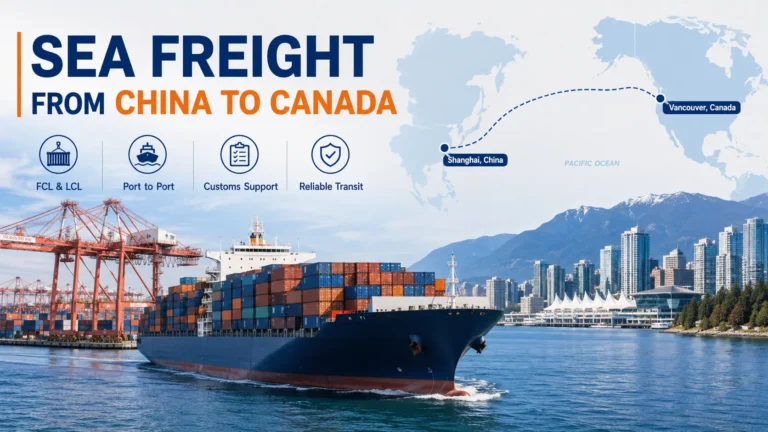
Sea Freight from China to Canada Verified & Reviewed · Last updated July 2026 Sea freight from China to Canada offers a cost-effective solution f...
Read guide →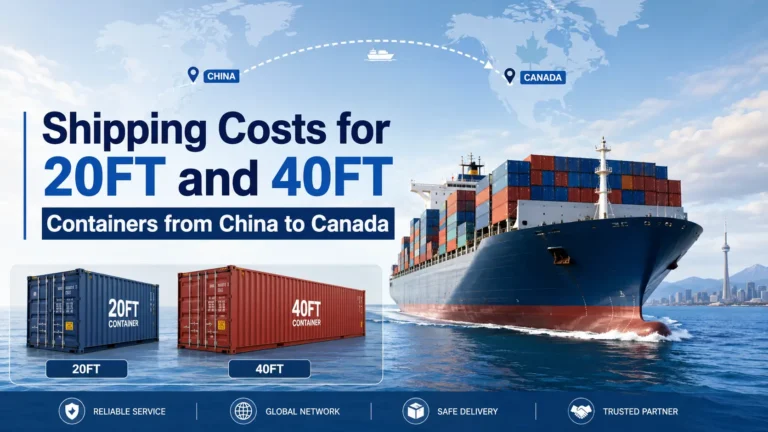
Shipping Costs for 20FT and 40FT Containers from China to Canada Verified & Reviewed · Last updated June 2026 Shipping costs for 20FT and 40FT co...
Read guide →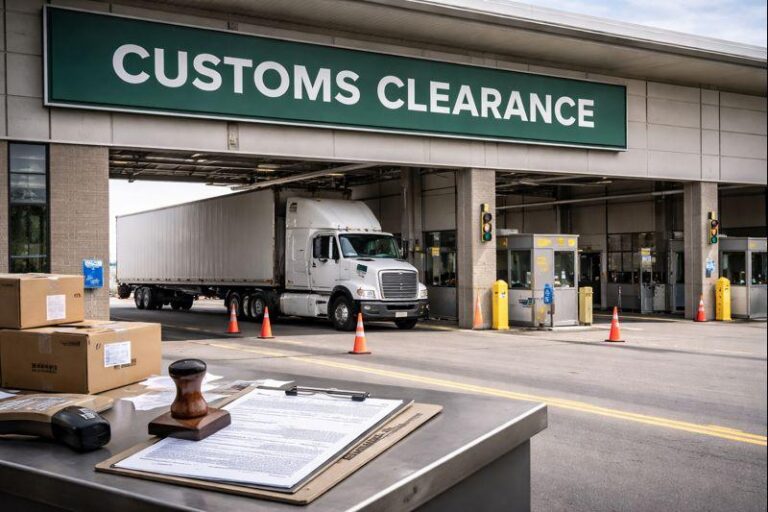
Customs Clearance in Canada (2026 Guide) Verified & Reviewed · Last updated January 2026 Customs clearance in Canada varies by shipment type, but...
Read guide →Demurrage vs Detention vs Storage Verified & Reviewed · Last updated January 2026 Demurrage vs detention vs storage is one of the most expensive...
Learn more → Useful Resource What Are Terminal Handling Charges (THC)?When dealing with international shipping, one of the common costs importers and exporters encounter is Terminal Handling Charges (THC). These cha...
Learn more →WhatsApp us