Related Guide
Drayage in the USA Explained
Drayage in the USA Explained: Services, Costs, Types, and How It Works Verified & Reviewed · Last updated March 2026 Drayage in the USA explained...
Read guide →

Los Angeles and Long Beach port drayage connects China imports with warehouses and distribution centers across Southern California. Efficient container pickup depends on customs clearance, terminal appointments, and trucking coordination.
This 2026 guide covers drayage costs, port fees, delivery times, transloading, and ways to avoid demurrage and detention. Tonlexing helps coordinate port pickup and inland delivery for shipments from China.
Drayage Costs
Transit Time
Port Pickup & Delivery
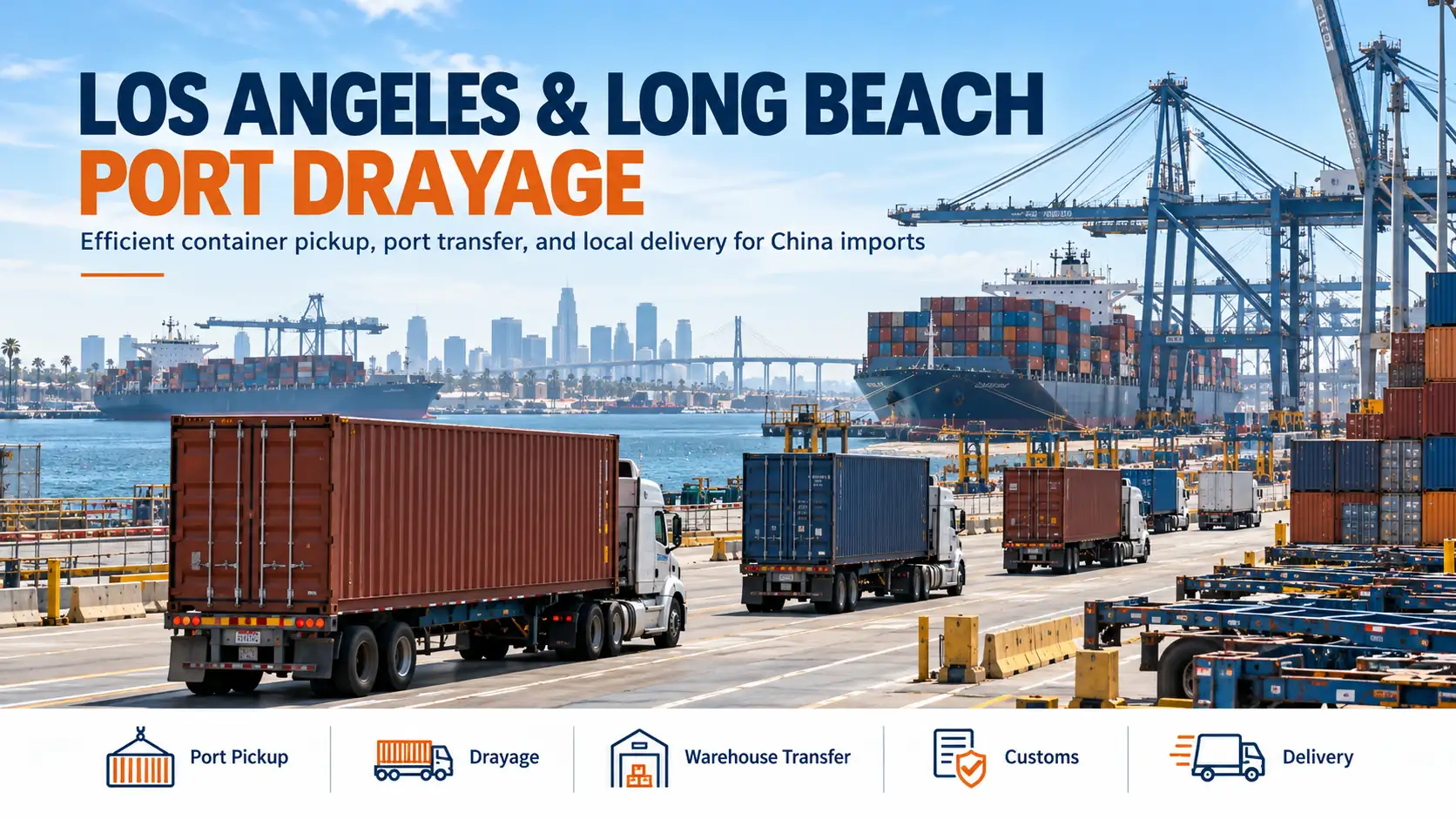
Port drayage is the short-distance movement of loaded containers between a marine terminal and a nearby warehouse, rail yard, or distribution center. The neighboring Ports of Los Angeles and Long Beach form the San Pedro Bay port complex, a major gateway for Chinese imports into the United States. Their combined container volume makes effective coordination particularly important during peak shipping periods.
Common services include:
Container pickup after cargo and shipping-line release
Container delivery to a warehouse in Los Angeles, Carson, Compton, or the Inland Empire
Transfers to an off-dock rail facility for longer-distance distribution
Transloading goods into domestic trailers for inland delivery
Returning empty containers to the designated depot
Unlike long-haul freight, this local operation usually covers a short trip. However, drayage is a crucial link between international shipping from China and the final delivery of inventory imported from China. A freight forwarder can coordinate it with the wider supply chain rather than treating the truck move as a separate booking.
Successful container pickup starts before port arrival at the ports of Los Angeles and Long Beach. The importer, freight forwarder, customs broker, shipping line, truck carrier, and receiving warehouse must have matching information. Container terminals operate their own gate procedures and appointment systems, so instructions need to be confirmed for the actual Los Angeles or Long Beach facility.
For ocean freight shipped from China, prepare each container shipment before the vessel reaches Southern California:
Check the bill of lading, commercial invoice, packing list, cargo description, and consignee details.
Submit the Importer Security Filing (ISF) within the applicable deadline for U.S.-bound ocean imports. The standard ISF-10 filing is generally due at least 24 hours before loading on the vessel abroad.
Arrange customs clearance, including entry documentation, duties, bond coverage, and any product-specific government agency requirements.
Confirm the receiving address, unloading capacity, appointment rules, and delivery contact person.
Share the bill of lading number, container number, booking details, ETA, and release information with the trucking company.
An ISF filing does not itself grant customs release. Chinese suppliers should also provide accurate descriptions of goods and products so the broker can review classification and agency compliance.
For containers arriving from China, the usual process is:
The shipping line and container terminal confirm discharge and cargo availability.
The broker obtains release from U.S. Customs and Border Protection and any other agency involved.
The responsible party pays outstanding carrier or port charges and confirms the last free day.
The drayage provider books an available gate appointment and assigns a suitable chassis and driver.
The truck collects the container, delivers it to the warehouse, and follows the assigned empty-container return instructions.
Delays can arise when a customs hold, unavailable chassis, missed terminal appointment, or warehouse closure prevents collection. Monitoring each step is more useful than relying only on the vessel ETA.
A local drayage quote at the Ports of Los Angeles and Long Beach is not the same as the total destination cost for shipments arriving from China. Base trucking, fuel, chassis rental, port charges, waiting time, and optional handling may be billed separately.
Actual rates depend on travel distance, container weight, truck capacity, and service conditions, so no single price fits every China import.
| Charge | 2026 Rate or Basis |
|---|---|
| Local trucking | Quoted according to route, cargo, and delivery requirements |
| PierPASS Traffic Mitigation Fee (TMF), 20ft | $40.63 per non-exempt unit |
| PierPASS TMF, 40ft | $81.26 per non-exempt unit |
| Clean Truck Fund (CTF), 20ft | $10 when applicable |
| Clean Truck Fund (CTF), 40ft | $20 when applicable |
| Chassis and fuel | Based on the carrier's stated terms |
| Storage, waiting, and re-delivery | Only when triggered under applicable terms |
PierPASS increased TMF charges at the Los Angeles and Long Beach ports on August 1, 2026. The CTF rate is $10 per TEU for qualifying non-exempt container movements; exemptions can apply. These charges should be reviewed with the shipping provider rather than added automatically to every quote.
For importers shipping containers from China, the largest cost differences often come from the destination and how much handling is required:
Distance and truck availability: Nearby deliveries generally require less driving than destinations farther inland.
Weight and specialized cargo: Heavy machinery, refrigerated goods, and regulated products may need additional planning.
Receiving method: Live unloading of a container, drop-and-pick, and transloading have different labor and scheduling implications.
Free-time deadlines: Failed container pickup attempts, extra chassis days, and off-site storage can increase the final bill.
Ask for an itemized rate showing what is included, what is excluded, and who is responsible for port fees. Responsibility for destination charges depends on the sales contract and Incoterms, so confirm the scope before loading in China.
Tonlexing can review China-to-USA ocean freight and destination delivery requirements together before preparing a tailored quote.
Port drayage from the Ports of Los Angeles and Long Beach to nearby warehouses in Southern California can take approximately 2–6 hours once the container is released and a truck is available. However, the total time from vessel arrival to warehouse delivery is often around 2–7 days, depending on customs clearance, container availability, terminal appointments, and local trucking conditions.
The actual delivery schedule depends on several stages rather than driving distance alone.
Under normal operating conditions, moving a released container from the port to a nearby warehouse involves three main steps:
Terminal Turn Time (45–90 minutes): The truck enters the marine terminal, completes gate procedures, and collects the container. Congestion or equipment delays may extend this beyond two hours.
Local Transit Time (30–60 minutes): Deliveries to nearby logistics areas such as Carson, Compton, and Rancho Dominguez generally involve short driving distances, although traffic on I-710 and I-110 can cause delays.
Warehouse Unloading (1–3 hours): The time required depends on cargo volume, unloading equipment, warehouse staffing, and whether the delivery uses live unloading or a drop-and-pick arrangement.
These are approximate planning times, not guaranteed service standards. Empty container returns may require additional time and separate appointments.
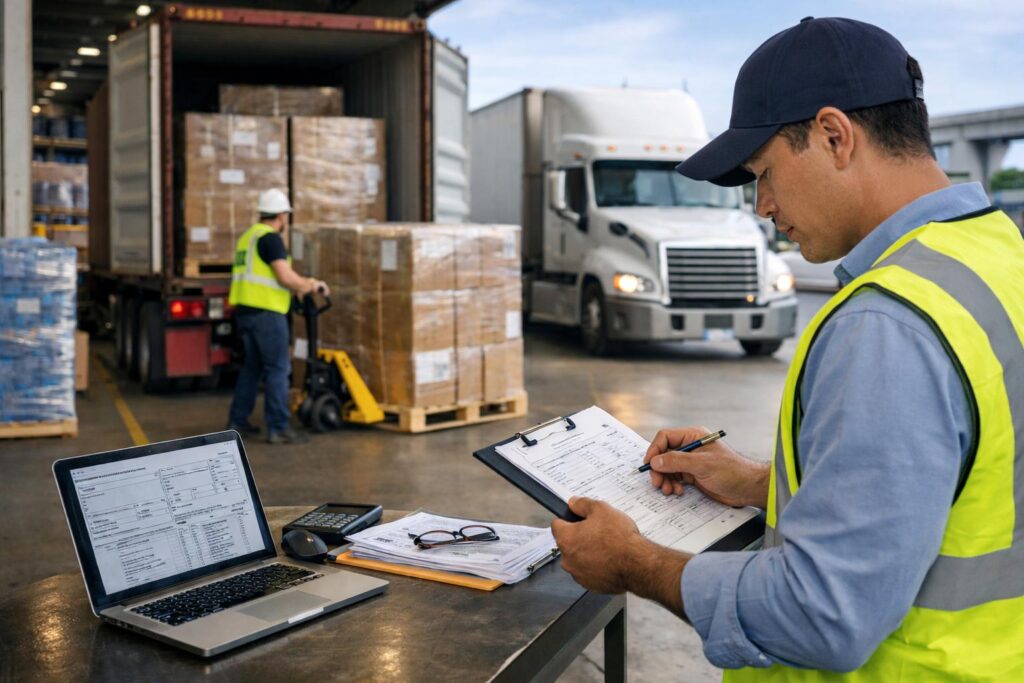
Although the trucking journey is relatively short, containers arriving from China cannot always be collected immediately after the vessel berths.
The overall delivery timeline depends on:
Vessel unloading and container availability: Containers must be discharged and made available for pickup.
Customs and shipping line release: Outstanding documentation, payments, or inspections may delay collection.
Terminal appointments and truck availability: Limited pickup slots, chassis shortages, or congestion can affect scheduling.
Warehouse receiving arrangements: Delivery appointments and unloading capacity must align with the trucking schedule.
For importers shipping from China, 2–7 days is a practical planning estimate rather than a fixed transit-time guarantee. Customs examinations or serious port congestion can extend the schedule further.
To reduce delays, coordinate customs clearance, terminal pickup, and warehouse delivery before the vessel arrives. Confirm the container’s Last Free Day (LFD) to help avoid unnecessary demurrage and storage charges.
Demurrage and detention can increase shipping costs when containers arriving from China remain at the Ports of Los Angeles and Long Beach or are returned late. Importers should monitor free time and arrange timely container pickup and return.
Demurrage: Charged when a loaded container stays at the port beyond its allowed free time.
Detention: Charged when a container is kept outside the port beyond the permitted return deadline.
Storage: Additional charges for cargo or containers held at a terminal or warehouse.
Free time and daily charges vary by shipping line, terminal, and service agreement.
Clear customs early: Complete documentation and release arrangements before arrival.
Track the Last Free Day (LFD): Confirm the container pickup deadline.
Book trucking in advance: Coordinate terminal appointments, chassis, and drivers.
Prepare warehouse unloading: Ensure cargo can be unloaded promptly.
Return empty containers on time: Follow the shipping line’s return instructions.
For urgent shipments, pre-pull services can move containers to off-site storage before the LFD, potentially avoiding demurrage while adding separate trucking and storage costs.
Tonlexing helps coordinate port pickup, warehouse delivery, and empty container returns to reduce delays and unnecessary charges.
The right service depends on whether goods are destined for a single location or several distribution points in Southern California or farther inland. Container imports from China commonly use direct drayage delivery, warehouse transloading, or an intermodal connection.
Direct FCL delivery keeps the original ocean container intact until it reaches the consignee’s receiving location. It suits machinery, furniture, and other products delivered to one warehouse with suitable unloading equipment.
Transloading involves unloading imported goods and transferring them into domestic trailers, another container, or warehouse storage. It can help when businesses need to sort retail inventory, prepare deliveries to different distribution centers, or reduce the inland movement of ocean equipment.
For LCL shipments from China, a container freight station typically separates consolidated freight for individual importers before local delivery. The forwarder should confirm when the goods are available, whether customs clearance is complete, and what collection instructions apply.
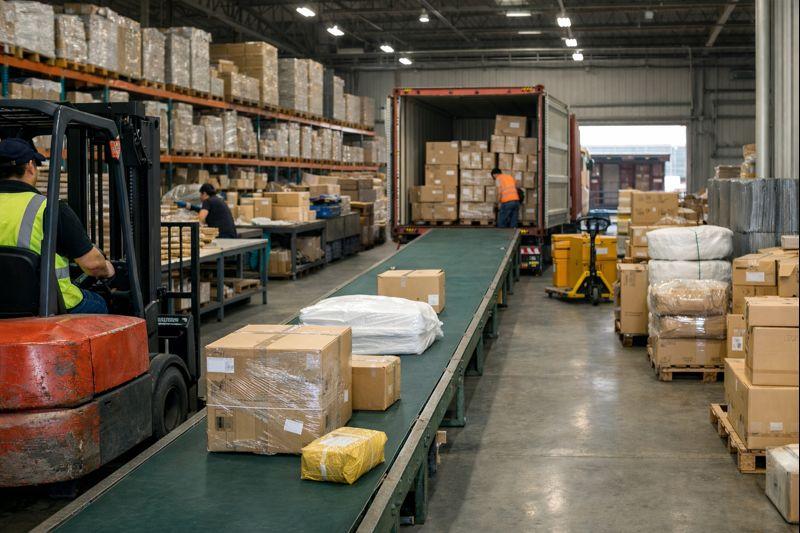
On-dock and off-dock rail connections at the ports of Los Angeles and Long Beach support distribution beyond Southern California, including moves through the Alameda Corridor and connecting rail networks.
Intermodal transportation is useful for suitable volumes moving to inland markets.
Air freight offers a different option for urgent or high-value products, but it does not replace truck pickup for containers already arriving through the ports. Export shipments also follow different release and gate workflows.
Businesses should select services around their actual inbound goods, delivery deadlines, and landed cost.
Drayage trucks serving the Ports of Los Angeles and Long Beach must comply with port registration, security, and California emissions regulations. Importers should verify carrier eligibility before arranging container pickup.
Port Drayage Truck Registry (PDTR): All trucks entering marine terminals must be registered.
Vehicle Age Requirements: Trucks newly registered for port service since October 1, 2018, must be model year 2014 or newer. Previously registered trucks remain subject to applicable compliance rules.
Driver and Equipment Access: Drivers generally need a valid TWIC for unescorted access to secure areas. Carriers must also meet applicable insurance and equipment interchange requirements.
The two ports operate Clean Truck Programs under the Clean Air Action Plan to reduce emissions from port trucking.
Clean Truck Fund (CTF): Applicable non-exempt container movements are charged $10 per TEU.
Emissions Compliance: Trucks must meet applicable California emissions standards and port access regulations.
2026 Regulatory Updates: California voted in 2025 to repeal Advanced Clean Fleets requirements for private and drayage fleets. Separate port registration and emissions requirements still apply.
Choosing a compliant trucking provider helps prevent access problems, missed appointments, and delivery delays.
A reliable drayage provider can make the difference between a smooth delivery and unexpected delays at the Ports of Los Angeles and Long Beach. For importers shipping from China, the right partner should be able to manage container pickup, communicate with the warehouse, and handle potential problems before they lead to extra charges.
When comparing trucking companies, consider more than the quoted rate.
Port experience: Choose a carrier familiar with local terminal procedures and pickup appointments.
Equipment availability: Make sure trucks and chassis are available for your container size and weight.
Delivery options: Check whether the provider offers warehouse delivery, transloading, or inland transportation.
Clear pricing: Ask what is included in the quote and whether waiting time, chassis rental, or other fees may apply.
Communication: A good provider should keep you informed about pickup, delivery, and empty container returns.
To avoid unexpected costs, share your arrival port, container size, cargo weight, vessel ETA, and delivery address. If your shipment requires refrigerated transport, special handling, or transloading, mention these details when requesting a quote.
It is also worth confirming warehouse receiving hours and unloading arrangements in advance, as these can affect the delivery schedule and final cost.
Tonlexing can help coordinate port pickup, customs clearance arrangements, and warehouse delivery for China imports arriving in Southern California. Contact us with your shipment details for a tailored drayage quote.
No. Drayage usually covers a short container movement between a port, rail yard, or local warehouse. Long-haul trucking transports freight over much greater distances.
Applicable charges may include trucking, chassis rental, TMF, CTF, and optional handling or storage. Exemptions and individual contracts affect the final cost.
Standard import pickup generally requires the necessary release authorizations. Special bonded movements may follow different procedures.
No. Full loads can often be delivered directly. Transloading is useful when goods need sorting, re-palletizing, or onward domestic distribution.
Usually the trucking provider performs the empty-container return under the agreed service scope. Confirm who monitors the deadline and pays for late return charges.
Useful freight, customs and importing resources related to this shipping guide.
Drayage in the USA Explained: Services, Costs, Types, and How It Works Verified & Reviewed · Last updated March 2026 Drayage in the USA explained...
Read guide →
Shipping from China to Los Angeles is one of the most critical international logistics routes between Asia and the United States. As a major gate...
Read guide →
The Port of Long Beach stands as a vital gateway for international trade, particularly between Asia and North America. Located in Southern Califo...
Read guide →
The top West Coast shipping ports in the USA play a vital role in supporting international trade, facilitating container shipping, and driving ec...
Read guide →Demurrage vs Detention vs Storage Verified & Reviewed · Last updated January 2026 Demurrage vs detention vs storage is one of the most expensive...
Learn more → Useful Resource FCL vs LCL shipping from China to USAFCL vs LCL shipping from China to USA Verified & Reviewed · Last updated June 2026 FCL vs LCL shipping from China to USA depends on your cargo vo...
Learn more →WhatsApp us