

Port of Guangzhou Nansha: Routes, Transit Times & Costs (2026)
- Verified & Reviewed · Last updated February 2026
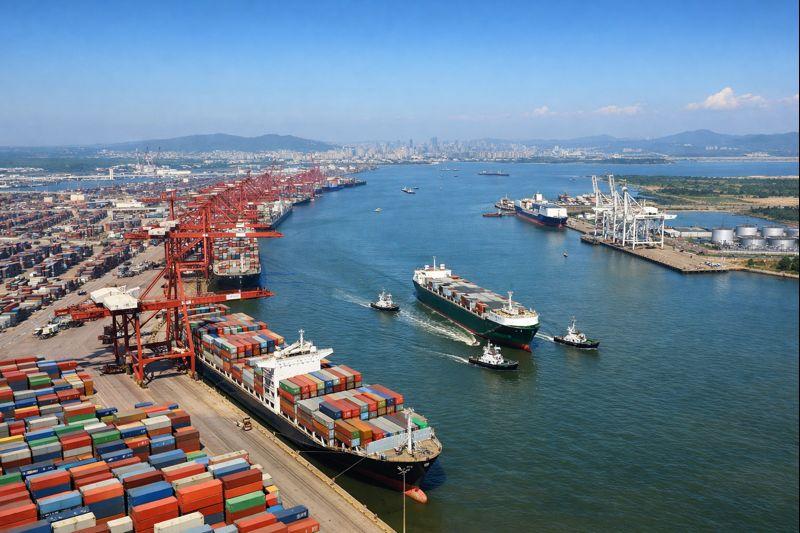
Port of Guangzhou Nansha is a deep-water container terminal in South China serving the western Pearl River Delta, located at the Pearl River estuary in Guangdong.
This 2026 guide explains how Port of Guangzhou Nansha works inside the Guangzhou Port system, why it is widely positioned as the west-bank deep-water choice, and what shippers should track for routing, transit time planning, customs clearance, and total shipping costs.
Shipping Routes
Transit time
Fees & customs clearance
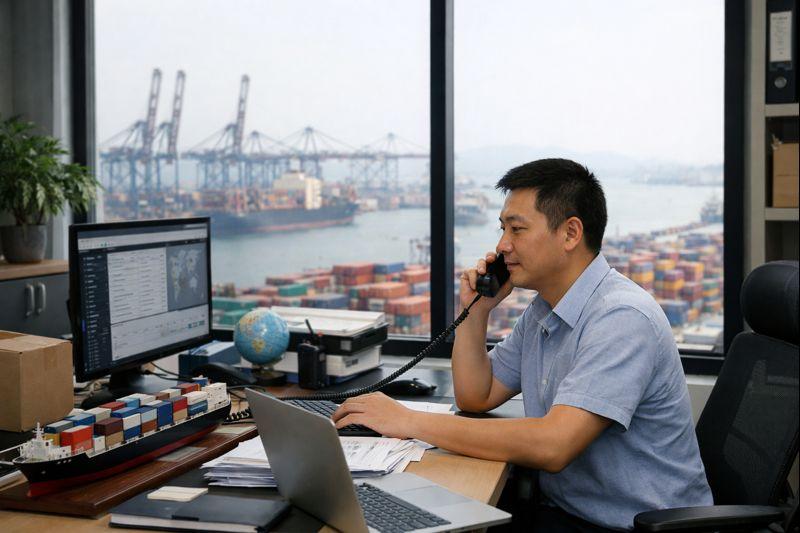
- Experienced China-based logistics specialists
Table of Contents
Port of Guangzhou Nansha Overview
What “Port of Nansha” Means Inside Guangzhou Port
Guangzhou Port is a multi-area system operated under the Guangzhou Port Group. In practice, Port of Nansha usually refers to the Nansha Port Area within Guangzhou Port, and it functions as the system’s primary deep-water container gateway.
In export operations, “Nansha” appears as the port of loading when containers are gated in, processed at the container terminal, and assigned to a carrier service string. That single detail affects cut-off timing, equipment availability, inspection flow, and weekly sailing reliability.
Where Nansha Is Located
Nansha Port is located in southern Guangzhou at the Pearl River estuary, commonly associated with Longxue Island. Its role is straightforward: it anchors deep-water access for the west bank corridor while staying close to manufacturing zones across the Pearl River Delta.
From a logistics standpoint, Nansha links four networks exporters actually use:
Highways connecting factories across Guangdong and the Pearl River Delta
River and barge services through the Pearl River system
Railways supporting inland access and intermodal planning
Ocean services connecting China to Asia, Europe, Africa, and North America routes
Regional Access Networks Exporters Use
From a logistics standpoint, Nansha links four networks exporters actually use:
Highways connecting factories across Guangdong and the Pearl River Delta
Sea and river/barge services through the Pearl River system
Railways supporting inland access and intermodal planning
Ocean services connecting China to Asia, Europe, Africa, and North America routes
Why It’s the West-Bank Deep-Water Choice
Nansha is widely positioned as the only deep water port and only deep water container terminal on the west bank of the Pearl River Delta that can accommodate ships over 150,000 tons. For exporters in the western Pearl River Delta, this often reduces inland detours and improves schedule control.
Many “delays” happen before a vessel departs—highway congestion, missed gate appointments, and tight cut-offs. A west-bank deep-water port reduces those failure points and helps stabilize weekly shipping plans.
Terminal Capability and 2026 Scale
Deep-Water Berths, Equipment, and Large-Vessel Handling
Nansha features 150,000-tonnage class deep-water berths and is positioned to accommodate 18,000+ TEU mega vessels from major shipping lines. This matters because mega-vessel readiness improves the stability of mainline service strings on long-haul routes to Europe and the Americas.
Nansha is also described as having 16 deep-water berths primarily in the 150,000-ton class, supported by high-capacity terminal equipment such as ultra-large quayside cranes and gantry cranes. For shippers, the practical value is throughput stability: when volumes expand, strong equipment density helps protect handling rhythm and reduce bottlenecks.
Throughput Targets and Planning Signals
By 2026, the Port of Guangzhou aims for a total cargo throughput of 700 million tons and 27 million TEUs. Within this system, Nansha is often described as a core growth engine by container throughput.
Common planning signals referenced in the market include:
2024 container throughput: 20.49 million TEUs
Foreign trade growth: 13% year-on-year
Share of Guangzhou Port Group volume: often cited around 75%
Annual container capacity: exceeds 20 million TEUs
For planning, million-TEU scale often correlates with route density, carrier participation, equipment circulation, and resilience during peak-season capacity tightness.
Routes, Transit Times, and Intermodal Connectivity
Liner Routes and Global Coverage
Nansha Port supports an expanding network across Southeast Asia, Europe, Africa, and North America. Nansha is often described as operating 200 container liner routes, including 165 foreign trade routes, helping shippers keep weekly plans stable when space is tight.
This network also supports lane planning tied to RCEP countries, especially when exporters want shorter replenishment cycles into Southeast Asia while keeping options open for long-haul services.
Reference Transit Times From Nansha
Transit time depends on service string design, whether routing is direct, and destination congestion. Use these ranges as planning benchmarks.
| Trade lane | Key destination ports | Reference transit time |
|---|---|---|
| Southeast Asia | Ho Chi Minh City, Klang, Singapore | 3–7 days |
| Middle East & India | Jebel Ali, Nhava Sheva | 12–18 days |
| Europe | Rotterdam, Hamburg, Antwerp | 28–35 days |
| North America West Coast | Long Beach, Los Angeles | 15–22 days |
| Africa | Lagos, Durban | 30–45 days |
Intermodal Connectivity: Sea–Rail, Road, and River Links
Nansha connects ocean services with highways, river/barge corridors, and railways. It is often described as the only port in South China with a dedicated railway line directly linked to the terminal, which supports sea–rail intermodal transport and reduces dependence on highways during congestion weeks.
For exporters, intermodal planning is mainly about reliability:
Better control of terminal cut-offs
Lower missed-sailing risk when trucking capacity tightens
More predictable inland arrival timing for multi-supplier consolidation
Operations, Warehousing, and Customs
Fully Automated Terminal and Centralized Inspection
Nansha features a centralized inspection center and an advanced fully automated terminal model designed for river, sea, and rail transport. Automation improves loading and unloading speeds by stabilizing yard operations and improving container flow discipline.
A high-performing container terminal protects three milestones exporters care about:
Gate-in to yard positioning
Inspection and release coordination
On-time loading against ETD changes
Warehousing and Cold Chain Capability
Nansha offers modern warehousing and customized services that support port-side container loading, container-as-warehouse storage, origin LCL, and buyer cargo consolidation.
Strong cold-chain operations often signal tighter inspection coordination, disciplined yard management, and reliable distribution scheduling—useful not only for refrigerated cargo, but also for time-sensitive shipments.
Customs Clearance at Port of Guangzhou Nansha
Customs clearance at Port of Guangzhou Nansha is about one thing: secure export release before vessel cut-off. Nansha is within the Nansha Pilot Free Trade Zone, supporting smoother coordination across port, customs, and logistics—so shipments move fastest when data is clean and filed early.
Workflow: invoice + packing list + booking details → export declaration filing → handle inspection only if triggered → confirm customs release before cut-off.
To avoid delays, keep product description, HS code, declared value, quantities, and weight consistent across documents, and avoid last-minute changes after filing.
Freight Costs and Equipment at Nansha
A reliable cost model separates ocean freight, origin local charges, and inland transport plus equipment. This structure prevents underestimating origin fees that still apply even when sea rates soften.
Freight cost reference from Nansha (2026 Q1 estimate)
| Trade lane | 20ft (20GP) | 40ft (40HQ) |
|---|---|---|
| North America West Coast | $2,100–$3,500 | $4,000–$6,500 |
| North America East Coast | $3,350–$5,000 | $5,800–$8,000 |
| Europe | $2,200–$2,800 | $4,500–$6,000 |
| Middle East (Jebel Ali) | $1,500–$2,800 | $2,000–$4,200 |
| Southeast Asia | $200–$1,200 | $400–$2,000 |
LCL reference: $80–$180 per CBM.
These are planning ranges. Final pricing depends on the sailing week, carrier space, equipment availability, and local charge structure.
What you actually pay for
1) Ocean freight
The base sea rate for vessel space on a specific sailing. It moves when carriers tighten or release capacity, adjust schedules, or when demand spikes on lanes like Europe and North America.
2) Origin local charges at Nansha
Terminal-related costs that apply even if the sea rate drops. A common planning reference is:
3) Inland transport and equipment
Trucking, barge, or sea–rail moves, plus empty container pickup and yard return timing. When highway congestion is heavy or equipment is tight, this layer becomes the main risk to cut-offs.
Common add-ons: fuel-related surcharges such as BAF may appear, and some quotes show it separately.
Planning Notes: Origin, Timing, and Key Terms
Origin planning: For west-bank origins such as Zhuhai, routing into Nansha can reduce detours and improve cut-off control. For cargo staged around Guangzhou and Huangpu, lock gate-in early to avoid peak-week highways congestion.
Time and year-round reliability: Total time includes pre-carriage, gate-in, cut-off, and release. In busy weeks, missing cut-off can shift a full week, so build buffer time for terminal congestion.
Terms to confirm: Port of loading Nansha, equipment type, direct vs transshipment, and lane choice across Asia, Africa, and wider world routings.
Rights and details: Confirm export rights and keep document details consistent (description, HS code, value, weight). Last-minute edits are the most common reason plans break.
Frequently Asked Questions
No. Guangzhou Port is the overall port system under Guangzhou Port Group. Port of Nansha usually refers to the Nansha Port Area where export containers are handled as the port of loading.
Nansha is widely positioned as the only deep-water container terminal on the west bank of the Pearl River Delta capable of accommodating ships over 150,000 tons, improving inland routing efficiency and cut-off control for western PRD exporters.
Yes. Nansha is positioned to accommodate mega vessels over 18,000 TEUs and operates 150,000-ton class berths.
Nansha is described as operating 200 container liner routes, including 165 foreign trade routes covering Europe, the Americas, Asia, and Africa.
A practical reference range is 15–22 days, depending on the service string, transshipment plan, and destination congestion.
Explore more shipping guides:
Get a Nansha Shipping Quote
Ocean freight + local charges breakdown
Weekly sailing options from Nansha
Support for FCL, LCL, and sea–rail planning
Tell us your origin city, cargo details, and destination to receive a tailored quote and sailing plan.