Related Guide
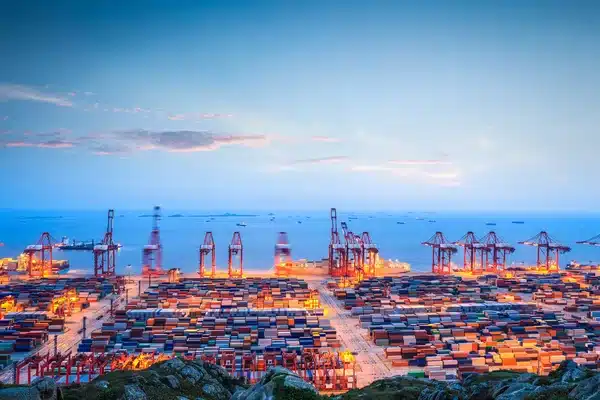
Shanghai Port: China’s Gateway to Global Shipping
Shanghai Port is the largest and busiest container port in the world, serving as a vital hub for global trade and logistics. Strategically locate...
Read guide →

Shanghai is a major shipping and logistics hub in China, connecting the Yangtze River Delta with global markets through Shanghai Port and Pudong International Airport (PVG).
Tonlexing provides freight forwarding services from Shanghai, including FCL and LCL shipping, air freight, supplier pickup, consolidation, customs clearance and door-to-door logistics for international shipments.
Shipping Services
Freight Costs
Customs Clearance
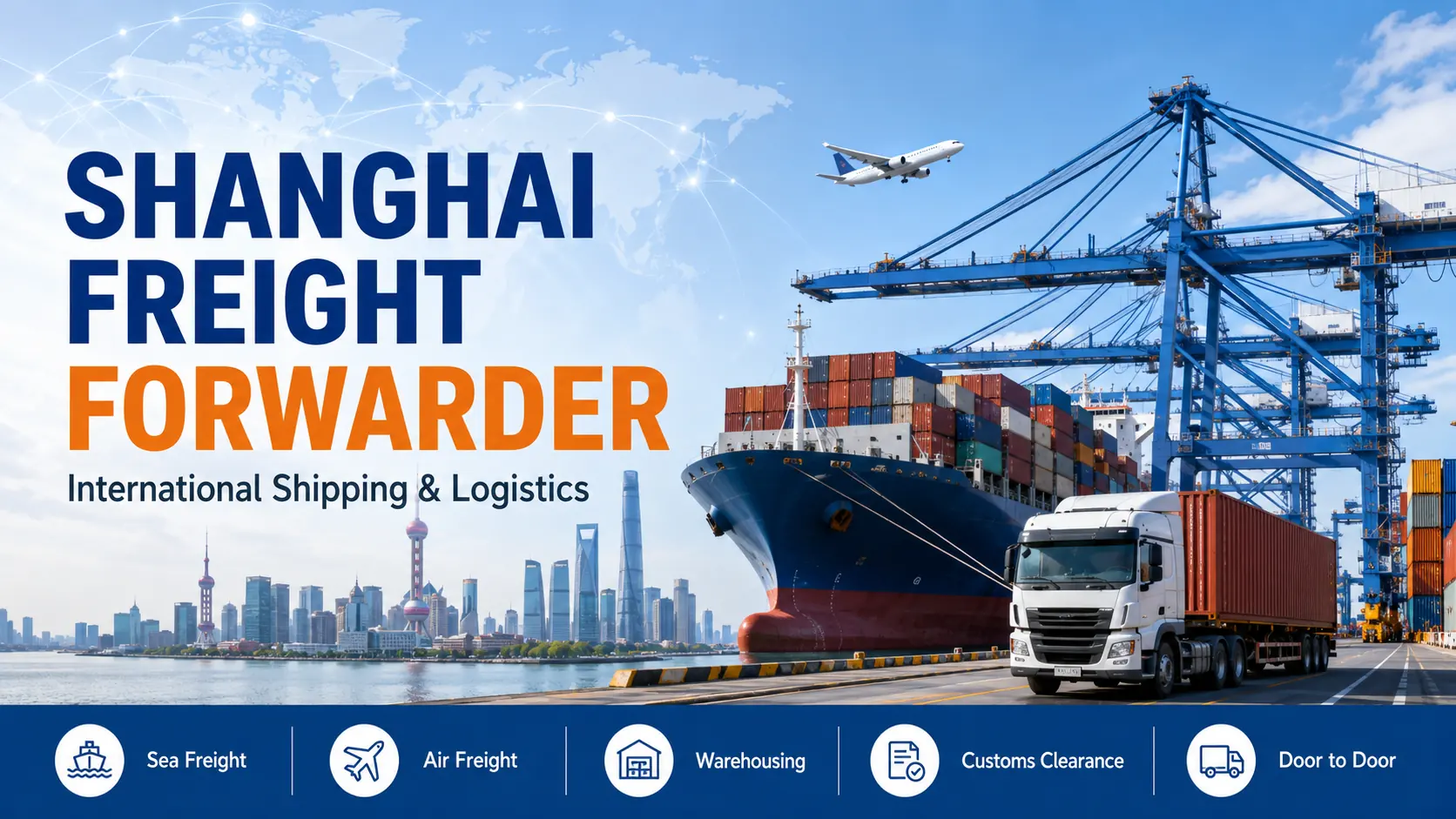
Shanghai offers several freight forwarding options for businesses shipping goods from East China to international markets. The most suitable solution depends on cargo volume, urgency, destination and whether the shipment requires only international transport or additional services such as pickup, warehousing, customs clearance and final delivery.
For most importers, the main choices are ocean freight, air freight and door-to-door logistics. Each method serves a different shipping need, so the decision should be based on the complete logistics requirement rather than the main freight rate alone.
Ocean freight is the most common choice for large, heavy or less time-sensitive cargo moving from Shanghai. Importers can choose between FCL and LCL depending on shipment volume.
FCL shipping is suitable for larger orders that can use a dedicated 20ft, 40ft or 40HQ container.
LCL shipping allows smaller shipments to share container space and is normally charged according to volume or weight.
Cargo can be collected from suppliers and delivered to a warehouse or CFS before loading.
Export documentation and customs clearance can be coordinated before the shipment enters the port.
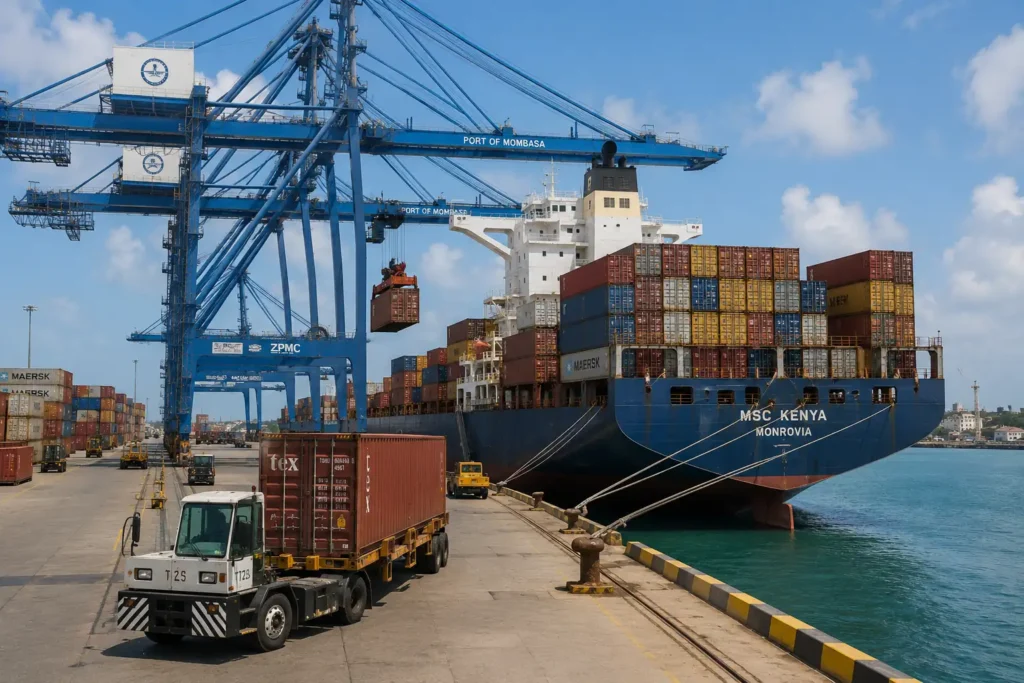
Shanghai Port provides regular connections to major destinations in North America, Europe, the Middle East, Southeast Asia, Oceania and other international markets.
Air freight is better suited to urgent, higher-value or smaller commercial shipments where transit time is a priority. Shanghai Pudong International Airport (PVG) serves as the main international air cargo gateway for Shanghai and nearby manufacturing areas.
Typical air shipments include electronics, spare parts, samples, seasonal products and other time-sensitive goods. Pricing is normally based on chargeable weight, while flight schedule, available capacity and routing also influence the final quotation.
For urgent cargo, a slightly higher-priced route with better flight frequency or fewer transfers may provide more reliable delivery than the lowest available rate.
Importers who need more than port-to-port transportation can use a door-to-door solution that combines several stages of the shipment under one logistics arrangement.
Depending on the destination and service scope, this may include:
Supplier pickup
Warehousing and consolidation
Export customs clearance
International transportation
Destination clearance coordination
Final delivery
This type of service is particularly useful for businesses sourcing from several suppliers or importers without their own logistics operation in China. DDP solutions may also be available for selected destinations and eligible cargo, subject to local import requirements and product restrictions.
Shanghai is a major international logistics hub because it combines a large seaport, a major cargo airport and direct access to the Yangtze River Delta manufacturing region. Goods from Shanghai, Jiangsu and Zhejiang can be collected, consolidated and shipped overseas through one well-connected logistics network.
Shanghai Port provides regular container services to major markets in North America, Europe, the Middle East, Southeast Asia, Australia and other regions. Cargo may move through Yangshan or Waigaoqiao depending on the carrier and route.
When selecting a sailing, importers should consider:
Destination and carrier schedule
FCL or LCL requirements
Direct or transshipment service
Container availability and cargo readiness
The lowest ocean rate is not always the best choice if a longer route increases transit time or schedule risk.
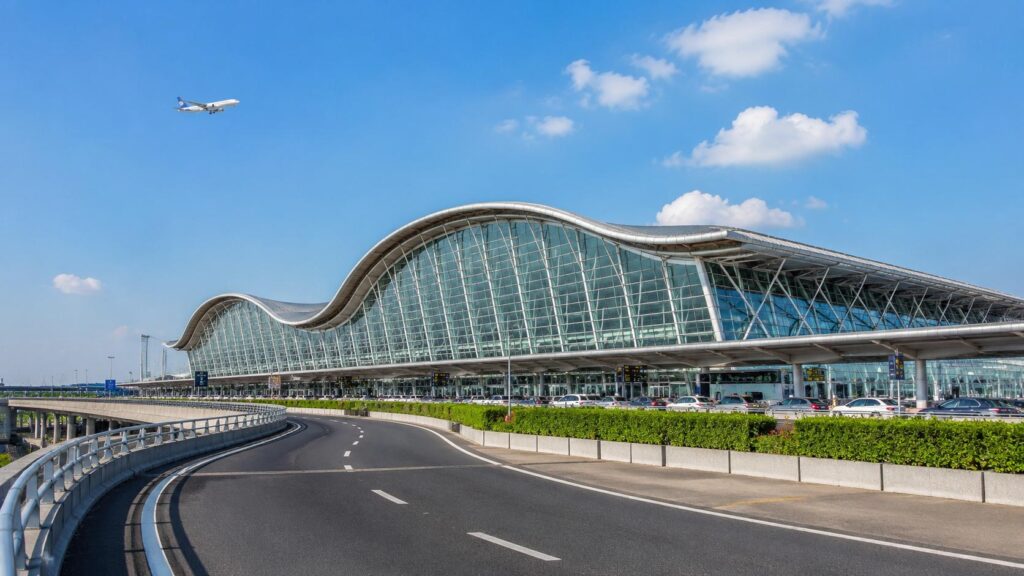
Shanghai Pudong International Airport (PVG) is an important gateway for urgent and higher-value cargo. It is commonly used for electronics, spare parts, samples and other time-sensitive shipments.
Flight schedule, available capacity and cargo acceptance requirements should be considered together when choosing an air freight option.
Together, Shanghai Port and PVG give importers the flexibility to choose the most suitable shipping method based on cargo volume, urgency and destination.
Many importers source products from several suppliers across Shanghai, Jiangsu and Zhejiang. Shipping each order separately can increase handling costs, create multiple sets of documents and make the overall process harder to manage.
A local warehouse in Shanghai can be used to receive cargo before export. Goods from different suppliers can be collected, checked and consolidated into one shipment where practical.
Typical warehouse and consolidation services may include:
Supplier pickup in Shanghai and nearby manufacturing areas
Cargo receiving and basic quantity checks
Labeling, palletizing and repacking
Consolidation of goods from multiple suppliers
Preparation for FCL, LCL or air freight
For example, products from factories in Shanghai, Suzhou and Hangzhou can first be collected at one warehouse and then shipped together. This can simplify coordination and reduce the number of separate international shipments.
For businesses sourcing regularly from China, supplier pickup and cargo consolidation can also become part of a broader supply chain plan, helping improve shipment timing and warehouse management.
Shanghai connects East China with major markets in North America, Europe, Asia, the Middle East, Oceania and Latin America. Depending on the destination and cargo requirements, shipments can move by ocean, air or selected multimodal rail services.
Shanghai Port offers regular container services on several major trade lanes:
North America: Direct services connect Shanghai with ports such as Los Angeles and Long Beach, while East Coast cargo may move via the Panama Canal or intermodal rail connections.
Europe: Main routes pass through the South China Sea, Indian Ocean and Suez Canal before reaching ports such as Rotterdam and other Northern European gateways.
Intra-Asia: Short-sea services connect Shanghai with regional hubs including Singapore, Busan, Tokyo and Southeast Asian ports.
Oceania and Latin America: Regular sailings serve major ports in Australia as well as gateways on the west coast of South America.
For most large or cost-sensitive shipments, ocean shipping remains the preferred option because it offers greater capacity and lower unit costs than faster transport modes.
Shanghai Pudong International Airport (PVG) provides extensive international cargo connections for urgent and high-value shipments. Common routes link Shanghai with major logistics hubs in North America and Europe, including Los Angeles, Chicago, Frankfurt, Amsterdam and London.
Air freight is particularly suitable for electronics, spare parts, samples and other time-sensitive products where shorter transit time is more important than the lowest shipping cost.
Shanghai can also connect with the China-Europe Railway Express through inland rail hubs such as Xi’an or Chengdu. Cargo is first transported from Shanghai to the rail departure terminal before continuing through Central Asia toward Europe.
Rail can be a practical middle option for selected cargo:
Faster than conventional ocean shipping on some China-Europe routes
More economical than air freight for heavier shipments
Suitable for electronics, automotive parts and industrial goods moving to inland European destinations
The best route depends on the final destination, cargo volume, urgency and budget. For regular shipments, carrier schedules and destination handling should be compared together rather than selecting a route based only on the lowest rate.
Customs clearance in Shanghai depends on accurate product information and complete export documentation. Before cargo can leave China, shipment details must be submitted to China Customs.
For most commercial shipments, several core documents are required before cargo can be cleared for export from Shanghai. These documents should contain consistent information, especially the product description, quantity, weight, value and consignee details.
The main shipping documents include:
Commercial Invoice: Shows the buyer and seller, product description, quantity, unit value, currency and total transaction value.
Packing List: Provides carton or pallet quantities, gross and net weight, dimensions and packing details.
Bill of Lading / Air Waybill: The main transport document for ocean or air shipments.
Export Customs Declaration: Used to declare the cargo to China Customs before export.
Certificate of Origin: Required for certain destinations or when preferential tariff treatment is claimed.
Additional documents may be needed depending on the commodity and destination. Batteries, chemicals, medical products, wood packaging and other regulated goods often require supporting certificates or technical documents before the carrier accepts the shipment.
The process normally begins before the cargo reaches the terminal. A freight forwarder or customs broker checks the documents, confirms the HS code and submits the export declaration electronically.
A typical clearance process includes:
Document submission: Commercial and shipping information is prepared and submitted for declaration.
HS code and declaration review: Customs checks the classification, value and shipment details.
Inspection if required: Some shipments may be selected for document review or physical inspection.
Customs release: Once approved, the cargo can proceed to the vessel, flight or next export stage.
Preparing the documents early is especially important for shipments with tight vessel cut-off times or flight schedules. If an inspection or document correction is required, having enough time before departure can help avoid a missed booking.
Not every shipment follows the same documentation requirements. The product itself often determines whether additional certificates are needed.
| Cargo Type | Common Additional Documents |
|---|---|
| Batteries | MSDS, UN38.3 and other transport documents where applicable |
| Chemicals | MSDS and relevant safety or classification documents |
| Wood Packaging | ISPM 15 compliant treatment/marking where required |
| Regulated Products | Product-specific certificates, permits or supporting documents |
Tonlexing can coordinate China-side customs clearance and review the basic shipping documents before cargo is handed over to the carrier. For regulated goods, we recommend providing the product name, HS code, packing details and available technical documents at the quotation stage so that any special requirements can be checked before shipment.
The shipping process from Shanghai can be organized into five main stages, covering everything from cargo preparation to final delivery.
Confirm Shipment Details – Provide the supplier address, destination, product description, HS code if available, number of packages, gross weight, dimensions and expected shipping date so the shipment can be evaluated accurately.
Select the Shipping Solution – Compare FCL, LCL, air freight or door-to-door shipping based on cargo volume, urgency, destination, transit time and overall logistics requirements.
Arrange Pickup and Consolidation – Collect goods from the supplier and, when several factories are involved, receive and consolidate the cargo at a Shanghai warehouse before export.
Complete Export Procedures – Check the commercial invoice, packing list and other required documents, coordinate customs clearance and deliver the shipment to the nominated port, airport or terminal.
Departure, Tracking and Final Delivery – Monitor the shipment after departure, provide status updates and coordinate destination clearance and final delivery when these services are included in the booking.
Freight forwarding costs from Shanghai vary according to the shipping method, cargo size, destination and service scope. There is no single standard rate because an FCL container, an LCL shipment and urgent air cargo use different pricing structures.
The main factors that affect the total cost include:
Shipping method: FCL, LCL and air transportation are calculated differently.
Cargo volume and weight: Larger or heavier shipments affect transport and handling charges.
Pickup location: Suppliers outside the city may require additional inland trucking.
Destination and route: Direct and transshipment services may have different rates and transit times.
Origin handling: Warehouse receiving, consolidation, documentation and export procedures may add local charges.
Destination services: Local handling and final-mile transportation can affect door-to-door pricing.
For FCL shipments, pricing is generally based on container type and route. LCL cargo is normally charged according to volume or weight, while air freight is calculated using chargeable weight.
A useful way to understand the total logistics cost is:
Supplier Pickup + Origin Handling + International Freight + Documentation + Destination Charges + Final Delivery
When comparing quotations, importers should look at the complete charge breakdown rather than only the main freight rate. A lower headline price may exclude origin handling or destination fees, so an itemized quotation provides a more accurate basis for comparison.
Tonlexing provides freight forwarding and international logistics solutions for businesses shipping from Shanghai and the surrounding Yangtze River Delta. Depending on cargo, destination and delivery requirements, our team can coordinate different stages from supplier pickup in China through international transportation and destination support.
Our shipping solutions are selected according to cargo volume, urgency and destination rather than using the same option for every shipment.
Main services include:
FCL and LCL ocean shipping
Air freight through Shanghai Pudong International Airport (PVG)
Door-to-door logistics for selected destinations
Selected DDP solutions where available
Export documentation and clearance support
Cargo tracking and destination coordination
For larger or regular shipments, FCL can provide better capacity and handling efficiency. Smaller cargo may be better suited to consolidation, while urgent or higher-value goods can move through faster transportation options.
Tonlexing can also coordinate cargo before international departure, particularly for importers purchasing from several suppliers across Shanghai, Jiangsu and Zhejiang.
Services can include supplier pickup, warehouse receiving, cargo consolidation, palletizing, labeling and export preparation. Where practical, goods from several factories can be combined into one shipment rather than managed through multiple international bookings.
For regular importers, these activities can also support a more consistent supply chain, combining supplier coordination, warehouse management, transportation planning and international distribution.
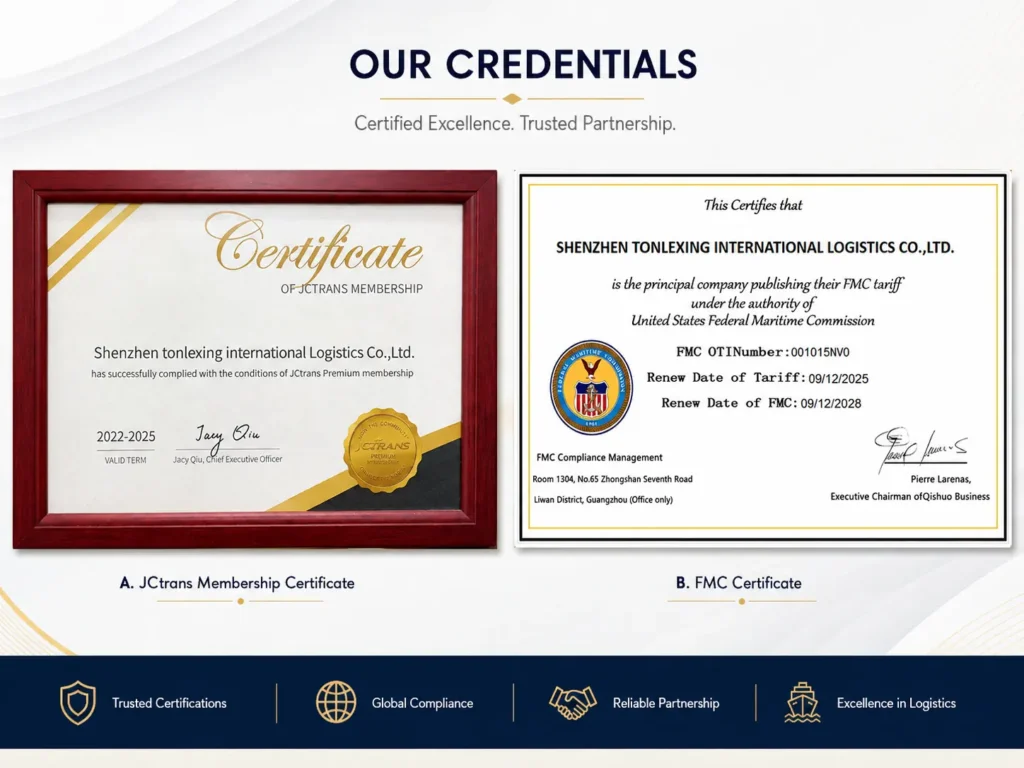
Tonlexing displays business and logistics credentials that customers can review when evaluating the company. The documentation provided for this page includes company registration information, NVOCC-related qualification, U.S. FMC registration and JCtrans membership.
Business Registration: Provides independent verification of the company’s registered business identity in China.
NVOCC Qualification: Supports ocean freight forwarding and related international shipping operations.
FMC Registration: Supports ocean transportation activities involving the United States.
JCtrans Membership: Connects Tonlexing with an international network of logistics partners.
These credentials, together with operational expertise, help support different international shipping requirements. For door-to-door shipments, an established destination network is also important because overseas partners may coordinate import procedures, local transportation and distribution after arrival.
Shipment visibility matters as well. Customers should receive clear updates at key stages such as supplier pickup, departure, transshipment where applicable and arrival.
A Shanghai freight forwarder coordinates cargo moving from suppliers in China to international destinations. Services may include supplier pickup, warehousing, consolidation, ocean shipping, air freight, export clearance, documentation and door-to-door logistics.
Charges depend on shipment size, weight, transportation method, destination and service scope. FCL is normally quoted by container, LCL by volume or W/M, and air freight by chargeable weight. Origin handling, documentation and destination charges can also affect the total price.
When comparing freight forwarders, review operational capability, cargo expertise, NVOCC arrangements, quotation transparency, customer service and destination network. A reliable provider should explain the shipping process and included charges before the booking is confirmed.
Sea freight is generally more suitable for large, heavy or less urgent shipments. Air freight is faster and is commonly used for urgent, smaller or higher-value cargo. The right option depends on cargo volume, required transit time and overall budget.
Yes. Goods from different factories can be collected and delivered to a local warehouse before being consolidated for export. This is particularly useful for importers sourcing products from several suppliers across East China.
Useful freight, customs and importing resources related to this shipping guide.
Shanghai Port is the largest and busiest container port in the world, serving as a vital hub for global trade and logistics. Strategically locate...
Read guide →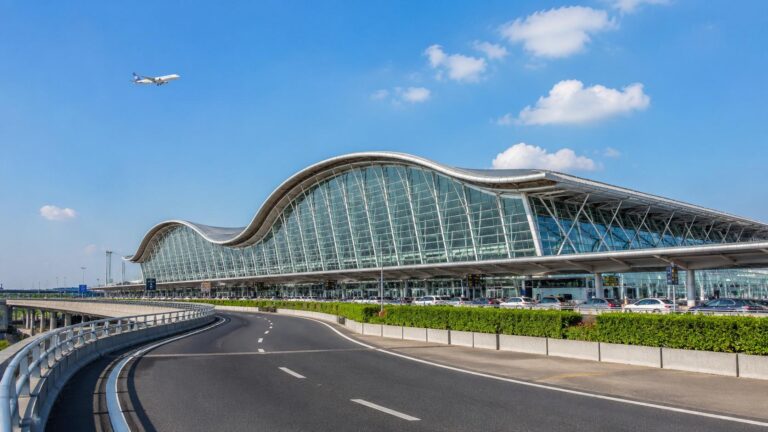
Shanghai Pudong International Airport (PVG) Verified & Reviewed · Last updated July 2026 Shanghai Pudong International Airport (PVG) is one of Ch...
Read guide →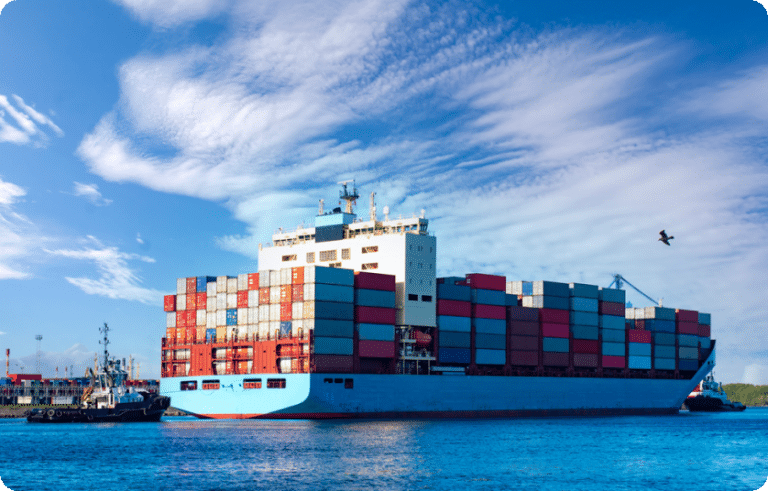
Sea freight is the most cost effective shipping method for large volumes and container load cargo. It is ideal for businesses looking to reduce s...
Read guide →
Air freight from China is the best option for time sensitive and high value shipments. It offers fast delivery, reliable transit times, and effic...
Read guide →Door to door shipping from China by air, sea, rail or express. Compare DDP vs DAP, costs, transit times, customs clearance and final delivery.
Learn more → Useful Resource How to Choose the Best Freight Forwarder in ChinaIn the complex world of international trade, selecting a reliable freight forwarder is a crucial step in ensuring a smooth and cost-effective sup...
Learn more →WhatsApp us