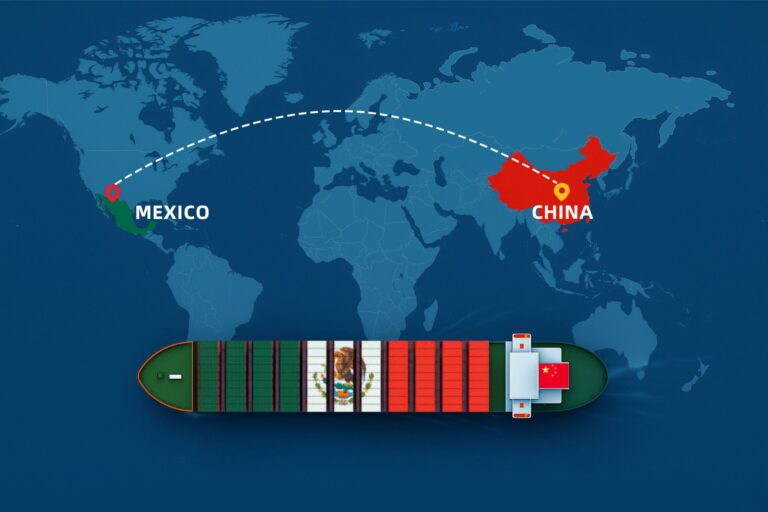
Related Guide
Shipping from China to Mexico
Shipping from China / Shipping from China to Mexico China–Mexico Freight Guide · Updated August 2026 Shipping from China to Mexico Compare ocean...
Read guide →

If you are planning shipping from China to Lázaro Cárdenas, the main questions are usually the same: which shipping method is best, how long will the shipment take, how much will it cost, and how can customs clearance in Mexico be handled smoothly.
Lázaro Cárdenas is one of the most important Pacific gateways in Mexico for cargo arriving from China. This guide covers shipping options, transit times, costs, customs requirements, major Chinese ports, shipping routes, and how to choose the right freight forwarder.
Shipping method / Mode
Transit time range
Customs / Clearance
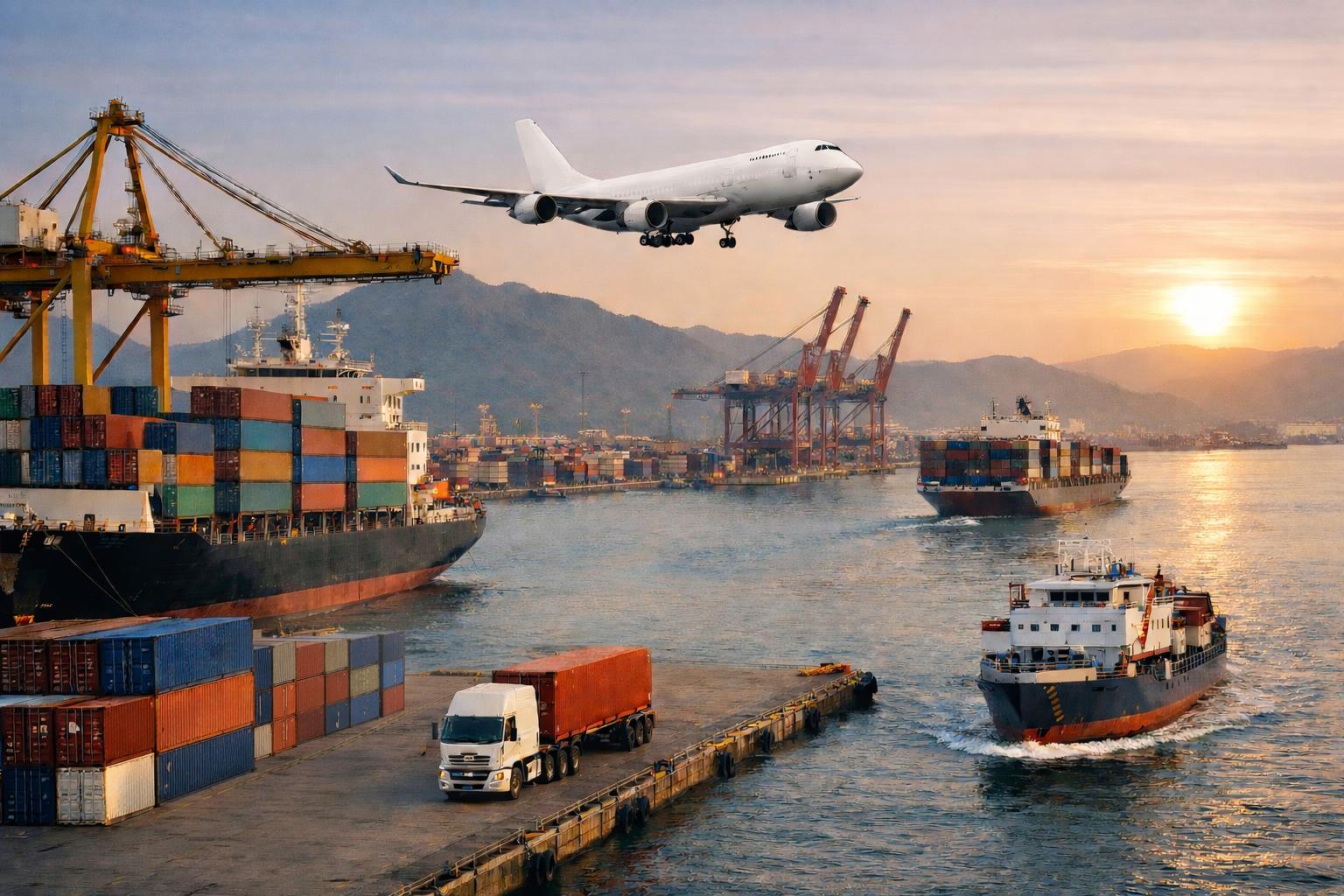
The best option depends on your cargo type, urgency, and budget.
Sea freight is usually the most cost effective solution for large or heavy cargo
Air freight is better for urgent and high value shipments
LCL shipping works for smaller cargo that does not need a full container
FCL shipping is better if your goods can fill most or all of a single container
Door to door delivery is useful if you want one provider to manage transport, customs clearance, and final delivery in Mexico
For most businesses, shipping from China to Lázaro Cárdenas by sea freight is the main choice because it offers better value for regular imports and bulk goods.
Sea freight from China to Lázaro Cárdenas is the most common shipping method for importers moving cargo into Mexico. It is widely used for machinery, consumer goods, furniture, electronics, industrial materials, retail inventory, and many other commercial products.
Sea freight is preferred because it supports:
larger shipment volumes
better pricing for bulk goods
regular carrier schedules
flexible container options
easier planning for repeat imports
If your cargo is not urgent, sea freight is often the smartest way to ship from China to Mexico.
FCL shipping is suitable when your goods can fill most or all of a single container. A full container load is ideal for importers that want fewer handling points, more cargo protection, and more stable schedules.
FCL is often the better option when:
you have enough cargo for an entire container
your shipment is fragile
you want fewer touchpoints during transport
your business needs better consistency during peak season
LCL shipping is used when your cargo volume is too small for a full container. In this case, your goods are loaded with other shipments in the same container.
LCL is a practical option for:
smaller orders
trial shipments
mixed goods from several suppliers
businesses controlling startup import cost
LCL can be cost effective for low-volume shipments, but it often involves more warehouse handling, so transit times may be slightly longer.
Air freight is the best solution when speed is more important than price. It is commonly used for urgent cargo, replacement parts, samples, electronics, medical products, and high value commercial goods. For companies with tight deadlines, air cargo can reduce stock pressure and keep operations moving.
Air freight is worth considering when:
the shipment is urgent
the cargo is high value
the goods are time sensitive
sea freight is too slow for your business cycle
Although air freight is not the cheapest way, it is often the right choice when delivery speed affects sales, production, or customer commitments.
Typical air freight transit time from China to Mexico is around 3 to 7 days, depending on airport handling, carrier schedules, customs review, and final delivery arrangements.
Air freight is usually charged by actual weight or volumetric weight, whichever is higher. That is why package dimensions and cubic meter efficiency matter. Bulky cargo with low actual weight can still be expensive by air.
Transit time depends on shipping method, origin city, carrier schedules, customs processing, and final inland transport in Mexico.
| Shipping Method | Typical Transit Times | Best For |
|---|---|---|
| Sea Freight FCL | 24–35 days | Large shipments |
| Sea Freight LCL | 28–40 days | Small and medium cargo |
| Air Freight | 3–7 days | Urgent cargo |
| Express Shipping | 2–5 days | Samples and documents |
Actual transit times may change because of:
origin port in China
route design
vessel schedules
carrier capacity
port congestion
customs inspection
inland trucking
seasonal pressure during peak season
For sea freight, the full shipment timeline includes factory pickup, export handling, port loading, ocean transit, destination handling, customs clearance, and final delivery.
The shipping cost from China to Lázaro Cárdenas mainly depends on the shipping method, cargo volume, weight, origin port, and whether you need port-to-port or door-to-door service. For most importers, sea freight is the most economical choice, while air freight and express shipping are better suited to urgent or high-value cargo.
For regular commercial cargo, ocean freight from China to Lázaro Cárdenas is usually the most cost-effective option.
For FCL shipping, current market reference rates are commonly around:
20ft container: about USD 2,100 to USD 3,800
40ft container: about USD 2,700 to USD 5,050
The exact rate depends on the departure port, carrier schedules, fuel surcharges, and space availability. Cargo shipped from Shanghai, Ningbo, Shenzhen, or Guangzhou may have slightly different pricing depending on the route and season.
For LCL shipping, charges are usually calculated by cubic meter. Current market references are often around:
Standard LCL: about USD 90 to USD 125 per CBM
DDP LCL service: about USD 250 to USD 450 per CBM
LCL is suitable for smaller shipments that do not require an entire container, while FCL becomes more cost effective once cargo volume is large enough to fill most of a single container.
If speed is more important than price, air freight is the faster option. In many cases, cargo first arrives at Mexico City airport and is then transferred inland depending on the final delivery point.
Typical air freight reference rates include:
Over 100 kg: about USD 4.50 to USD 7.00 per kg
Over 1,000 kg: about USD 4.90 to USD 6.20 per kg
For smaller urgent shipments, international express is also available. Typical reference rates are:
Small parcels: about USD 10 to USD 20 per kg
Over 20 kg: about USD 7 to USD 11 per kg
This makes express suitable for samples, documents, and urgent small packages, but usually not the best choice for larger commercial cargo.
The main shipping routes to Lázaro Cárdenas usually start from the largest export hubs in China. These major Chinese ports handle a significant share of containerized cargo bound for Mexico.
Common origins include:
These ports connect factories and suppliers across China with regular shipping services to Latin America.
Some shipping routes are direct, while others involve transshipment. The exact route depends on carrier schedules, capacity, and origin port selection. A reliable freight forwarder can help compare routes based on transit time, price, and stability.
Customs clearance is one of the most important parts of shipping from China to Lázaro Cárdenas. Delays often happen because of document errors, incorrect cargo descriptions, classification problems, or incomplete importer data.
For most shipments from China to Lázaro Cárdenas, the main documents include:
Commercial Invoice
Bill of Lading
Certificate of Origin if required
Compliance documents if the product is regulated
The invoice should show clear product descriptions, unit price, currency, and trade terms. The packing list should match the actual cargo details, including quantity, weight, and packaging information.
When shipping to Lázaro Cárdenas, the main customs fees include:
IGI (Import Duty): Based on the HS code, usually 0%–25%.
IVA (Value Added Tax): Standard rate 16%.
DTA (Customs Processing Fee): About 0.8% of the declared value.
Anti-Dumping Duty: Applies to certain products like steel, bicycles, or shoes.
These fees are calculated on the declared customs value and are in addition to freight and delivery costs.
To make customs clearance smoother, importers should:
confirm the HS code before shipping
use accurate product descriptions
prepare complete documents
make sure importer information is correct
check whether the goods require extra compliance or labeling
Good preparation helps reduce delays, storage fees, and unnecessary customs problems after the shipment arrives in Lázaro Cárdenas.

Many businesses prefer door service because it simplifies the full shipping process. Instead of arranging multiple providers, one logistics team can manage pickup, export, freight, customs, and final delivery.
Door-to-door shipping may include:
pickup from suppliers in China
export handling
sea freight or air freight
customs clearance
terminal release
inland transport by trucking
final delivery to warehouse or business address
This is especially useful for importers shipping to Mexico City and other inland commercial areas.
Lázaro Cárdenas is one of the key ports in Mexico for Pacific trade. It is widely used because it gives businesses strong access to inland markets and supports efficient container handling for cargo arriving from China.
Importers choose this route because it offers:
good Pacific access for Asia trade
strong port handling capacity
support for regular container services
inland distribution links
better planning for long-term supply chain operations
For many companies, this port is an essential gateway for commercial imports into Mexico.
Choosing the right freight forwarder is just as important as selecting the shipping route. A reliable logistics partner can reduce delays, improve shipment visibility, and simplify the entire process from supplier pickup in China to final delivery in Mexico.
When selecting a freight forwarder, look for the following:
Experience in Mexico sea freight
Knowledge of Mexican customs and import regulations
Access to reliable carriers for both sea and air shipping
Support for FCL and LCL cargo
Practical expertise in customs clearance and inland delivery
Responsive communication to keep you updated
Optional insurance services for added protection
Tonlexing specializes in shipments from China to Mexico, including Lázaro Cárdenas. They handle supplier coordination, port booking, customs clearance, and final delivery, ensuring shipments are tracked and managed from start to finish.
Sea freight usually takes around 24 to 35 days for FCL and 28 to 40 days for LCL. Air freight usually takes 3 to 7 days.
For most commercial cargo, sea freight is the cheapest way, especially for large and heavy shipments.
Common origins include Shanghai, Shenzhen, Guangzhou, Ningbo, Qingdao, Xiamen, and Tianjin.
Yes. It is one of the main Pacific ports in Mexico and is widely used for cargo arriving from Asia.
Most shipments require a commercial invoice, packing list, transport document, importer details, product information, and any permits required for regulated goods.
Useful freight, customs and importing resources related to this shipping guide.
Shipping from China / Shipping from China to Mexico China–Mexico Freight Guide · Updated August 2026 Shipping from China to Mexico Compare ocean...
Read guide →
Shipping Costs from China to Mexico (2026 Guide) Verified & Reviewed · Last updated June 2026 Shipping costs from China to Mexico usually range f...
Read guide →
Sea Freight From China to Mexico Verified & Reviewed · Last updated April 2026 Sea freight from China to Mexico is a cost-effective option for la...
Read guide →
As trade between China and Mexico continues to grow, ocean freight remains the most cost-effective and efficient shipping solution for businesses...
Read guide →Pedimento Explained: What It Means in Mexico Customs Verified & Reviewed · Last updated March 2026 Pedimento is one of the most important customs...
Learn more → Useful Resource DDP Shipping from China to MexicoDDP Shipping from China to Mexico Verified & Reviewed · Last updated June 2026 DDP Shipping from China to Mexico helps importers manage internati...
Learn more →WhatsApp us