

Shipping From Shenzhen to Los Angeles in 2026
- Verified & Reviewed · Last updated January 2026
Shipping from Shenzhen to Los Angeles can vary widely depending on the shipping method, cargo size, seasonal demand, and service scope. The right plan balances shipping costs, transit time, and delivery schedules from pickup in Southern China to final delivery in Los Angeles.
This 2026 guide explains air freight, sea freight, and express shipping options, how freight rates are built, and what to prepare for customs clearance. It also covers the main gateways used on this lane and how Tonlexing supports reliable door to door service with clear updates and consistent service quality.
Shipping options and costs
Transit time and routes
Customs clearance
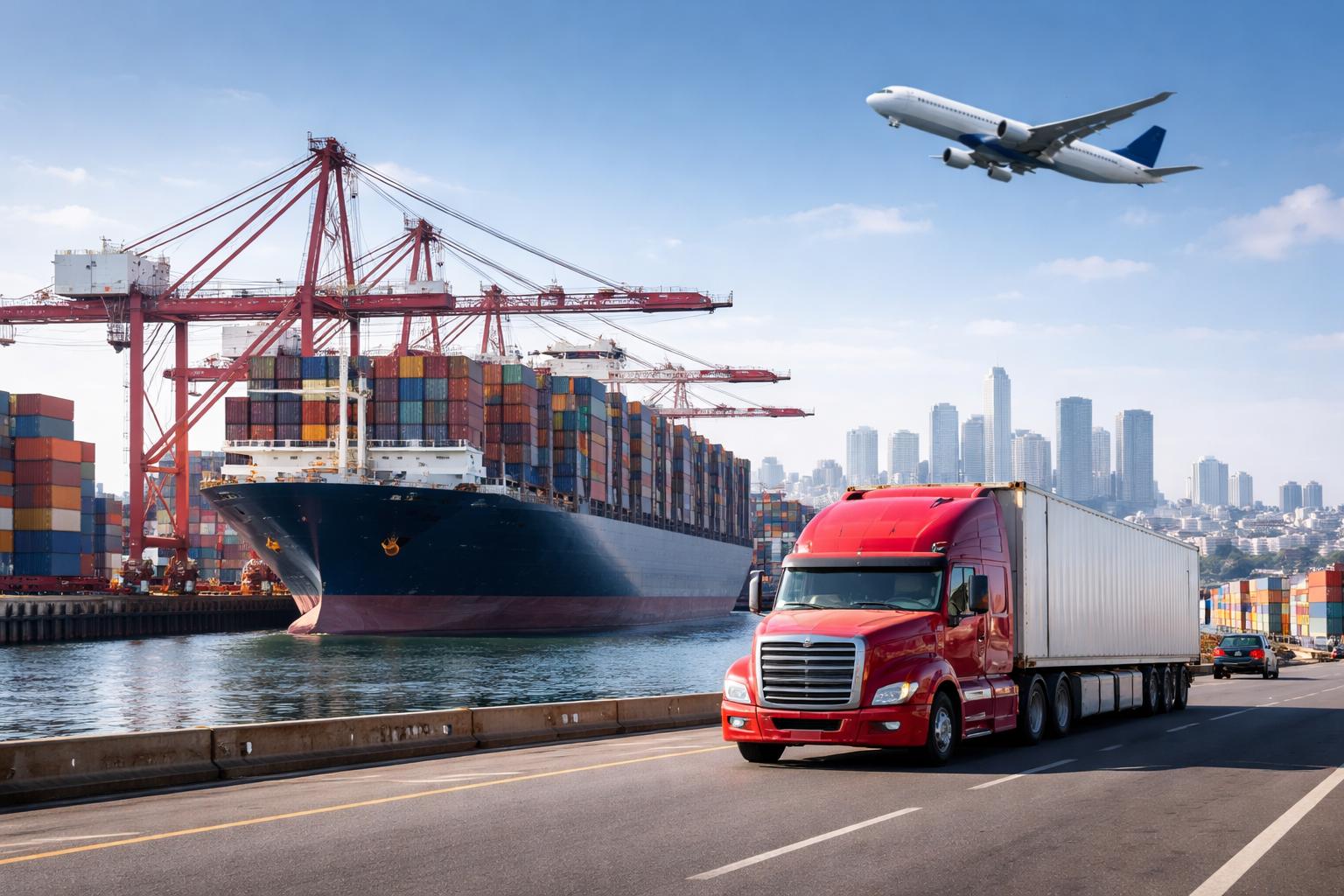
- Experienced China-based logistics specialists
Table of Contents
Quick cost guide for Shenzhen to Los Angeles shipping
Use this table for planning. Actual freight rates change with seasonal demand, space, cargo type, and service scope.
| Shipping Method | Typical Transit Time | Typical Shipping Costs | Pricing Unit |
|---|---|---|---|
| Air Freight | 3–5 days | $2–$8 | per kg |
| Express Shipping | 2–3 days | $8–$15 | per kg |
| Sea Freight (FCL, 40ft) | 12–20 days | $2,600–$3000 | per 40ft container |
| Sea Freight (LCL) | 16–28 days | $471–$671 | per 5 CBM |
Why Shenzhen to Los Angeles shipping is so efficient
Shenzhen sits in the Pearl River Delta, a dense manufacturing region in Southern China with strong export capacity and modern port infrastructure. On the US side, Los Angeles and Long Beach are major US ports that handle a large share of container traffic into California and beyond. For air cargo, the lane is also supported by regular cargo flights arriving at Los Angeles International Airport, which helps importers protect timelines for urgent shipments.
Because of that network, shipping from Shenzhen to Los Angeles remains one of the most stable and scalable routes for freight shipping into Los Angeles CA and the wider West Coast.
Main ports and transport routes
If you want fewer surprises, understand the physical route your cargo takes, not just the quote.
China gateways in Shenzhen and South China
Most ocean freight on this lane moves through the “Port of Shenzhen” network, which includes multiple terminals. The most common gateways for this lane are:
Yantian Port: a top choice for long-haul ocean freight to North America
Shekou Port: widely used for container exports, especially for consolidation from nearby factories
Shenzhen Bao’an International Airport: a key gateway for air freight and cargo flights
Your freight forwarder confirms which terminal is optimal based on cut-off dates, shipping line space, and your factory pickup location.
USA gateways in Los Angeles and the US West Coast
On arrival, most sea freight enters through:
Port of Los Angeles
Los Angeles International Airport
Common ocean freight routes
Most services follow a direct or semi-direct trans pacific route:
Shenzhen port terminal → trans pacific sailing → Los Angeles or Long Beach terminal → drayage → final destination
Some services include intermediate calls in East Asia before crossing the Pacific, which can change transit time and reliability
Air cargo route via airport gateways
For air freight, a typical route looks like:
Pickup in Shenzhen → Shenzhen Bao’an International Airport export handling → cargo flights → Los Angeles International Airport arrival and handling → trucking for final delivery
For express shipping, the routing often goes through integrated express networks and may include one or more transfer hubs before reaching Los Angeles.
Shipping options and shipping methods
Most importers choose between three shipping options based on cargo value, timing, and volume.
Ocean freight
Ocean freight is usually the most cost-effective choice for shipping cargo in large quantities, including bulk cargo. It is built around container load decisions:
Full container load for an entire container, best for larger shipments
Less than container load for smaller shipments that do not fill an entire container
Ocean freight tends to offer stable unit economics, but shipping time can shift due to port congestion and seasonal demand. Your freight forwarder should confirm the shipping line schedule and cut-off dates at Shenzhen port.
Air freight and air cargo
Air freight is the best shipping method when you need reliable transportation and fast transit time. It is commonly used for urgent shipments and high value goods where delays are expensive.
Air routing often includes:
Departure via Shenzhen Bao’an International Airport or nearby Southern China gateways
Arrival at Los Angeles International Airport for air cargo handling and trucking
Express shipping
Express shipping is designed for small parcels, samples, and time-critical replenishment. It is faster than standard air freight services in many cases, but shipping costs per kg are higher.
Transit time and shipping time expectations
Transit time depends on the shipping process you choose and the definition of start and end points.
Air freight transit time
Air freight from Shenzhen to Los Angeles commonly takes 3 to 5 days for airport to door service when capacity is available. Cargo flights are frequent, but delays can happen when space is tight or when customs procedures require additional checks.
Ocean freight transit time
Ocean freight transit time is commonly 12 to 20 days port to port. For door to door service, you add terminal release time, drayage, appointments, and local delivery.
What causes delays
Port congestion at Los Angeles and Long Beach
Seasonal demand, especially peak months and major holidays
Rolled bookings when vessel space is oversold
Customs authorities selecting shipments for exams
Document mismatch, including the commercial invoice
Peak season volumes can increase shipping costs and transit time significantly. Plan buffer time if you ship from October through February.
How shipping costs and freight rates are built
Shipping costs are made up of transport plus handling, customs, and delivery. Freight rates move with fuel prices, capacity, and congestion, so the best practice is to request itemized quotes.
Main cost drivers
Cargo weight and volume, including cartons and pallets
Container size and container load choice
Chargeable weight for air cargo
Cargo type and shipping requirements, batteries, liquids, powders, magnets, branded items
Delivery scope, port service, door to door service, or delivered duty paid
Destination address and delivery schedules, including appointment delivery
Service quality, tracking, and problem-solving ability of logistics providers
A good freight forwarder will explain what is included, what is optional, and what can trigger extra charges.
Step-by-step shipping process from Shenzhen to Los Angeles
This is the typical logistics process most international shipping follows.
Step 1: Confirm cargo details and proper packaging
Provide:
Product name and basic specs
Carton count, carton size, gross weight
Photos of packaging if possible
Any special items that affect shipping requirements
Proper packaging helps protect shipping cargo during trucking, terminal handling, and long-haul transport.
Step 2: Choose shipping methods and book space
Choose between ocean freight, sea freight, air freight, or express shipping. Your freight forwarder should confirm cut-offs, sailing schedules, and the best routing for the final destination.
Step 3: Pickup and export handling in Shenzhen
A local team coordinates pickup in Shenzhen and nearby industrial zones in Southern China. The shipment moves to the terminal or air facility at Shenzhen port or the airport.
Step 4: Export customs and loading
Ocean freight is loaded on a cargo ship based on the shipping line plan
Air cargo is tendered for cargo flights after security and acceptance checks
Step 5: Arrival at Los Angeles gateways
Ocean freight arrives at Los Angeles port or Long Beach
Air freight arrives at Los Angeles International Airport and moves into a bonded facility
Step 6: Customs clearance and release
Customs clearance depends on correct filings and clean documents. If customs authorities find a mismatch, the shipment can be held for additional review.
Step 7: Final delivery to the destination address
Full container load: drayage delivers the container to your warehouse and returns the empty container
Less than container load: deconsolidation happens first, then delivery by pallet or cartons
Air freight: final delivery by truck after release
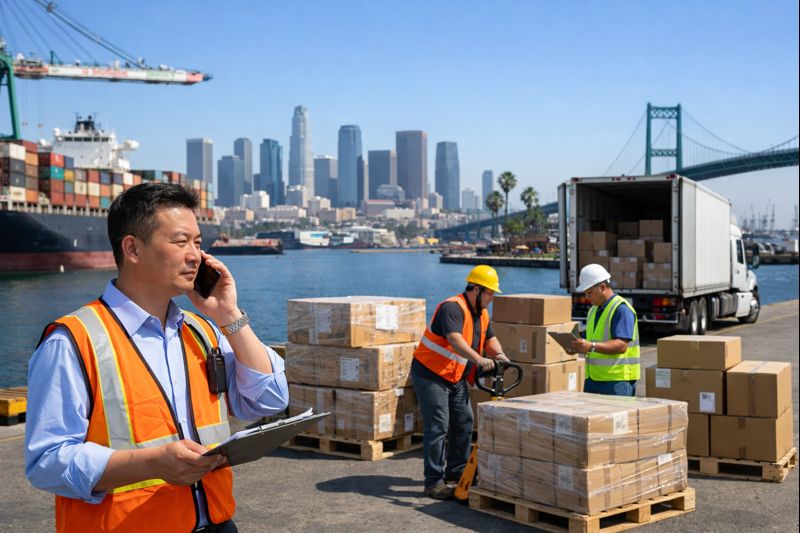
Customs clearance in Los Angeles
Customs clearance is where many delays and unexpected costs occur. A clean document set and correct classification prevent most problems.
Documents that matter most
Commercial invoice with accurate description, value, and HS classification
Packing list with carton count, weights, and dimensions
Bill of lading or air waybill
Any certificates required by customs requirements or partner agencies
What customs authorities focus on
Correct classification and declared value for import duties
Consistency across documents and booking data
High-risk patterns that trigger inspection
Following customs requirements and preparing for customs procedures early is part of international shipping regulations compliance. For repeated imports, align your product database, HS mapping, and invoice templates with your broker to improve release speed.
Freight forwarder tips for better service quality
A reliable freight forwarder does more than book a shipment. The best experienced forwarders help you manage freight rates, reduce risks, and keep the logistics process moving.
What to look for in a reliable freight forwarder
Itemized quotes and transparent shipping costs
Strong coordination at Shenzhen port, Los Angeles port, and Long Beach
Clear customs clearance workflow and broker support
Reliable transportation for final delivery and appointment planning
Tracking updates and fast exception handling
Door to door service, including delivered duty paid options
Ability to explain shipping requirements for special cargo
Why choose Tonlexing as your freight forwarder
Tonlexing supports shipping from Shenzhen to Los Angeles across air freight, ocean freight, and sea freight. With a Shenzhen-based operations team, Tonlexing can coordinate factory pickup, consolidation, export handling, and booking management with faster response times. That improves control over transit time, reduces document mismatch risk for customs clearance, and helps keep final delivery aligned with your delivery schedules.
If you ship regularly, Tonlexing can also help standardize your commercial invoice and packing list templates, coordinate with customs brokers, and provide shipment tracking from pickup to arrival and final delivery in Los Angeles.
Port congestion and seasonal demand strategies
Port congestion can slow the entire shipping process at Los Angeles and Long Beach. Seasonal demand can tighten capacity for both ocean freight and air freight. To reduce risk:
Book early and avoid missing cut-offs
Keep the commercial invoice and packing list consistent
Confirm delivery schedules and appointment rules before arrival
For lcl shipping, confirm destination handling costs and timing
For urgent shipments, confirm flight space before pickup
Frequently Asked Questions
Air freight is commonly 3 to 5 days for airport to door service. Ocean freight is commonly 12 to 20 days port to port, and door delivery usually takes longer due to terminal release, drayage, and appointments.
Sea freight is usually the cheapest option for freight shipping, especially for bulk cargo. For smaller volumes, lcl shipping can be the most cost-effective approach.
Choose full container load when you have enough cargo for an entire container and want higher predictability and fewer handling steps. Choose less than container load when volume is smaller and you want to avoid paying for unused space.
Customs clearance typically requires a commercial invoice, packing list, and the transport document, bill of lading for ocean freight or air waybill for air freight. Accurate HS classification reduces holds by customs authorities.
Book early during seasonal demand peaks, keep documents complete before departure, and confirm delivery schedules and appointment rules. For lcl shipping, confirm destination handling and deconsolidation timing. For urgent shipments, confirm cargo flights capacity before pickup.
More China to USA Shipping Resources
Get a Shenzhen to Los Angeles Shipping Quote
Clear cost breakdown and transparent freight rates
Ocean freight and air freight options with realistic transit time
Customs clearance support and smooth final delivery to Los Angeles
Share your cargo details to get the best routing, updated shipping costs, and a door-to-door plan for Los Angeles.