
Related Guide
Shipping From Shenzhen to Vancouver
Shipping From Shenzhen to Vancouver Verified & Reviewed · Last updated February 2026 Shipping from Shenzhen to Vancouver is a core China–Canada t...
Read guide →

Vancouver transloading services transfer freight from ocean containers to trucks or other transportation modes. Short-term warehousing helps bridge the gap between port arrival and final delivery.
Tonlexing coordinates freight and onward transportation based on your shipment needs and local service availability.
Container Transloading
Short-Term Warehousing
Inland Transportation
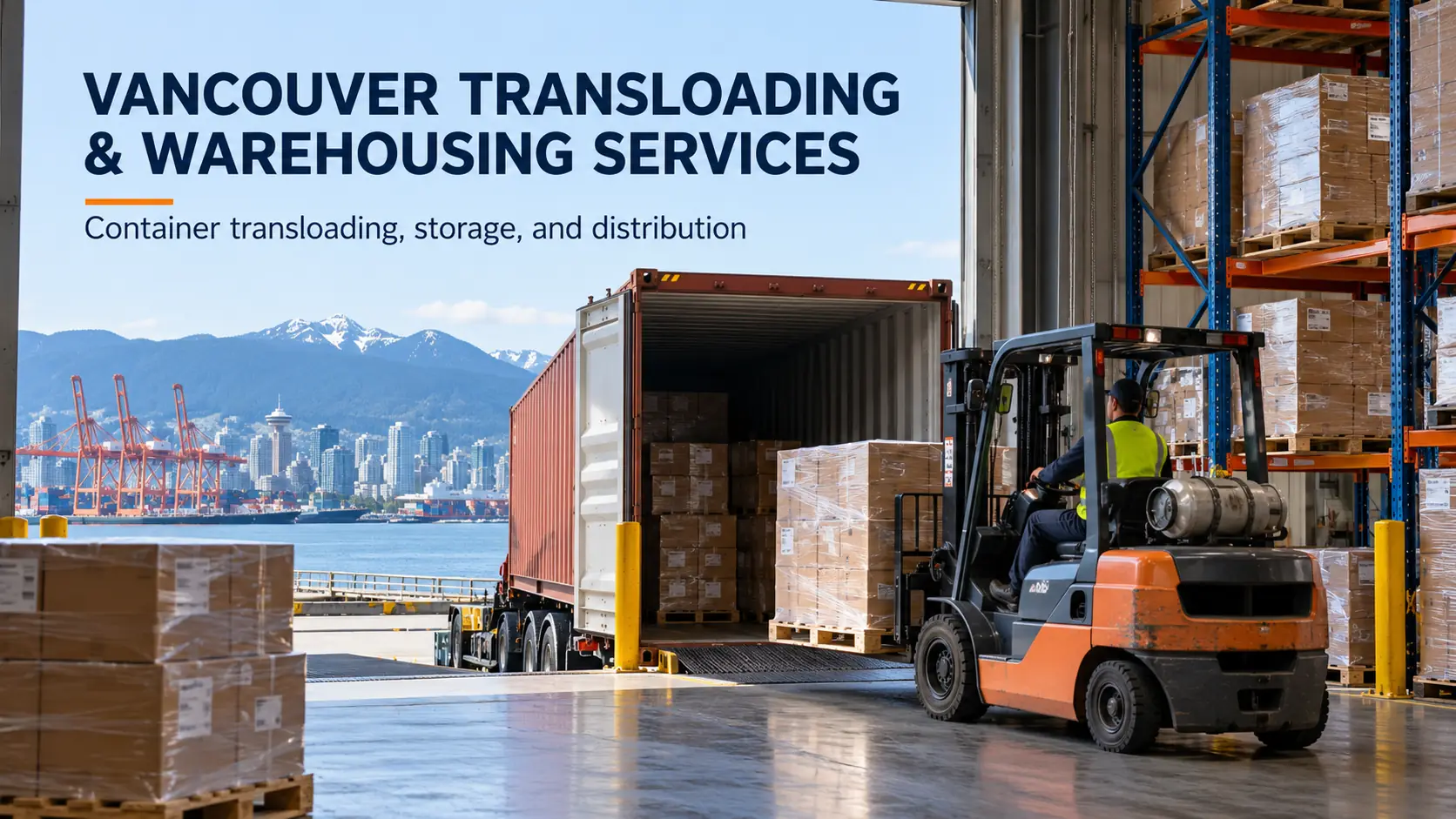
Transloading involves transferring freight between transportation units, such as moving cargo from an ocean container into a domestic truck. Warehousing provides temporary space when products are not ready for dispatch.
Together, these services connect the Port of Vancouver with inland distribution networks. They can help businesses manage inventory, coordinate shipments, and keep their supply chain moving when delivery schedules change.
Container transloading may include unloading, counting packages, sorting, palletizing, and transferring freight to another vehicle. The required work depends on cargo dimensions, packing methods, and the capabilities of the receiving facility.
These transloading services can suit shipments when the final receiving location cannot accommodate ocean containers or when freight needs to move using a different mode of transport.
Before booking, confirm the weight, dimensions, packaging, and any special lifting requirements. Oversized freight may require additional planning and confirmation that the facility can safely handle the load.
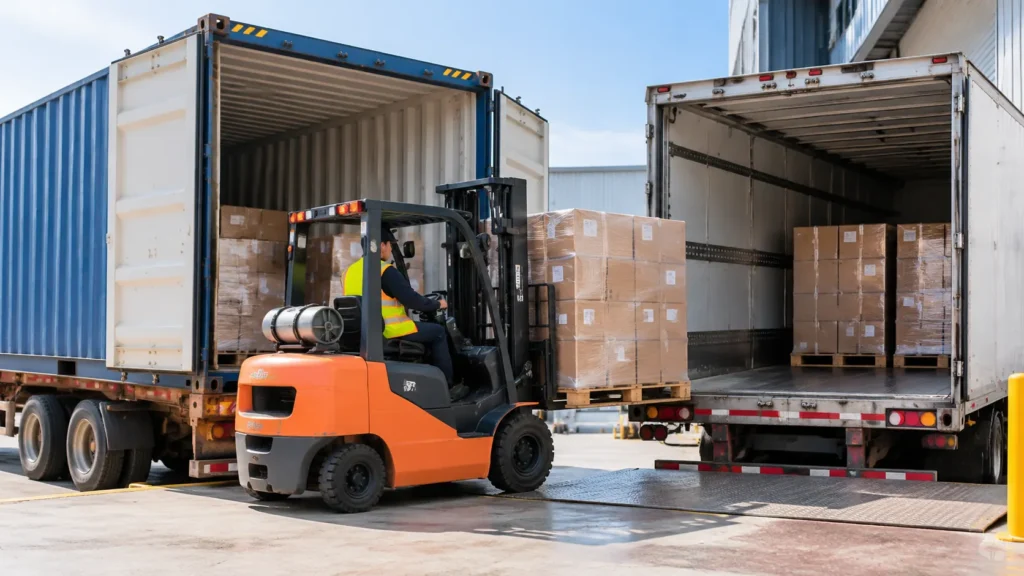
Temporary storage allows cargo to remain at a suitable location until the next transportation stage is ready. Cross-docking focuses on moving incoming freight to outgoing trucks with little or no extended storage.
The right arrangement depends on receiving schedules, inventory management, available space, and the next shipping route. If customs-bonded storage is being considered, confirm whether an appropriately authorized facility is available and how applicable duties will be treated.
For more information about related freight handling facilities, see our guide to container freight stations (CFS).
Transloading services are arranged around the arrival schedule, cargo requirements, and onward transportation plan. Coordinating each stage in advance helps reduce avoidable delays and improves operational efficiency.
Confirm shipment details. Provide the container number and type, product description, package count, dimensions, total weight, and expected arrival date.
Coordinate arrival and release. Check container availability, terminal requirements, customs clearance status, and collection appointments.
Unload and prepare the freight. Arrange the agreed transfer, counting, sorting, palletizing, or temporary storage.
Arrange onward transportation. Confirm the receiving address and coordinate trucks or rail where suitable services are available.
Transit times depend on terminal conditions, customs procedures, appointment windows, and carrier capacity. Businesses should allow sufficient time for container collection and the next movement, particularly when a shipment must meet a fixed receiving deadline.
Transloading services in Vancouver can be useful when direct container delivery is impractical or when a shipment requires a more flexible distribution plan.
Common situations include:
Limited receiving space: The final site has restricted access or cannot accommodate an ocean container.
Different arrival and receiving schedules: Freight arrives before the warehouse or customer is ready.
Multiple delivery locations: A shipment needs sorting or preparation for separate destinations.
Changes to the inland route: Cargo must transfer from an ocean container to domestic trucks or another suitable transportation mode.
Transloading does not automatically guarantee cost savings. Unloading, extra handling, storage, and onward trucking can increase total costs. Compare the complete cost of each option before choosing the most suitable solution for your supply chain.
Consolidating loads may also improve vehicle utilization and potentially reduce fuel consumption and emissions, depending on routing, loading efficiency, and the number of additional movements required.
For China-origin shipments, explore our guides to sea freight from China to Canada, freight forwarding from China to Canada, and shipping from Shenzhen to Vancouver.
Transloading services in Vancouver are priced according to the work required, the cargo specifications, and the next transportation leg. A clear quotation helps companies compare options and plan their logistics budgets.
The main pricing factors include:
Container and cargo specifications: Container type, shipment volume, package dimensions, weight, and loading method.
Additional handling: Sorting, palletizing, counting, re-packing, or special lifting requirements.
Storage period: The space required and the time freight remains at the facility.
Inland transportation: Trucking distance, rail access, appointment requirements, and waiting time.
Scheduling requirements: Tight deadlines or limited receiving windows may affect the available arrangements.
Ask for an itemized quotation covering unloading, cargo transfer, storage, and onward transportation. Confirm whether waiting time, container detention or demurrage, extra labor, and other applicable charges are included or billed separately.
Clear pricing helps businesses evaluate the full cost of each option and avoid unexpected expenses.
Proper planning helps coordinate cargo handling, container transfers, and onward transportation in Vancouver.
Before booking transloading services, prepare:
Container details: Container number, type, and arrival date
Cargo information: Product description, package count, dimensions, weight, and packing list
Delivery requirements: Customs release status, final address, and any special handling needs
Customs clearance is separate from transloading. Confirm that the goods have been released before arranging collection. See our guides to customs clearance in Canada and importing goods from China to Canada.
After arriving at the Port of Vancouver, containers can move to a transload facility for cargo transfer. Depending on the destination and service availability, goods can continue by truck or rail.
The best option depends on cargo volume, weight, delivery schedules, and transportation costs. Compare direct container delivery with transloading and onward transportation, considering both handling charges and potential savings.
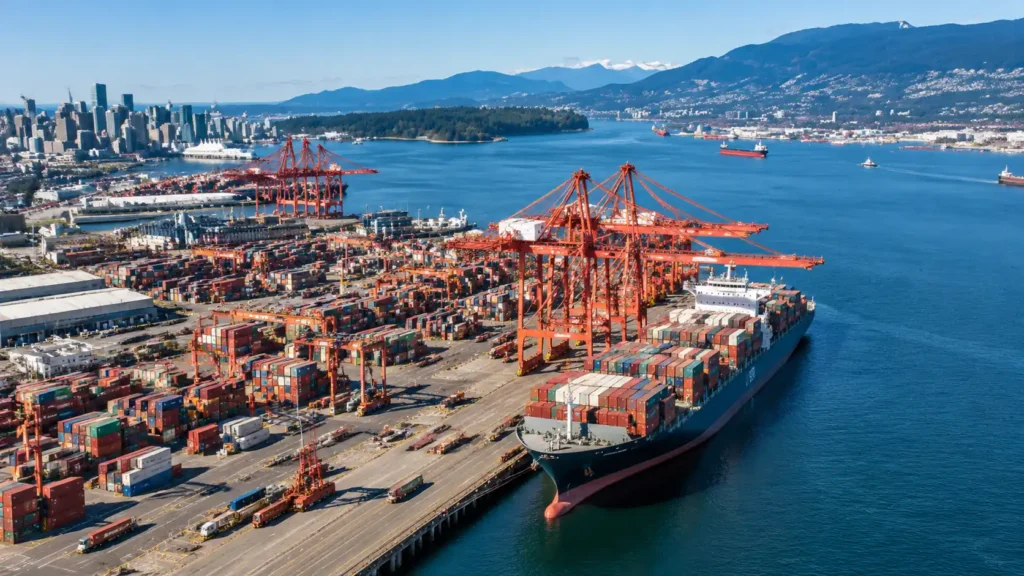
Need to move ocean container cargo through Vancouver? Tonlexing helps you coordinate transloading, short-term warehousing, and onward transportation based on your cargo requirements and delivery plans.
Whether you need to transfer a full container load to domestic trucks, arrange temporary storage, or plan delivery to an inland destination, we can help you assess the available options and coordinate the next steps.
Request a quote with the following details:
Container type and expected arrival date
Cargo description, total weight, and volume
Required handling or storage services
Final delivery address
With these details, we can better assess your shipment requirements and clarify the applicable handling and transportation costs.
Contact Tonlexing for a Vancouver Transloading Quote to discuss your shipment and plan your next move.
Transloading in Vancouver involves transferring freight from one transportation unit to another, often from an ocean container to a domestic truck. It connects port arrivals with inland distribution when direct container delivery is not practical.
Transloading describes the transfer of freight between transportation units. Cross-docking focuses on moving incoming freight to outgoing transport with minimal storage. The appropriate method depends on the shipment schedule and handling requirements.
Yes, if suitable space and handling arrangements are available. Confirm the storage period, cargo requirements, facility conditions, and applicable charges before the container arrives.
Costs depend on container type, shipment volume, handling requirements, storage duration, and onward transportation. Request an itemized quotation to compare the full cost with direct container delivery.
Not necessarily. Transloading is a cargo-handling service, while customs clearance is a separate process. Confirm that the freight has been released by Canadian customs and establish who is responsible for outstanding import requirements before arranging collection.
Useful freight, customs and importing resources related to this shipping guide.
Shipping From Shenzhen to Vancouver Verified & Reviewed · Last updated February 2026 Shipping from Shenzhen to Vancouver is a core China–Canada t...
Read guide →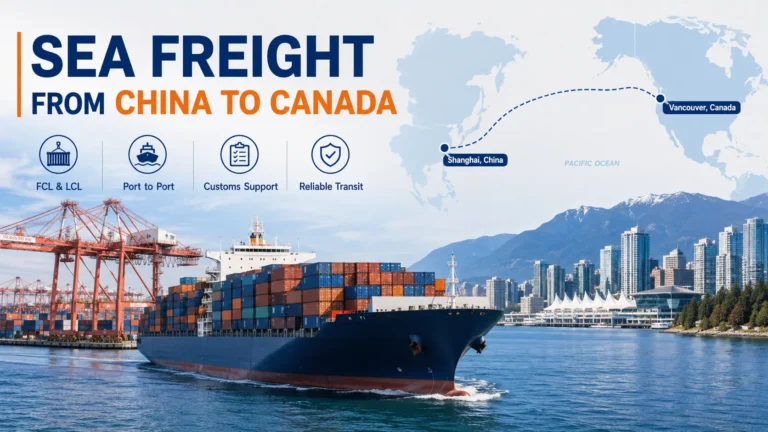
Sea Freight from China to Canada Verified & Reviewed · Last updated July 2026 Sea freight from China to Canada offers a cost-effective solution f...
Read guide →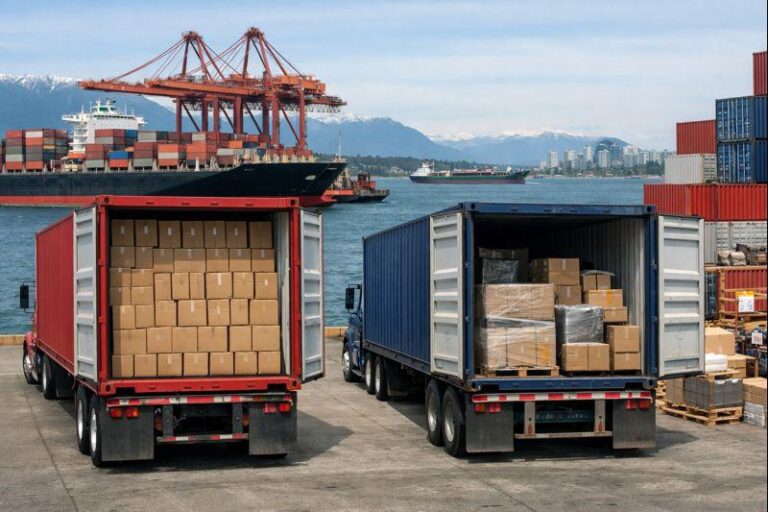
FCL vs LCL Shipping to Canada: How to Choose the Right Shipping Method Verified & Reviewed · Last updated February 2026 FCL vs LCL shipping to Ca...
Read guide →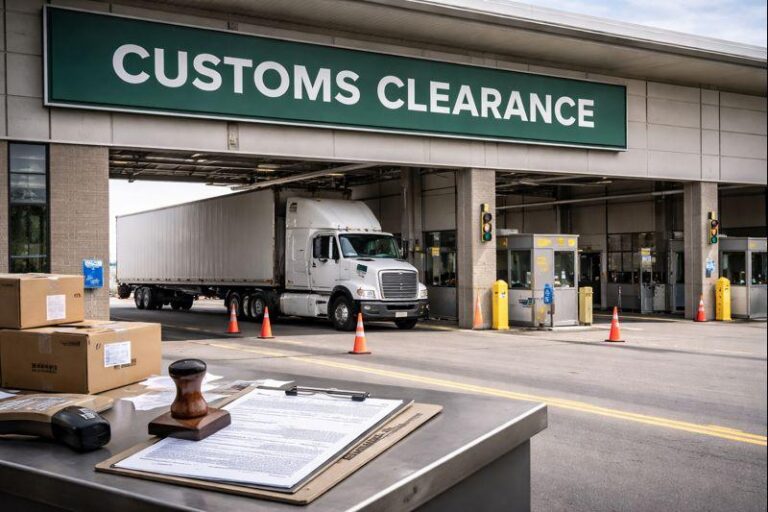
Customs Clearance in Canada (2026 Guide) Verified & Reviewed · Last updated January 2026 Customs clearance in Canada varies by shipment type, but...
Read guide →Demurrage vs Detention vs Storage Verified & Reviewed · Last updated January 2026 Demurrage vs detention vs storage is one of the most expensive...
Learn more → Useful Resource What Are Terminal Handling Charges (THC)?When dealing with international shipping, one of the common costs importers and exporters encounter is Terminal Handling Charges (THC). These cha...
Learn more →WhatsApp us