

What Is a Loading Dock
- Verified & Reviewed · Last updated February 2026
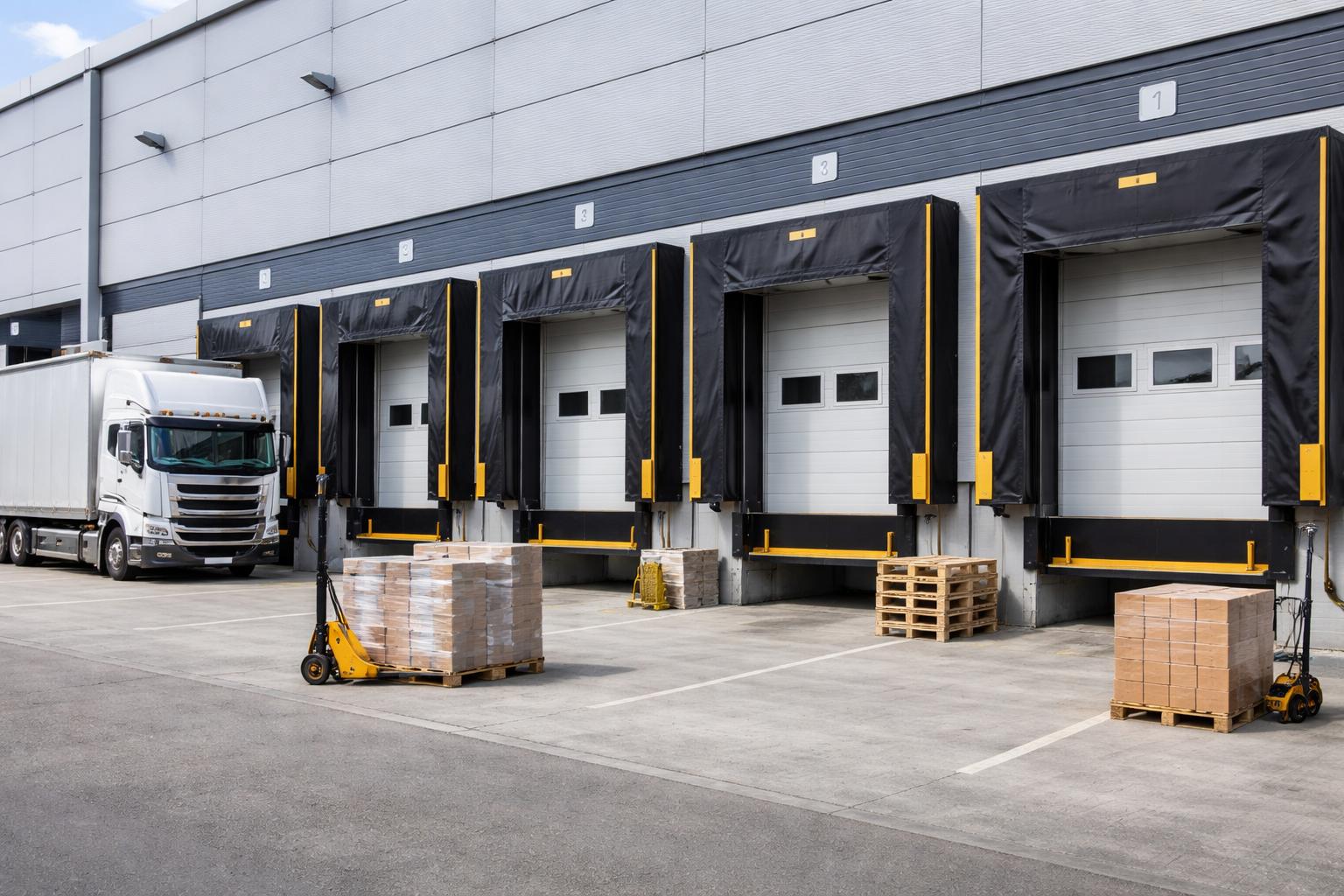
A loading dock is a dedicated area in commercial and industrial buildings where goods are transferred between a facility and trucks or trailers for safe, efficient loading and unloading.
This 2026 guide explains what a loading dock is, how loading and unloading operations work, the key dock equipment such as dock levelers, dock seals, and dock shelters, plus safety precautions and common types of loading docks used in modern warehouse operations.
Loading dock basics
Dock safety & maintenance
Types & dock equipment
- Experienced China-based logistics specialists
Table of Contents
Why Loading Docks Matter for Warehouse Operations
A loading dock is not just a door. A loading dock functions as a complete loading dock system that impacts daily performance across warehouse operations:
Operational efficiency by reducing trailer dwell time and keeping freight moving
Cost savings by minimizing detention, product damage, and rework
Safety considerations by controlling heavy equipment movement and pedestrian traffic
Energy efficiency through tighter door cycles and better environmental control
Better coordination with truck drivers and carriers through clear operating rules
When door positions are congested, warehouse picking and staging slow down, outbound service levels drop, and inbound inventory becomes available later than planned. A high-throughput loading dock keeps internal operations stable and protects service reliability.
What Constitutes a Loading Dock
Most modern loading dock setups include coordinated infrastructure and operating space:
A designated loading dock area with assigned doors, staging lanes, and clear traffic patterns
A loading dock door setup built around a dock door system and overhead doors to control access and security
A bridging solution, commonly dock levelers, that reduces height gaps between vehicles and the building
Impact protection components such as dock bumpers
Environmental control components such as dock seals and dock shelters
Control elements such as trailer locks, warning signals, and safety barriers
A serviceable pit and drainage zone, often called a dock pit, to support safe equipment movement
Together, these elements create a controlled interface that supports smooth, repeatable loading and unloading processes inside the loading dock workflow.
Loading and Unloading Operations and Processes
High-performing facilities rely on standardized loading and unloading operations and disciplined loading and unloading processes that reduce variability, prevent errors, and keep throughput stable.
Inbound receiving and unloading operations
The trailer checks in and is assigned to the right dock door
The driver backs into position using guidance tools when installed
The trailer is secured with trailer locks to prevent early pull-away
The interface is prepared so the connection is stable and level for safe entry
Teams complete unloading operations using forklifts or pallet jacks
Freight is scanned, counted, staged, and routed into storage, production, or cross-dock
Outbound shipping and loading operations
Orders are staged near the correct door for warehouse loading
The trailer is secured again before entry
A leveler bridges the gap between the building and the truck bed
Teams complete loading operations using safe travel routes and load plans
Freight is secured, paperwork is verified, and the trailer is released
These steps support consistent loading and unloading performance. In a busy loading dock, process discipline reduces rework and keeps trailer turn times predictable.
Leading Causes of Loading Dock Accidents
Many injuries are predictable and preventable. The most common risk drivers include:
Gaps and uneven connections between the vehicle and the floor interface
Slips and trips caused by clutter, debris, and spills
Conflicts in areas with heavy equipment movement and dock workers on foot
Poor visibility due to insufficient or uneven lighting
Trailer movement or trailer creep while forklifts enter and exit
Because unstable interfaces are a major hazard, high-performing teams treat bridging and securing controls as essential safety equipment. The goal is ensuring safety without sacrificing throughput, especially during peak dock activity at the loading dock.
Loading Dock Equipment and Safety Equipment Essentials
A high-capacity loading dock relies on specialized systems that reduce handling time, prevent damage, and protect workers. The most common loading dock equipment categories include bridging, sealing, impact protection, and visibility controls.
Dock levelers
Dock levelers create a stable bridge between the warehouse floor and the trailer. They reduce fall risk and allow forklifts to move safely across the threshold. Common options include mechanical levelers, air-powered levelers, and hydraulic dock levelers for high-cycle environments and consistent control.
Many high-cycle platforms rely on hydraulic systems for predictable movement and reliable control under frequent use. This is one of the most practical upgrades for a high-volume loading dock.
Dock seals and dock shelters
Dock seals and dock shelters reduce exposure to the elements and help maintain temperature control during the loading process. In climate-controlled facilities, sealing the interface can lower energy consumption by reducing air exchange when doors cycle frequently.
Dock bumpers
Dock bumpers are heavy-duty rubber pads attached to the wall face. They protect both the building and the trailer from collision damage when a driver backs into position.
Dock door and overhead doors
A robust dock door setup supports security and cycle speed. Many facilities use overhead doors for durability and frequent open-close activity. Some systems include a manual pull chain for emergency operation when powered controls are unavailable.
Dock lights and handling tools
Dock lights improve visibility inside trailers and reduce counting errors during receiving and shipping. Pallet jacks support quick movement of unitized freight in tighter staging lanes, especially where forklift access is limited. For lighter tasks, a hand pallet truck can reduce congestion in the dock area.
Vehicle restraints and safety equipment
Many facilities use trailer locks as the primary control. Where fixed restraints are installed, vehicle restraints add an additional layer of control at high-risk doors. This category is core safety equipment for reducing premature pull-away incidents and improving stability at the loading dock.
Safety Features, Safety Measures, and Safety Precautions
Loading docks are high-risk zones due to heavy equipment traffic, frequent door cycling, and mixed pedestrian movement. A strong program combines engineered controls with enforceable routines.
Two of the most effective safety features are stable bridging at the door threshold and reliable trailer securing. These controls reduce the likelihood of gaps, slips, and unexpected trailer movement.
Proven safety measures that reduce incidents:
Verify securing devices before entry, every time
Separate pedestrian traffic from forklift routes with marked lanes
Mark staging lanes that prevent clutter build-up
Remove debris and spills quickly to reduce slip risk
Daily safety precautions should be reinforced at shift start-up. Repeating safety precautions improves consistency, supports maintaining safety, and reduces avoidable injuries.
To keep operations safe after dark or during peak hours, maintain adequate lighting along traffic lanes and at door thresholds so workers can see the trailer edge and floor transitions clearly.
Employee Training for Loading Dock Operations
Training is essential for preventing accidents and improving efficiency in loading dock operations. Teams should understand:
Correct leveler use and safe entry checks
How to verify trailer locks and restraint engagement
Safe speed and travel rules for forklift operators and dock workers
Procedures for spills, damaged pallets, and unstable loads
Communication standards with truck drivers and yard staff
A well designed loading dock still underperforms if people are not trained to operate it consistently. Continuous coaching also improves pick-to-stage accuracy and reduces avoidable delays at the loading dock.
Loading Dock vs Loading Bay: Layout, Flexibility, and Cost
Many people search loading dock vs loading bay because the terms are often used interchangeably. A loading bay is often a broader working zone that can accommodate different vehicle sizes and activities such as sorting, temporary staging, and returns.
The table below shows the practical differences that impact efficiency, safety, and cost.
| Item | Loading Dock | Loading Bay |
|---|---|---|
| Primary purpose | High-throughput loading and unloading | Flexible staging and mixed-use space |
| Typical height | Often elevated to match truck beds | Can be ground level or mixed |
| Specialized equipment | Dock levelers, seals, shelters, restraints | May be minimal or optional |
| Best for | High-volume warehouses and distribution centers | Facilities needing adaptability and sorting |
| Key trade-off | Faster transfer, higher safety control needs | More flexible, can be less efficient at peak |
How to choose:
Choose a loading dock if you ship high volumes daily and need consistent trailer turnaround.
Choose a loading bay if you need flexible space for sorting, temporary storage, or mixed vehicle sizes.
For cold chain, prioritize enclosed designs, sealing systems, and controlled access.
If yard space is tight, consider angled layouts and stronger traffic rules to reduce delays.
A hybrid layout is common: a loading bay supports staging and sorting while the loading dock handles fast trailer transfer.

Types of Loading Docks
Facilities select layouts based on volume, site constraints, product sensitivity, and security needs. Common types of loading docks include:
Flush docks
Saw tooth docks consist of multiple angled positions laid out next to each other. The angled design can improve truck access and reduce yard maneuvering conflicts.
Saw tooth docks
Flush docks refer to faces that are flush with the building wall and commonly elevated to match typical trailer heights, allowing trucks to back up for fast loading and unloading.
Open loading docks
Open loading docks are more exposed to weather. If not secured, they can be more susceptible to theft and exposure-related damage, but they may allow flexible operations in certain setups.
Enclosed docks
Enclosed docks are covered areas that protect from the elements and provide additional security and climate control, which can be critical for sensitive goods.
Depressed docks
Depressed docks use a sloped driveway or ramp approach that allows vehicles to back down until they are flush with the platform interface.
Ground level configurations
A ground level approach typically relies on liftgate trucks, ramps, or specialized handling methods rather than a raised platform. This can fit smaller facilities and lighter loads, but it often reduces speed for palletized freight compared with a dedicated elevated loading dock.
Loading Dock Design Guide
The design of a loading dock must accommodate existing handling equipment, site constraints, and future changes in business operations. Good design improves throughput, reduces incident risk, and supports stable daily performance.
Platform height and vehicle alignment
Loading docks should be designed to match the height of the most frequently used trucks to facilitate seamless loading and unloading. This reduces bridging complexity and supports a smooth transition for equipment travel at the loading dock.
Gate width and traffic engineering
For facilities with controlled entry, the minimum width of property gates for one-way traffic is commonly recommended at 16 to 20 feet. This supports safe truck movement and reduces congestion at entry points.
Apron space and maneuvering room
Apron space must be calculated based on standard truck movements to ensure adequate maneuvering room. Insufficient apron depth causes yard congestion, delays, and a higher risk of collision near door positions.
Driver guidance to reduce delays
Wheel guides, mirrors, and reflective markers can help drivers align to the door position, minimizing delays during receiving and shipping while protecting building infrastructure.
If the goal is higher throughput and better space utilization, consider door spacing, staging depth, and traffic separation early in the design process.
Dock Access, Security, and Weather Protection
These areas are high-risk zones because freight is constantly moving. To improve control:
Manage dock access with clear door assignment rules
Use check-in procedures for visiting drivers and consistent door release policies
Keep staging organized so inventory is not left unattended
Use enclosed designs or additional barriers for high-value cargo
Maintain visibility through lighting and clear sightlines
Environmental control through seals and shelters also improves weather protection for goods during handling. For exposed sites, security planning is especially important for open loading docks.
Dock Scheduling, WMS, and Operational Efficiency
Throughput depends on disciplined scheduling. Dock scheduling helps manage staffing and equipment readiness, reduces truck bunching, and improves service consistency.
Effective scheduling practices include:
Appointment windows based on load type and expected handling time
Dedicated doors for priority inbound and outbound freight
Peak management rules that prevent staging overflow
Clear driver communication and safe waiting procedures
Many facilities use a warehouse management system to coordinate inbound planning, labor allocation, and equipment readiness. This improves operational efficiency, supports the supply chain, and reduces missed handoffs during high-volume cycles.
Inspections, Preventive Care, and Maintenance
Regular inspections and preventive care are essential for safe and efficient operation at any loading dock. Problems often come from worn interfaces, unsafe surfaces, or neglected components.
A practical program includes:
Inspecting levelers for stable operation and safe lip engagement
Checking seals and shelters for tears and gaps that reduce air sealing
Replacing damaged bumpers that protect the building face and trailers
Verifying door tracks and overhead doors for safe cycling
Ensuring dock lights provide visibility inside trailers
Keeping the dock pit clean and free of debris for reliable movement
For low-volume doors or special equipment, keep dock plates available as a contingency tool to bridge unusual height differences safely.
If your yard configuration includes a dedicated truck dock lane, apply consistent door assignment rules so trailer arrivals do not block active doors or staging paths.
Frequently Asked Questions
A loading dock is used to load and unload goods between a facility and trucks or trailers efficiently, safely, and with reduced damage risk.
A loading dock is typically an elevated interface built for high-throughput trailer transfer and often uses specialized systems like dock levelers and seals. A loading bay is usually a broader, more flexible area that may be used for staging, sorting, and mixed vehicle access.
Common loading dock equipment includes dock levelers, dock seals, dock shelters, dock bumpers, overhead doors, dock lights, and trailer securing devices such as vehicle restraints or trailer locks.
Key safety features include stable bridging, trailer securing devices, clear signage, safety barriers, strong lighting, and trained procedures that reduce gap-related incidents and pull-away risk.
Regular inspections help prevent equipment failures, reduce downtime, and improve operating consistency, especially for high-cycle doors, levelers, and trailer securing systems.
Learn more:
Plan a Safer Loading Dock Setup
Choose the right dock type for your warehouse flow
Pick essential dock equipment to reduce gaps and incidents
Build a maintenance checklist for reliable daily operations
Get a practical checklist and quick guidelines for dock safety, equipment, and daily inspections.