Related Guide
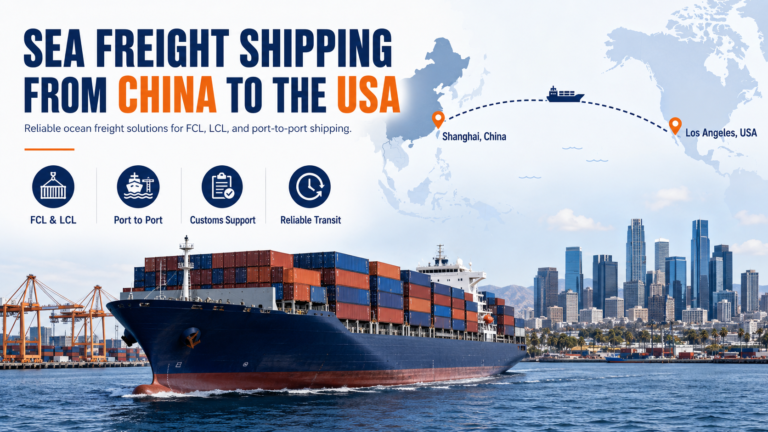
Sea Freight Shipping from China to the USA
Sea Freight Shipping from China to the USA Verified & Reviewed · Last updated June 2026 Sea freight shipping from China to the USA is one of the...
Read guide →

What is the best shipping method for Amazon FBA USA? This is one of the most critical decisions an Amazon seller can make. Whether you’re launching your first product or managing hundreds of SKUs, your shipping strategy directly affects your shipping costs, inventory turnover, and customer satisfaction.Whether you’re launching your first product or managing hundreds of SKUs, your shipping strategy directly affects your shipping costs, inventory turnover, and customer satisfaction. For sellers using Amazon FBA (Fulfillment by Amazon), it’s especially important to ship products efficiently to Amazon’s fulfillment centers across the United States.
In 2025, Amazon offers a variety of seller shipping options, but each comes with different costs, transit times, and levels of control. This guide is designed to help you compare and choose the best method based on your product type, shipping origin, budget, and selling goals.
Fulfillment by Amazon (FBA) is a logistics model where sellers ship inventory to Amazon warehouses, and Amazon handles storage, order fulfillment, shipping, customer service, and even returns. As soon as your products arrive at the assigned fulfillment center, Amazon takes care of the rest.
By using FBA, you unlock access to Prime shipping, faster delivery for customers, and increased exposure in Amazon stores. However, before Amazon can manage your inventory, you need to get your goods into their warehouse through one of several shipping methods.
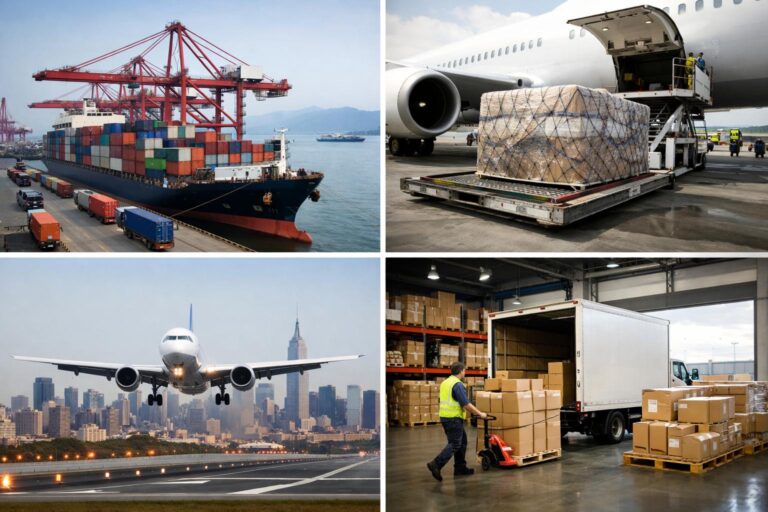
Air freight is a preferred shipping method for many Amazon sellers, especially those prioritizing fast delivery and inventory turnover. If you’re launching a new product or urgently restocking a best-seller, air freight allows you to deliver inventory to Amazon’s fulfillment centers in just 5 to 10 days from most manufacturing countries like China, India, or Vietnam.
Unlike ocean shipping, air freight involves a simpler shipping process, and you can often use the same carrier to manage pickup, export, import, and final delivery. Once the goods clear customs, they are transferred to a U.S.-based carrier that completes delivery to the designated fulfillment center.
However, the cost of air freight is calculated using chargeable weight, which considers both actual weight and package dimensions. This means lightweight but bulky items may incur higher-than-expected shipping costs. It’s critical to generate accurate shipping labels and use a shipping rate calculator to avoid unexpected fees.
Air freight is ideal for:
Pros
Cons
For sellers shipping larger volumes or working with limited budgets, sea freight remains one of the most affordable and scalable shipping options to Amazon FBA in the USA. It’s especially suitable for replenishing stock with a stable sales history and low urgency.
There are two main types of sea freight:
While sea freight involves longer transit times (typically 25–40 days), it offers the lowest shipping costs per unit. This helps you maintain healthier margins on slow-moving or bulky items. However, the shipping process can involve more steps—such as customs clearance, unloading, and domestic transfer to the assigned Amazon warehouse.
You should also account for additional costs such as port handling, deconsolidation, and drayage. Failure to plan carefully may result in storage costs at the port or missed delivery windows at Amazon fulfillment centers.
Sea freight is ideal for:
Pros
Cons
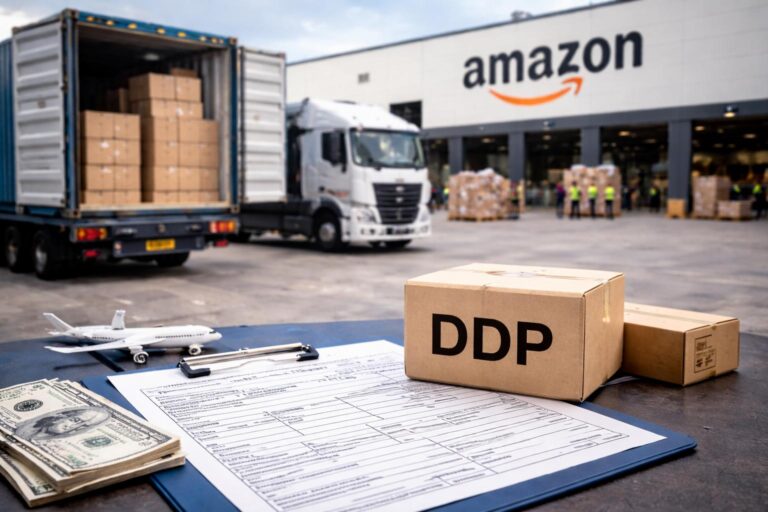
For many new FBA sellers, dealing with customs, duties, and Amazon’s strict delivery requirements can be overwhelming. That’s where DDP shipping (Delivered Duty Paid) comes in—a complete logistics solution where your service provider handles the entire shipping process, from pickup at the supplier’s door to final delivery at Amazon’s fulfillment centers.
With DDP shipping, your shipping orders include:
This hands-off method is particularly attractive to sellers using Seller Central who lack experience with logistics or want to avoid compliance risks. The FBA costs are bundled into one rate, and your logistics partner ensures your shipment meets Amazon’s strict check-in requirements—such as correct product packaging, barcoding, palletizing, and appointment scheduling.
Additionally, reliable DDP service providers often help sellers provide customer service by avoiding late deliveries and reducing inbound shipment issues. It’s a simplified pathway into fulfillment by Amazon FBA, especially for small batches or test orders.
DDP is ideal for:
Pros
Cons
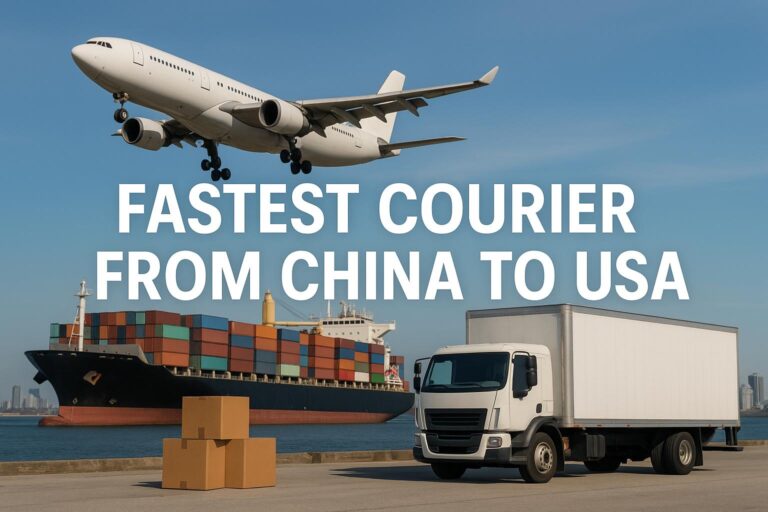
For Amazon sellers needing urgent delivery or sending small quantities, express courier shipping via DHL, FedEx, or UPS offers unmatched convenience. These services are often preferred for samples, new product launches, and backup inventory replenishment—especially when speed is critical to avoid stockouts.
With guaranteed fast delivery (as quick as 2–5 business days), express couriers enable you to meet Amazon’s Prime shipping standards with ease. Additionally, express carriers handle customs clearance and provide detailed tracking at every stage, making them one of the simplest amazon seller shipping options available.
While express is among the most expensive shipping options per kilogram, the all-inclusive pricing model means fewer surprises. There’s less paperwork, and most merchants can ship directly from suppliers to Amazon fulfillment centers with pre-assigned shipping IDs and proper shipping labels.
This method is ideal for:
Pros
Cons
That said, when used strategically in combination with sea or DDP, express shipping can complement your broader logistics plan and help you maintain lower cost inventory strategies during peak seasons or product launches.
Explore more shipping guides:
FCL vs LCL Shipping from China to USA
Air Freight from China to the USA
Shipping Cost from China to the USA (2025 Guide)
DDP Shipping from China to USA
Amazon FBA Warehouse Requirements for Outer Box Size and Pallet Standards
How Do Amazon Sellers Choose Amazon FBA Freight Forwarding
How to Estimate Duties and Taxes for Shipping from China to the USA
Selecting the right shipping method for your FBA business is not a one-size-fits-all decision. It depends on several factors, including your product type, volume, urgency, and business maturity. A well-structured shipping plan tailored to your needs will not only lower your shipping costs, but also improve your inventory management and boost customer satisfaction.
Here are some key considerations:
Large, bulky items are better suited for sea freight, while smaller, lightweight products may benefit from air freight or courier shipping.
If you’re at risk of running out of stock, fast delivery via air or express helps maintain seller account performance and avoid lost sales.
Plan shipments based on your inventory turnover rate. High-turnover products may require multiple smaller shipments by air, while slower items can ship via ocean to reduce costs.
New sellers often benefit from DDP shipping for its simplicity. As your operations grow, combining methods can yield better efficiency and control.
While air and express shipping offer speed, they come at a premium. Understanding your margins is essential to ensure your shipping model supports sustainable profitability.
By aligning your logistics decisions with your business needs, you can create a more predictable and scalable operation within Amazon FBA.
To help Amazon sellers make a quick and informed decision, here’s a side-by-side comparison of the most popular shipping methods to Amazon fulfillment centers. This includes key metrics like shipping time, cost, and suitability for different inventory strategies.
| Shipping Method | Shipping Time | Cost Level | Best For | Order Fulfillment Support |
|---|---|---|---|---|
| Air Freight | 5–10 days | $$$ | Urgent restocks, high-margin SKUs | Requires coordination |
| Sea Freight (FCL/LCL) | 25–40 days | $ | Large volumes, bulk shipments | Often arranged via freight forwarder |
| DDP Shipping | 15–30 days | $$ | Small sellers, simplified compliance | Fully managed by service provider |
| Express Courier | 2–5 days | $$$$ | Samples, emergency fulfillment | Fastest and simplest integration |
Each of these shipping methods comes with trade-offs in cost and delivery time, so your choice should align with how you fulfill orders and your approach to inventory.
These options offer flexibility for all types of Amazon FBA sellers, whether you’re looking to test the market or optimize high-volume operations.
Many successful sellers in the FBA program don’t rely on a single method—they use a strategic mix of shipping orders based on urgency, cost, and sales velocity. By combining different shipping methods, you can balance speed and profitability while maintaining optimal inventory levels.
Here’s how smart sellers use a hybrid shipping approach:
This layered approach helps sellers start shipping faster, reduce delays, and remain competitive—especially when entering new markets or launching products through Amazon’s global platforms.
For new sellers using Seller Central, starting with DDP or air freight allows you to start selling without dealing with complex customs paperwork or warehouse appointment bookings. As your seller account grows, you can gradually introduce sea freight and take more control of your logistics flow.
By planning ahead and analyzing your product cycles, this flexible strategy ensures you always have inventory available without overpaying on freight or facing storage overflow.
There is no universal answer to which shipping method is best for every Amazon seller—the right solution depends on your product characteristics, budget, and growth phase.
If you’re just starting your Amazon business, DDP offers a plug-and-play solution with minimal risks. As you grow, using sea freight for bulk stock and air freight for urgent restocking ensures your fulfillment operation stays lean and responsive. For time-sensitive launches or backup plans, express shipping adds a reliable buffer.
Ultimately, your goal is to build a shipping process that supports your inventory cycles, minimizes costs, and maximizes customer satisfaction. Each method comes with trade-offs, but by making data-driven decisions, you can scale efficiently and reach customers faster—without compromising profitability.
As Amazon raises the bar on logistics performance, choosing the right strategy becomes essential. Take time to audit your current fulfillment model, test combinations of shipping methods, and partner with experienced freight forwarders to streamline the entire journey from your supplier to Amazon’s warehouse.
To help both new and experienced sellers navigate the complexities of FBA shipping, here are answers to some of the most commonly asked questions.
Once your shipping plan is approved in Amazon Seller Central, you can download and print shipping labels for each box or pallet. These labels must be attached as per Amazon’s guidelines before your inventory reaches the fulfillment center.
Yes. New sellers can start shipping using simplified methods like DDP shipping, which covers customs, import duties, and delivery. It’s perfect for sellers testing the waters or launching their first SKU on the platform.
For lightweight and time-sensitive shipments, express courier (e.g., DHL or FedEx) is ideal. For small batch imports from China, DDP air freight offers a cost-effective and compliant option.
Yes, every inbound FBA shipment must have a shipping plan created in Seller Central. This includes product details, box dimensions, and destination Amazon warehouses.
Absolutely. Most international FBA sellers use freight forwarders or service providers to ship directly from Chinese or Asian suppliers to Amazon’s fulfillment centers in the U.S.
Useful freight, customs and importing resources related to this shipping guide.