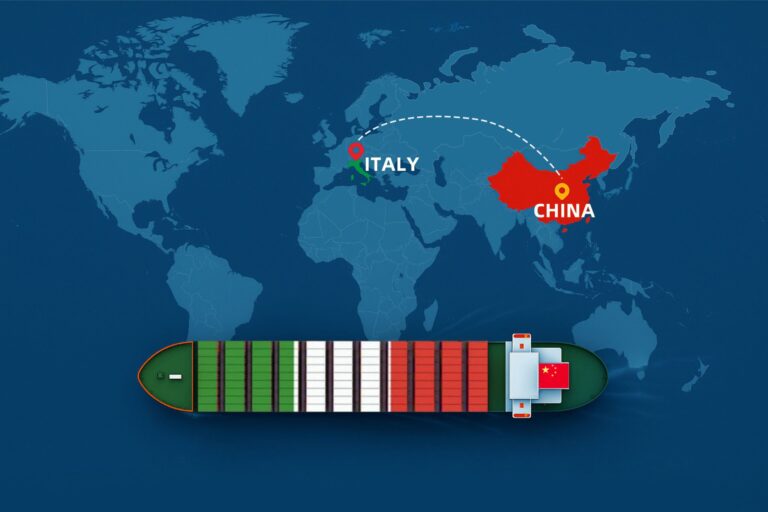


Reliable & Cost-Effective Shipping from China
Tailored Logistics Solutions for Your Business
- Home
- »
- Company News
- »
- Air Freight from China to Italy
Air Freight from China to Italy
- TONLEXING Team
If you’re looking for the fastest and most secure way to ship goods from China to Italy, air freight is your ideal solution. With increasing trade volumes between the two countries, thousands of businesses now rely on international air shipping to meet tight delivery schedules, reduce inventory delays, and improve supply chain efficiency.
Whether you’re importing consumer electronics, luxury fashion, industrial components, or time-sensitive goods, understanding the air freight process, shipping costs, and customs clearance procedures is crucial. Selecting the right freight forwarder can help you avoid unexpected delays, minimize import taxes, and ensure your cargo reaches its destination on time.
In this complete 2025 guide, we’ll walk you through everything you need to know about air shipping from China to Italy—from choosing the right airport and calculating the air freight cost per kg, to managing documentation and selecting the most cost-effective delivery method. Whether you’re new to air transport or looking to optimize your current logistics strategy, this article will give you the tools to make informed decisions.
Why Choose Air Freight from China to Italy?
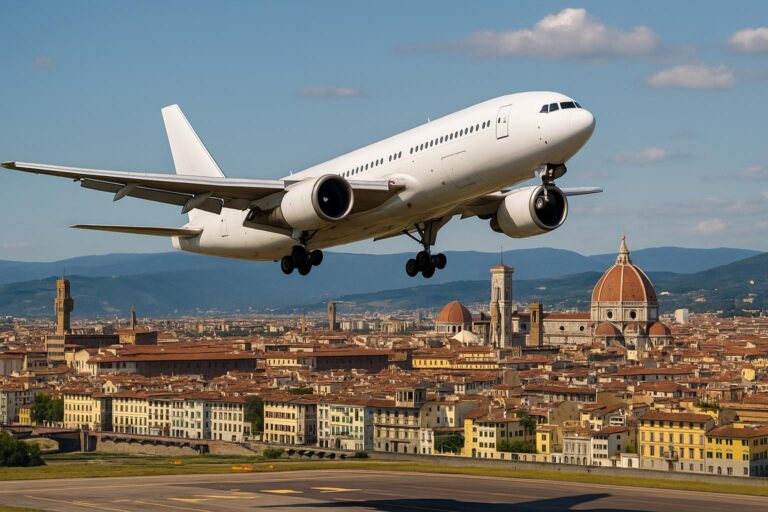
When shipping goods from China to Europe, air freight is the fastest and most reliable solution—especially for businesses that deal with high-value, time-sensitive, or seasonal products. Compared to sea freight, air shipping offers quicker transit times and lower risk of damage or delays.
For shipments that require customs clearance, rapid delivery, and secure handling, air freight services provide unmatched advantages. While it may not be the most cost-effective method for bulky cargo, it is ideal for electronics, luxury items, pharmaceuticals, and fashion products.
Importers looking to reduce unexpected costs and ensure smoother international shipping often turn to freight forwarders with expertise in both air transport and customs clearance procedures. With proper planning and documentation, you can reduce shipping costs and accelerate time-to-market in Italy.
Major Airports for Air Freight Between China and Italy
Choosing the right airport is a key step in optimizing both air freight costs and transit time. Both China and Italy have well-established international airports that handle significant volumes of air cargo, offering frequent flights and strong customs infrastructure.
Main Departure Airports in China
China is home to some of the busiest air freight hubs in the world. The most commonly used airports for shipping goods to Italy include:
Shanghai Pudong International Airport (PVG) – One of the largest cargo airports in Asia, offering daily flights to major European cities.
Guangzhou Baiyun International Airport (CAN) – A key southern hub known for its efficient handling of international shipments and consolidation services.
Beijing Capital International Airport (PEK) – Ideal for northern China-based exporters with high-value or time-critical shipments.
Shenzhen Bao’an International Airport (SZX) – Rapidly growing cargo volume, offering flexible schedules and access to key freight forwarders.
These airports are strategically located in major manufacturing zones and offer comprehensive air freight services, including DDP shipping options, cargo insurance, and express handling.
🇮🇹 Main Arrival Airports in Italy
For shipments arriving in Italy, the most commonly used cargo airports include:
Milan Malpensa Airport (MXP) – Italy’s largest air cargo airport, ideal for businesses targeting northern Italy and the EU market.
Rome Fiumicino Airport (FCO) – Central access point for shipments destined for southern Italy or neighboring EU countries.
Bologna Guglielmo Marconi Airport (BLQ) – An efficient choice for regional distributors and eCommerce companies.
These destinations offer smooth customs clearance, connectivity to European road and rail networks, and rapid delivery to final locations.
Air Freight Transit Time from China to Italy
One of the main reasons businesses choose air freight from China to Italy is the significantly shorter transit time compared to sea or rail freight. On average, air shipments between the two countries take 2 to 7 days, depending on factors such as the origin and destination airports, flight availability, customs processing, and the selected shipping service (standard or express).
Typical Air Freight Transit Times:
Route | Estimated Transit Time |
|---|---|
Shanghai (PVG) → Milan (MXP) | 3 – 5 days |
Guangzhou (CAN) → Rome (FCO) | 4 – 6 days |
Shenzhen (SZX) → Bologna (BLQ) | 3 – 7 days |
Beijing (PEK) → Milan (MXP) | 2 – 4 days |
Express shipping services—offered by global couriers like DHL, UPS, and FedEx—can deliver cargo in as little as 1 to 3 business days, making them ideal for urgent deliveries or small parcels.
However, transit times may vary depending on:
Seasonal demand and cargo volume
Availability of direct flights
Customs inspection or clearance delays
Type of goods (e.g., dangerous goods or restricted items)
To avoid delays, it’s essential to prepare complete documentation such as the commercial invoice, air waybill, and HS codes in advance. A reliable freight forwarder will help you streamline this logistics process and ensure your cargo clears customs procedures smoothly.
Air Freight Costs from China to Italy (Per Kg & Total Charges)
Understanding the total air freight cost from China to Italy is essential for accurate budgeting and logistics planning. Unlike sea freight, air cargo pricing is typically calculated based on the chargeable weight, which is either the actual gross weight or the volumetric weight—whichever is greater.
How Air Freight Rates Are Calculated
Air freight rates depend on several key factors:
Weight & Volume of the shipment (in kg and CBM)
Shipping route and origin/destination airports
Type of service: standard air freight or express shipping
Seasonality and airline capacity
Customs clearance fees, fuel surcharges, and handling costs
Whether you choose DDP air freight (Delivered Duty Paid)
Air Freight from China to Italy – May 2025
Air freight service from China to Italy | Weight Category | Air freight rates (USD/kg) |
|---|---|---|
Air freight cost from Shanghai to Italy | 100 kg / 300 kg | $4.40 / $4.10 |
Shipping air cargo from Shenzhen to Italy | 100 kg / 300 kg | $4.50 / $4.20 |
What is the air freight rate from Guangzhou to Italy? | 100 kg / 300 kg | $4.45 / $4.15 |
How much to ship air freight from Beijing to Italy? | 100 kg / 300 kg | $4.60 / $4.30 |
Air cargo delivery pricing from Hong Kong to Italy | 100 kg / 300 kg | $4.20 / $4.90 |
Air freight quote from Hangzhou to Italy | 100 kg / 300 kg | $4.30 / $4.00 |
Shipping air freight from Xiamen to Italy | 100 kg / 300 kg | $4.40 / $4.10 |
Air freight rate from Ningbo to Italy | 100 kg / 300 kg | $4.35 / $4.05 |
How much to deliver air cargo from Chengdu to Italy? | 100 kg / 300 kg | $4.50 / $4.20 |
Air freight charge from Qingdao to Italy | 100 kg / 300 kg | $4.45 / $4.15 |
Tip: Always compare both actual weight and volumetric weight using a chargeable weight calculator. For air freight, the industry standard divisor is 6000.
Additional Charges to Consider
Fuel & Security Surcharges
Import taxes and VAT in Italy
Airport handling fees
Cargo insurance
Door shipping or last-mile delivery fees
Although air freight is more expensive than sea shipping, it can be cost effective when transporting urgent or high-value cargo. By working with a freight forwarder experienced in air transportation, you can often reduce unexpected costs and improve overall logistics performance.
To find out about shipping costs from China to the rest , you can click:
Air Freight from China to Singapore
Air Freight from China to USA
Cheapest Air Shipping from China to Russia
Air Freight from China to UAE (2025 Guide)
Air Freight from China to Canada: Guide 2025
Cheapest Air Shipping from China to Australia
Air Freight from China to South Africa
Air Freight from China to Saudi Arabia
Customs Clearance in Italy: Process, Duties, and Regulations
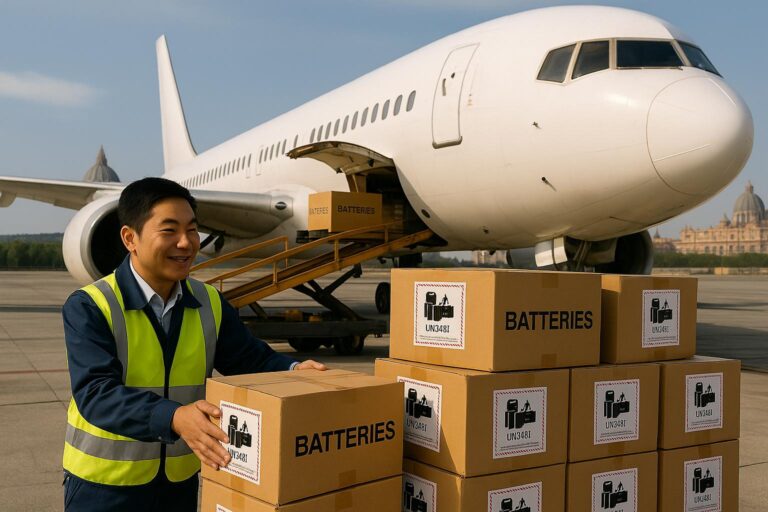
When your goods arrive in Italy by air, they must go through customs clearance before being released for delivery. Understanding the Italian customs regulations and preparing the correct documentation will help you avoid delays and minimize extra charges.
Key Documents Required for Import Customs Clearance:
Air Waybill (AWB)
Commercial Invoice (must include HS codes and declared value)
Packing List
Importer’s EORI number
Certificates (if applicable, e.g. CE certification, sanitary docs)
The Italian Customs Agency (Agenzia delle Dogane) is responsible for evaluating your shipment, verifying documentation, and calculating customs duties and import taxes.
Import Duties and VAT
Italy, as part of the European Union, applies the EU’s Common Customs Tariff (CCT). This means:
Customs duties vary depending on the product’s HS code (typically 0%–12%)
VAT (Value Added Tax) is charged at 22% on CIF value (Cost + Insurance + Freight)
Additional duties may apply for restricted or regulated goods, such as electronics, medical equipment, or dangerous goods.
DDP Shipping Option (Delivered Duty Paid)
To simplify the import process, many businesses opt for DDP air freight—a service where the freight forwarder handles all customs procedures, pays the taxes on your behalf, and delivers the goods door to door. This is ideal for buyers unfamiliar with import customs clearance or those seeking a hassle-free experience.
With DDP shipping, you can eliminate surprises, better control shipping costs, and avoid the risk of customs-related delivery delays.
DDP Air Freight Services: Door-to-Door Shipping to Italy
For importers seeking a smooth, cost-effective air freight experience from China to Italy, DDP shipping (Delivered Duty Paid) is one of the most reliable and convenient options. Under a DDP arrangement, your freight forwarder handles the entire shipping process—from pickup in China to final delivery in Italy—including:
Export customs declaration in China
International air transport
Import customs clearance in Italy
Payment of customs duties and VAT
Door shipping to your warehouse or address
Why Choose DDP Air Freight?
No hidden charges – All transportation costs and import taxes are included upfront
No customs hassle – Freight forwarder manages all compliance and paperwork
Time-saving – You avoid dealing with Italian customs or tax authorities
Suitable for SMEs and Amazon sellers with limited import experience
DDP is particularly useful when shipping goods to non-commercial consignees, eCommerce fulfillment centers, or customers who prefer receiving goods without paying extra upon delivery.
Note: While DDP shipping simplifies the process, you should always choose a reliable freight forwarder with proven experience in handling air cargo and compliance with Italian customs regulations.
By using DDP air freight, businesses can focus on sales and distribution while leaving logistics and legal compliance to the experts.
Choosing a Reliable Freight Forwarder from China to Italy
Selecting the right freight forwarder is crucial to ensuring a smooth and cost-efficient air freight shipping experience from China to Italy. A professional logistics partner not only arranges transportation but also helps you navigate customs, manage risks, and avoid costly delays.
What to Look for in a Reliable Freight Forwarder:
Experience with China–Italy routes
Look for providers with a proven track record handling air freight services between major Chinese airports (PVG, CAN, SZX, PEK) and Italian destinations like Milan or Rome.Transparent pricing
A good forwarder should provide clear cost breakdowns—including shipping costs, customs duties, handling fees, and optional services like cargo insurance or door shipping.Strong airline partnerships
The best forwarders partner with reputable airlines to secure space, especially during peak seasons or tight capacity.Support for DDP services
If you prefer delivered duty paid shipping, ensure the forwarder can handle customs and local delivery in Italy seamlessly.Responsive customer service
Efficient communication is key to resolving issues during the shipping process. Choose a provider that offers multilingual support and real-time updates.
How a Good Forwarder Saves You Money
A trusted forwarder helps reduce transportation costs, streamline your logistics process, and ensure compliance with customs clearance requirements. Their network of agents and familiarity with local Italian customs can protect your cargo and keep operations on schedule.
Tip: Always compare quotes from multiple providers—but don’t base your decision on price alone. Service quality, reliability, and regulatory knowledge are just as important.
Express Shipping vs Standard Air Freight: Which Should You Choose?
When shipping goods from China to Italy, one key decision importers face is choosing between express shipping and standard air freight. While both use air transportation, they differ in terms of speed, handling, cost, and service structure.
Express Shipping (Courier Services)
Express freight is provided by integrated courier companies like DHL, FedEx, UPS, and TNT. These companies offer door-to-door service, making them the fastest shipping method for small and urgent shipments.
Key Benefits:
Transit time: 1–3 business days
Ideal for parcels under 100 kg
Full tracking and customs brokerage included
Minimal documentation required
Downsides:
Higher shipping costs per kg
Volumetric weight can significantly increase the price
Express shipping is perfect for high-value samples, urgent replenishments, or eCommerce orders where delivery speed is a top priority.
Standard Air Freight
Standard air freight is handled by freight forwarders who book cargo space on commercial or cargo-only airlines. This method is best suited for bulkier shipments that don’t require overnight delivery.
Advantages:
More cost effective for shipments over 100 kg
Flexible consolidation and airport-to-airport options
Better suited for industrial or commercial logistics
Considerations:
Transit time: 3–7 days, depending on route and service
Requires customs clearance and possible delivery arrangements at destination
Additional charges for handling, warehousing, and last-mile delivery
How to Choose?
Criteria | Express Shipping | Standard Air Freight |
|---|---|---|
Speed | 1–3 days | 3–7 days |
Cost per kg | High | Moderate |
Shipment size | Small/Medium (<100 kg) | Medium/Large (>100 kg) |
Delivery type | Door to door | Airport to airport/DDP |
Customs handling | Included | Separate or via DDP |
If speed is essential and your shipment is small, express shipping is worth the premium. For larger loads with more flexibility, standard air freight offers a better balance of cost and control.
Required Documents for Air Freight to Italy
Accurate and complete documentation is essential for smooth customs clearance when shipping goods via air freight from China to Italy. Missing or incorrect paperwork can lead to delays, fines, or even cargo confiscation.
Below are the key documents needed to support your international shipment:
Air Waybill (AWB)
This is the official air freight document issued by the airline or freight forwarder. It serves as a contract of carriage and contains vital shipment details like shipper, consignee, flight info, and weight. The air waybill also acts as a tracking document.
Commercial Invoice
The commercial invoice must include:
Detailed product descriptions
Quantity and unit value
HS codes (Harmonized System codes)
Total declared value
This document is critical for calculating customs duties, VAT, and for compliance with Italian customs regulations.
Packing List
Provides specific information about how the goods are packed (box sizes, number of items, gross/net weight). It helps customs inspect the cargo and verify content accuracy.
Importer’s EORI Number
All importers in Italy must be registered with the Economic Operators Registration and Identification (EORI) system. This number is required for any formal import customs clearance process within the EU.
Additional Documents (If Applicable)
- Depending on the nature of your goods, you may also need:
- CE certification (for electronics, toys, medical devices)
- Sanitary or phytosanitary certificates
- Certificate of Origin (COO)
- Dangerous goods declaration, if applicable
Tip: A professional freight forwarder will help you prepare all customs documentation and ensure compliance with both Chinese export and Italian import regulations.
Common Products Shipped by Air from China to Italy
Due to the speed, security, and global connectivity of air transport, many Italian businesses rely on air freight from China to import a wide variety of goods. This shipping method is especially preferred when time, product value, or product sensitivity are critical.
Frequently Shipped Products by Air:
Consumer Electronics
Smartphones, tablets, drones, and accessories require fast delivery and secure handling—making air cargo the ideal choice.Fashion and Textiles
Seasonal apparel, luxury bags, and footwear often ship via air to meet fast-changing market demand in Italy’s fashion hubs.Pharmaceuticals and Medical Devices
These are highly time-sensitive and sometimes temperature-controlled, requiring express freight shipping services.Automotive Parts
High-value or urgently needed components such as sensors, chips, or brakes often move via air freight to avoid production delays.Machinery and Precision Tools
When small, high-value machinery or equipment is required for installation or maintenance, air transport is the fastest option.E-commerce Parcels
Online sellers frequently use air solutions—especially DDP air freight—to send goods directly to Italian consumers or Amazon FBA centers.Dangerous Goods (Limited)
Lithium batteries, chemicals, or pressurized items can be shipped by air under strict conditions, with proper classification and labeling.
Why Air Freight is Preferred for These Goods:
Speed matters: Faster time-to-market
Security: Reduced risk of damage or theft
Regulatory control: Easier compliance for regulated goods
Cost vs. value: More cost effective for high-value or low-volume cargo
Whether you’re shipping a single sample or full pallets, air freight remains the most reliable solution for urgent, high-priority shipping goods from China to Italy.

Factors That Affect Air Freight Shipping Costs
The air freight cost from China to Italy is influenced by multiple variables that go beyond just weight and distance. Understanding these cost drivers will help you better plan your logistics budget and avoid unexpected costs.
Weight and Volume
Freight charges are calculated based on chargeable weight—whichever is higher between actual weight and volumetric weight. This is crucial for light but bulky items.
Formula: (Length × Width × Height) ÷ 6000 = Volumetric Weight (kg)
Shipping Route
Your choice of shipping route and departure/arrival airports (e.g., PVG–MXP vs SZX–FCO) can lead to cost differences due to distance, airline availability, and fuel surcharges.
Service Level
Faster services like express shipping or door-to-door DDP shipping are more expensive than standard airport-to-airport freight shipping. However, they may reduce other transportation costs such as warehousing or delays.
Customs and Regulatory Compliance
Failing to meet Italian customs requirements or misdeclaring goods can result in fines, delays, or re-export. Hiring a reliable freight forwarder reduces this risk and improves cost efficiency.
Seasonal Demand
Rates tend to spike during peak seasons (e.g., Q4 holiday surge, Chinese New Year) due to limited cargo space and high demand for international shipping.
Type of Goods
Shipping dangerous goods, high-value electronics, or temperature-sensitive products may require special handling or additional documentation—raising total shipping costs.
Insurance and Surcharges
Don’t forget to include:
Cargo insurance
Fuel and security surcharges
Handling fees
Destination delivery charges (if using DDP or door shipping)
Summary: Costs Vary Depending On…
Factor | Impact on Cost |
|---|---|
Cargo size & weight | High |
Chosen airport pair | Moderate to high |
Service speed (express) | High |
Customs clearance issues | Potential delays/costs |
Seasonality | Moderate to high |
Special cargo requirements | High |
Planning ahead and consulting with a freight forwarder can help you choose the most cost effective option for your specific shipment.
FAQs About Air Freight from China to Italy
How long does air freight take from China to Italy?
Most air freight shipments arrive in 2 to 7 days, depending on the origin and destination airports, carrier schedules, and whether you’re using standard air freight or express shipping.
What is the cost of air freight per kg from China to Italy?
Air freight costs typically range from $3.80 to $5.50 USD per kg for shipments over 100 kg. Prices vary depending on volume, route, and service level. You should always compare actual vs. volumetric weight using a chargeable weight calculator.
Do I need a freight forwarder to ship goods from China to Italy?
While it’s not mandatory, hiring a freight forwarder is highly recommended. They handle logistics coordination, booking, documentation, and customs clearance, helping you avoid delays and reduce shipping costs.
What documents are required for air freight to Italy?
You’ll need at minimum:
Air waybill (AWB)
Commercial invoice
Packing list
EORI number (for Italian importers)
HS codes and other customs documentation
For dangerous goods or restricted items, additional certificates are required.
What is DDP air freight and how does it work?
DDP air freight (Delivered Duty Paid) is a service where the freight forwarder takes full responsibility for delivery, including paying import taxes, handling customs procedures, and providing door shipping to your destination in Italy.
Is air freight more expensive than sea freight?
Yes, air freight is generally more costly than sea freight, but it is significantly faster. It is ideal for time-sensitive, high-value, or low-volume goods where speed and reliability outweigh price.
Can I ship goods from Alibaba suppliers by air?
Absolutely. Most suppliers on Alibaba work with forwarders who offer air freight services. You can choose between EXW, FOB, or DDP shipping terms depending on your preferred shipping method.
What are the risks of shipping by air?
While air cargo is safe and secure, potential risks include customs delays, misdeclared items, and airline overbooking. Working with a reliable freight forwarder helps reduce these risks.
How are customs duties calculated in Italy?
Duties are based on the HS code, declared value, and the product’s country of origin. Italy applies VAT at 22% on the total CIF value, and customs clearance is managed by Italian authorities or via your forwarder.
When is air freight the best choice?
Use air freight when:
You need delivery within 1–7 days
Your cargo is high-value or time-sensitive
You want to reduce warehousing time and inventory risks
You’re shipping samples, electronics, pharmaceuticals, or apparel
Related Logistics Guides
Useful freight, customs and importing resources related to this shipping guide.
Related Guide
Shipping Cost from China to Italy
Shipping Cost from China to Italy (2026 Guide) Verified & Reviewed · Last updated April 2026 Shipping cost from China to Italy in 2026 typically...
Read guide →
Related Guide
How Long Does It Take to Ship from China to Italy?
How Long Does It Take to Ship from China to Italy is a question many importers ask when planning their supply chain. Shipping from China to Italy...
Read guide →
Related Guide
Sea Freight from China to Italy
Sea Freight from China to Italy: Cost, Transit Time, Ports & Customs Guide Verified & Reviewed · Last updated June 2026 Sea freight from China to...
Read guide →
Useful Resource
20ft & 40ft Container Shipping Costs from China to Italy
20ft 40ft Container Shipping Costs from China to Italy Verified & Reviewed · Last updated June 2026 Shipping containers from China to Italy is on...
Learn more → Useful Resource DDP Shipping from China to ItalyDDP shipping from China to Italy is the most efficient solution for importers seeking all-inclusive logistics with no customs hassle or hidden fe...
Learn more →